WASHINGTON (AP) — The American economy expanded at a 1.4% annual pace from January through March, the slowest quarterly growth since spring 2022, the government said Thursday in a slight upgrade from its previous estimate. Consumer spending grew at just a 1.5% rate, down from an initial estimate of 2%, in a sign that high interest rates may be taking a toll on the economy.
The Commerce Department had previously estimated that the gross domestic product — the economy's total output of goods and services — advanced at a 1.3% rate last quarter.
The first quarter's GDP growth marked a sharp pullback from a strong 3.4% pace during the final three months of 2023. Still, Thursday's report showed that the January-March slowdown was caused mainly by two factors — a surge in imports and a drop in business inventories — that can bounce around from quarter to quarter and don't necessarily reflect the underlying health of the economy.
Imports shaved 0.82 percentage point off first-quarter growth. Lower inventories subtracted 0.42 percentage point.
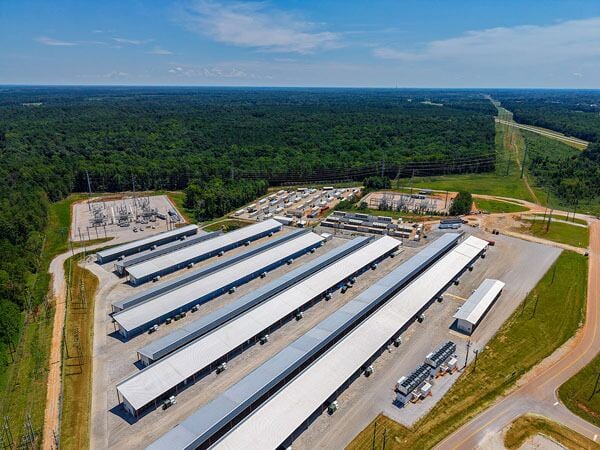
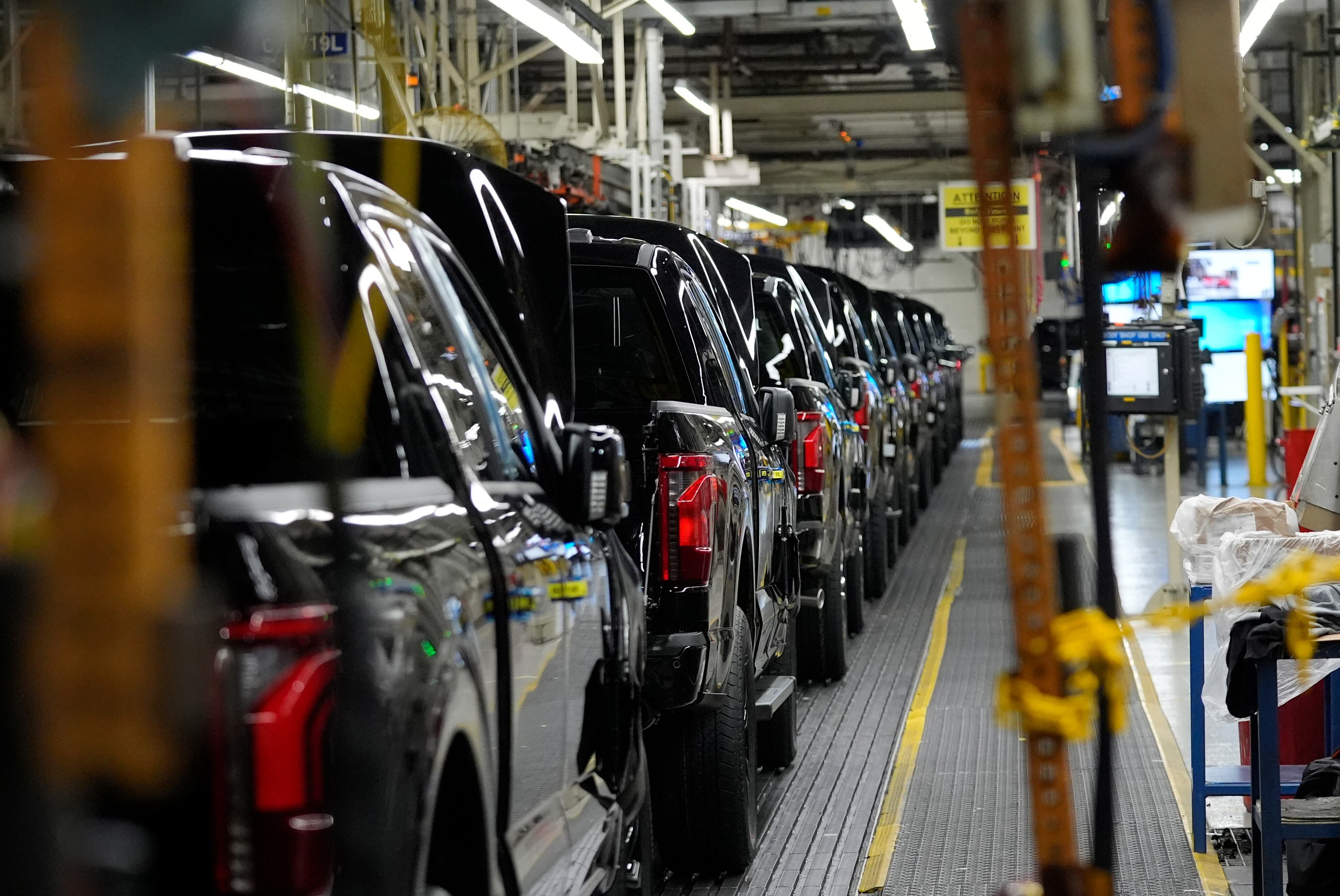
Picking up the slack was business investment, which the government said rose at a 4.4% annual pace last quarter, up from its previous estimate of 3.2%. Higher investment in factories and other nonresidential buildings and in software and other types of intellectual property helped boost the increase.
After growing at a solid annual pace of more than 3% in the second half of 2023, consumer spending decelerated sharply last quarter. Spending on appliances, furniture and other goods fell by a 2.3% annual rate, while spending on travel, restaurant meals and other services rose at a 3.3% rate.
Chris Zaccarelli, chief investment officer for the Independent Advisor Alliance, called the downshift in consumer spending "a cause for concern.'' Consumers account for around 70% of U.S. economic activity.
“The economy remained resilient in the first quarter," said Gregory Daco, chief economist at the tax and consulting firm EY. But ”private-sector demand growth was cooling, led by more consumer prudence. Importantly though, the economy is not retrenching, with business investment retaining moderate momentum."
Many economists have been expecting growth to strengthen in the current April-June quarter. But an Oxford Economics forecasting model — based on economic statistics that have been reported so far — points instead to a tepid 1.3% growth rate this quarter.
The U.S. economy, the world’s biggest, has proved surprisingly resilient in the face of higher interest rates. The Federal Reserve raised its benchmark rate 11 times in 2022 and 2023, to a 23-year high, to try to tame the worst bout of inflation in four decades. Most economists predicted that the much higher consumer borrowing rates that resulted from the Fed’s hikes would send the economy into a recession.
It didn’t happen. The economy has kept growing, though at a slower rate, and employers have kept hiring. In May, the nation added a strong 272,000 jobs, although the unemployment rate edged up for a second straight month, to a still-low 4%. At the same time, overall inflation, as measured by the government’s main price gauge, has tumbled from a peak of 9.1% in 2022 to 3.3%, still above the Fed’s 2% target level.
The state of the economy is sure to be a central topic Thursday night when President Joe Biden will debate Donald Trump, the presumptive Republican presidential nominee. Though the economy remains healthy by most measures and inflation is way down from its peak, many Americans say they’re frustrated that overall prices are still well above their pre-pandemic levels. Costlier rents and groceries are particular sources of discontent, and Trump has sought to pin the blame on Biden in a threat to the president’s re-election bid.
A measure of inflation in the January-March GDP report showed that price pressures accelerated at the start of 2024. Consumer prices rose at a 3.4% annual pace, up from 1.8% in the fourth quarter of 2023. Excluding volatile food and energy costs, so-called core inflation rose at a 3.7% annual clip, up from 2% in each of the previous two quarters.
In light of the still-elevated inflation pressures, the Fed’s policymakers earlier this month collectively predicted that they would cut their benchmark rate just once in 2024, down from their previous forecast of three rate cuts. Most economists expect the first rate cut to come in September, with possibly a second cut to come in December.
Thursday’s report was the third and final government estimate of first-quarter GDP growth. The Commerce Department will issue its first estimate of the current quarter’s economic performance on July 25.