Cuffing season is in full swing and Tinder wants to make sure all of you hopeless romantics have the best experience on the platform.
The dating app rolled out some new features aimed at boosting safety and making your browsing time more enjoyable.
So what's new? One of the new features users can expect to find on the app is the incognito mode. This feature allows users to hide their profiles from the general public -- sort of. In this mode, users can still swipe left or right on a potential interest but their profiles will only be visible to accounts they have liked.
Tinder has also introduced a new block profile feature. It does exactly what it sounds like and lets a user curate exactly what profiles they would like to see.
While you might have swiped left on a profile before, the algorithm might let that profile slip back into your potential matches after some time. Now, users can block a profile so they don't show up again.
Long press reporting is also a new feature that lets users report bad behavior. You can tap and hold an offensive message to report it to Tinder so that the app can take proper action.
There are also some updated changes coming to the app's 'Does This Bother You Feature.' It is expanding the language in its terms of service that clearly identifies instances of hate speech, sexual exploitation and harassment.
As we head into the second quarter, there’s an argument in favor of buying Boeing stock. Why? As one expert says, ‘there’s nowhere else to get planes.’
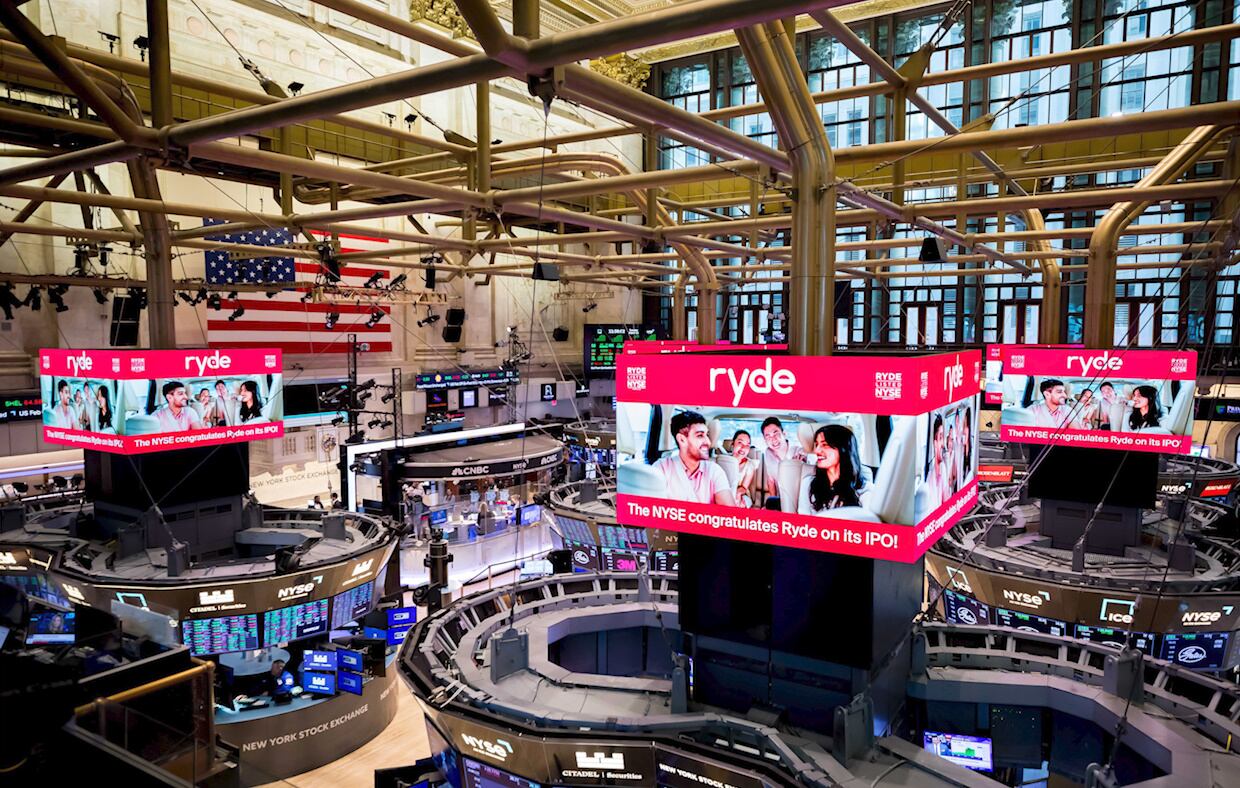
With inflation and prices still on the rise, it might be worth considering a carpool app. One of them, Singapore-based Ryde, just went public in the U.S.
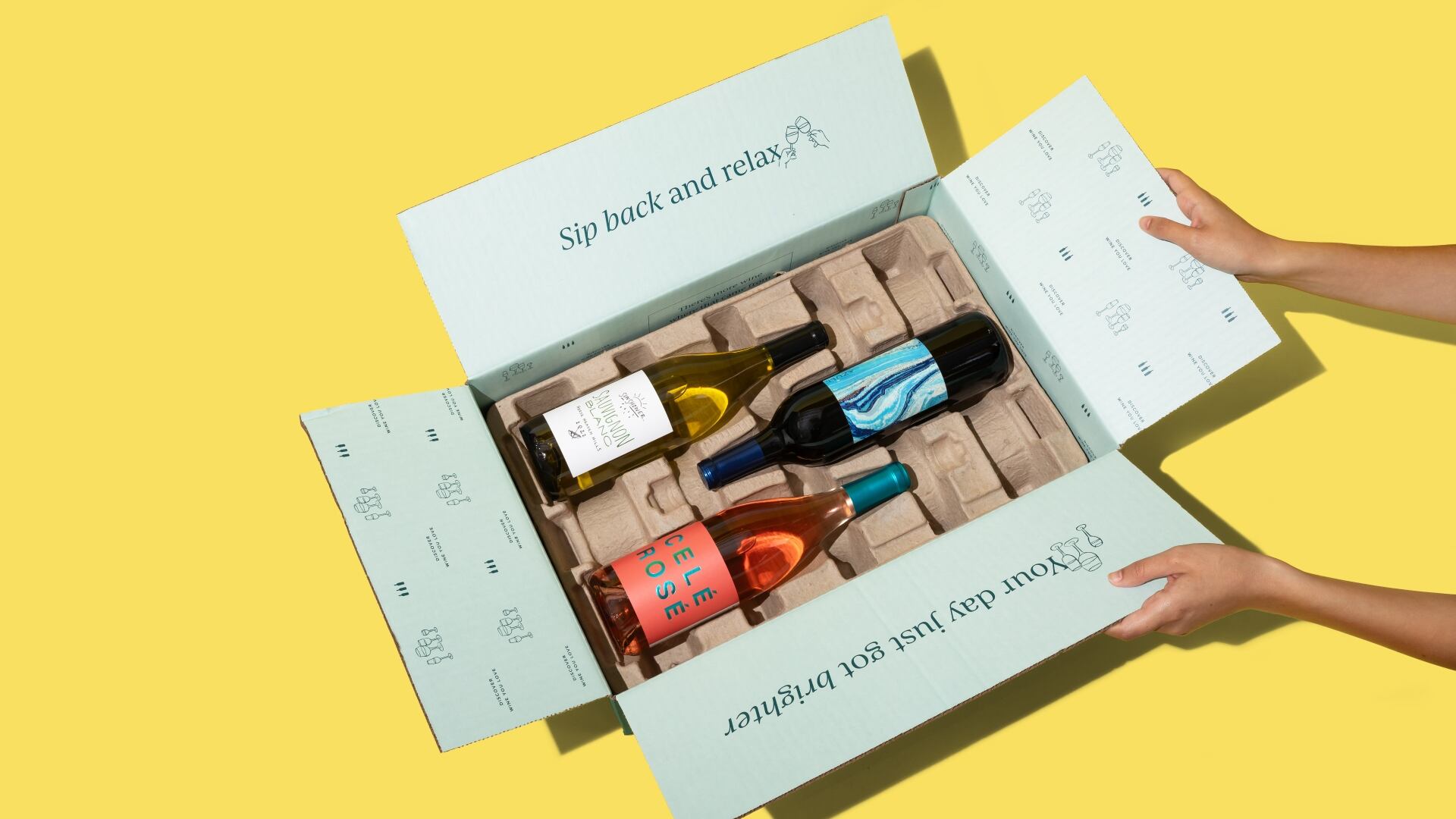
Full Glass Wine Co., the company behind Bright Cellars, Wine Insiders, and Winc, knows you fell in love with home delivery during the pandemic – and it’s investing millions into making it even better.
It might sound counterintuitive, but the Fed cutting interest rates three times this year could cause inflation to spike and actually be worse for markets and the economy as a whole.
Imagine a world with just a handful of mediocre beer options. Terrible, right? That was the U.S. before the explosion of craft breweries, the Samuel Adams founder says.