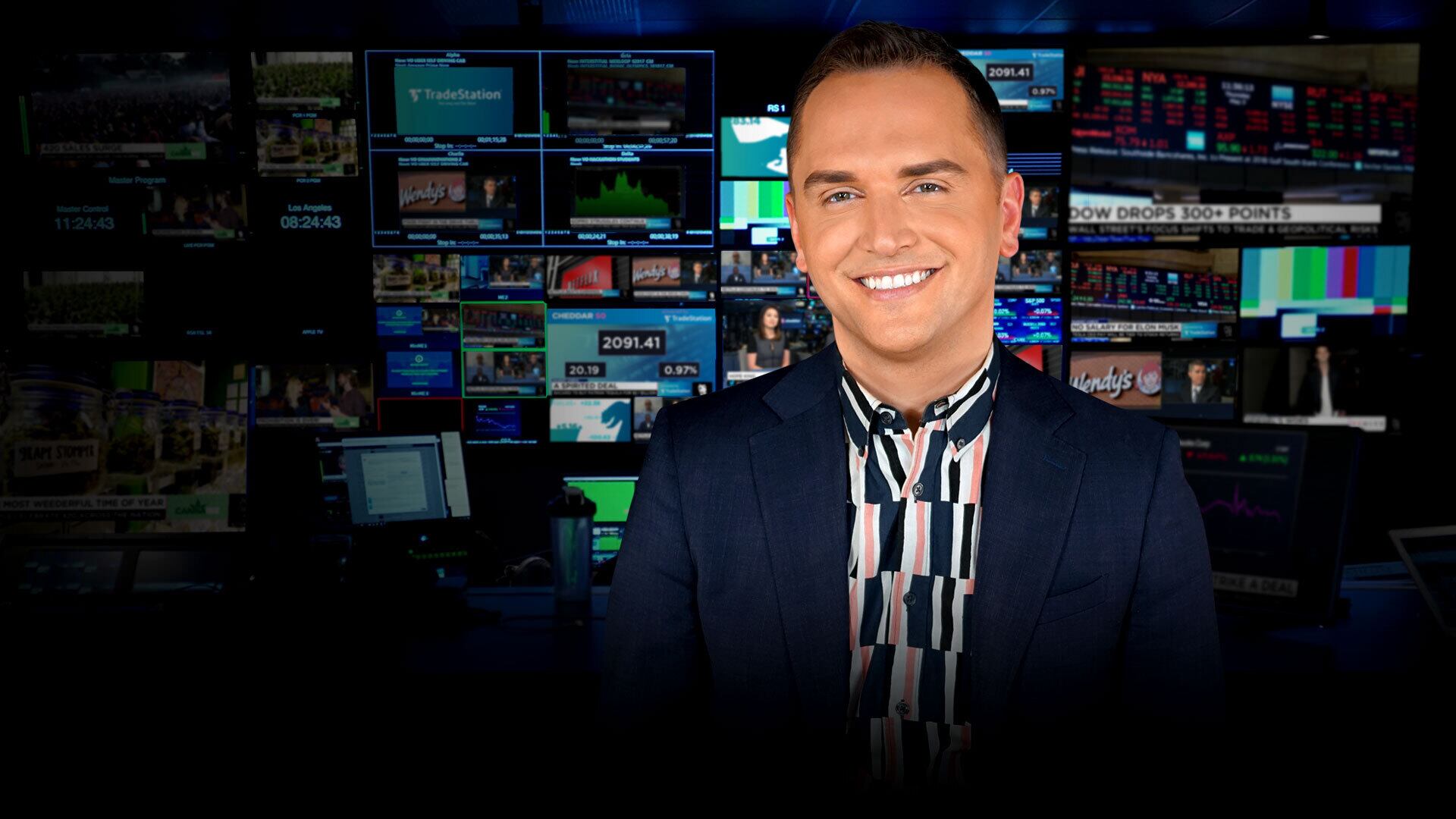
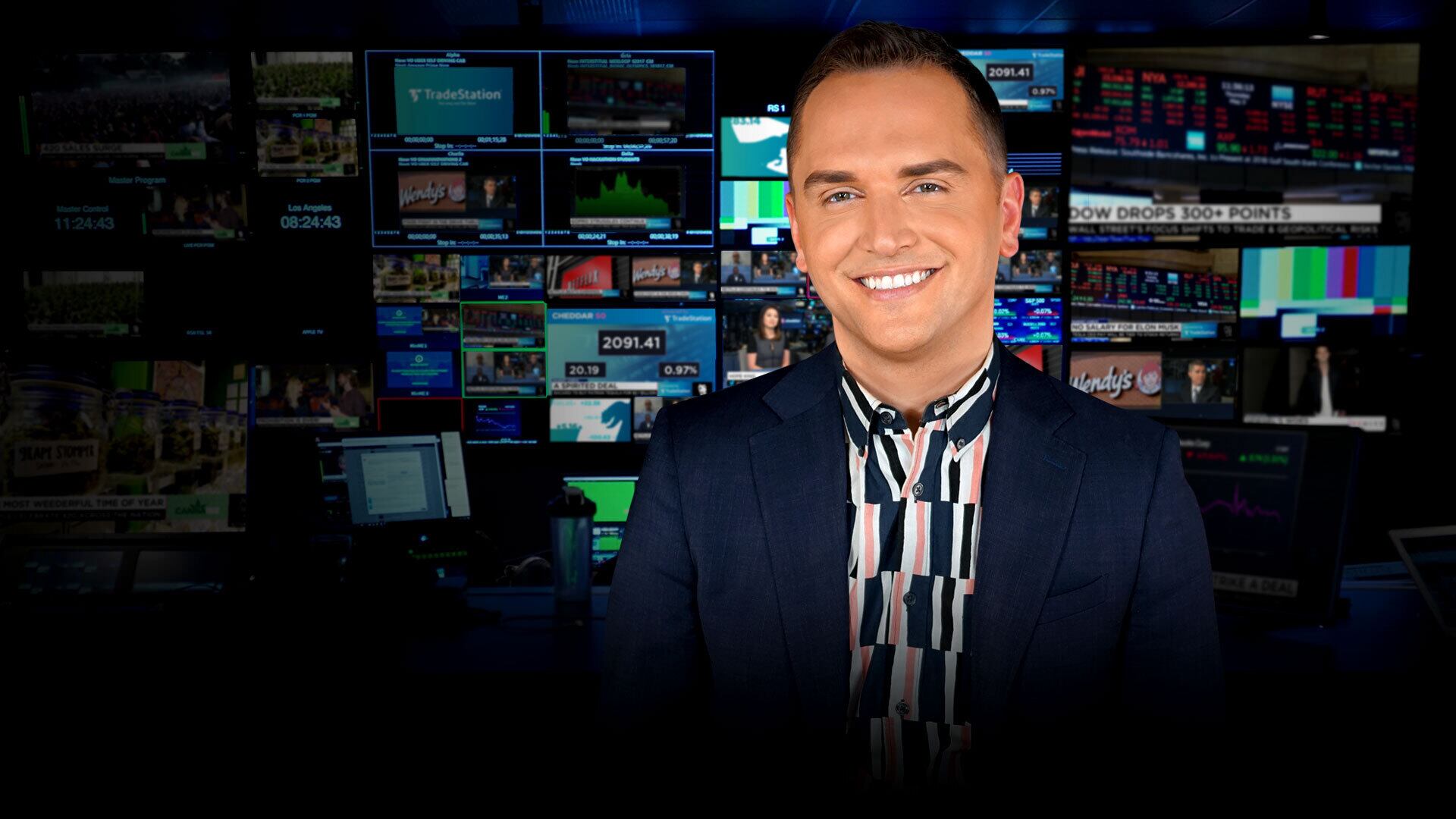
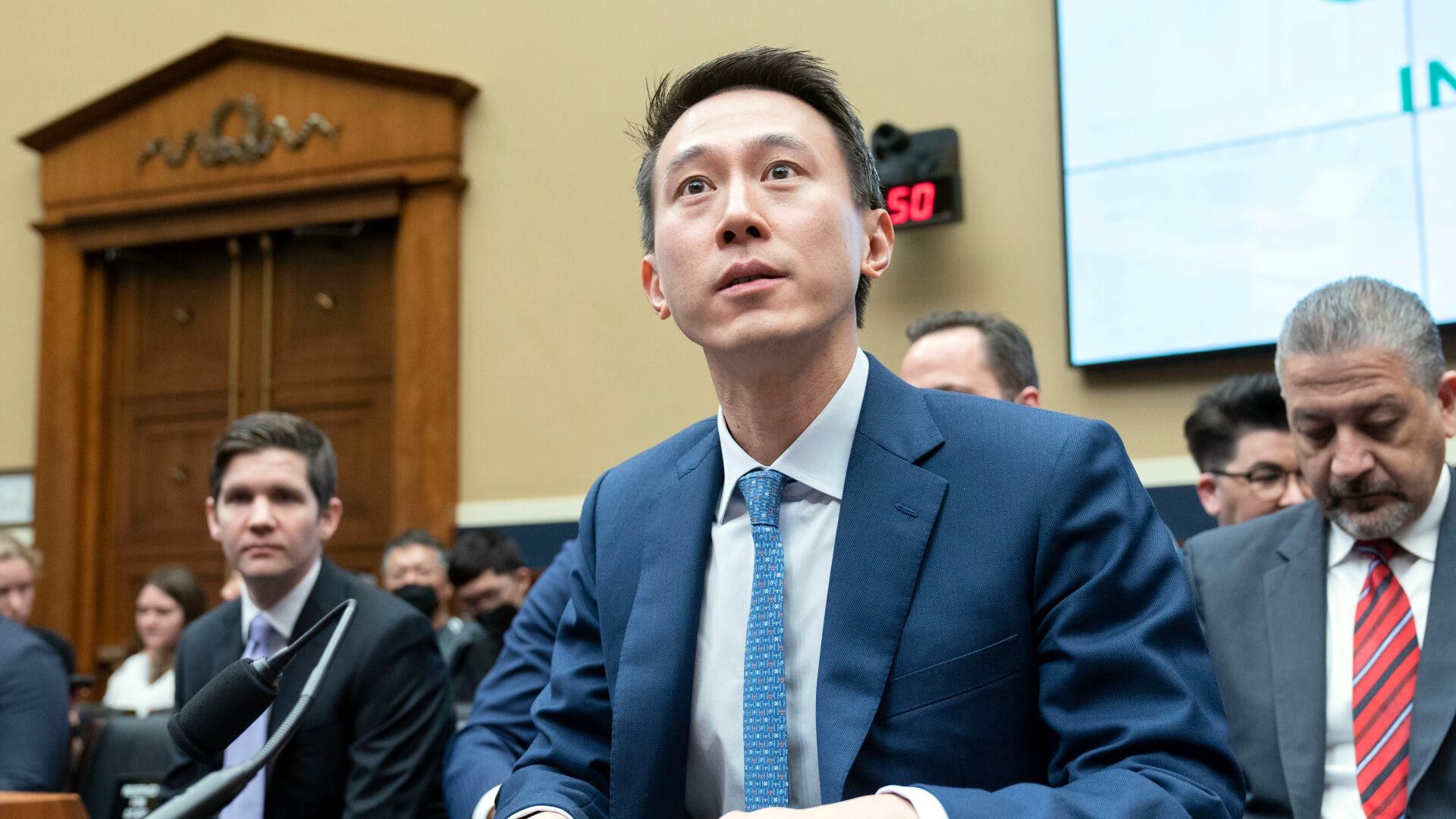
TikTok is banning deepfakes amid increasing pressure from the U.S. government over privacy and security concerns. CEO Shou Zi Chew announced the policy in a TikTok video on Tuesday two days ahead of his scheduled appearance before congress.
In the video, Chew stressed the stakes of a potential government ban on Tiktok — an idea floated by U.S. lawmakers in recent months. “Some politicians have started talking about banning TikTok," he said. "Now this could take TikTok away from all 150 million of you."
He also highlighted TikTok's updated rules and standards, which includes explicit restrictions on deepfakes (any synthetic media produced by artificially intelligent technology). Manipulated content that shows realistic scenes must now be properly labeled as fake.
“These principles are based on our commitment to uphold human rights and aligned with international legal frameworks,” said Julie de Bailliencourt, TikTok’s global head of product policy.
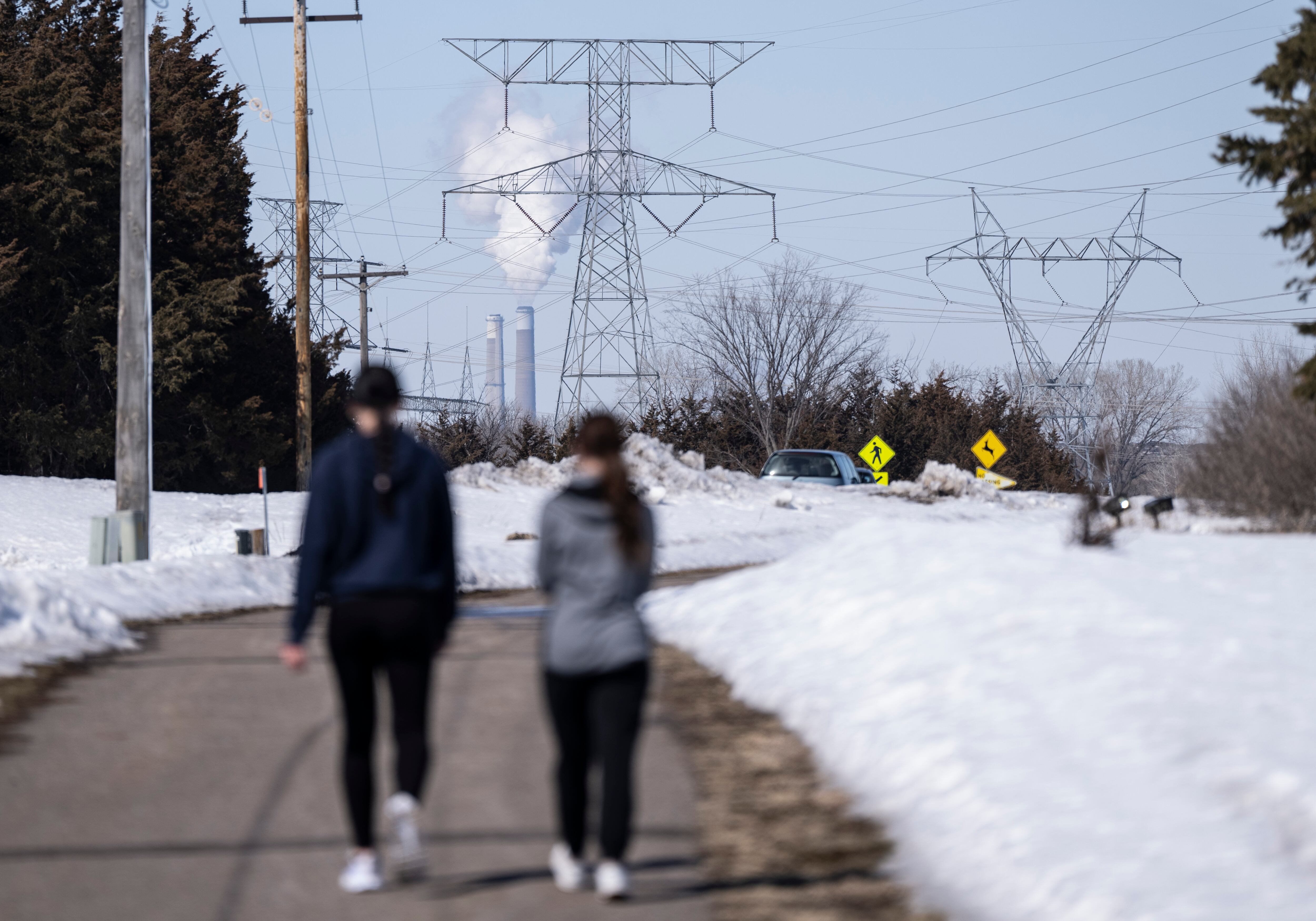
A Minnesota utility began shutting down a nuclear power plant near Minneapolis on Friday after discovering water containing a low level of radioactive material was leaking from a pipe for the second time. While the utility and health officials say it is not dangerous, the issue has prompted concerns among nearby residents and raised questions about aging pipelines.
Some parts of Twitter's source code — the fundamental computer code on which the social network runs — were leaked online, the social media company said in a legal filing that was first reported by The New York Times.
While data privacy still remains one of TikTok's biggest challenges, it may face a larger problem in order to stay in the United States: content moderation.
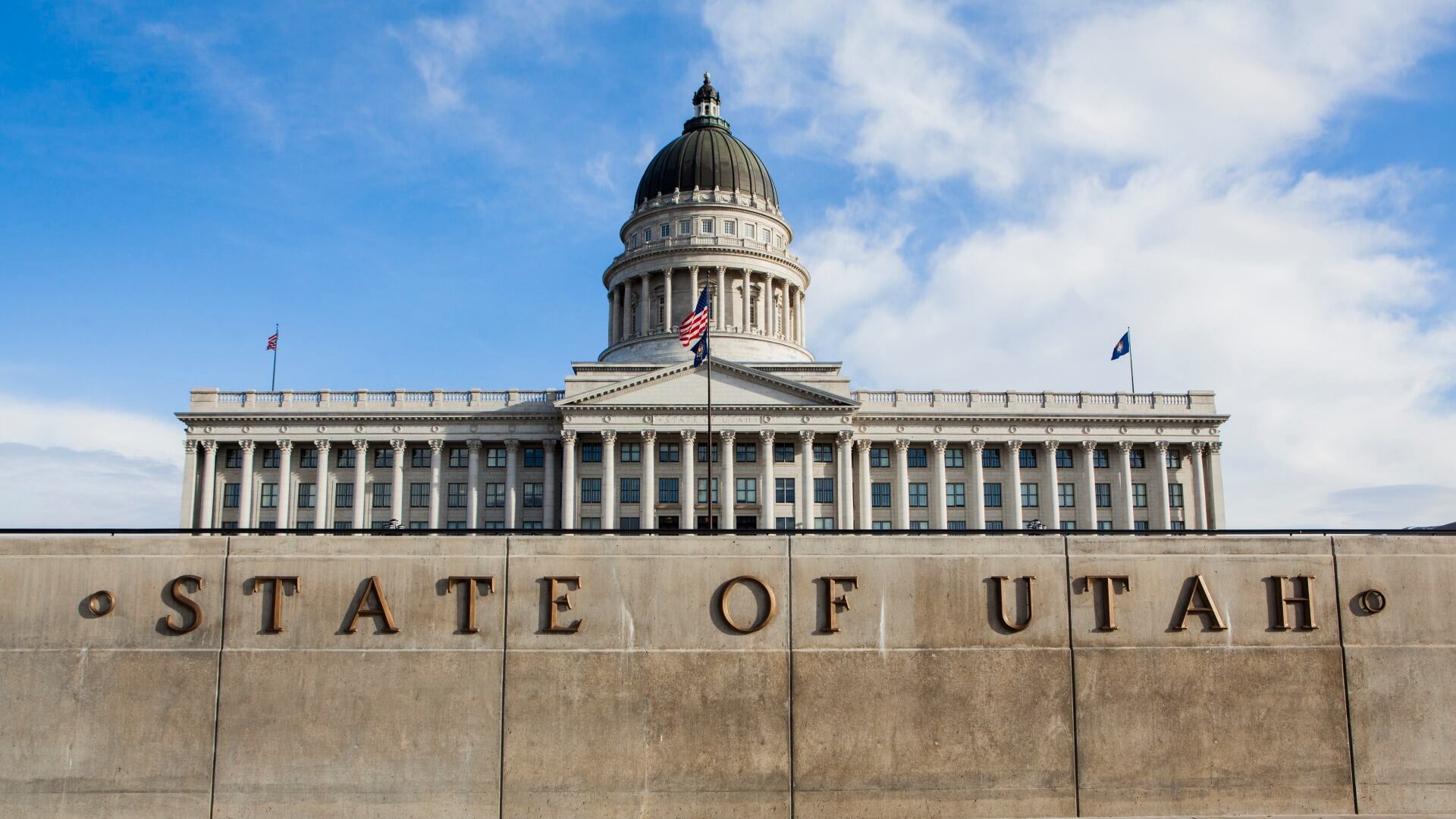
Governor Spencer Cox signed two measures restricting how easily children in the state can access platforms like TikTok and Twitter, setting the precedent in the U.S.