Survey: Small Businesses are Feeling More Optimistic, Post-Election
By Mae Anderson
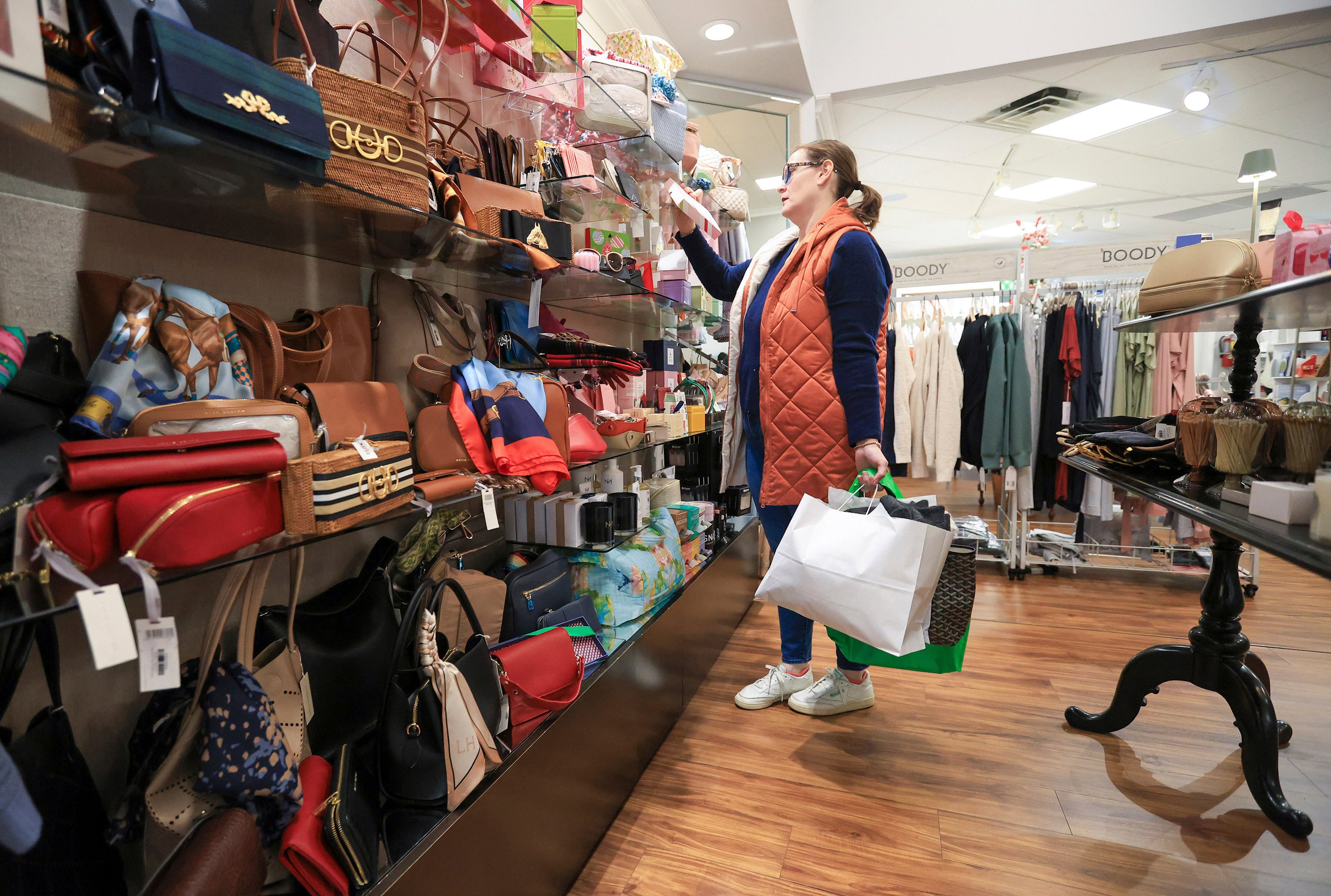
FILE - Jenna Brashear shops at Julep Home & Gift while taking advantage of Shop Small Saturday in Wesleyan Park Plaza, on Nov. 30, 2024, in Owensboro, Ky. (Greg Eans/The Messenger-Inquirer via AP, File)
A recent survey shows small business owners are feeling more optimistic about the economy following the election.
The National Federation of Independent Businesses’ Small Business Optimism Index rose by eight points in November to 101.7, its highest reading since June 2021.
The Uncertainty Index declined 12 points in November to 98, following October’s pre-election record high of 110.
NFIB Chief Economist Bill Dunkelberg said small business owners became more certain about future business conditions following the presidential election, breaking a nearly three-year streak of record high uncertainty.
“Owners are particularly hopeful for tax and regulation policies that favor strong economic growth as well as relief from inflationary pressures,” he said in a statement. “In addition, small business owners are eager to expand their operations.”
The net percent of owners expecting the economy to improve rose 41 points from October to a net 36%, the highest since June 2020.
Some owners are also hoping 2025 will be a good time to grow. The percent of small business owners believing it is a good time to expand their business rose eight points to a 14%. This is also the highest reading since June 2021.
While inflation has eased, it remains a top concern for owners. Twenty percent of owners reported that inflation was their single most important problem in operating their business (higher input and labor costs). It surpassed labor quality as the top issue by one point.
U.S. sports betting is booming as NFL and college football fuel massive activity. BetMGM CEO Adam Greenblatt breaks down trends, growth, and what’s next.
President Donald Trump says a deal struck by Netflix last week to buy Warner Bros. Discovery “could be a problem” because of the size of the combined market share. The Republican president says he will be involved in the decision about whether federal regulators should approve the deal. Trump commented Sunday when he was asked about the deal as he walked the red carpet at the Kennedy Center Honors. The $72 billion deal would bring together two of the biggest players in television and film and potentially reshape the entertainment industry.
Disney's changes to a program for disabled visitors are facing challenges in federal court and through a shareholder proposal. The Disability Access Service program, which allows disabled visitors to skip long lines, was overhauled last year. Disney now mostly limits the program to those with developmental disabilities like autism who have difficulty waiting in lines. The changes have sparked criticism from some disability advocates. A shareholder proposal submitted by disability advocates calls for an independent review of Disney's disability policies. Disney plans to block this proposal, claiming it's misleading. It's the latest struggle by Disney to accommodate disabled visitors while stopping past abuses by some theme park guests.
With a merger this big, creators, studios, and theaters all face uncertain futures. Here’s what experts are worried about and what good could come from it.
With disengagement rising and hybrid work shifting, 'Everybody Matters' author Bob Chapman explains why treating people well could define the future of work.
We sat down with Ali Furman, U.S. Consumer Markets Industry Leader at consulting firm PwC to ask what trends she garnered from the initial data this year.
Seth Schachner breaks down Zootopia 2’s record-smashing debut, holiday box office trends, early 2026 Oscar contenders, and what’s next for Netflix and WBD.