By Mark Sherman
A sharply divided Supreme Court on Friday effectively killed President Joe Biden’s $400 billion plan to cancel or reduce federal student loan debts for millions of Americans. “This fight is not over,” he said.
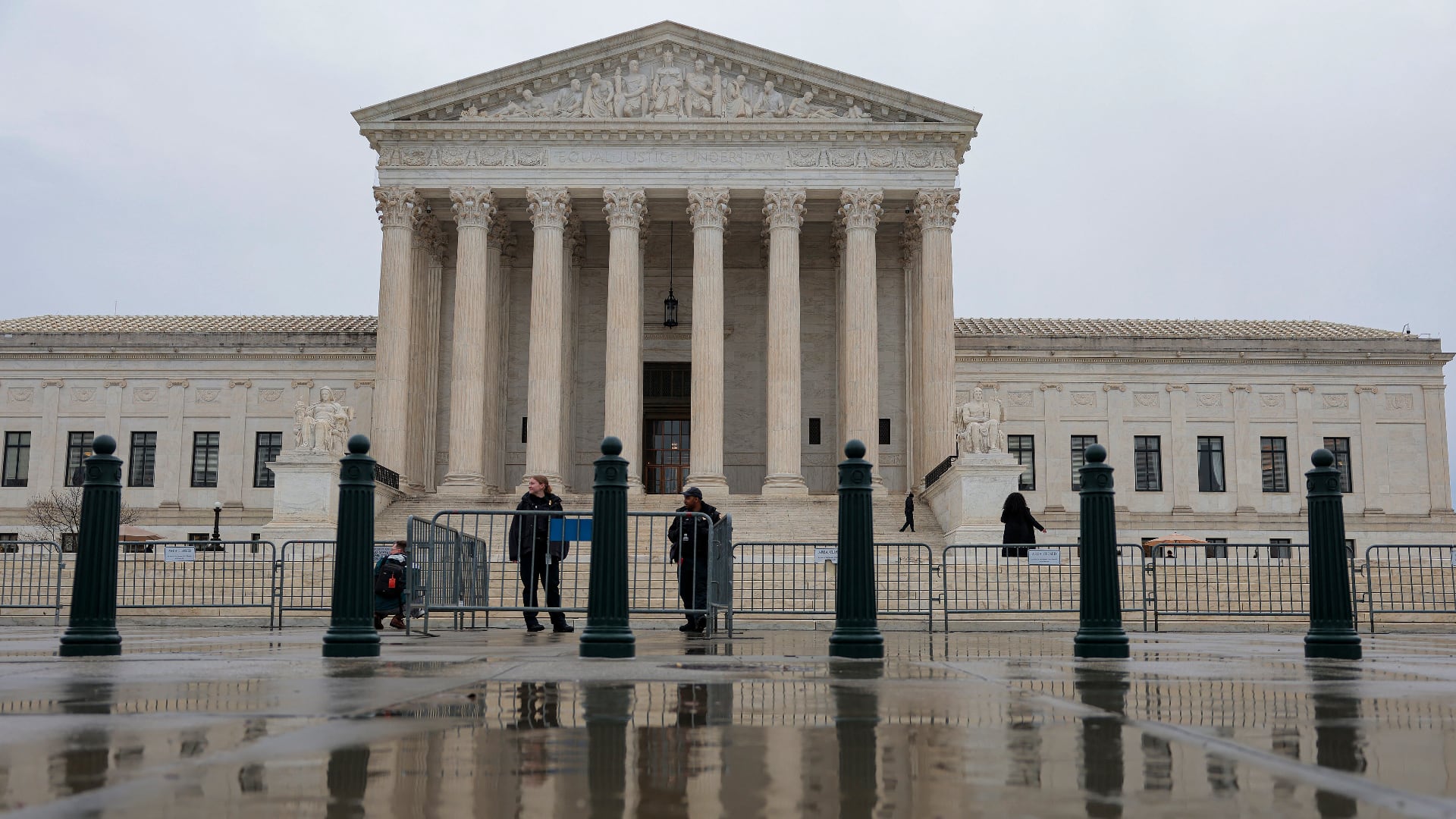
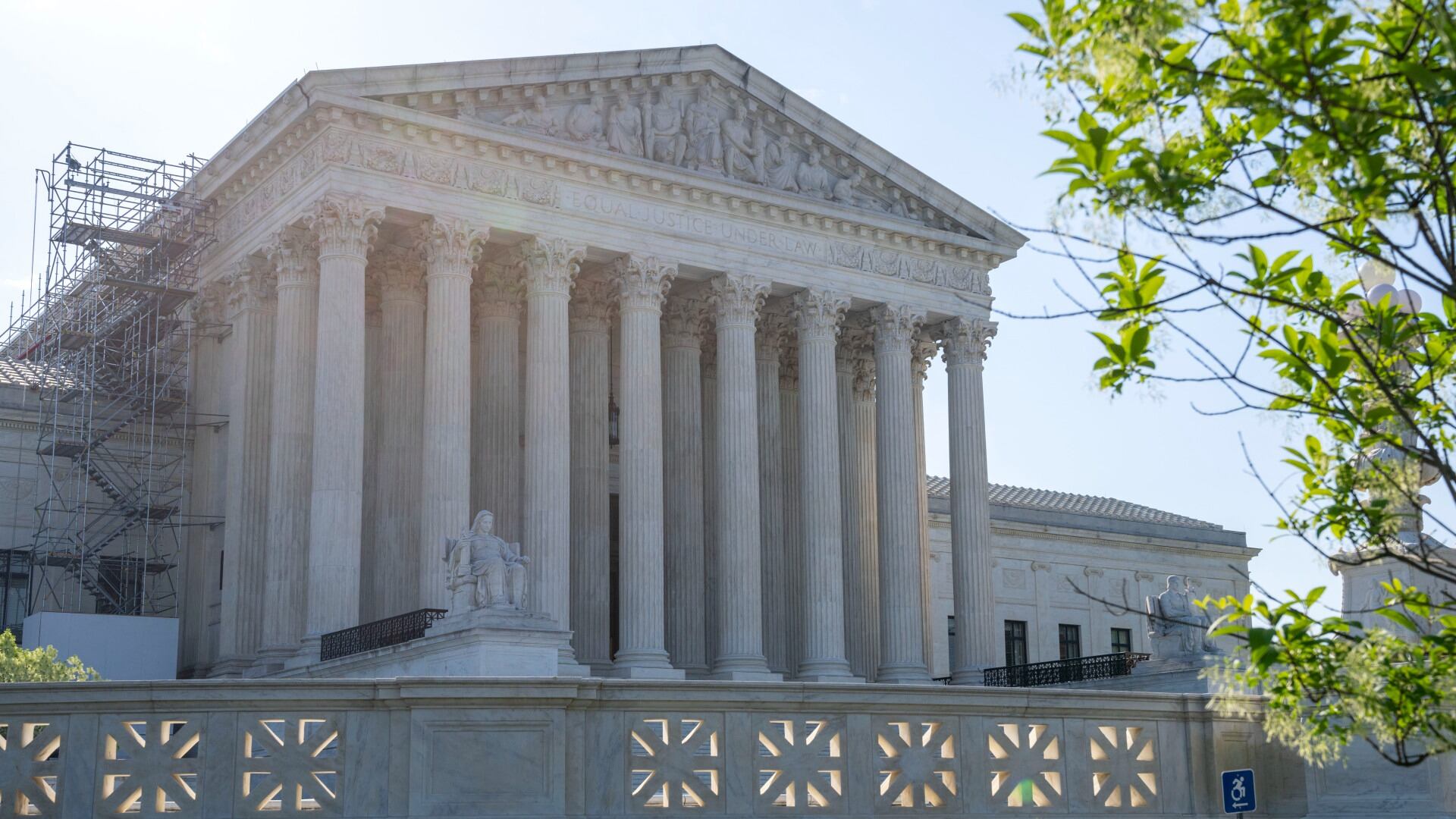
The 6-3 decision, with conservative justices in the majority, said the Biden administration overstepped its authority with the plan, and it leaves borrowers on the hook for repayments that are expected to resume in the fall.
Biden was to announce a new set of actions to protect student loan borrowers later Friday, according to a White House official who was not authorized to speak publicly beforehand and discussed the matter on condition of anonymity. The president said in a statement the ruling was wrong and accused Republicans of “stunning" hypocrisy on the issue.
The court held that the administration needed Congress' endorsement before undertaking so costly a program. The majority rejected arguments that a bipartisan 2003 law dealing with national emergencies, known as the HEROES Act, gave Biden the power he claimed.
“Six States sued, arguing that the HEROES Act does not authorize the loan cancellation plan. We agree,” Chief Justice John Roberts wrote for the court.
Justice Elena Kagan, wrote in a dissent, joined by the court’s two other liberals, that the majority of the court “overrides the combined judgment of the Legislative and Executive Branches, with the consequence of eliminating loan forgiveness for 43 million Americans.” Kagan read a summary of her dissent in court to emphasize her disagreement.
Roberts, perhaps anticipating negative public reaction and aware of declining approval of the court, added an unusual coda to his opinion, cautioning that the liberals' dissent should not be mistaken for disparagement of the court itself. ”It is important that the public not be misled either. Any such misperception would be harmful to this institution and our country," the chief justice wrote.
Loan repayments will resume in October, although interest will begin accruing in September, the Education Department has announced. Payments have been on hold since the start of the coronavirus pandemic more than three years ago.
The forgiveness program would have canceled $10,000 in student loan debt for those making less than $125,000 or households with less than $250,000 in income. Pell Grant recipients, who typically demonstrate more financial need, would have had an additional $10,000 in debt forgiven.
Twenty-six million people had applied for relief and 43 million would have been eligible, the administration said. The cost was estimated at $400 billion over 30 years.
Advocacy groups supporting debt cancellation condemned the decision while demanding that Biden find another avenue to fulfill his promise of debt relief.
Natalia Abrams, president and founder of the Student Debt Crisis Center, said the responsibility for new action falls “squarely” on Biden’s shoulders. “The president possesses the power, and must summon the will, to secure the essential relief that families across the nation desperately need,” Abrams said in a statement.
The loan plan joins other pandemic-related initiatives that faltered at the Supreme Court.
Conservative majorities ended an eviction moratorium that had been imposed by the Centers for Disease Control and Prevention and blocked a plan to require workers at big companies to be vaccinated or undergo regular testing and wear a mask on the job. The court upheld a plan to require vaccinations of health-care workers.
The earlier programs were billed largely as public health measures intended to slow the spread of COVID-19. The loan forgiveness plan, by contrast, was aimed at countering the economic effects of the pandemic.
In more than three hours of arguments last February, conservative justices voiced their skepticism that the administration had the authority to wipe away or reduce student loans held by millions.
Republican-led states arguing before the court said the plan would have amounted to a “windfall” for 20 million people who would have seen their entire student debt disappear and been better off than they were before the pandemic.
Biden said GOP officials “had no problem with billions in pandemic-related loans to businesses. ... And those loans were forgiven. But when it came to providing relief to millions of hard-working Americans, they did everything in their power to stop it.”
Roberts was among those on the court who questioned whether non-college workers would essentially be penalized for a break for the college educated.
In contrast, the administration grounded the need for the sweeping loan forgiveness in the COVID-19 emergency and the continuing negative impacts on people near the bottom of the economic ladder. The declared emergency ended on May 11.
Without the promised loan relief, the administration’s top Supreme Court lawyer told the justices, “delinquencies and defaults will surge.”
At those arguments, Justice Sonia Sotomayor said her fellow justices would be making a mistake if they took for themselves, instead of leaving it to education experts, “the right to decide how much aid to give” people who would struggle if the program were struck down.
The HEROES Act — the Health and Economic Recovery Omnibus Emergency Solutions Act — has allowed the secretary of education to waive or modify the terms of federal student loans in connection with a national emergency. The law was primarily intended to keep service members from being hurt financially while they fought in wars in Afghanistan and Iraq.
Biden had once doubted his own authority to broadly cancel student debt, but announced the program last August. Legal challenges quickly followed.
The court majority said the Republican-led states had cleared an early hurdle that required them to show they would be financially harmed if the program had been allowed to take effect.
The states did not even rely on any direct injury to themselves, but instead pointed to the Missouri Higher Education Loan Authority, a state-created company that services student loans.
Nebraska Solicitor General James Campbell, arguing before the court in February, said the Authority would lose about 40% of its revenues if the Biden plan went into effect. Independent research has cast doubt on the financial harm MOHELA would face, suggesting that the agency would still see an increase in revenue even if Biden’s cancellation went through. That information was not part of the court record.
A federal judge initially found that the states would not be harmed and dismissed their lawsuit before an appellate panel said the case could proceed.
In a second case, the justices ruled unanimously that two Texans who filed a separate challenge did not have legal standing to sue. But the outcome of that case has no bearing on the court's decision to block the debt relief plan.
Associated Press writers Collin Binkley, Colleen Long and Darlene Superville contributed to this report.
Updated with additional details.
Read the full decision:
Related Stories:
Supreme Court Rules for Christian Designer Who Objects to Making Gay Couples’ Wedding Websites
Supreme Court Strikes Down Affirmative Action in College Admissions, Says Race Cannot Be a Factor