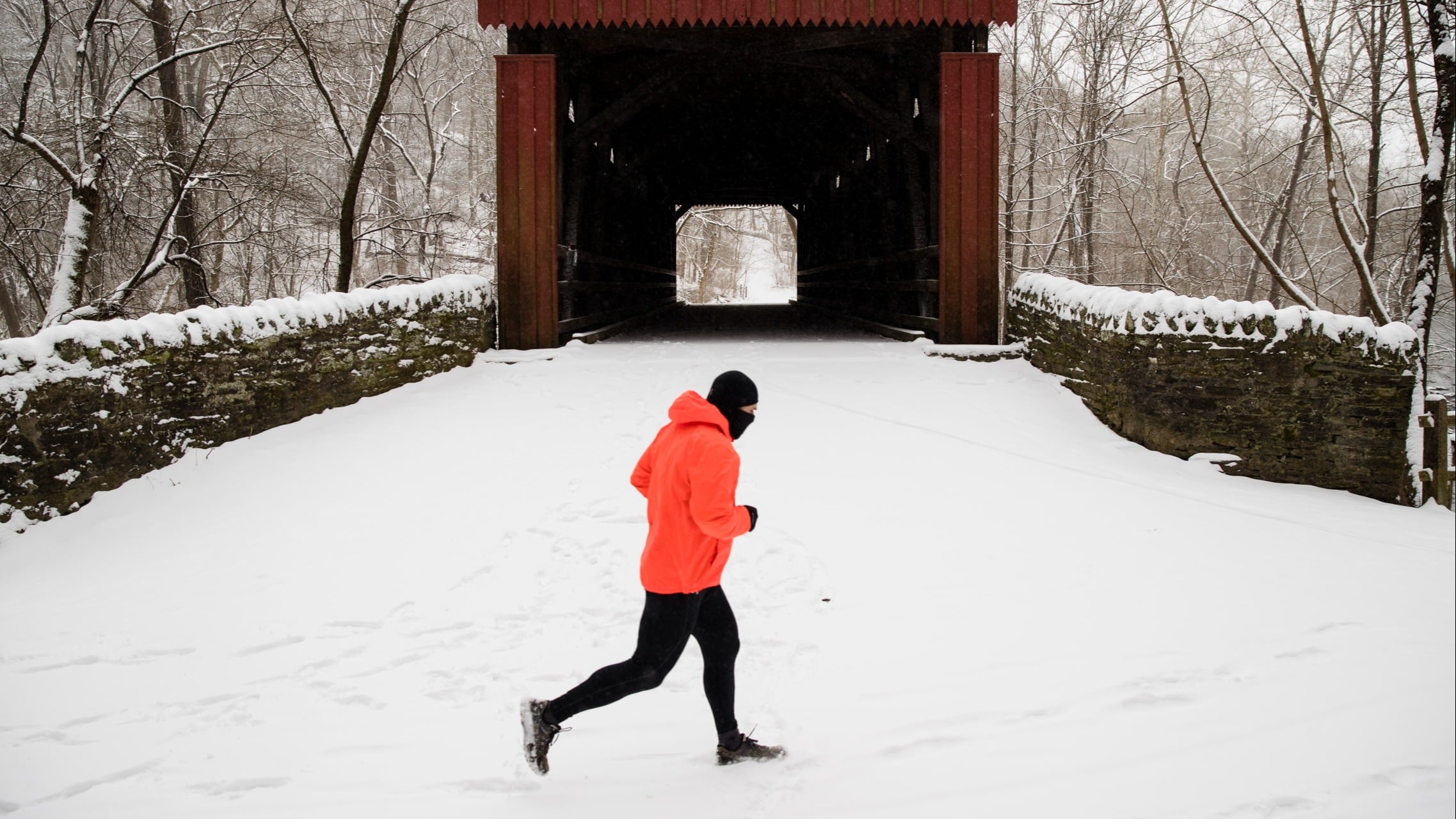
A jogger runs by to the Thomas Mill Covered Bridge at Fairmount Park as snow falls, Wednesday, Feb. 20, 2019, in Philadelphia. (AP Photo/Matt Rourke)
Philadelphia City Council passed legislation to ban ski masks in some public spaces, a measure supporters say will increase public safety amid high violent crime, but opponents argue it will unfairly target people without proof of any wrongdoing.
The legislation passed on Thursday with a 13-2 vote, and now goes to Democratic Mayor Jim Kenney. A spokesperson said he would review the legislation and "looks forward to our ongoing work with City Council on the urgent matter of ensuring public safety.”
The measure would ban ski masks, or balaclavas, in public spaces like schools, recreation centers, parks, city-owned buildings and on public transportation. It defines the garment as a close-fitting covering over the whole head, with holes only for the eyes, nose, or mouth.
A $250 fine would be imposed against anyone who violates the law. It has exceptions for religious garb and protests.
The legislation comes as the nation’s sixth-largest city has been beleaguered by violent crime, tallying a record number of homicides in 2021, most of them gun-related. That number fell from 562 to 516 in 2022 but was still higher than pre-pandemic levels, and advocates have said they are on track to decrease further this year.
Big cities across the nation experienced spikes in crime as social supports were upended during the pandemic, though crime has started to decrease to pre-pandemic levels.
Philadelphia's move goes in the opposite direction to New York City, which relaxed a law that prohibited masks, during the COVID-19 pandemic.
In 2020, New York City repealed a more than century-old law that prohibited face coverings in public. It was meant to permit mask-wearing during the coronavirus outbreak. Supporters of the repeal said the former law also exposed men of color to police harassment and was used against protesters during demonstrations.
Concerns about theft, even as crime decreases in the city, pushed Mayor Eric Adams, a former police officer, to suggest storeowners should refuse to admit anyone wearing a mask unless it was lowered to be picked up by store cameras.
Philadelphia’s ban cites an increase in those casually wearing ski masks in 2020 — during the beginning of the pandemic — alongside a rise in individuals sought by Philadelphia police. The ski masks conceal people’s identities, making it harder for the police to identify them, supporters say. Messages were left for the bill’s sponsor, Councilman Anthony Phillips.
But it drew sharp opposition from some progressive members of Council and the ACLU of Pennsylvania, which said there was no evidence to support that ski masks cause or encourage crime.
“Giving police the authority to stop civilians without suspicion of unlawful activity is unconstitutional,” Solomon Furious Worlds, an attorney for the ACLU, said in a statement.
The ban is part of a larger puzzle the Democrats are grappling with: balancing accountability after protests against police brutality, while trying to address community concerns about safety.
Mayor-elect Cherelle Parker won election with a tough-on-crime approach, vowing to put hundreds of officers on the street, embedded within communities.
She’s drawn criticism for her stance that officers should use “reasonable suspicion” to stop people — which opponents feel comes uncomfortably close to the controversial stop-and-frisk tactic. She recently tapped longtime police official Kevin Bethel as her police commissioner, saying he had the experience to restore order while holding police accountable.
Markets opened higher as investors react to positive data on the labor front, with weekly jobless claims falling to 198,000 for the week ending December 25. Ross Mayfield, investment strategy analyst at Baird joined Cheddar's Opening Bell to discuss the market open.
U.S. officials spoke to Russian leaders for nearly eight hours earlier this week, in hopes of reducing tensions between Russia and Ukraine. Russia forced the west to the negotiating table by massing 100,000 troops near the Ukrainian border, sparking fears of an invasion, and then submitted a set of demands which the west rejected. Joel Rubin, former Deputy Assistant Secretary of State & President at Washington Strategy Group explains what the rest of the week might look like, and why other European nations may be on the side of the U.S.
Chicago schools opened their doors again following a dispute between the teachers union and the city over as the omicron variant continues to surge, but the safety issues they fought over weren't just limited to the Windy City. Dr. Bayo Curry-Winchell, family medicine and urgent care doctor, joined Cheddar in discussing concerns of parents, teachers, and students as schools try to operate amid COVID and noted what she's been observing as the number of infections among children rises. "I am seeing them contract the illness from so many different aspects," she said. "It could be from a fellow classmate. It could be from a parent. All of those things really play in the effect of transmission as well as contracting the illness."
Sen. John Hickenlooper (D-Colo.) is looking for clarification about a federal standard regarding THC impairment while driving. "I think in terms of marijuana, the fact that it's still a Schedule 1 narcotic — it's treated the same as heroin and cocaine — it means that we can't get standards developed," he said about the lack of cohesive regulations. The lawmaker also explained his previous opposition to cannabis legalization in Colorado when he was governor and why his position changed.
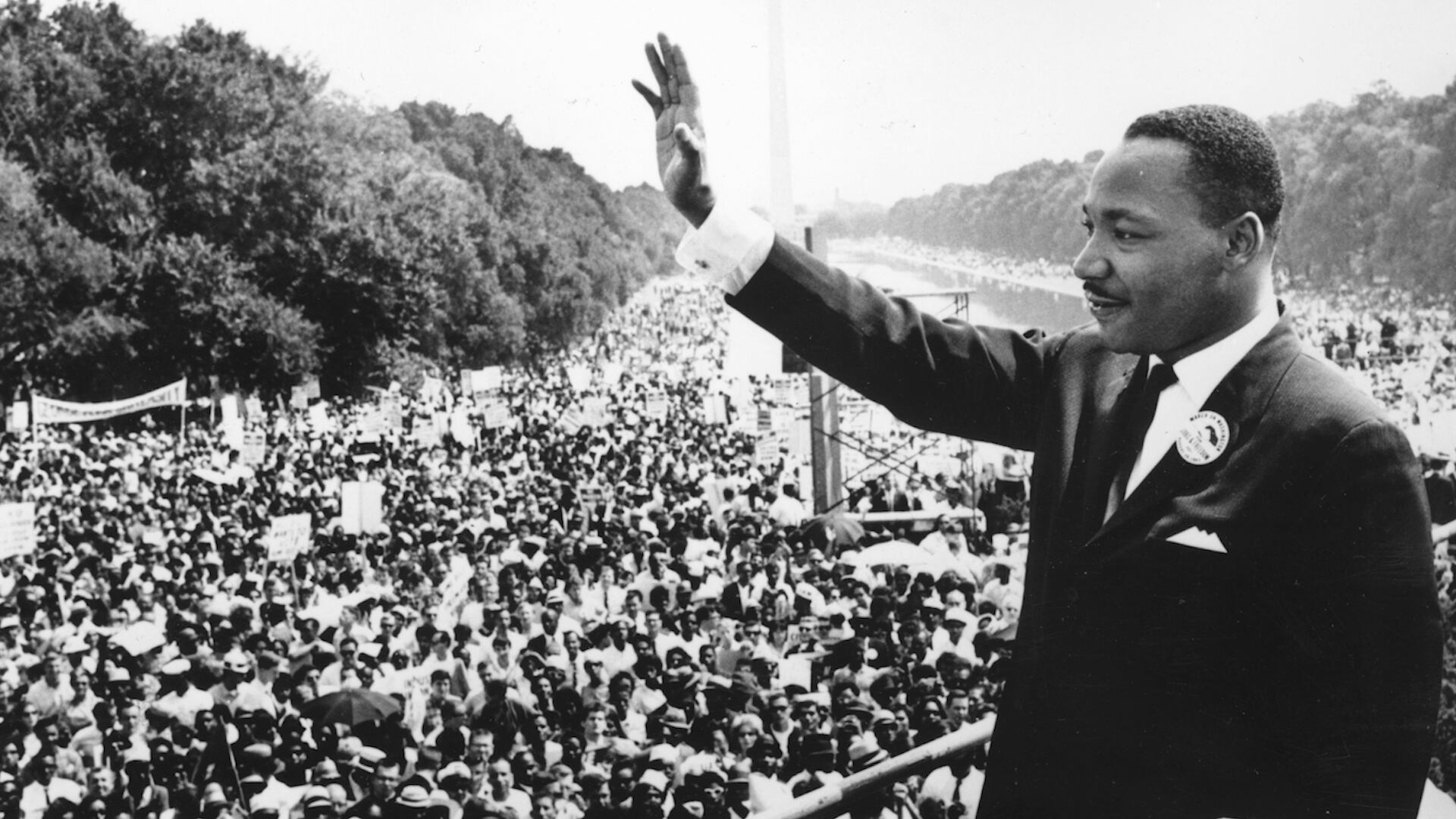
With Martin Luther King Jr. Day fast approaching, Rep. James Clyburn (D-S.C. 6th District), the House Majority Whip, talked about the importance of honoring the iconic civil rights activist. "As we consider the life and celebrate the legacy of Martin Luther King Jr., let's think about who and what we are as a country, and whether or not we're going to give up on the ideals of this country or continue to press forward," he said. Clyburn also discussed the push for new voting legislation, the For the People Act and the John Lewis Act, as well as the fate of the Senate filibuster.
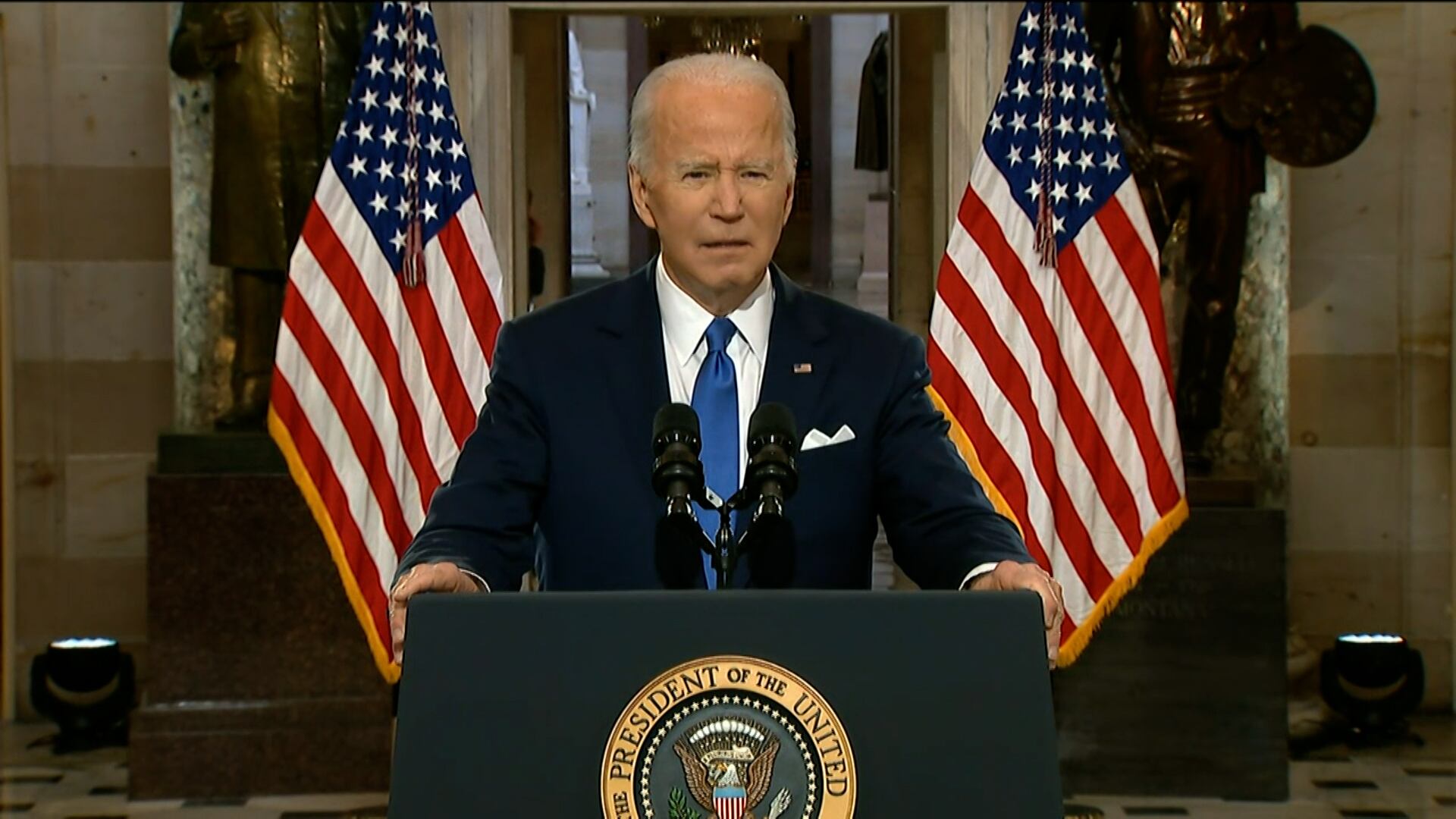
One year after the attack on Capitol Hill, America is still deeply divided and politically broken. Zoe Tillman, senior reporter for BuzzFeed News, breaks down President Biden's remarks on January 6, and why the country disagrees on its views over the violent insurrection.
While the pandemic caused financial troubles for many, the unique circumstances of the last two years proved helpful to many Americans. Whether it was the federal government's stimulus checks, expanded unemployment insurance, or general lockdowns, recent data reveals that the covid-19 pandemic helped many reach financial security. Neale Godfrey, Financial Expert and New York Times #1 Best Selling Author joined Cheddar's Opening Bell to discuss.
U.S. markets opened higher despite red-hot inflation data which showed the highest surge in nearly 40 years. Jon Maier, CIO, GlobalX ETFs joined Cheddar's Opening Bell to discuss this historic report.
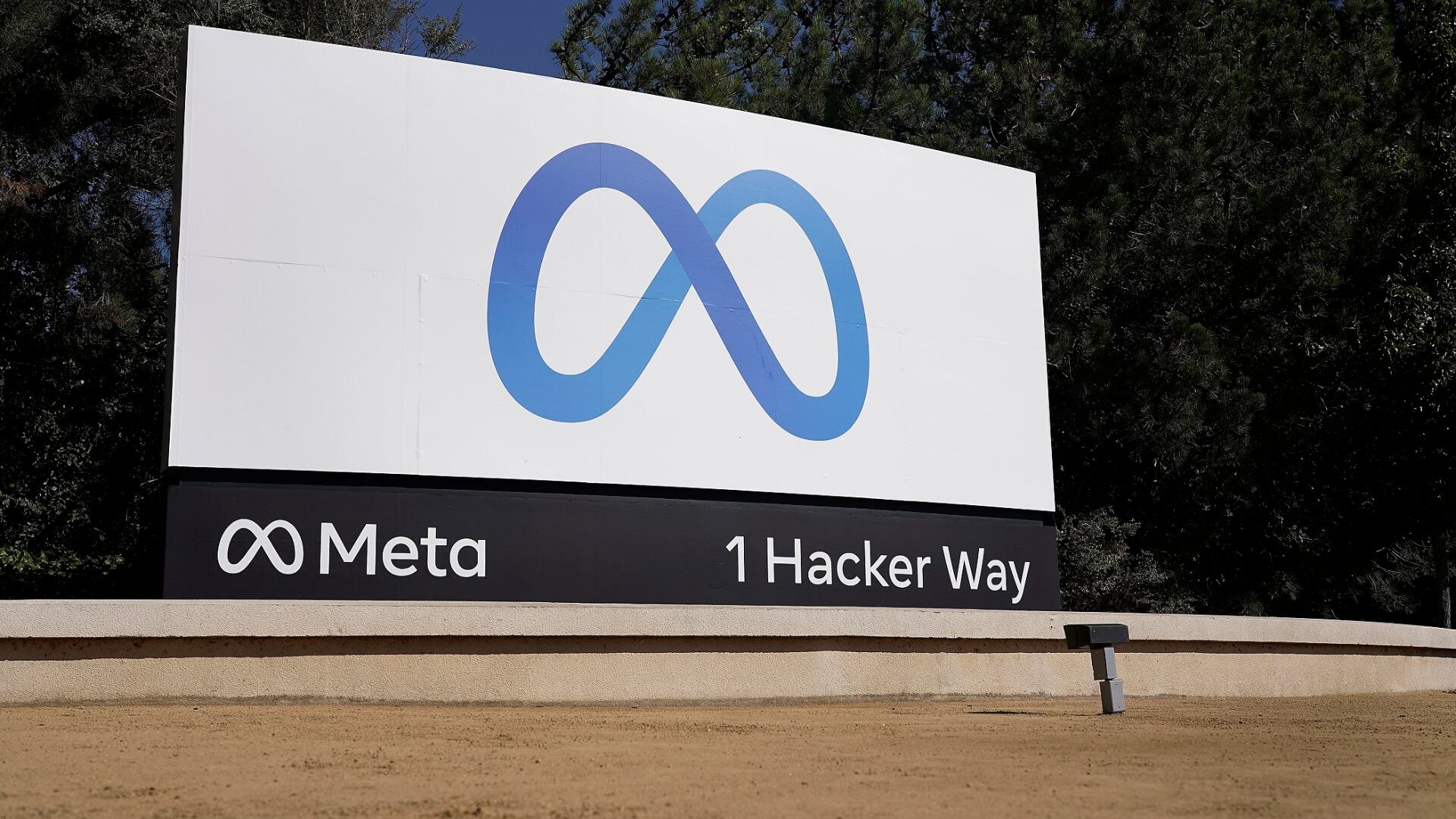
Meta's request to have a Federal Trade Commission antitrust lawsuit dismissed was rejected by a federal judge. Prosecutors presented enough evidence in their latest filing to go forward with the case accusing the tech giant of operating a social networking monopoly through Facebook, Instagram, and WhatsApp.
Covid cases have started to spike again across the nation, and this time they seem to be hitting some of our youngest and most vulnerable - school-aged children. School districts across the nation - including the country's largest public school system in New York City- are all grappling with what to do as teachers and students alike continue to miss school in droves.
Katie Honan, reporter for the New York City-based non profit news organization, The City explains how educational leaders across the country are handling covid demands from both teachers and parents alike.