A jogger runs by to the Thomas Mill Covered Bridge at Fairmount Park as snow falls, Wednesday, Feb. 20, 2019, in Philadelphia. (AP Photo/Matt Rourke)
Philadelphia City Council passed legislation to ban ski masks in some public spaces, a measure supporters say will increase public safety amid high violent crime, but opponents argue it will unfairly target people without proof of any wrongdoing.
The legislation passed on Thursday with a 13-2 vote, and now goes to Democratic Mayor Jim Kenney. A spokesperson said he would review the legislation and "looks forward to our ongoing work with City Council on the urgent matter of ensuring public safety.”
The measure would ban ski masks, or balaclavas, in public spaces like schools, recreation centers, parks, city-owned buildings and on public transportation. It defines the garment as a close-fitting covering over the whole head, with holes only for the eyes, nose, or mouth.
A $250 fine would be imposed against anyone who violates the law. It has exceptions for religious garb and protests.
The legislation comes as the nation’s sixth-largest city has been beleaguered by violent crime, tallying a record number of homicides in 2021, most of them gun-related. That number fell from 562 to 516 in 2022 but was still higher than pre-pandemic levels, and advocates have said they are on track to decrease further this year.
Big cities across the nation experienced spikes in crime as social supports were upended during the pandemic, though crime has started to decrease to pre-pandemic levels.
Philadelphia's move goes in the opposite direction to New York City, which relaxed a law that prohibited masks, during the COVID-19 pandemic.
In 2020, New York City repealed a more than century-old law that prohibited face coverings in public. It was meant to permit mask-wearing during the coronavirus outbreak. Supporters of the repeal said the former law also exposed men of color to police harassment and was used against protesters during demonstrations.
Concerns about theft, even as crime decreases in the city, pushed Mayor Eric Adams, a former police officer, to suggest storeowners should refuse to admit anyone wearing a mask unless it was lowered to be picked up by store cameras.
Philadelphia’s ban cites an increase in those casually wearing ski masks in 2020 — during the beginning of the pandemic — alongside a rise in individuals sought by Philadelphia police. The ski masks conceal people’s identities, making it harder for the police to identify them, supporters say. Messages were left for the bill’s sponsor, Councilman Anthony Phillips.
But it drew sharp opposition from some progressive members of Council and the ACLU of Pennsylvania, which said there was no evidence to support that ski masks cause or encourage crime.
“Giving police the authority to stop civilians without suspicion of unlawful activity is unconstitutional,” Solomon Furious Worlds, an attorney for the ACLU, said in a statement.
The ban is part of a larger puzzle the Democrats are grappling with: balancing accountability after protests against police brutality, while trying to address community concerns about safety.
Mayor-elect Cherelle Parker won election with a tough-on-crime approach, vowing to put hundreds of officers on the street, embedded within communities.
She’s drawn criticism for her stance that officers should use “reasonable suspicion” to stop people — which opponents feel comes uncomfortably close to the controversial stop-and-frisk tactic. She recently tapped longtime police official Kevin Bethel as her police commissioner, saying he had the experience to restore order while holding police accountable.
Tech giants Meta, Amazon, Alphabet, and Apple are faced with a bipartisan antitrust legislation effort underway in the Senate Judiciary Committee. The companies stand accused of promoting their own goods and services over smaller competitors on their platforms, holding too much monopolistic power via their app stores and services. Adam Kovacevich, founder and CEO of Chamber of Progress, a technology industry trade group, joined Cheddar to argue that the bills that are being debated currently could end up hurting consumers, rather than helping.
Concerns over inflation have become one of the biggest worries for executives. A survey from The Conference Board shows that more than 900 CEOs consider inflation a top tier concern, a major shift from last year's survey that had it as a low-level concern. Rebecca Ray, Executive Vice President, Human Capital, The Conference Board joined Cheddar's Opening Bell for more.
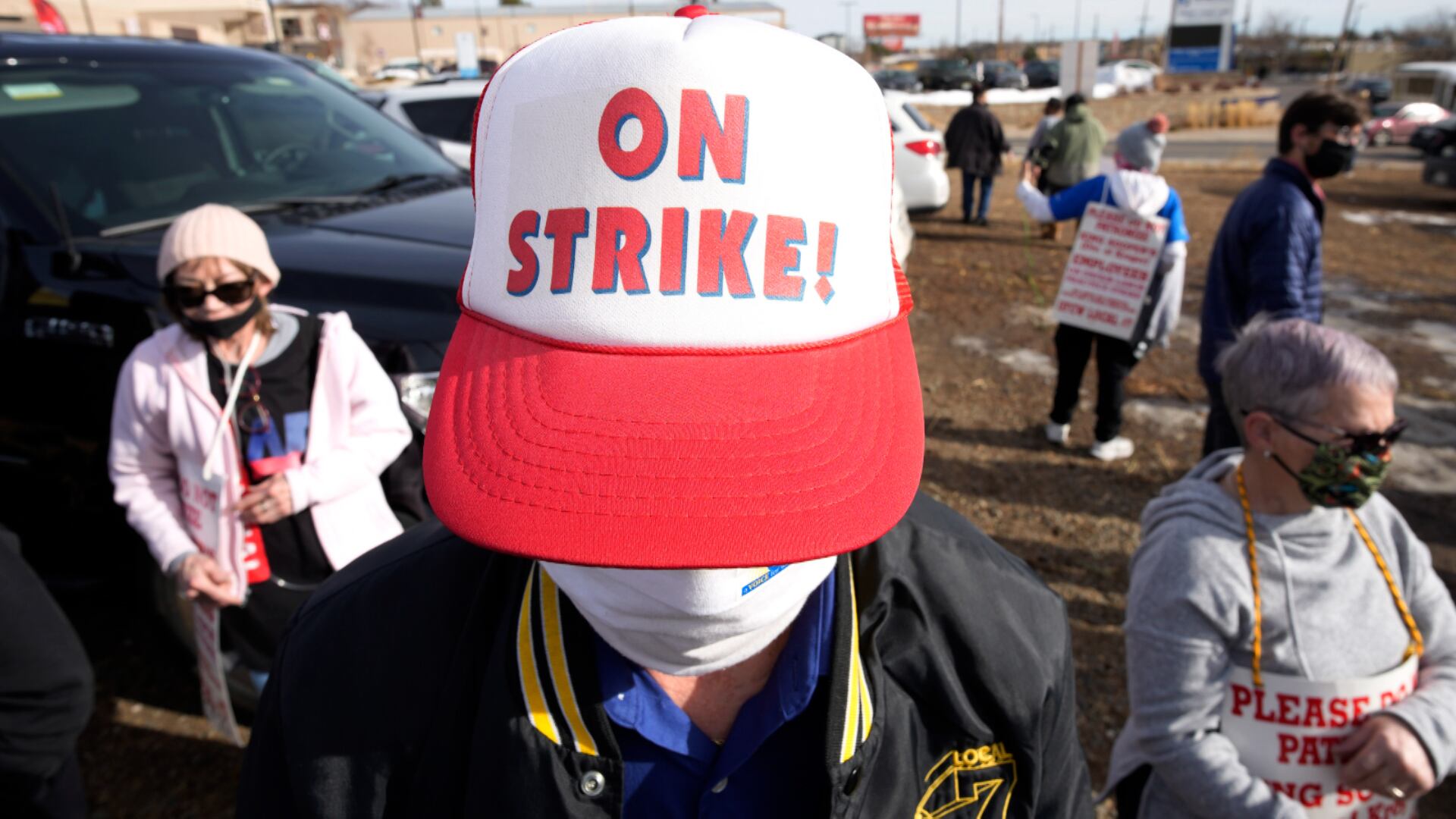
Jordan Zakarin, Media Producer at A More Perfect Union, joined Cheddar News to break down the latest from Colorado, where at least 8,700 Kroger employees walked off the job in demand of increased benefits and wages.
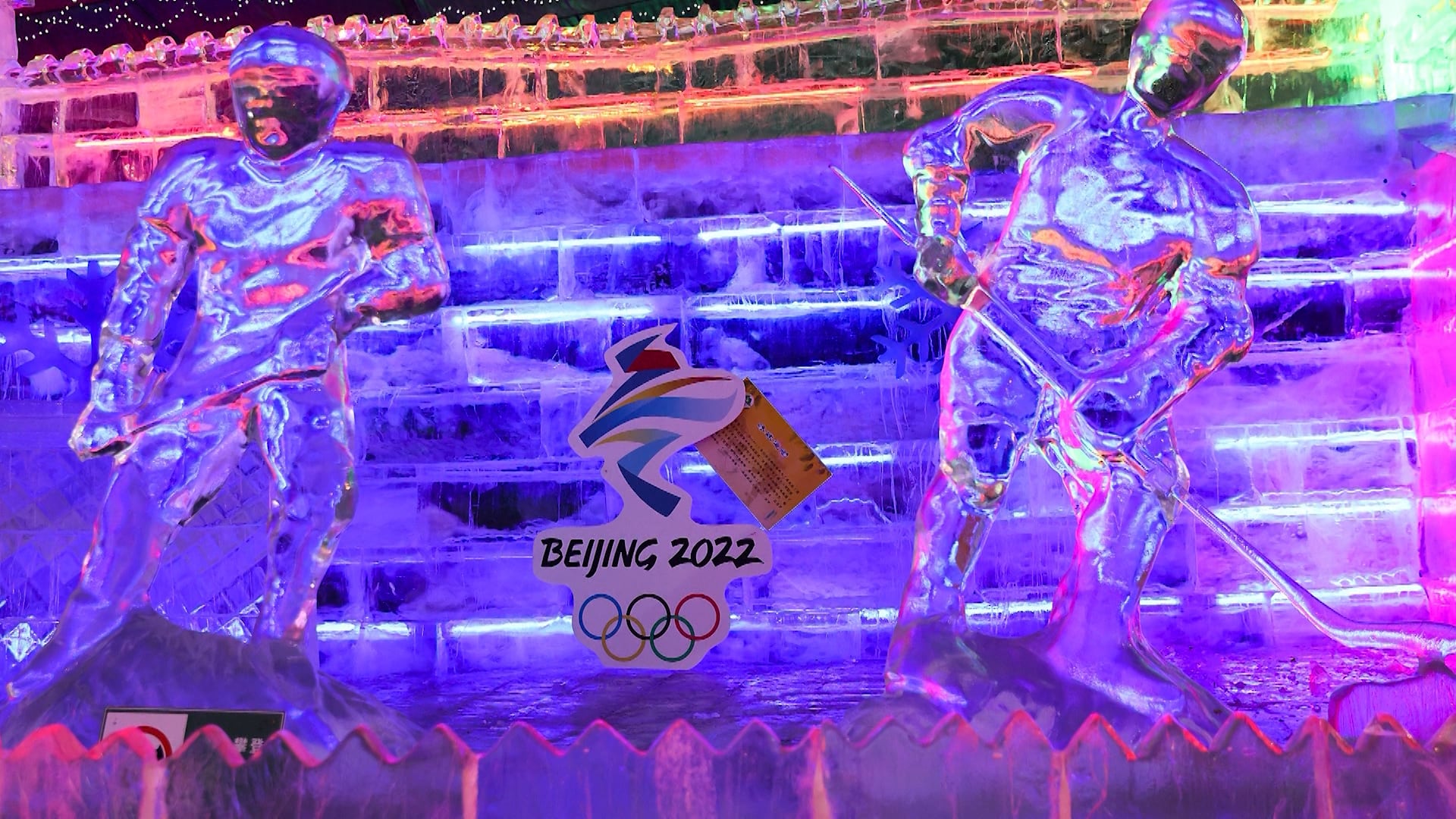
With the 2022 Winter Olympics in Beijing rapidly approaching, clouds of controversy continue to swirl around China's treatment of the Uyghur Muslim minority population, its surveillance state, and security for visiting athletes. Phelim Kine, China correspondent for Politico, joined Cheddar to break down the big storylines surrounding the Beijing Games and highlight what he saw as the complete disregard by top corporate sponsors like P&G, Airbnb, Intel, Visa, and Coca-Cola, for the controversies. "They spend $100 million for every Olympics that they sponsor, and they have frankly shown absolute willful indifference to any type of entreaty to essentially be more vocal about their concerns about human rights in China," he said. Kine also touched on the data privacy fears for athletes as visiting contingents are being told to carry burner phones to avoid security risks.
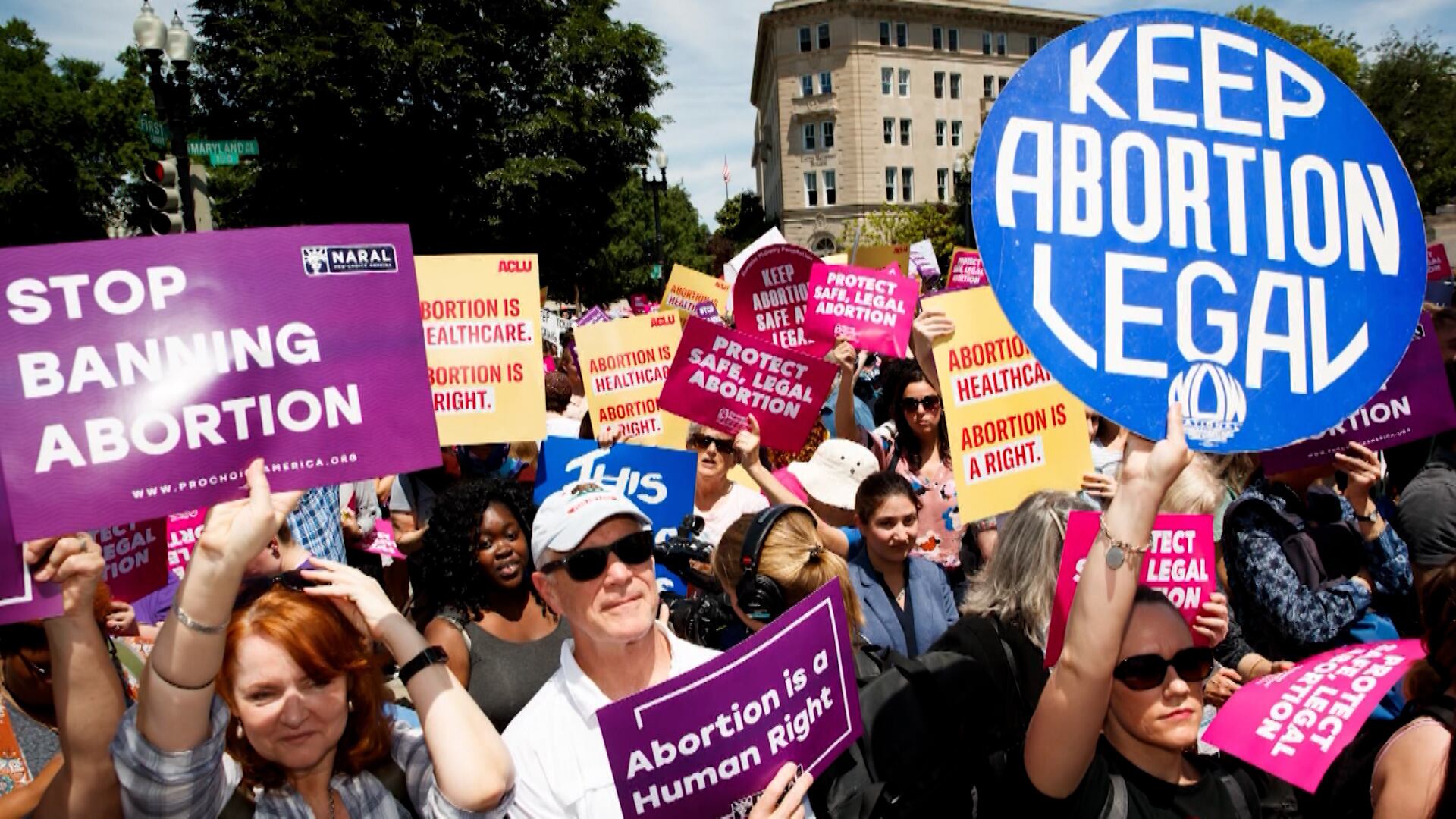
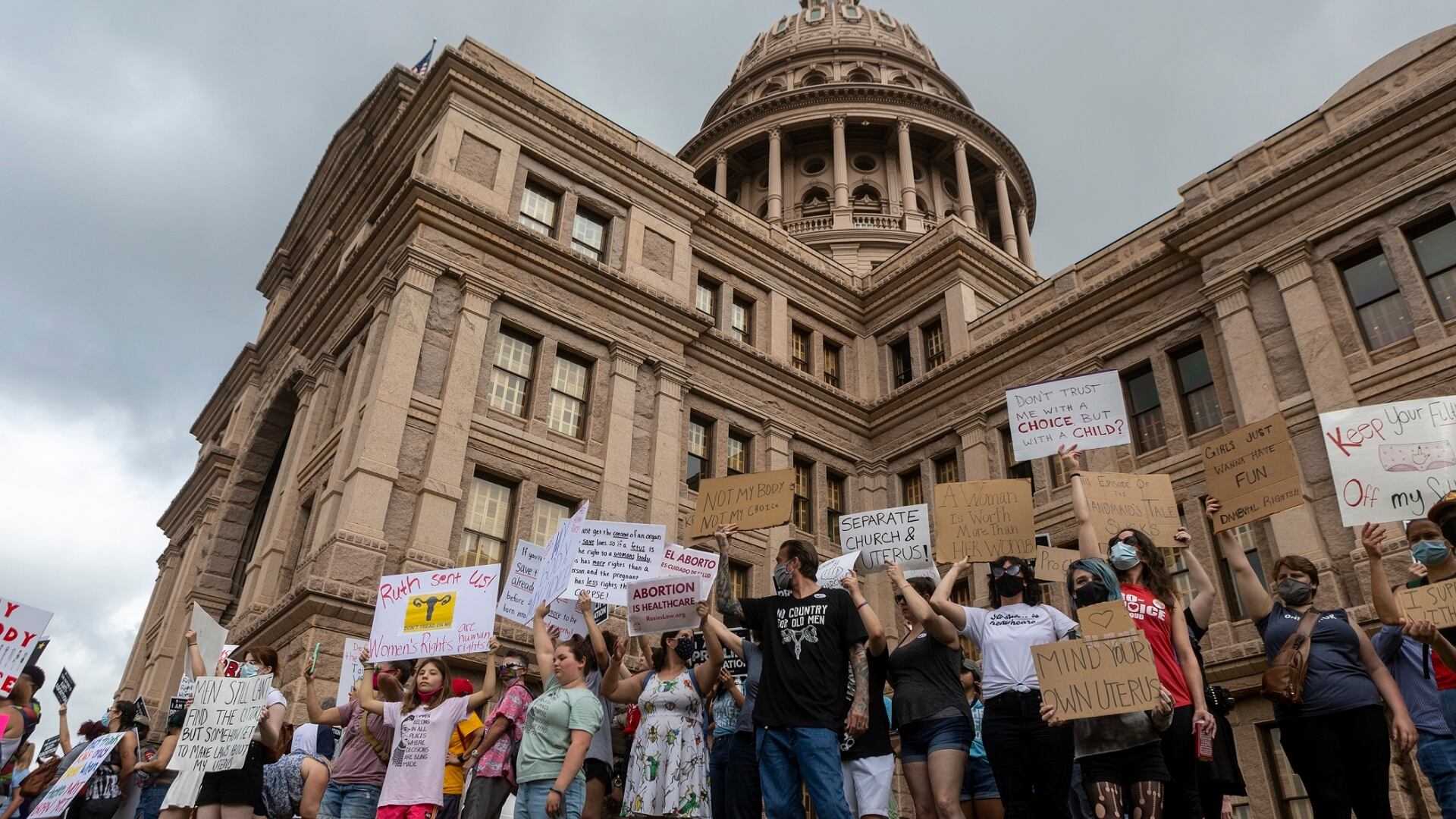
Texas's six-week abortion ban remains in effect after a federal appeals court ruling on Monday. The U.S. court of appeals for the fifth circuit temporarily transferred the case to the Texas Supreme Court, which is expected to leave the dispute in limbo for months to come. Katie Barlow, attorney and media editor of SCOTUSblog, joins Cheddar News to discuss.
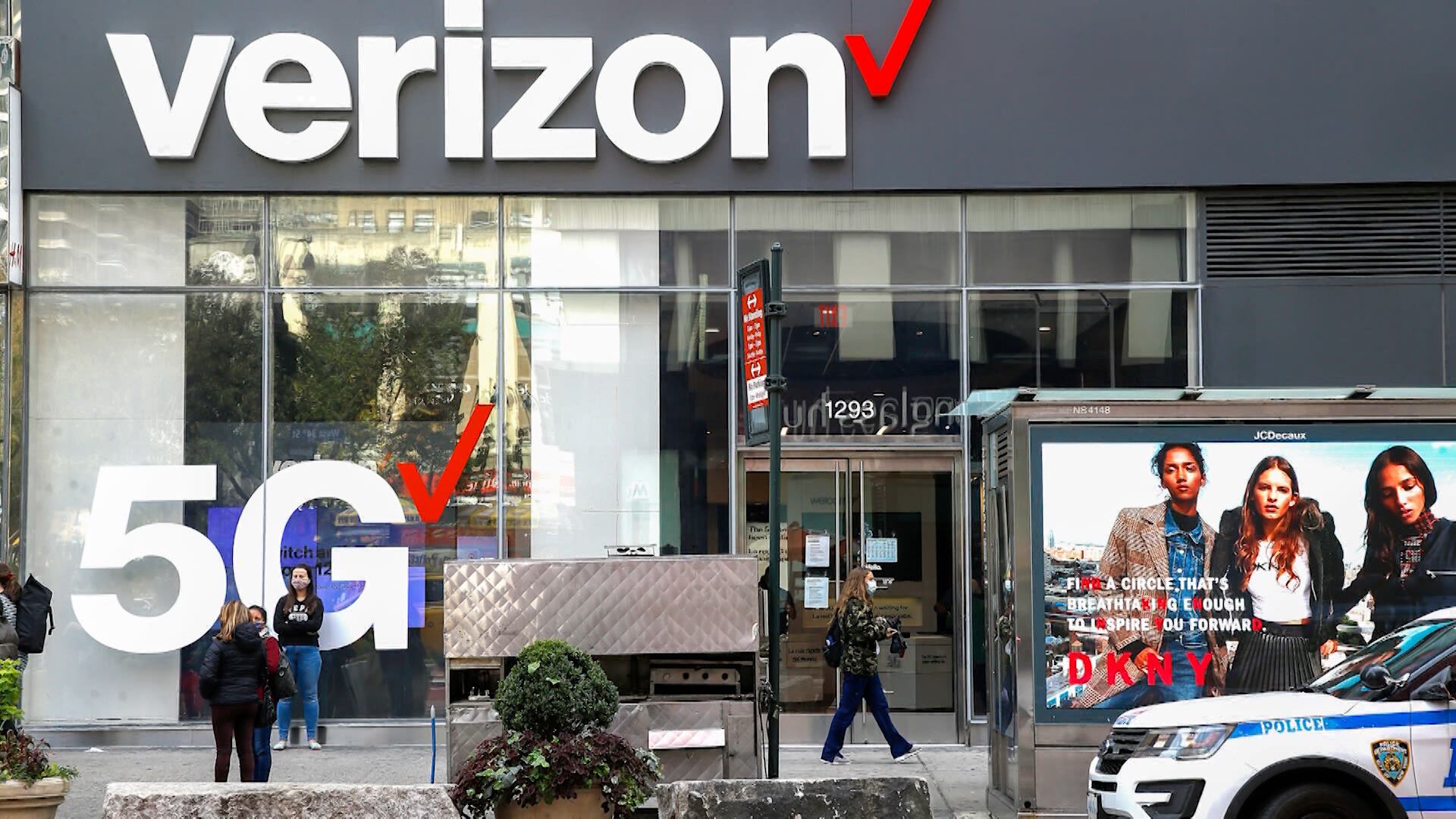
Hugh Odom, founder and president of Vertical Consultants, shared his expertise on telecommunications with Cheddar on the safety issue raised about 5G deployment by airlines. The installation was partially delayed again on Tuesday as the airlines warned of potentially catastrophic delays in a letter to the Biden administration. Later, both Verizon and AT&T relented and put a pause on some of the implementations. "The first thing the Biden administration needs to do is get everybody in the room and say, look, aviation industry, identify the problem — wireless industry, come up with a solution," said Odom.
Dave Levinthal, deputy Washington Bureau chief at Insider, joins Cheddar News to discuss Gallup's new survey that reveals more Americans leaned Republican by the end of 2021.
Women's March ATX rally, Saturday, Oct., 2, 2021, at the Texas State Capitol in Austin, Texas. An expected decision by the U.S. Supreme Court in the coming year to severely restrict abortion rights or overturn Roe v. Wade entirely is setting off a renewed round of abortion battles in state legislatures. (AP Photo/Stephen Spillman, File)
Inflation in the U.S. is only getting hotter. The 12-month inflation rate for December 2021 was the highest in nearly 40 years - continuing the trend seen at the close of 2021.
The Consumer Price Index increased 7% in the 12-month period ending in December, marking the fastest increase since 1982. Scott Wren, Senior Global Market Strategist at Wells Fargo Investment Institute, joined Cheddar's Movers for more.