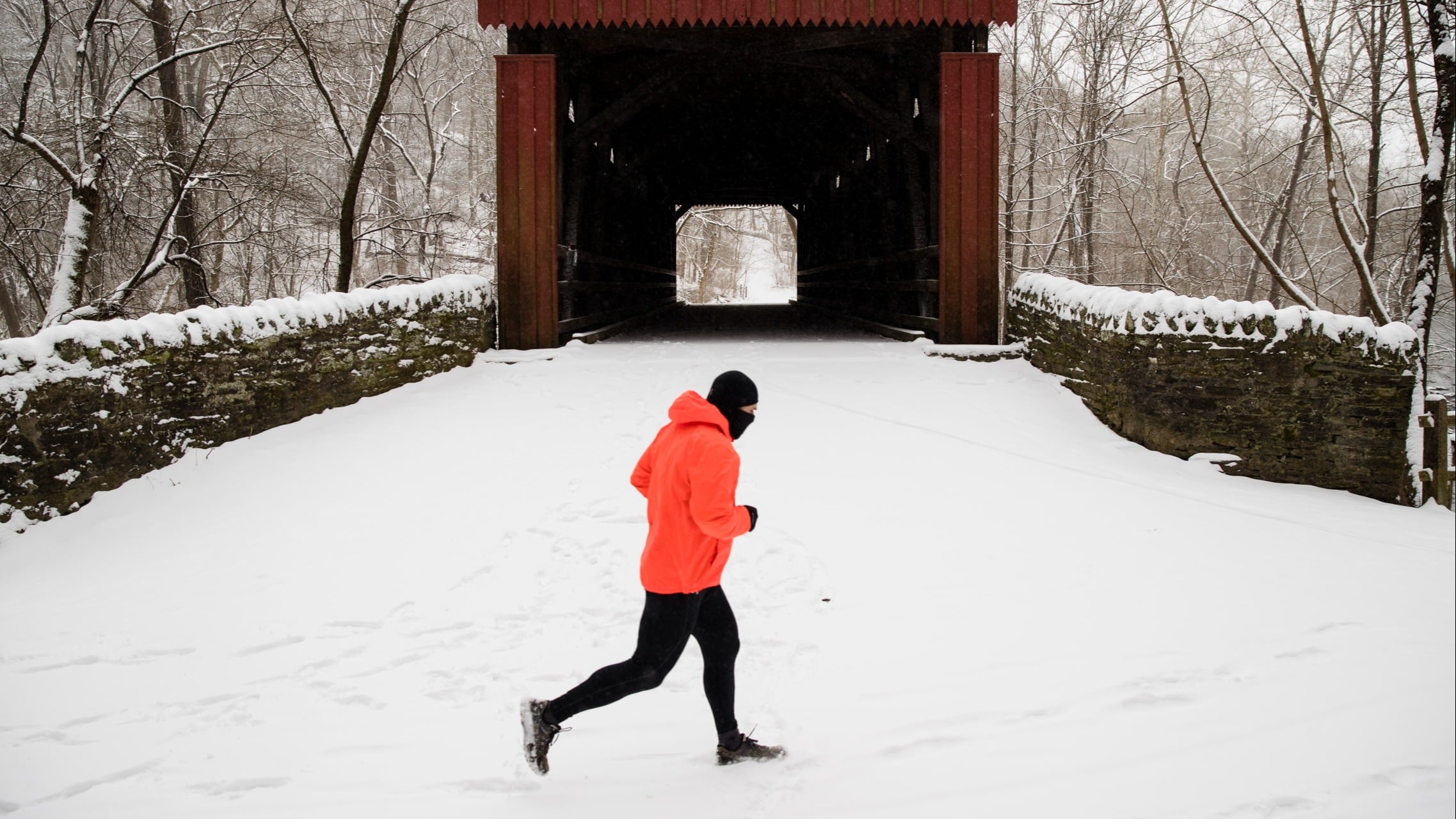
Philadelphia City Council passed legislation to ban ski masks in some public spaces, a measure supporters say will increase public safety amid high violent crime, but opponents argue it will unfairly target people without proof of any wrongdoing.

The legislation passed on Thursday with a 13-2 vote, and now goes to Democratic Mayor Jim Kenney. A spokesperson said he would review the legislation and "looks forward to our ongoing work with City Council on the urgent matter of ensuring public safety.”

The measure would ban ski masks, or balaclavas, in public spaces like schools, recreation centers, parks, city-owned buildings and on public transportation. It defines the garment as a close-fitting covering over the whole head, with holes only for the eyes, nose, or mouth.

A $250 fine would be imposed against anyone who violates the law. It has exceptions for religious garb and protests.

The legislation comes as the nation’s sixth-largest city has been beleaguered by violent crime, tallying a record number of homicides in 2021, most of them gun-related. That number fell from 562 to 516 in 2022 but was still higher than pre-pandemic levels, and advocates have said they are on track to decrease further this year.

Big cities across the nation experienced spikes in crime as social supports were upended during the pandemic, though crime has started to decrease to pre-pandemic levels.

Philadelphia's move goes in the opposite direction to New York City, which relaxed a law that prohibited masks, during the COVID-19 pandemic.

In 2020, New York City repealed a more than century-old law that prohibited face coverings in public. It was meant to permit mask-wearing during the coronavirus outbreak. Supporters of the repeal said the former law also exposed men of color to police harassment and was used against protesters during demonstrations.

Concerns about theft, even as crime decreases in the city, pushed Mayor Eric Adams, a former police officer, to suggest storeowners should refuse to admit anyone wearing a mask unless it was lowered to be picked up by store cameras.

Philadelphia’s ban cites an increase in those casually wearing ski masks in 2020 — during the beginning of the pandemic — alongside a rise in individuals sought by Philadelphia police. The ski masks conceal people’s identities, making it harder for the police to identify them, supporters say. Messages were left for the bill’s sponsor, Councilman Anthony Phillips.

But it drew sharp opposition from some progressive members of Council and the ACLU of Pennsylvania, which said there was no evidence to support that ski masks cause or encourage crime.

“Giving police the authority to stop civilians without suspicion of unlawful activity is unconstitutional,” Solomon Furious Worlds, an attorney for the ACLU, said in a statement.

The ban is part of a larger puzzle the Democrats are grappling with: balancing accountability after protests against police brutality, while trying to address community concerns about safety.

Mayor-elect Cherelle Parker won election with a tough-on-crime approach, vowing to put hundreds of officers on the street, embedded within communities.

She’s drawn criticism for her stance that officers should use “reasonable suspicion” to stop people — which opponents feel comes uncomfortably close to the controversial stop-and-frisk tactic. She recently tapped longtime police official Kevin Bethel as her police commissioner, saying he had the experience to restore order while holding police accountable.
Share:
More In Politics
Supreme Court To Hear Challenge To Affirmative Action
The Supreme Court will reconsider race-based affirmative action in college admissions. The court will examine admissions policies at Harvard University and The University of North Carolina Chapel Hill, which count the race of applicants as a factor in admissions. The court has upheld affirmative action policies in the past, saying it helps to create more diverse student bodies. However, the conservative Supreme Court could be skeptical and even possibly hostile to such policies. Nick Anderson, Higher Education Writer, Washington Post joined Cheddar's Opening Bell to discuss.
Global Oil Benchmark Tops $90 As Tensions Rise Between Russia & Ukraine
The global oil benchmark surpassed $90 for the first time in more than seven years. This comes as growing tensions between Russia and Ukraine add to concerns about the already-tight market. Jay Hatfield, Chief Investment Officer at ICAP, joined Cheddar to discuss what this benchmark means for the oil industry, and what might happen if Russia does invade its neighbor.
Cybersecurity, Diplomatic Disputes Overshadow 2022 Olympics Before It Gets Underway
With the Beijing Winter Olympics set to get underway on Friday, Dan Wolken, a national columnist for USA Today, joined Cheddar News to break down the big storylines as the pandemic and international conflicts threaten to cast a cloud over the event that is aspirationally seen as a beacon of international cooperation. Wolken noted specific issues over cybersecurity for visiting athletes and disputes over human rights leading to a diplomatic boycott have been making waves even before the opening ceremony. "So you've got sort of these barbs going back and forth already between the Americans and the Chinese, and things haven't even started yet," he said. "We don't even know what's going to happen once the games start and people actually start winning medals."
Geo-Political Concerns and Controversies of 2022 Winter Olympics
We are a week away from the 2022 Beijing Olympics, and China has already faced a host of problems leading up to the opening ceremony of the Beijing games. DJ Peterson, president of Longview Global Advisors, joins Cheddar News to discuss the many concerns and controversies surrounding the event.
The Growing Bond Between QAnon and Anti-Vaxxers
In 2021, QAnon, the community which traffics in conspiracy theories saw a rapid growth in its numbers. As a result of vaccine rollouts, a number of conspiracies surrounding them also began to circulate which then led to the rise of "Anti-Vaxxers". As a result, the QAnon and anti-vax communities have become increasingly intertwined and the results could be costing lives. Senior Researcher at Media Matters Alex Kaplan, joined Cheddar to discuss more.
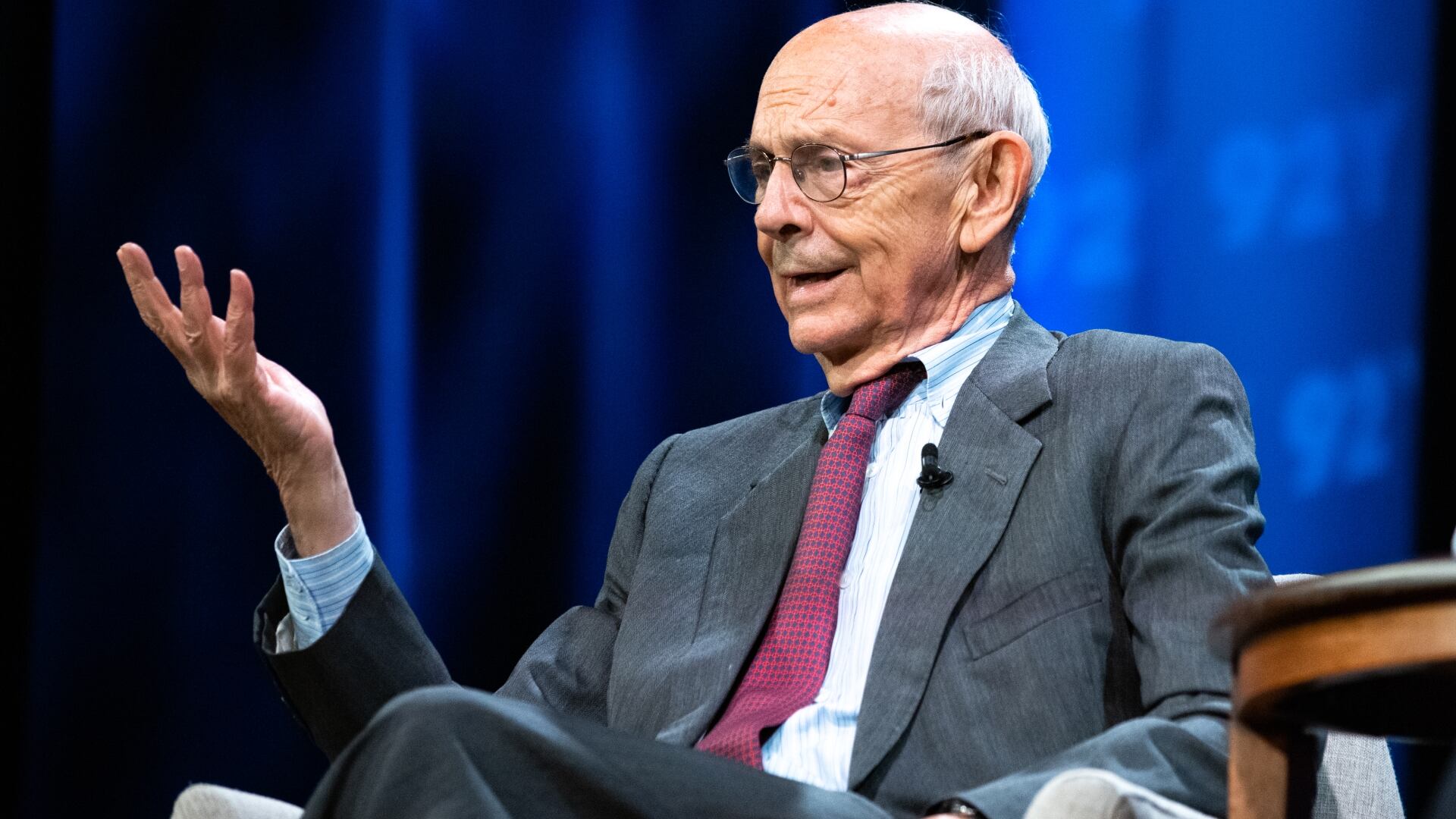
U.S. Supreme Court Justice Breyer Announces Retirement
Supreme Court Justice Breyer has announced that he will officially retire from his post. He has served as the senior member of the more liberal wing in recent years. Now his retirement puts pressure on President Biden to decide on who will replace Breyer. Attorney and Media Editor at SCOTUS blog Katie Barlow, joined Cheddar to discuss more.
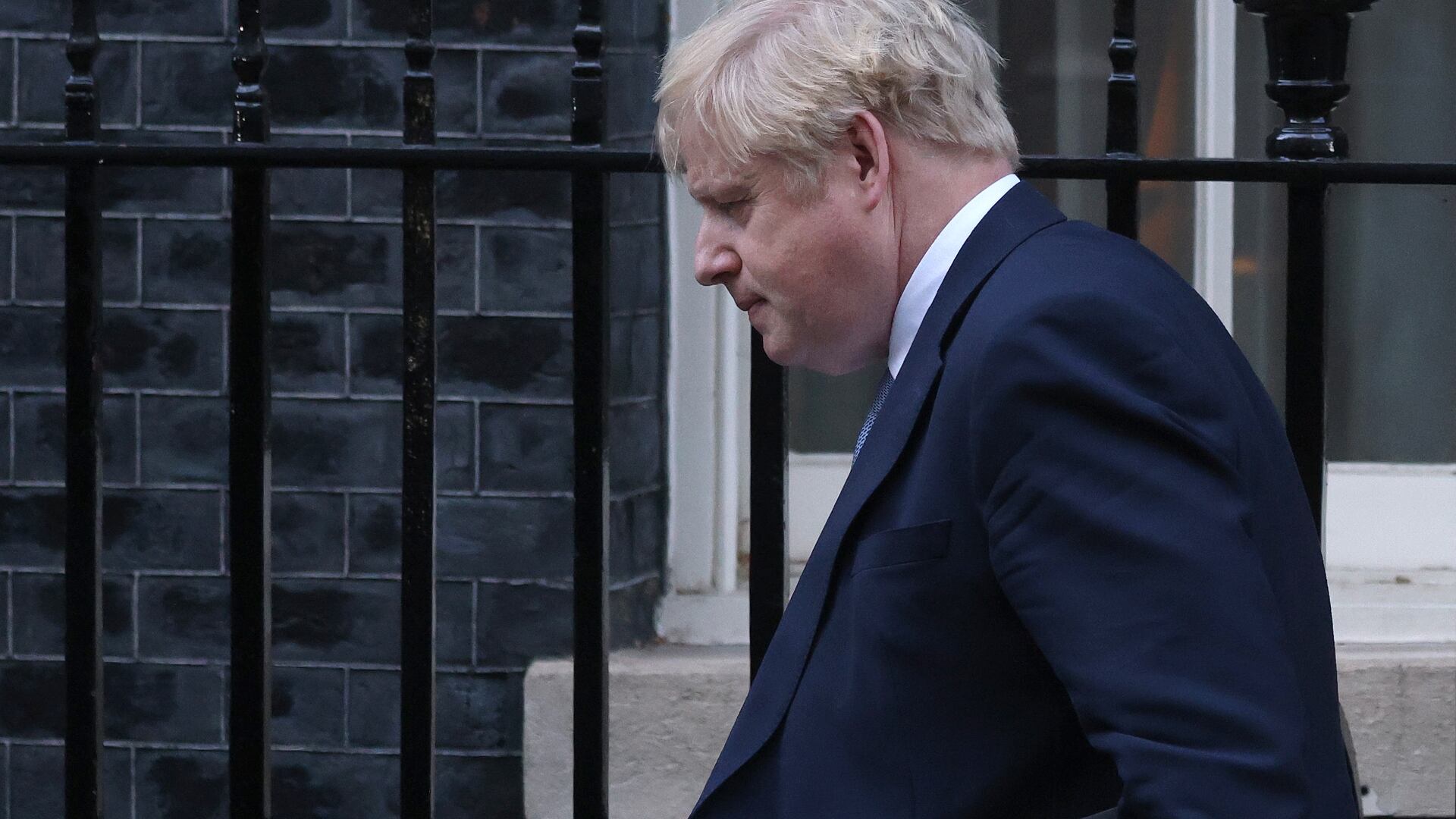
UK's 'Partygate' reports finds 'failures of leadership'
A long awaited report in the UK looking into the alleged parties held at 10 Downing Street during lockdown finds a culture of excessive drinking and a "failure of leadership" in Boris Johnson's government. Cheddar News speaks with international journalist Thomas Cole, who is closely monitoring latest developments.
What Jan. 6 Committee Subpoenas of Bogus Electors Might Mean for Trump
While Donald Trump stated he would be willing to pardon Capitol Hill insurrectionists should he return to the presidency, the January 6 Committee issued subpoenas to 14 individuals who cast bogus electoral votes for the former president in seven states won by Joe Biden in 2020. Molly Jong-Fast, editor-at-large at The Daily Beast, joined Cheddar News to discuss the ongoing congressional investigation. "It is kind of crazy that every time Trump speaks, he kind of confesses a little more of what he was up to, but you really have to have proof," said Jong-Fast.
Load More