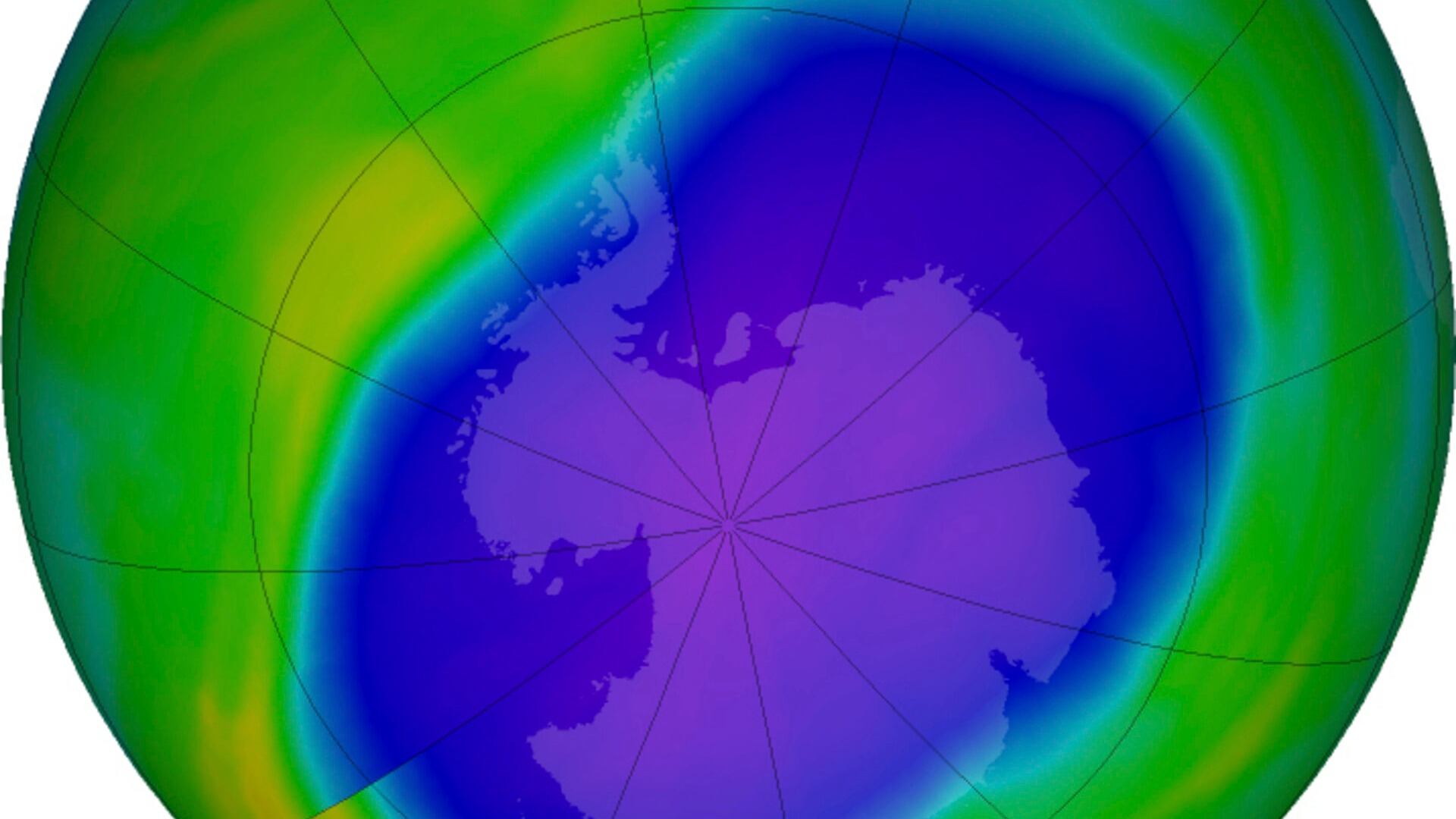
In this NASA false-color image, the blue and purple shows the hole in Earth's protective ozone layer over Antarctica on Oct. 5, 2022. Earth’s protective ozone layer is slowly but noticeably healing at a pace that would fully mend the hole over Antarctica in about 43 years, a new United Nations report says. (NASA via AP, File)
Hope for the global environment has been detected after the United Nations found that Earth's protective ozone layer is recovering from years of human-induced damage.
The hole, which was discovered in 1985 by British scientists, is assessed every four years. On the latest check-in, scientists reported significant healing of the hole that sits over Antarctica.
"In the upper stratosphere and in the ozone hole we see things getting better," said Paul Newman, co-chair of the scientific assessment, according to the Associated Press.
In 1987, the nations of the world came together to sign off on the Montreal Protocol, which assigned each country with tasks to do their part in scaling back the use and production of ozone depleting substances.
In a previous assessment of the hole four years ago, scientists found that the hole was recovering then too, but the findings were preliminary and not as aggressive.
Factors like remitting the use of chlorine and bromine in products across industries, which at times had various uses such as in dry cleaning and anesthesia, have played a substantial role in the shrinking of the ozone's hole.
At the current rate, scientists predict that it could be fully repaired by 2066.
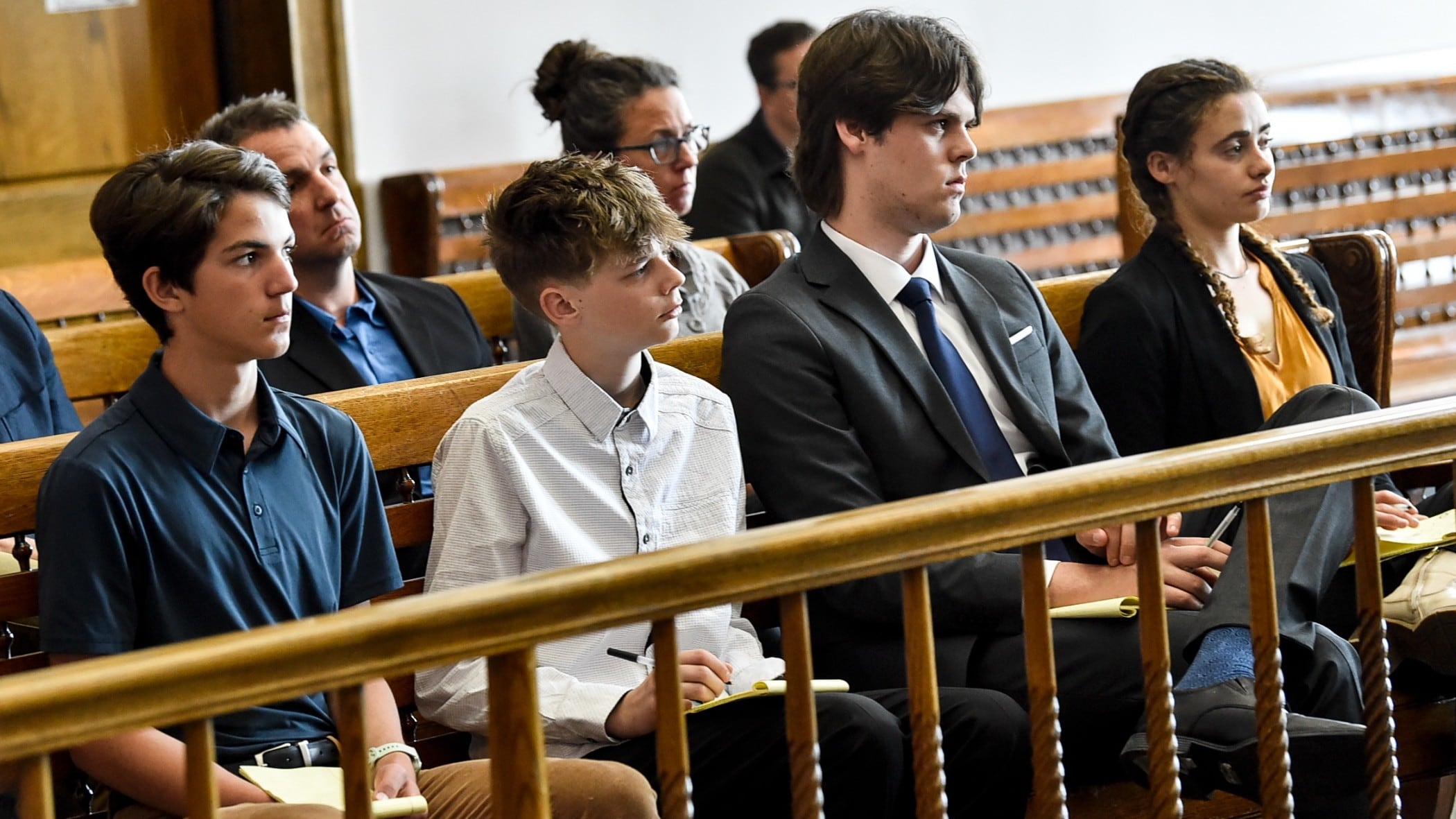
A Montana judge on Monday sided with young environmental activists who said state agencies were violating their constitutional right to a clean and healthful environment by permitting fossil fuel development without considering its effect on the climate.
Alzheimer’s mainly affects the elderly, who are eligible for Medicare, but people under 65 — even, rarely, as young as their 30s — also can get diagnosed. They are more likely to have commercial coverage.
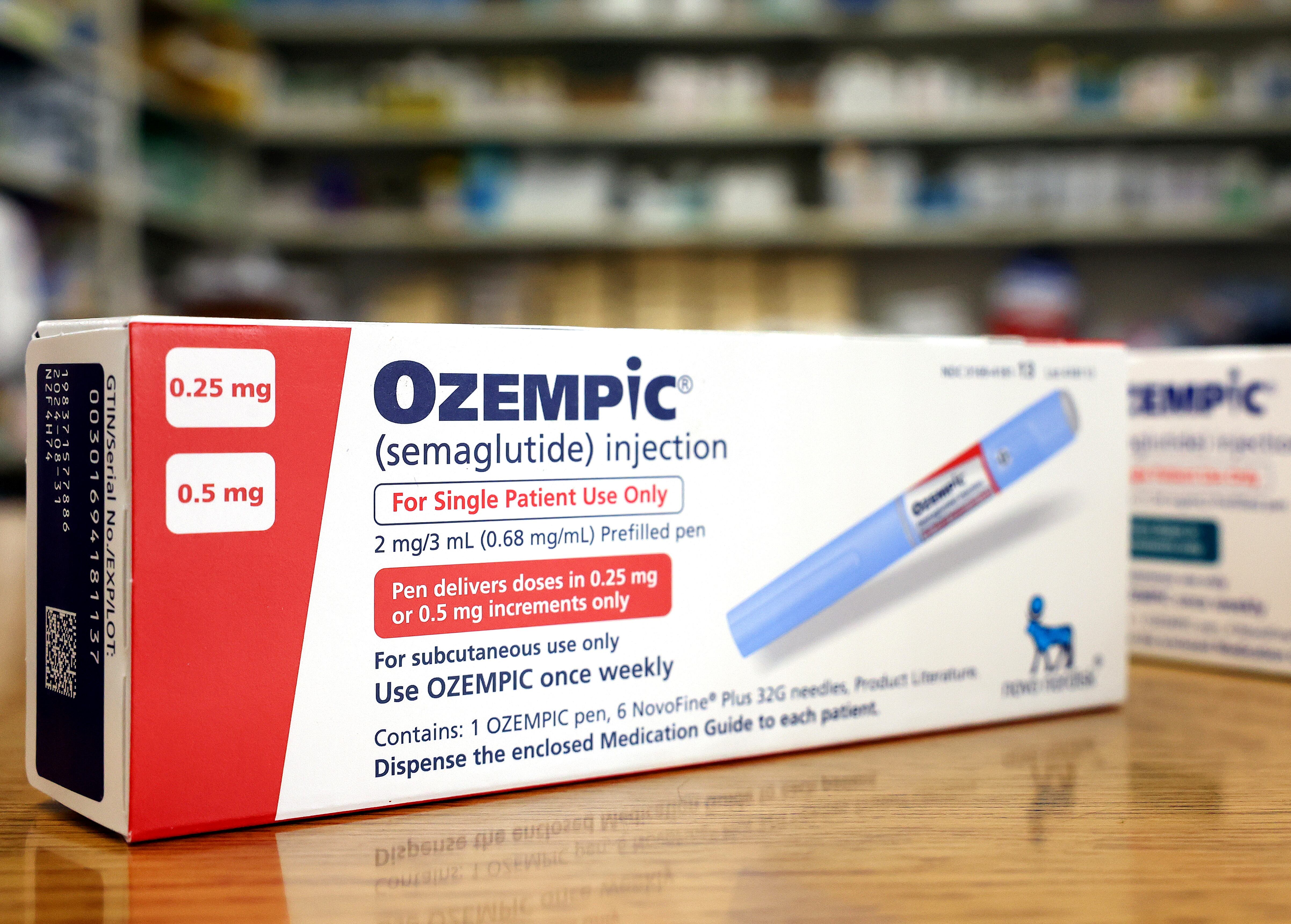
Some doctors say the drug should be held for three weeks before sedation to accommodate the delayed emptying of the stomach, which can cause patients to inhale food and liquid into their lungs.