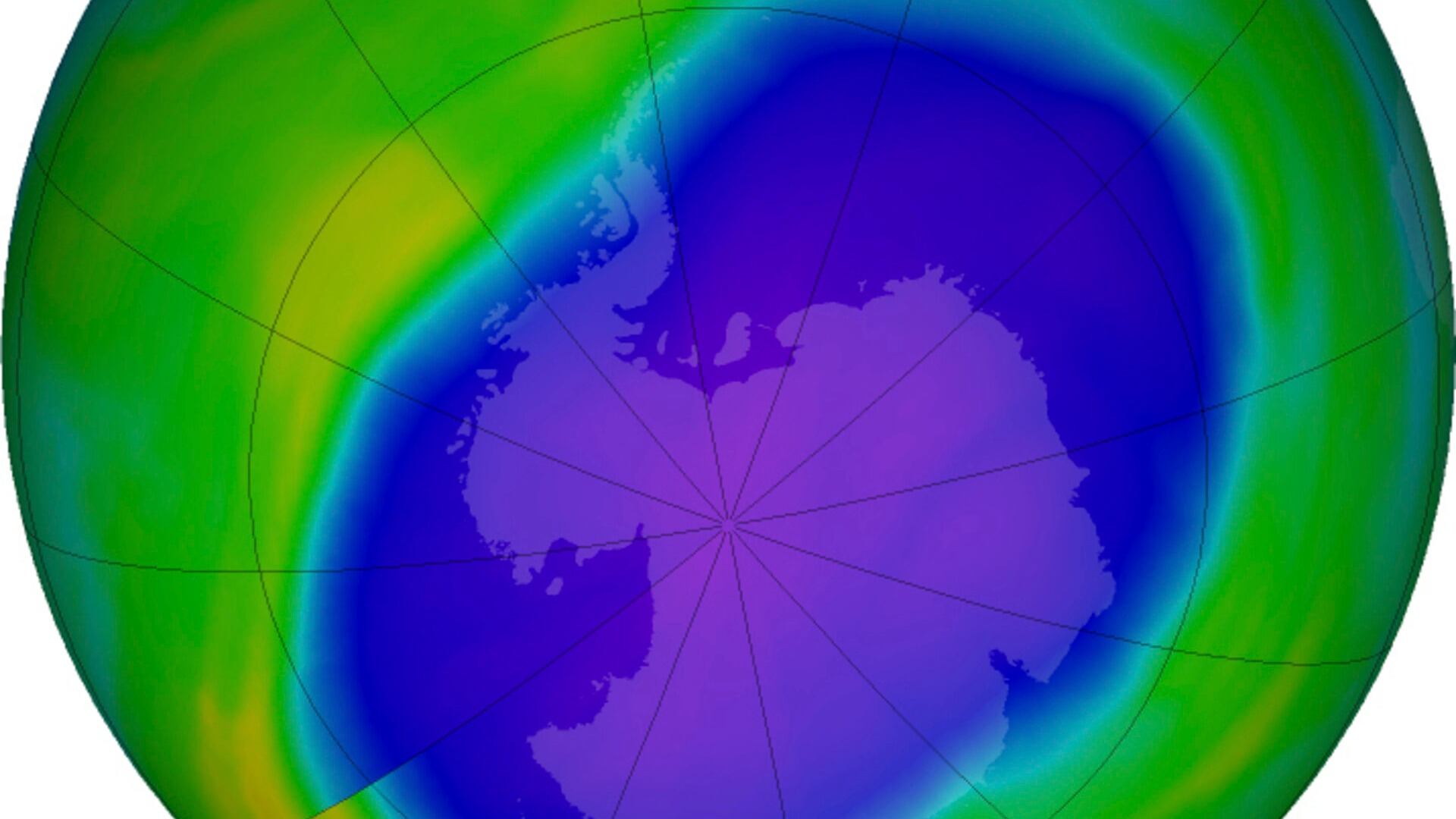
In this NASA false-color image, the blue and purple shows the hole in Earth's protective ozone layer over Antarctica on Oct. 5, 2022. Earth’s protective ozone layer is slowly but noticeably healing at a pace that would fully mend the hole over Antarctica in about 43 years, a new United Nations report says. (NASA via AP, File)
Hope for the global environment has been detected after the United Nations found that Earth's protective ozone layer is recovering from years of human-induced damage.
The hole, which was discovered in 1985 by British scientists, is assessed every four years. On the latest check-in, scientists reported significant healing of the hole that sits over Antarctica.
"In the upper stratosphere and in the ozone hole we see things getting better," said Paul Newman, co-chair of the scientific assessment, according to the Associated Press.
In 1987, the nations of the world came together to sign off on the Montreal Protocol, which assigned each country with tasks to do their part in scaling back the use and production of ozone depleting substances.
In a previous assessment of the hole four years ago, scientists found that the hole was recovering then too, but the findings were preliminary and not as aggressive.
Factors like remitting the use of chlorine and bromine in products across industries, which at times had various uses such as in dry cleaning and anesthesia, have played a substantial role in the shrinking of the ozone's hole.
At the current rate, scientists predict that it could be fully repaired by 2066.
The head of Russia's space agency said Monday that the Luna-25 spacecraft crashed into the moon after its engines failed to shut down correctly, and he blamed the country's decades-long pause in lunar exploration for the mishap.
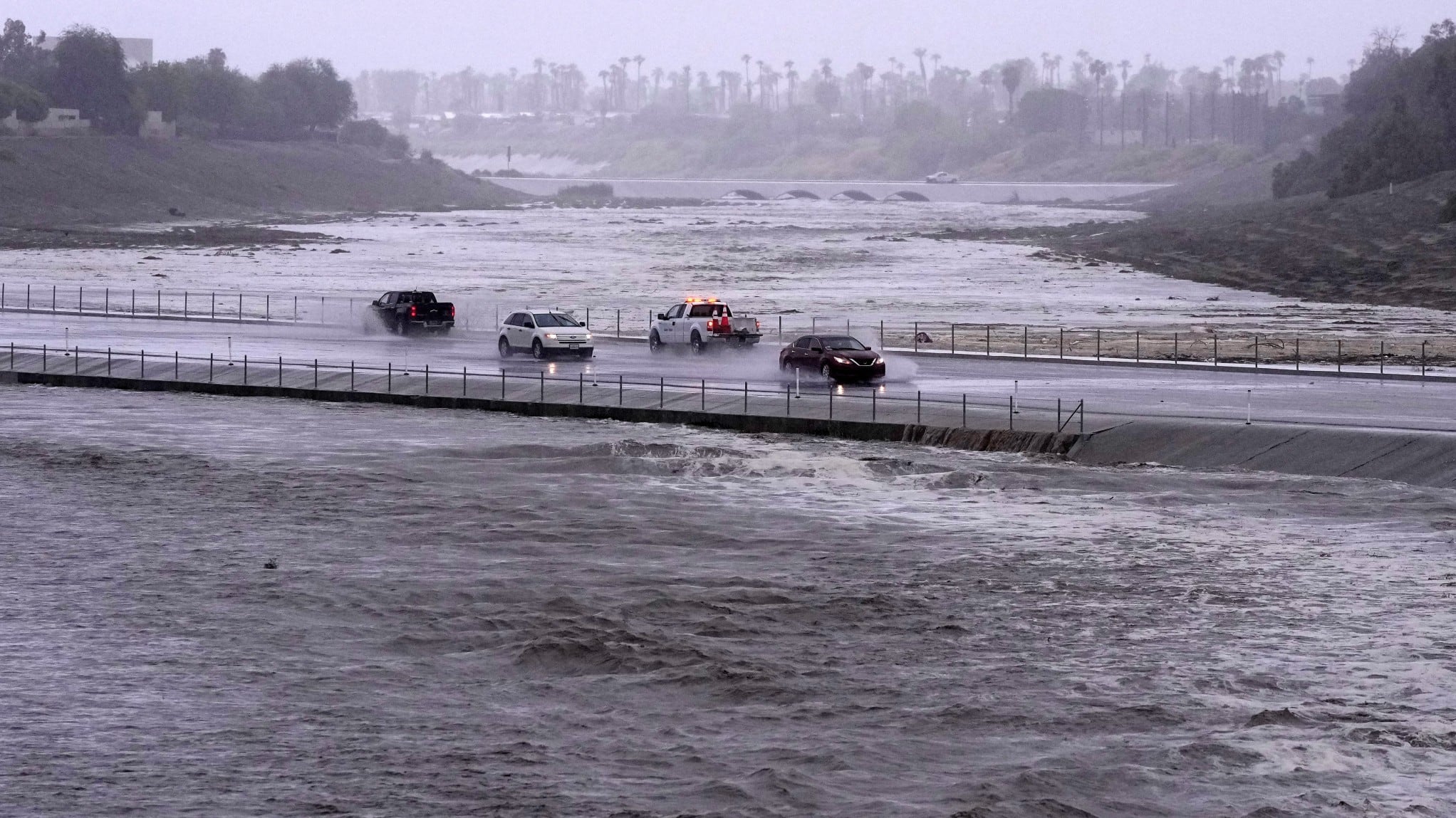
The managers of the Panama Canal said they expect income from the waterway to drop after authorities were forced to limit the number of ships passing through each to 32 due to a lack of rainfall.
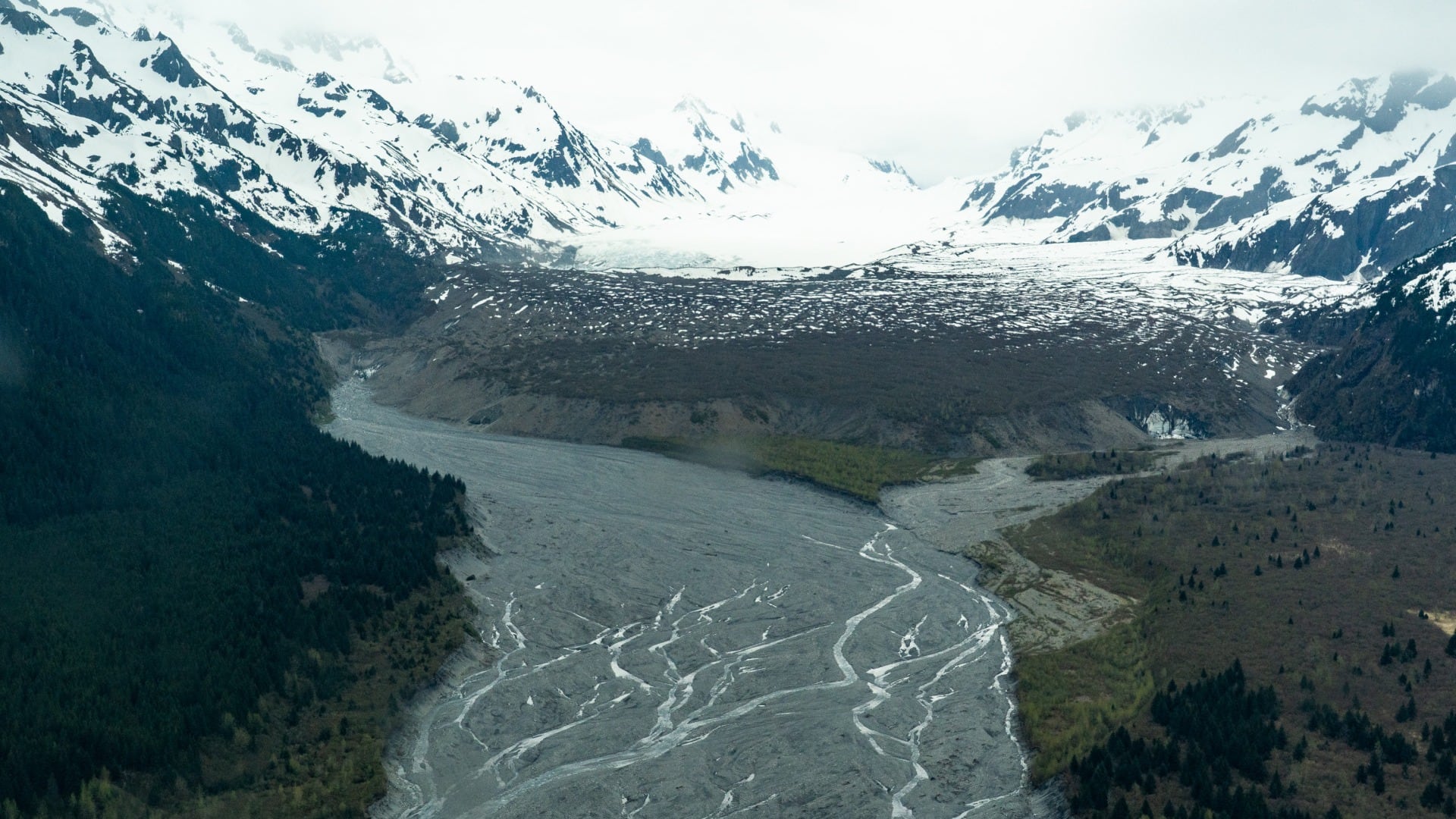
A new scientific study published Thursday suggests the world should start preparing to protect the ecosystems that emerge from under the disappearing ice, as a warming planet is inevitably causing glaciers to melt.
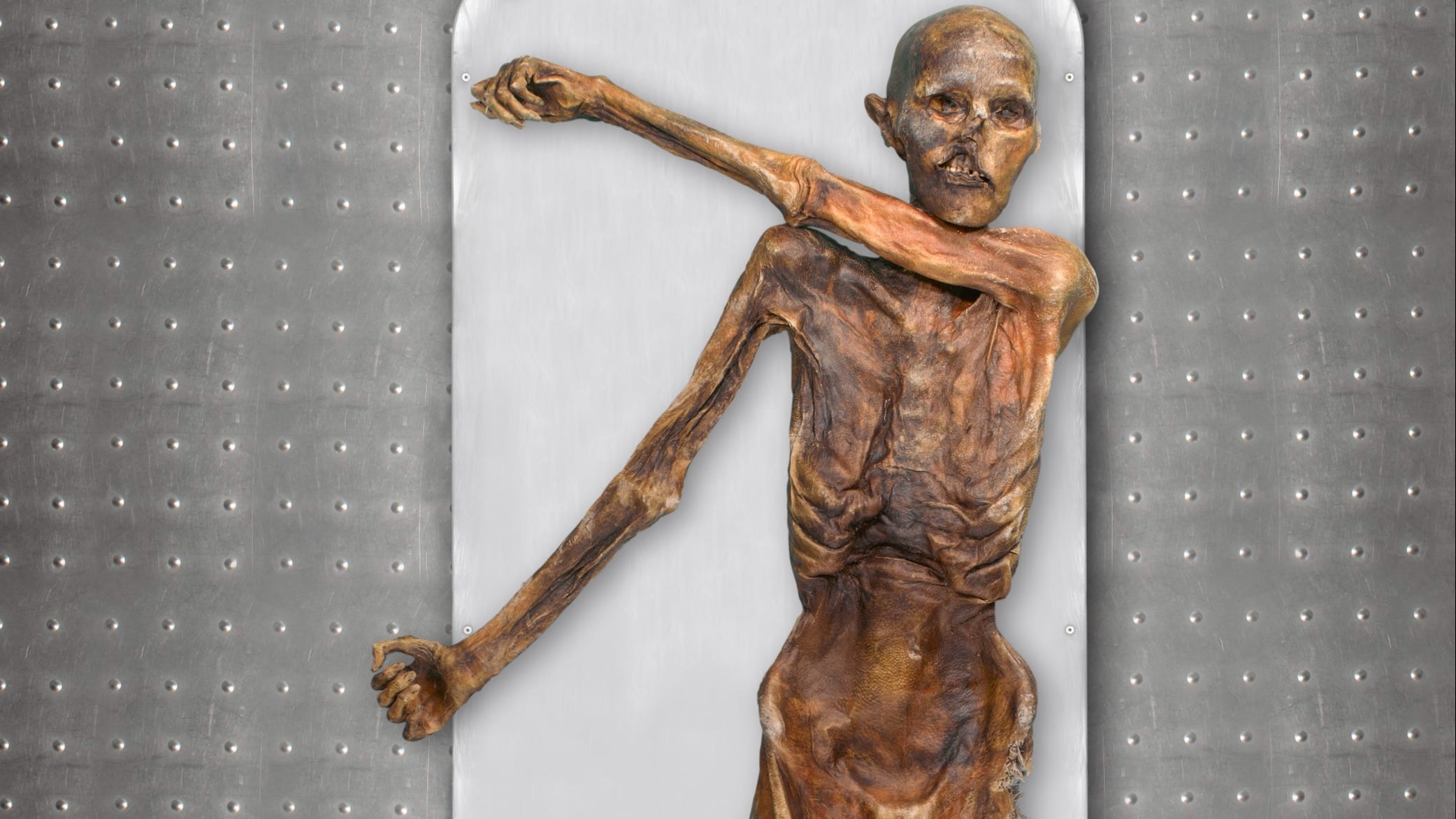
Oetzi the Iceman has a new look. Decades after the famous glacier mummy was discovered in the Italian Alps, scientists have dug back into his DNA to paint a better picture of the ancient hunter.
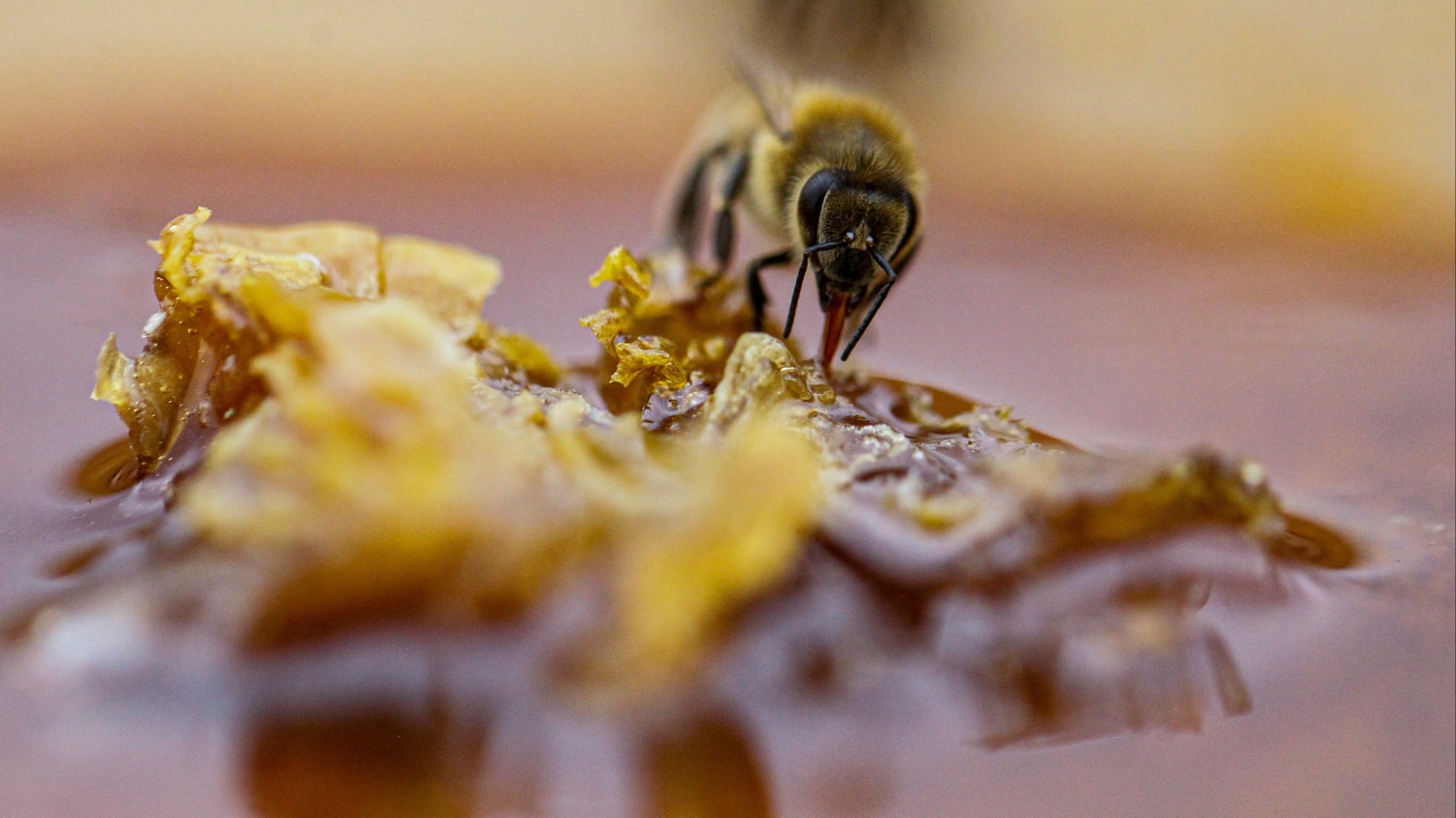
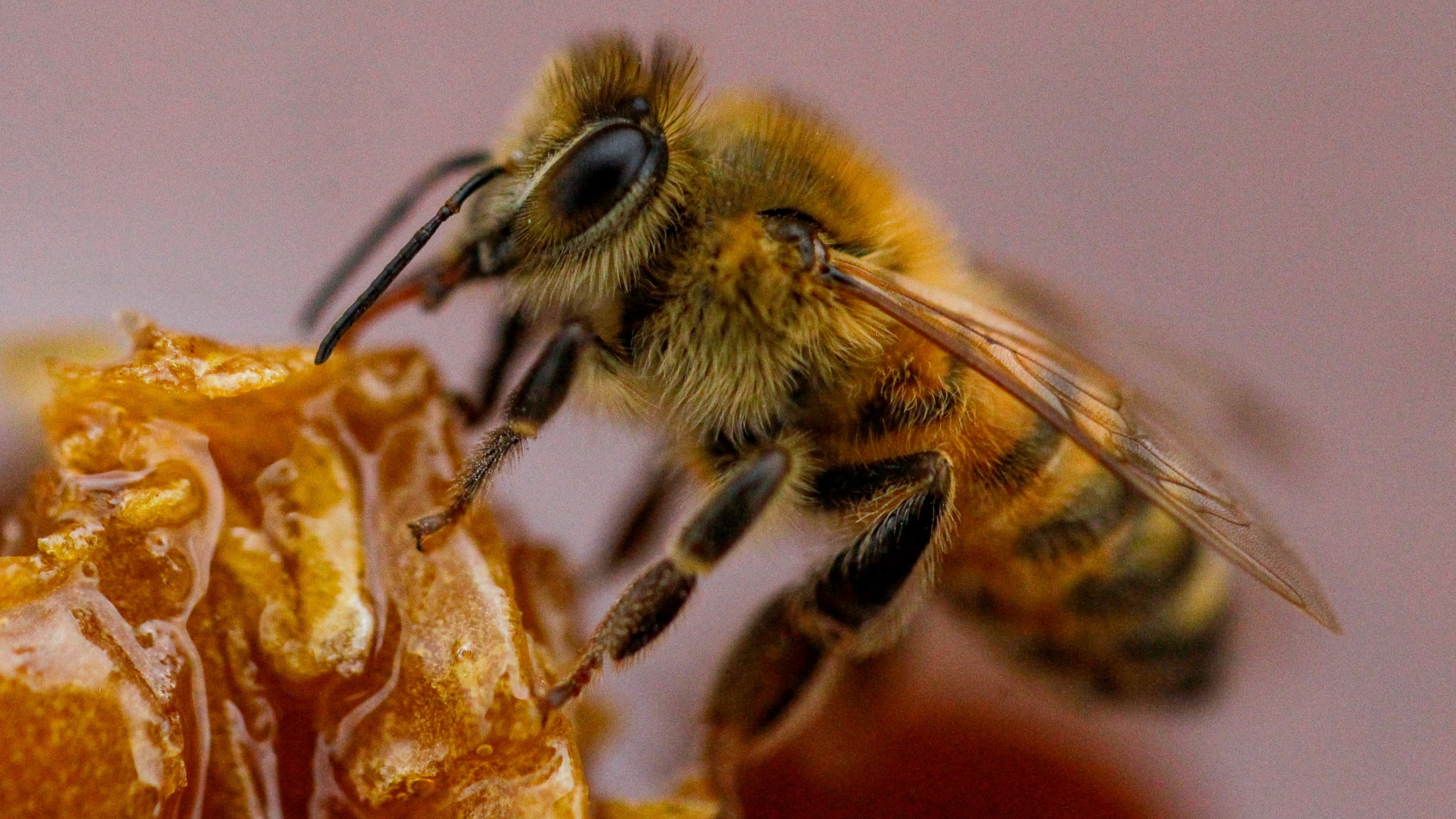
Astor Apiaries' Nick Hoefly is an expert on honey bees and, of course, honey. Cheddar News' Michelle Castillo checked out the hives to learn everything you ever wanted to know about honey ahead of Bee's Knees Week.
Nick Hoefly of Astor Apiaries explains the importance of bees for our ecosystem and talks to Cheddar News' Michelle Castillo about what you can do if you're nervous around them.