NASA's James Webb Space Telescope has caught a rare glimpse of one of the most massive and brightest stars known nearing supernova.
The space agency made the discovery in June of 2022 but just unveiled the findings to the public. The star is currently in its Wolf-Rayet phase or the part of a star's life cycle that begins before it transitions into a supernova blast.
The star, called WR 124 and is 15,000 light years away, was detected by the Webb telescope as it shed its outer layers that reflected back glimmering light and halos of dust and gas. Supernovae are of particular interest to scientists because the dust emitted from them are essential to the makeup of a solar system. The formation of planets, protection of budding stars, and the clumping of molecules are all linked to cosmic dust.
It's been a longstanding theory on how the Milky Way galaxy formed, according to Science Daily, that a massive star exploded near a cloud of dust and gas and collapsed on itself.
"This is Carl Sagan's stardust concept, the fact that the iron in your blood and the calcium in your bones was literally forged inside of a star that exploded billions of years ago," Dr. Amber Straughn, astrophysicist at NASA's Goddard Space Flight Center and deputy project scientist for the Webb telescope's science communications, told CNN. "And that's what we're seeing in this new image. That dust is spreading out into the cosmos and will eventually create planets. And this is how we got here, in fact."
The James Webb Space Telescope launched on Christmas Day in 2021 and is expected to continue sending observations until 2026. NASA said it hopes the space observatory will function for at least five years after that.
Walmart is expanding its HIV treatments, planning to add over 80 specialty facilities across nearly a dozen states by the end of the year.
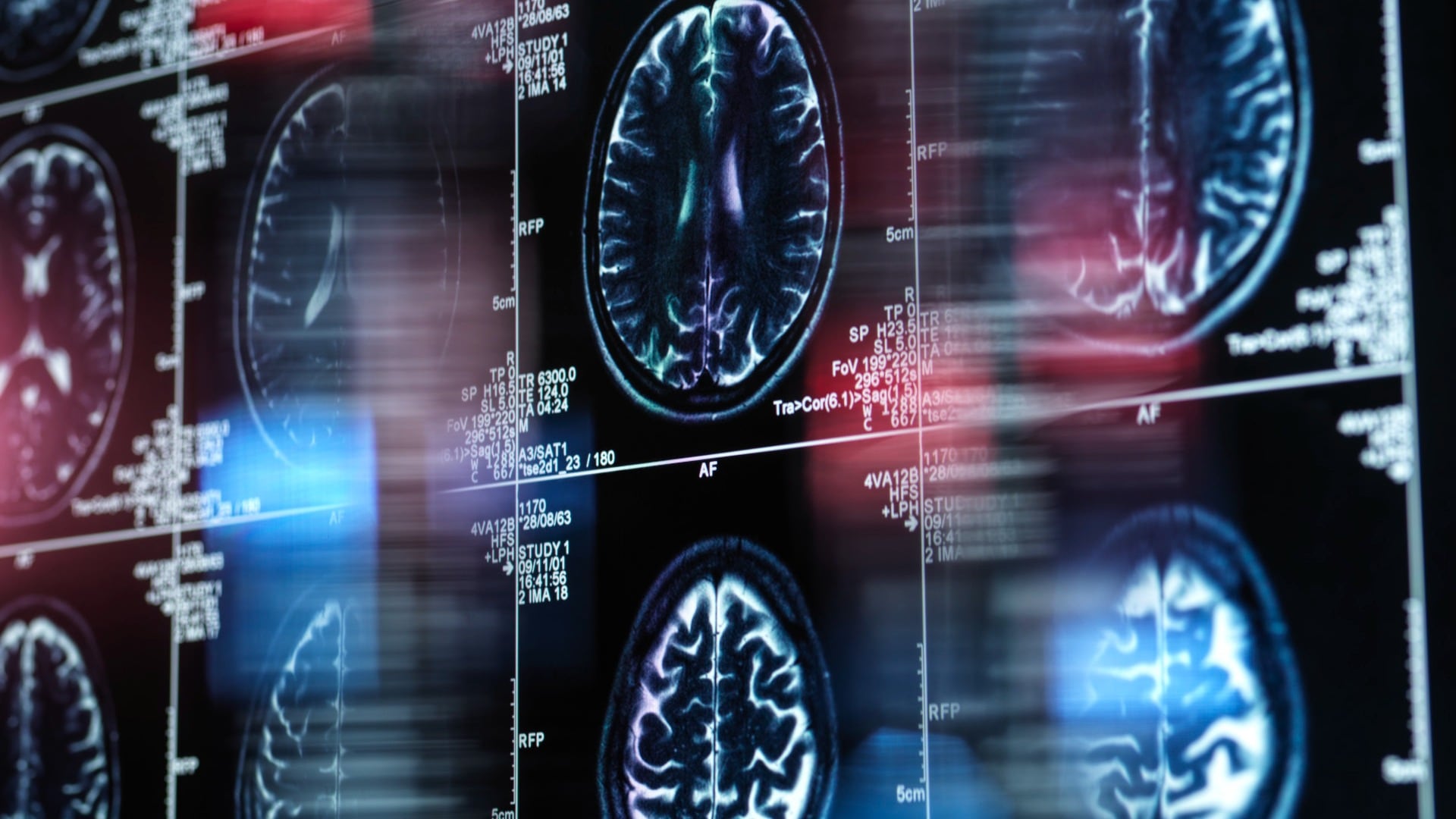
A Food and Drug Administration advisory panel met to discuss regulatory approval for the Alzheimer's drug, Leqembi.
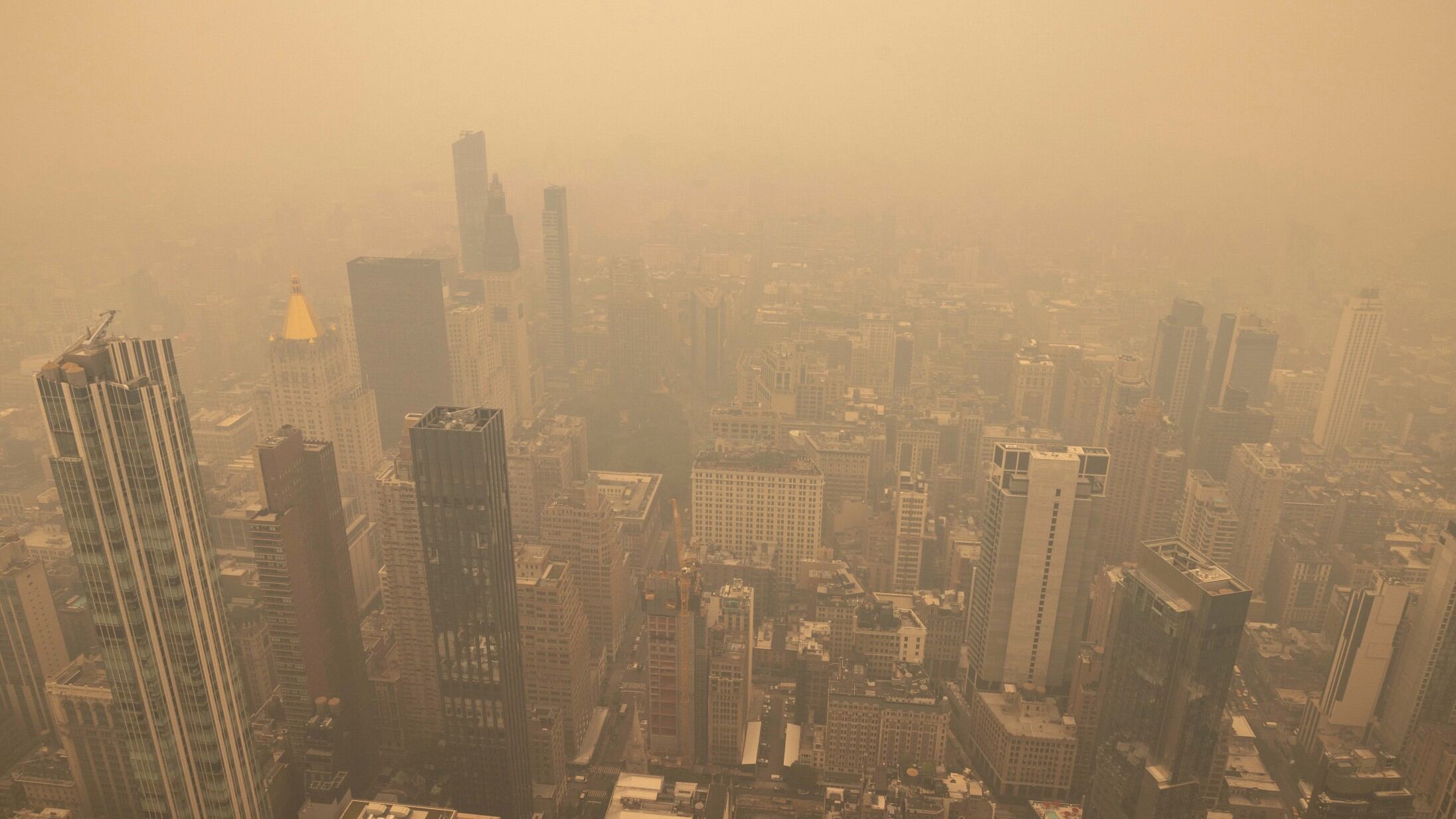
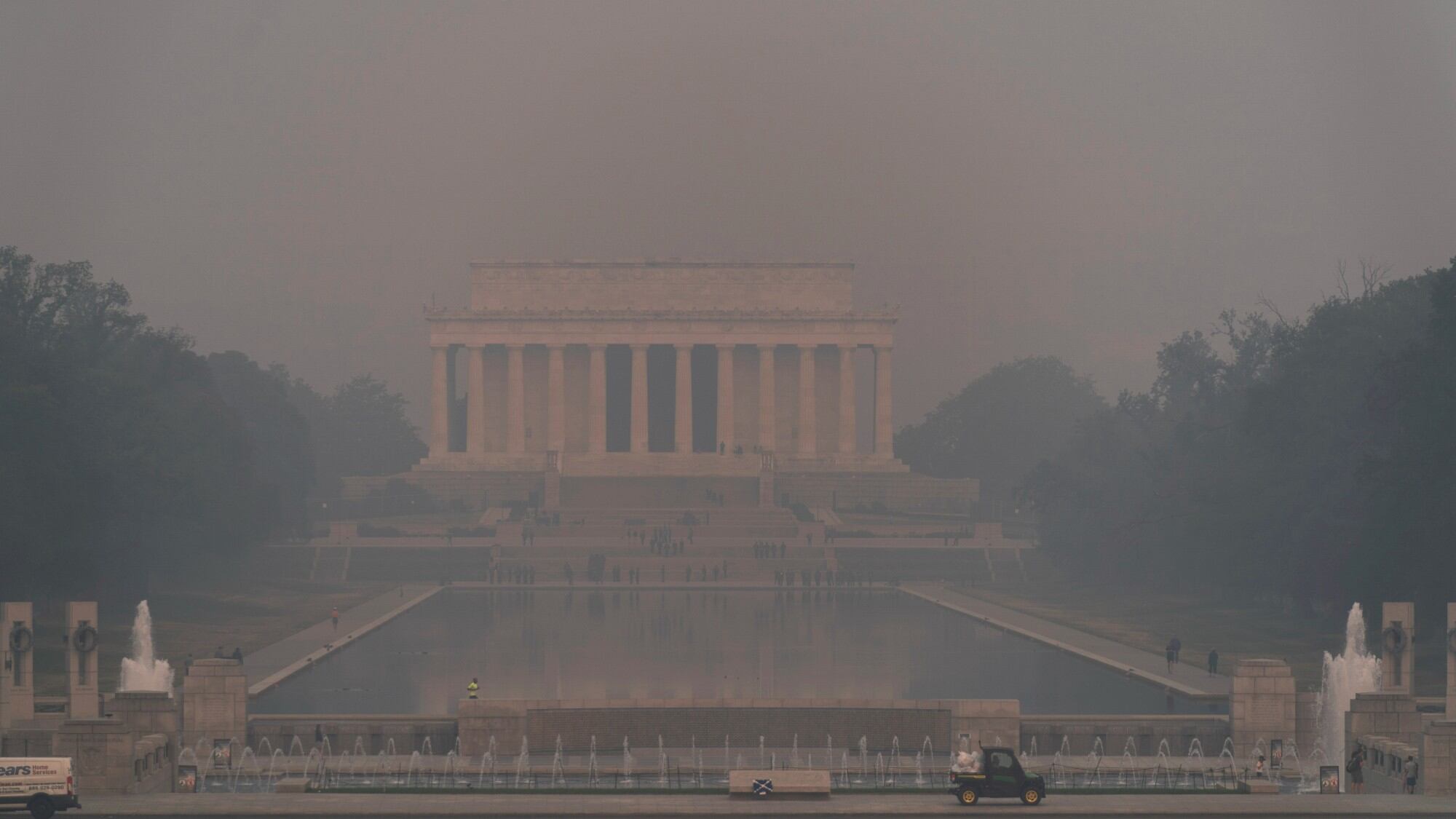
Air quality on the East Coast has improved to at least a moderate level and will continue getting better by the weekend.
A new study from Columbia University has found that taurina, a type of amino acid known mostly as an ingredient in energy drinks, extended the life of worms, mice and monkeys.
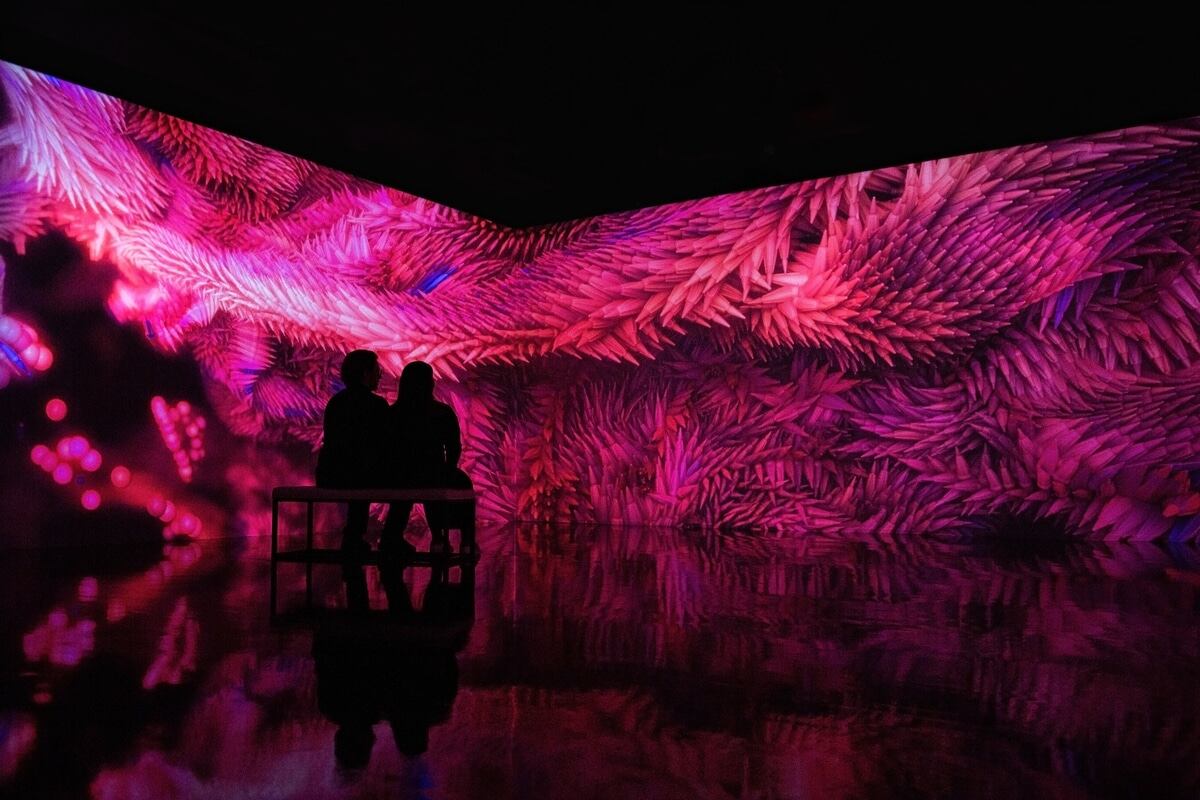
Artechouse, a digital art studio in New York City, has a new exhibition that lets visitors experience never-before-seen images that the James Webb space telescope captured. Cheddar News takes a peek inside the newest immersive experience.
A report said that cancer centers are dealing with shortages of carboplatin and cisplatin, drugs that are used to treat cancers.
On air quality maps, purple signifies the worst of it. In reality, it's a thick, hazardous haze that’s disrupting daily life for millions of people across the U.S. and Canada, blotting out skylines and turning skies orange.
With large swaths of the East Coast blanketed with smog, many are worried about their health. Mangala Narasimhan, director of critical care services at Northwell Health, offers some peace of mind with a handful of expert tips for coping with poor air quality.
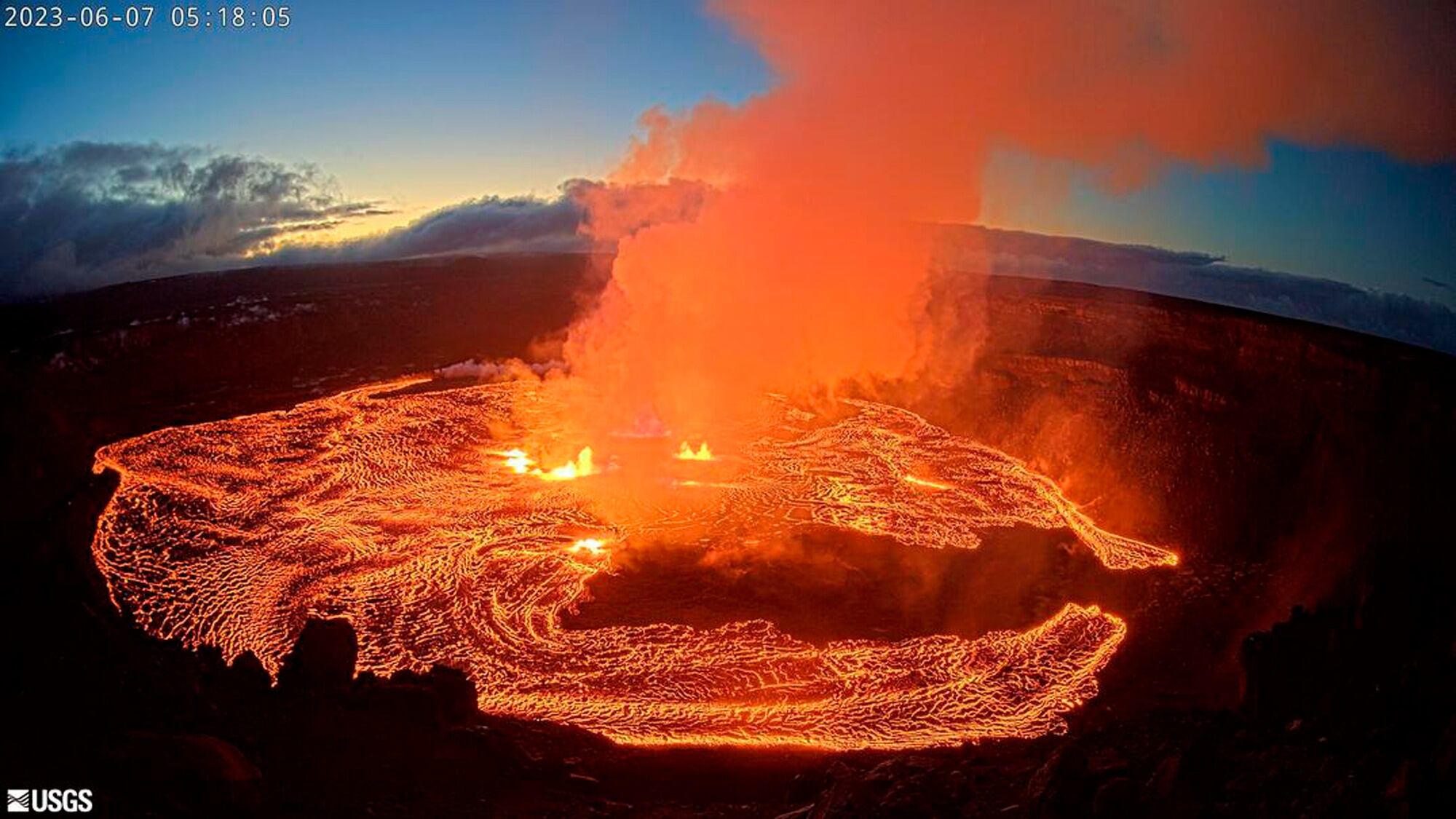
Kilauea, one of the most active volcanoes in the world, began erupting on Wednesday after a three-month pause, displaying spectacular fountains of mesmerizing, glowing lava that's a safe distance from people and structures in a national park on the Big Island.
Smoke from the Canadian wildfires has reached New York and New Jersey which prompted officials to declare the area as currently having some of the worst air quality in the world.