By Lisa Mascaro, Stephen Groves, Farnoush Amiri and Kevin Freking
Republican Mike Johnson is the new speaker of the House, but the ally of Donald Trump inherits many of the same political problems that have tormented past GOP leaders, tested their grasp of the gavel and eventually chased them out of office.
When the House convenes Thursday it will be a bustle of activity, making up for lost time during the weeks of chaos since the ouster of Kevin McCarthy. But the goodwill toward Johnson blurs the political fault lines challenging the Louisianan's ability to lead the GOP majority as it faces daunting issues ahead.
By Nov. 17, the Congress must fund the government again or risk a federal shutdown. President Joe Biden wants an additional $105 billion in military and humanitarian aid for Israel and Ukraine. And Republicans are eager to resume their impeachment inquiry into Biden over his son's business dealings.
“This has been a grueling process,” Johnson said Wednesday after he took the gavel. "The challenge before us is great but the time for action is now, and I will not let you down."
Johnson, 51, swept through on the first ballot with support from all Republicans anxious to put the past weeks of tumult behind and get on with the business of governing. He was quickly sworn into office, second in line to the presidency.
A lower-ranked member of the House GOP leadership team, Johnson emerged as the fourth Republican nominee in what had become an almost absurd cycle of political infighting since McCarthy's ouster as GOP factions jockeyed for power.
While not the party's top choice for the gavel, the deeply religious and even-keeled Johnson has few foes and an important GOP backer: Trump.
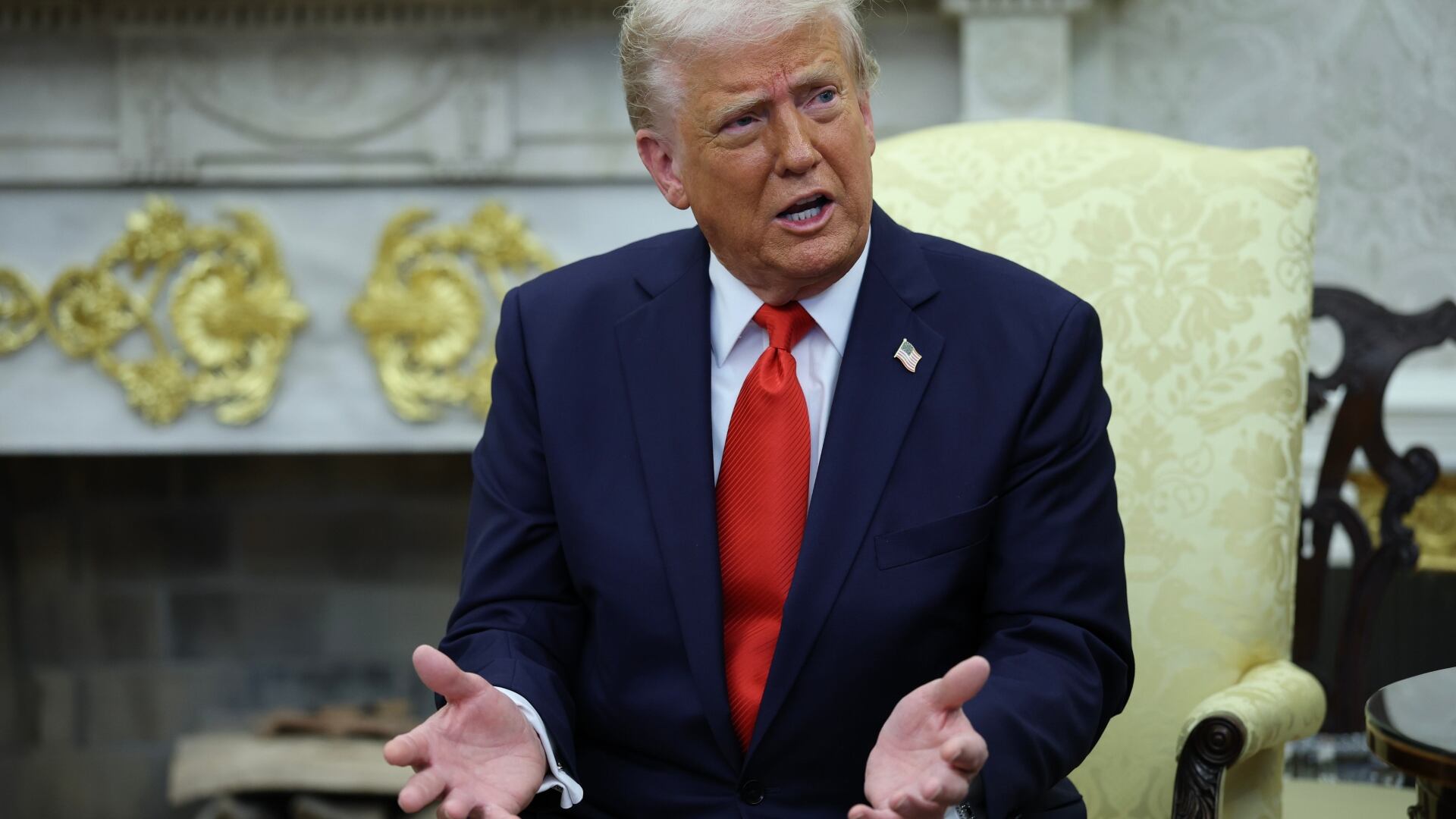
“He’s a tremendous leader,” Trump said Wednesday at the New York courthouse where the former president, who is now the Republican front-runner for president in 2024, is on trial over a lawsuit alleging business fraud. “He’s going to make us all proud.”
Biden called to congratulate the new speaker and said it’s “time for all of us to act responsibly” to fund the government and provide aid for Ukraine and Israel.
“We need to move swiftly,” the president said in a statement.
In the House, far-right members had refused to accept a more traditional speaker, and moderate conservatives didn't want a hard-liner. But the affable Johnson, who has been in office less than a decade, drew lawmakers together through his evangelical faith, his conservative roots and Trump's nod after more seasoned leaders had failed.
Rep. Matt Gaetz, R-Fla., who led the small band of eight hardliners who ousted McCarthy, said, “You watch and see how much this House of Representatives can actually get done under Mike Johnson.”
Democrats quickly criticized Johnson as an extreme conservative, a strict opponent of abortion access and an architect of Trump's legal effort to overturn the 2020 presidential election he lost to Democrat Biden.
“Republicans have chosen a MAGA acolyte to push an extreme agenda in the House at the expense of middle-class families,” said Rep. Suzan DelBene, the chair of the Democrats' campaign committee, referring to Trump's Make America Great Again campaign slogan.
Anxious and exhausted, Republican lawmakers are desperately trying to move on.
Lawmakers quickly reconvened to get back to work, approving a resolution saying the House “stands with Israel” and “condemns Hamas’ brutal war.” Next, they turned to a stalled government funding bill.
Rather than take a scheduled work period at home, the Republicans rearranged the House calendar to return to Washington next week and keep pushing through the various government funding bills ahead of the Nov. 17 deadline.
In a letter to colleagues, Johnson outlined priorities that include providing a stopgap government funding bill, into next year, to prevent a November shutdown — almost the same move that led to McCarthy's ouster.
And while Johnson has spoken of the importance of helping fund Israel in the fight against Hamas, he has shown little interest in providing additional money for Ukraine as it battles Russia into the brutal winter months.
Most Republicans voted against the budget deal McCarthy struck with Biden earlier this year, demanding steeper spending cuts than the levels they agreed to. Johnson will need to navigate the far-right demands with the realities of keeping the government functioning.
Similar Republican infighting chased former GOP speakers John Boehner, Paul Ryan and Newt Gingrich to early departures. The difference now is that Republican rules allow any single lawmaker to force a vote to remove the speaker from office, the threat that ultimately ousted McCarthy.
Johnson's rise comes after a tumultuous month, capped by a head-spinning Tuesday that within a span of a few hours saw one candidate, Rep. Tom Emmer, the GOP whip, get nominated and then quickly withdraw after Trump bashed his nomination.
Overnight, the endorsements for Johnson started pouring in, including from the failed speaker hopefuls. Rep. Jim Jordan, the hard-charging Judiciary Committee chairman backed by Trump, gave his support, as did Majority Leader Steve Scalise, the fellow Louisiana congressman rejected by Jordan’s wing, who stood behind Johnson after he won the nomination.
A lawyer specializing in constitutional issues, Johnson had rallied Republicans around Trump’s legal effort to overturn the 2020 election results.
The congressman, who drew on his Christian beliefs, said to the American people watching, “Our mission here is to serve you well and to restore the people’s faith in this House.”
Associated Press writers Jill Colvin in New York and Darlene Superville contributed to this report.