When you think of volcanoes in the United States, Hawaii likely comes to mind. However, America's most dangerous volcano isn't on an island.
Mount St. Helens sits just miles from the city of Seattle, and has erupted regularly throughout the past century. It last erupted on May 18, 2017, but scientists have picked up subterranean activity recently near the volcano.
Steve Olson, Author of "Eruption: The Untold Story of Mount St. Helens" discusses the likelihood of another eruption in the near future. He also takes a look at some of the other active volcanoes in the United States.
If a volcano erupts near a large city like Seattle, it would not only be dangerous for the people who live there, but very costly for the businesses located in the area. Olson discusses the economic impact that an eruption would have.
New research shows that exposure to polyfluoroalkyl substances (PFAS), also known as "forever chemicals" can hamper growth and development in children by "altering hormonal and metabolic pathways."
The Centers for Disease Control and Prevention (CDC) on Monday warned that a deadly fungus called Candida auris (C. auris) is spreading at an "alarming rate" in the U.S. healthcare facilities.
Karuna Therapeutics' top-experimental schizophrenia drug significantly reduced symptoms in a late-stage trial but there were concerns that it could cause hypertension in patients.
One of television's most successful writers made a big donation to the Cedars Sinai Medical Center in Los Angeles to help underserved community members gain the skills to become health care professionals.
The UN Intergovernmental Panel on Climate Change (IPCC) has released a new report providing multiple options for how the world can survive and adapt to climate change.
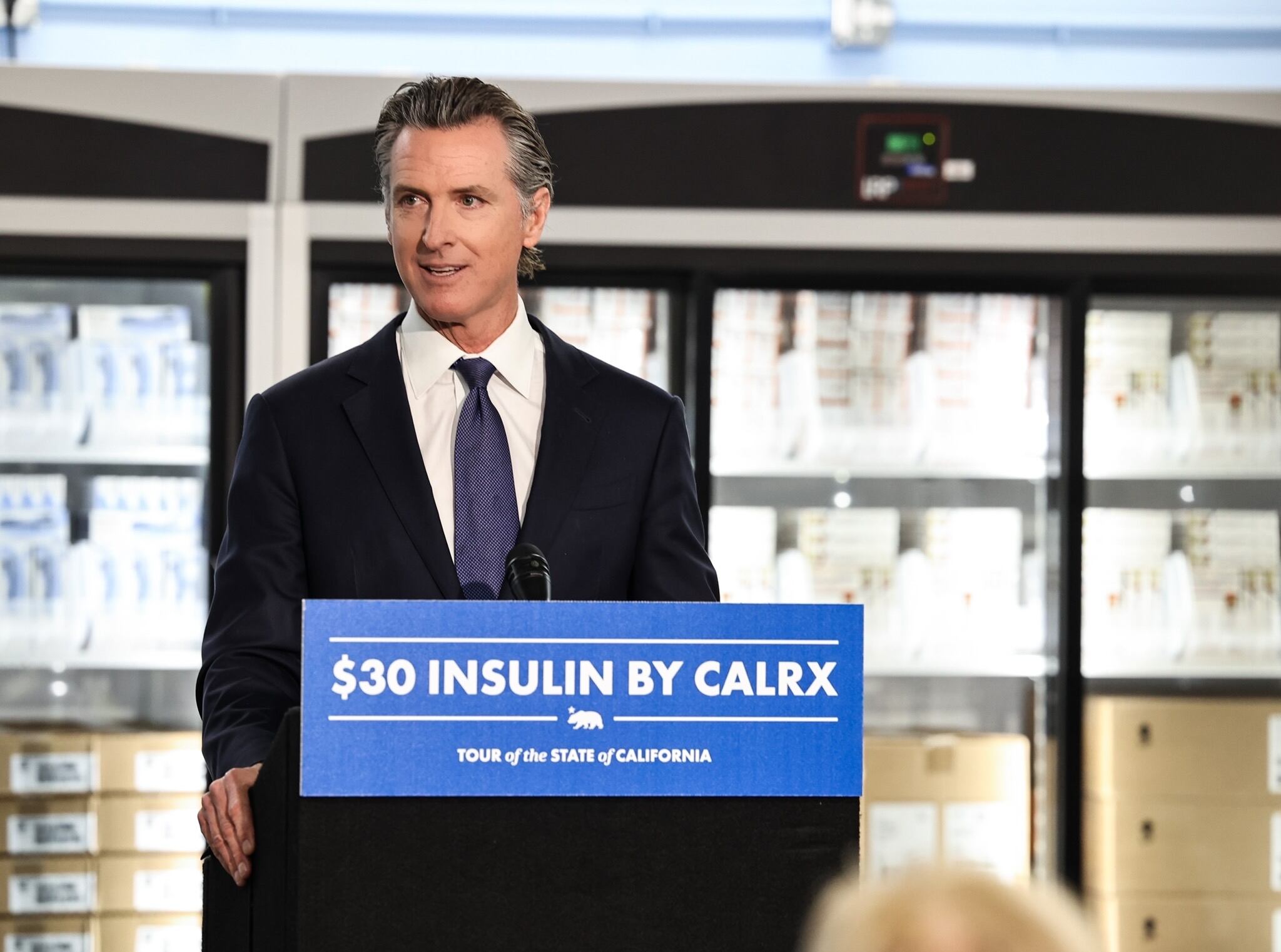
California Gov. Gavin Newsom over the weekend announced that the state has secured a contract with CIVCA to make $30 insulin available to all who need it. He also announced that the state will start manufacturing Naloxone, an emergency medication used to rapidly reverse the effects of an opioid overdose.
The global bottled water industry is booming, and it's coming at a steep environmental cost, according to the United Nations University Institute for Water, Environment and Health.