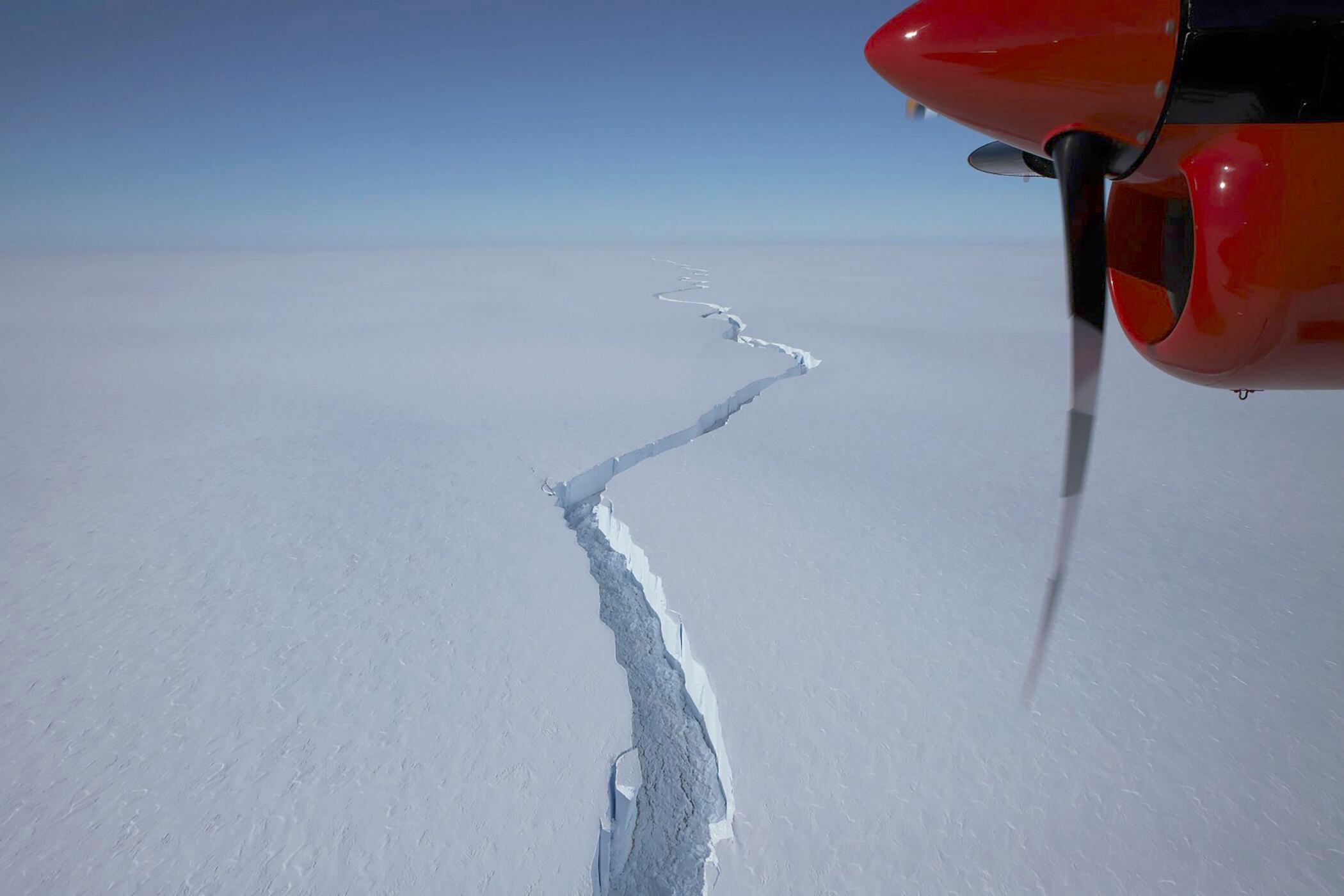
A aerial view taken in Jan. 2021 and issued on Friday July 26, 2021 by the British Antarctic Survey showing a massive crack in the Brunt Ice Shelf in Antarctica. A huge iceberg the size of the English county of Bedfordshire has broken off the 150-m thick Brunt Ice Shelf, almost a decade after scientists at British Antarctic Survey (BAS) first detected growth of vast cracks in the ice.(British Antarctic Survey via AP)
A huge iceberg, the size of the UK county of Bedfordshire, has broken off the Brunt Ice Shelf.
The phenomenon is known as calving and comes almost a decade after scientists at the British Antarctic Survey (BAS) first detected the growth of vast cracks in the ice.
The first indication that a calving event was imminent came in November 2020 when a new chasm – named North Rift – headed towards another large chasm near the Stancomb-Wills Glacier Tongue 35 km (21.7 miles) away.
It's the third major crack in the ice shelf that's become active in the last ten years.
During January, the rift pushed northeast at up to 1 km(0.62 miles) per day, cutting through the 150 meters (492 feet) thick floating ice shelf.
The iceberg was formed when the crack widened several hundred meters in a few hours on the morning of 26th February, finally breaking free from the rest of the floating ice shelf.
The calving is not expected to pose a threat to BAS's Halley Research Station which is located on the Brunt ice shelf.
Research now shows dogs tend to age better when they have plenty of interaction with humans and other pets, according to a study published in the journal Evolution, Medicine & Public Health.
Children who lived closer to natural gas wells in heavily drilled western Pennsylvania were more likely to develop a relatively rare form of cancer, and nearby residents of all ages had an increased chance of severe asthma reactions, researchers said in reports released Tuesday evening.
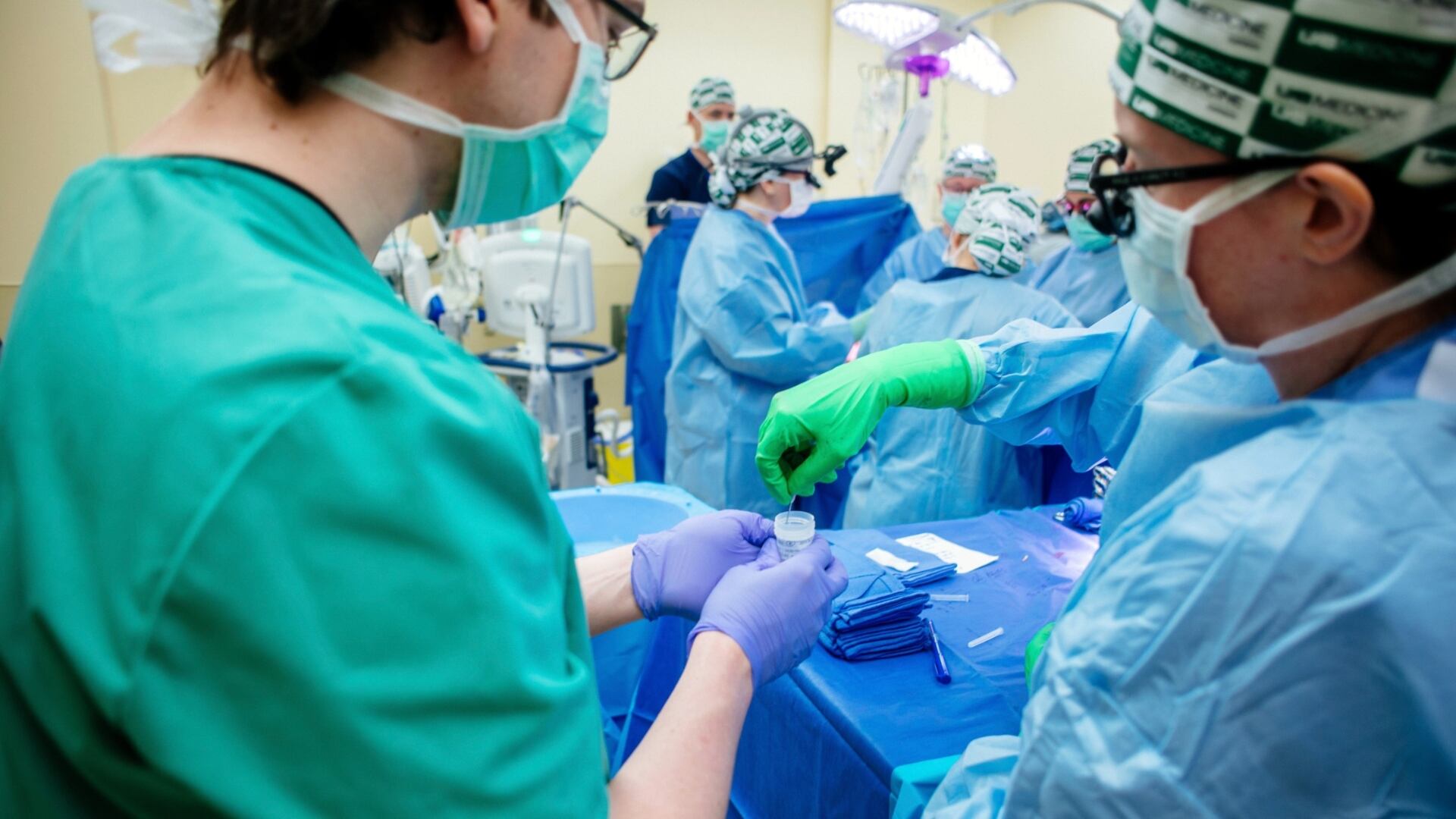
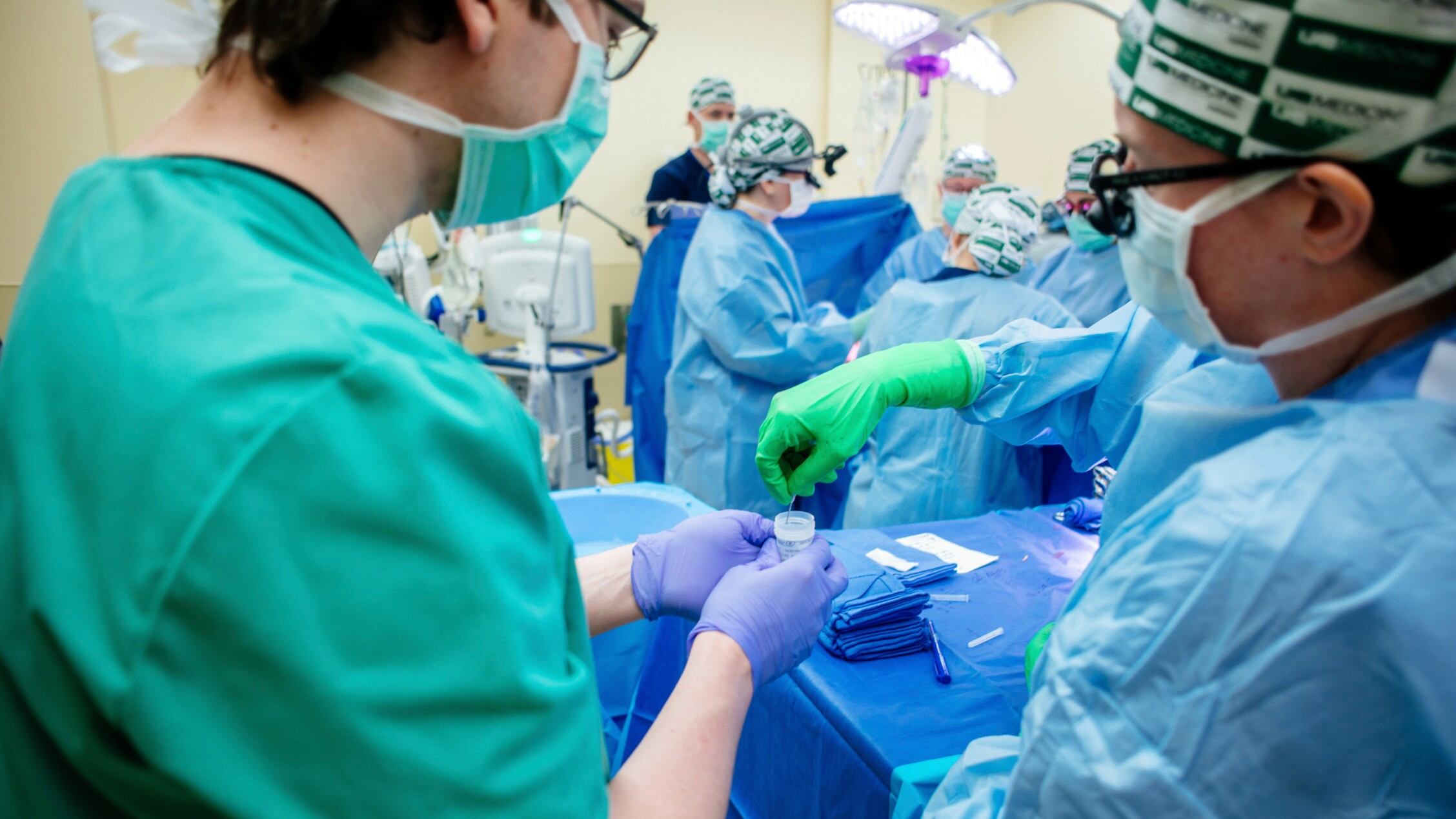
Surgeons transplanted a pig’s kidney into a brain-dead man and for over a month it's worked normally — a critical step toward an operation the New York team hopes to eventually try in living patients.