The solution to all of our autonomous driving issues could lie on the iconic Las Vegas Motor Speedway.
The Indy Autonomous Challenge, which is in its fourth year, has returned to offer a select few college students a chance to develop and perfect their own self-driving technology. Students from 21 universities across nine countries compete to see whose self-driving tech will carry their team past the checkered flag on race day.
Not only does the winning university get to compete for bragging rights and a $1 million prize, the tech they develop could also be brought to market for commercial use.
The students push the race cars to their physical limits, sometimes topping speeds of 170 mph. The hope is to identify how autonomous capabilities degrade over time so that they can be perfected for commercial use.
"I would probably say rather than implement unique strategies, we're all trying to be the best at perfecting our bugs and our problems. We're trying to do it quicker than the rest to achieve that basic autonomy," Stephanie Meyer, team lead at Autonomous Tiger Racing, told Cheddar News.
She also said the one of the biggest goals is to change public perception about autonomous driving and reassure them that it can be a safe and fun technology to use.
Deep Fission CEO Liz Muller discusses underground nuclear reactors, powering AI, cutting energy costs, and why the future of clean power may be below ground.
Quantum computing is moving from science fiction to national strategy. Infleqtion CEO Matt Kinsella explains Trump's new executive order and what it means.
Foundation Robotics co-founder Michael LeBlanc explains how humanoid robots are moving from the lab to military and industrial missions and what comes next.
Jeff Burnstein, President of the Association for Advancing Automation (A3), discusses humanoid robots, AI, smart manufacturing, and the future of U.S. industry.
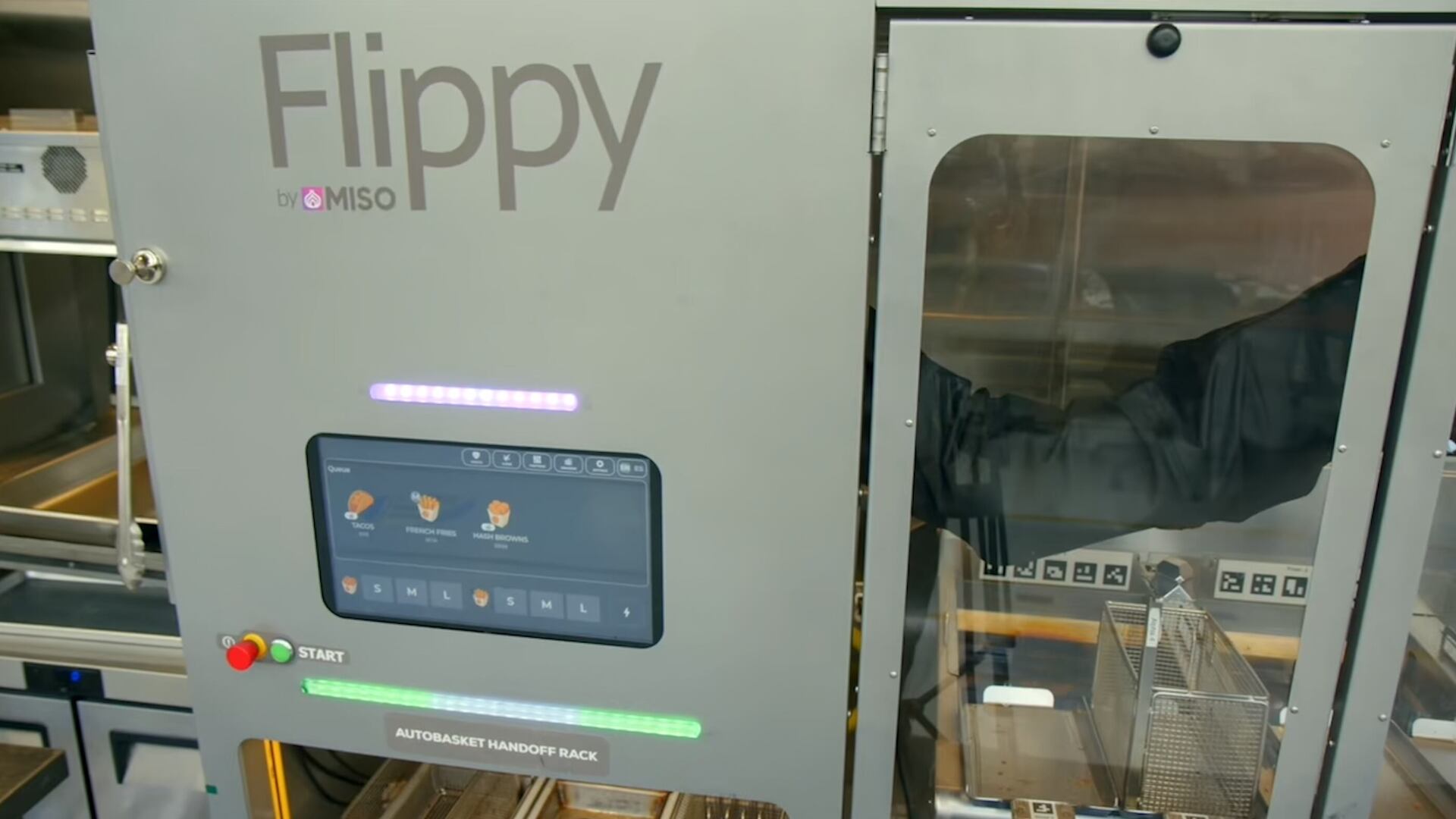
Miso Robotics CEO Rich Hull discusses Flippy Fry Station, the future of AI-powered restaurant automation and how acquiring Zume's IP could reshape food robotics
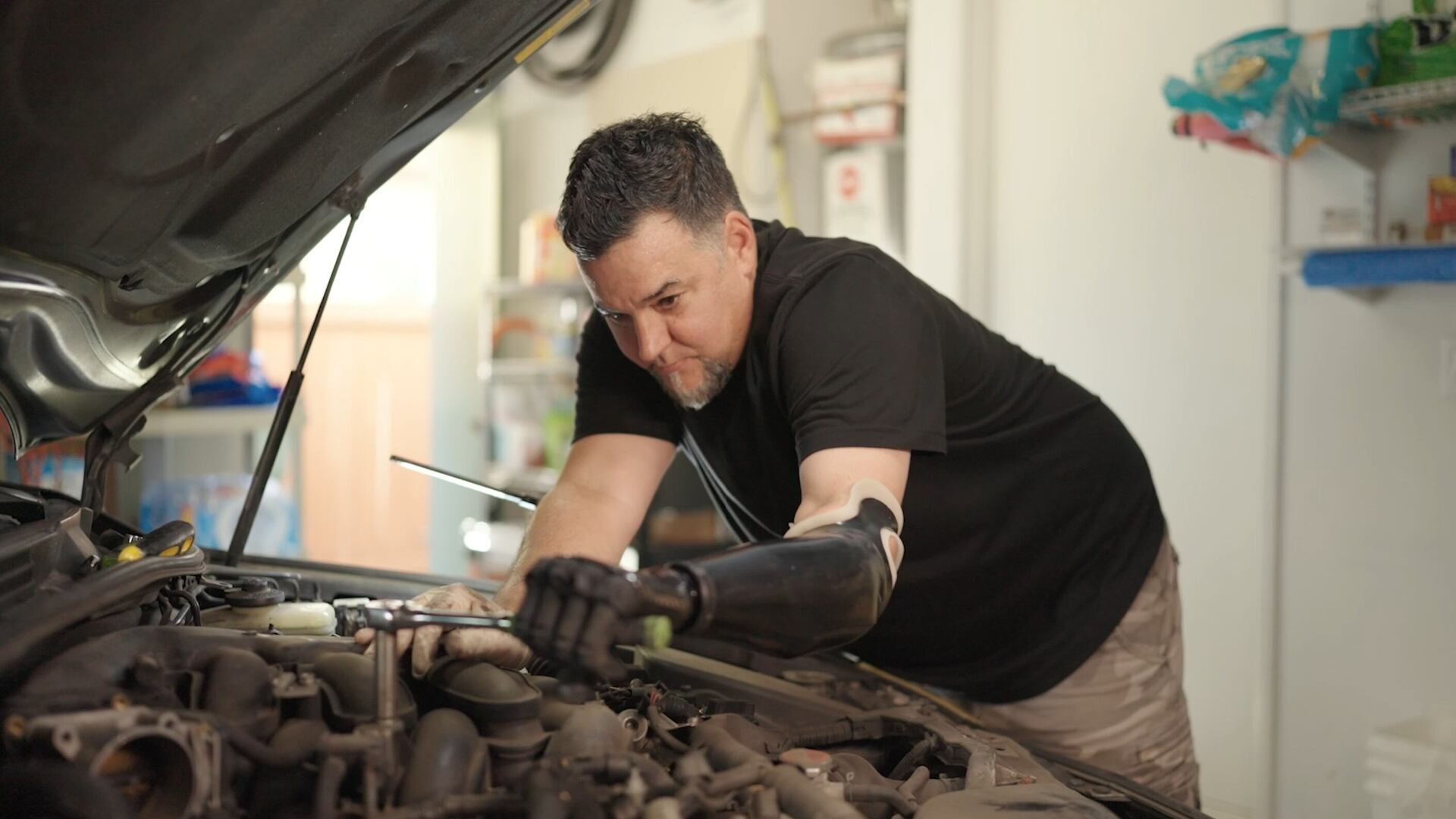
PSYONIC CEO Dr. Aadeel Akhtar explains how the company's Ability Hand restores sensation for amputees while helping train smarter, more capable AI robots.