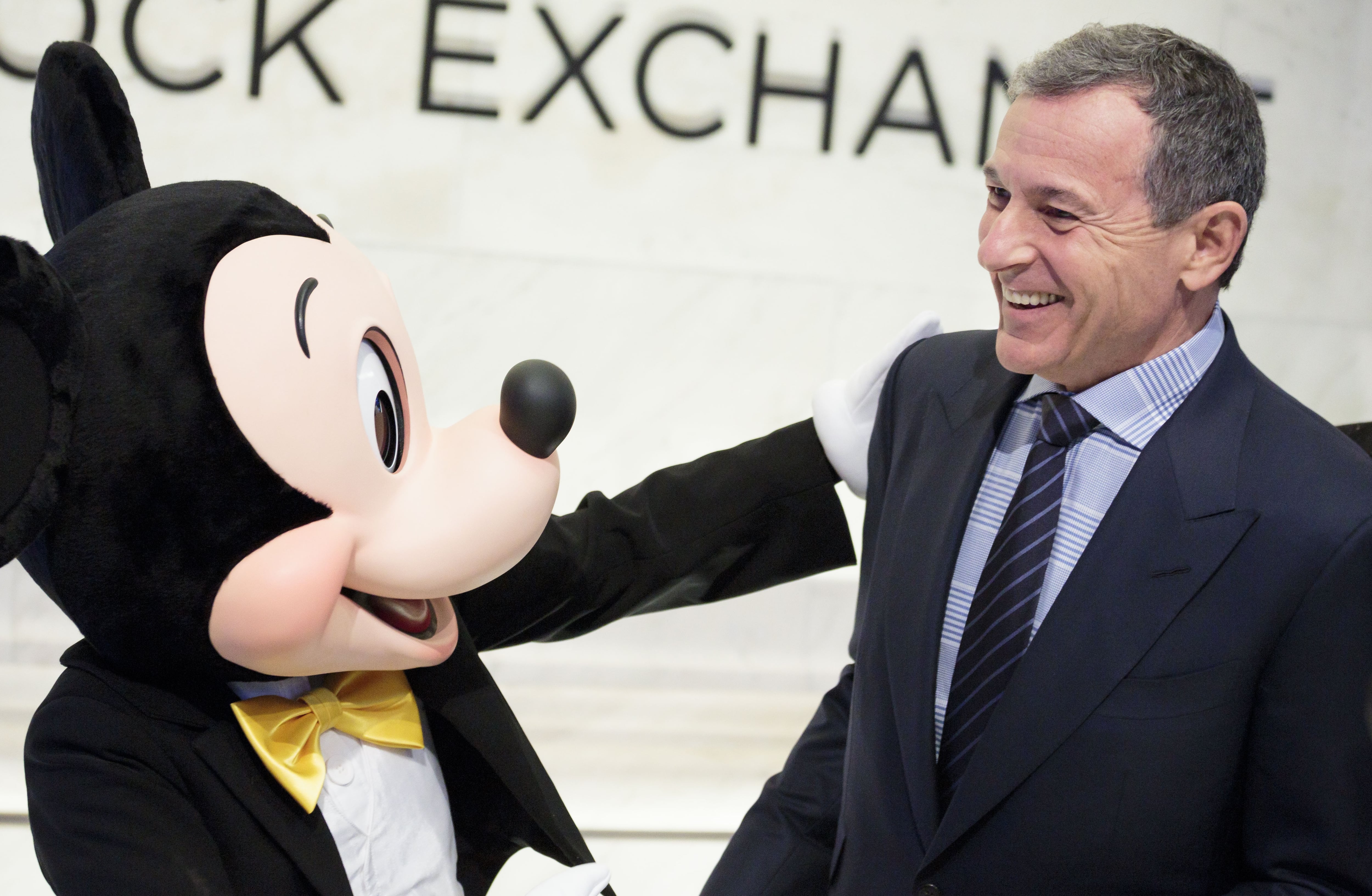
Disney CEO Bob Iger can’t stop buying companies. But is it always strategic for him to do so, or is his shopaholism hamstringing the company for the future?
One of Mr. Iger’s first major actions as CEO of Disney was to bring Pixar back to Disney after their initial five-film distribution contract was up. He succeeded, and Disney purchased Pixar for $7.4 billion. The acquisition resulted in an immediate creative and financial boom with the likes of “Wall-E,” “Ratatouille,” and the best pictures nominees of “Up” and “Toy Story 3.”
Then, for decades, Disney had been trying to break into the young boys market, throwing anything at the wall from “Prince of Persia” to “John Carter” to see what stuck. When nothing did, Iger purchased Marvel. After that, he bought Lucasfilm, gaining the rights to “Star Wars.” The boys’ market was now Disney’s.
Marvel kept climbing until its eventual apex of “Avengers Endgame” briefly being the highest grossing film of all time and Disney’s era of “Star Wars” burst onto the scene with “The Force Awakens,” which is still the highest grossing movie domestically, even a decade later.
Then things started to fall apart. Pixar became a shell of its former self with profitable sequels like “Cars 2” and “Finding Dory” and new originals plagued with production issues like “Brave” and “The Good Dinosaur.” After “Endgame,” Marvel lost its rudder. They made dozens of movies and shows about characters few people cared about for more money than God, and then acted confused when they couldn’t turn a profit. “Star Wars” produced a movie a year, five years straight, until everyone got sick of the movies.
Iger’s only original creation, Disney’s streaming service, Disney+, had a big hand in this, making all of these divisions overproduce exclusive content to drive consumers to its platform.
Iger wrung out every company he purchased. Will he finally start planting the seeds for new, original ideas that could blossom into potential franchises in the future? No. He purchased 20th Century Fox, and plans to do the same thing there. You better like “Alien,” “Predator,” and “Avatar” because Mr. Iger is gonna feed them to you until you explode.