By Wyatte Grantham-Philips and Geoff Mulvihill
Thirteen Republican state attorneys general are cautioning CEOs of the 100 biggest U.S. companies on the legal consequences for using race as a factor in hiring and employment practices, demonstrating how the Supreme Court’s recent ruling dismantling affirmative action in higher education may trickle into the workplace.
The state attorneys general sent a letter to the CEOs on Thursday arguing that the controversial June ruling declaring that race cannot be a factor in college admissions — consequently striking down decades-old practices aimed at achieving diverse student bodies — could also apply to private entities, like employers.
“Treating people differently because of the color of their skin, even for benign purposes, is unlawful and wrong," they wrote. The GOP officials also suggested that Diversity, Equity and Inclusion programs could be a form of discrimination.
The letter and similar actions elsewhere have raised questions about the far-reaching consequences of the Supreme Court decision beyond higher education. But experts note the court's ruling itself doesn't directly change current employer obligations or commitments to DEI.
“The decision itself does not legally impact Title VII (of the Civil Rights Act), which is what governs employment discrimination or discrimination in the workplace," Greg Hoff, associate counsel of the HR Policy Association, told The Associated Press.
Hoff and others say the court's ruling only applies to higher education institutions and other entities that receive federal funding. They also note that affirmative action in college admissions is very different from DEI efforts in workplaces, which can include expanding outreach for new hires, creating employee resource groups for underrepresented workers, and reducing bias in hiring through such practices as “blind” applications.
“What we’ve been seeing a lot of since the decision came down is political opponents of DEI ... conflating affirmative action with DEI more broadly — because it serves their political purposes,” said David Glasgow, executive director of the Meltzer Center for Diversity, Inclusion and Belonging at New York University’s School of Law. “I think there’s a lot of quite deliberate attempts to muddy the waters here.”
Beyond DEI, affirmative action in the workplace is technically still upheld by Supreme Court precedent, Glasgow adds. But workplace affirmative action is rare, and he suspects today's court would likely overrule those cases if challenged, mirroring the college admissions decision.
While Thursday's letter doesn't mark legal action, experts expect future litigation down the road. The attorneys' general letter also isn't the first time officials have argued that the Supreme Court's ruling applies to private employers.
Last week, Sen. Tom Cotton, R-Arkansas, sent a letter to Target CEO Brian Cornell stating that the company's DEI program and “racial quota for hiring” was discriminatory while also pointing to the affirmative action ruling. Target did not immediately respond to The Associated Press' request for comment on Friday.
“They’re starting with letters, but I don’t think that they’re bluffs,” Temple University assistant professor of law Zamir Ben-Dan said. “It’s going to be a problem.”
The attorneys general said they would be paying attention to companies’ practices in hiring employees and contractors — and called out companies including Airbnb, Facebook, Google, Goldman Sachs, Microsoft and Netflix for programs intended to increase racial diversity with hires and suppliers.
In response, employers may take steps to avoid litigation, Hoff and HR Policy Association president and CEO Tim Bartl said.
“The increased risk for employers is this increased risk of litigation as a result of the decision — but again, not because of any changing obligations under Title VII,” Hoff said.
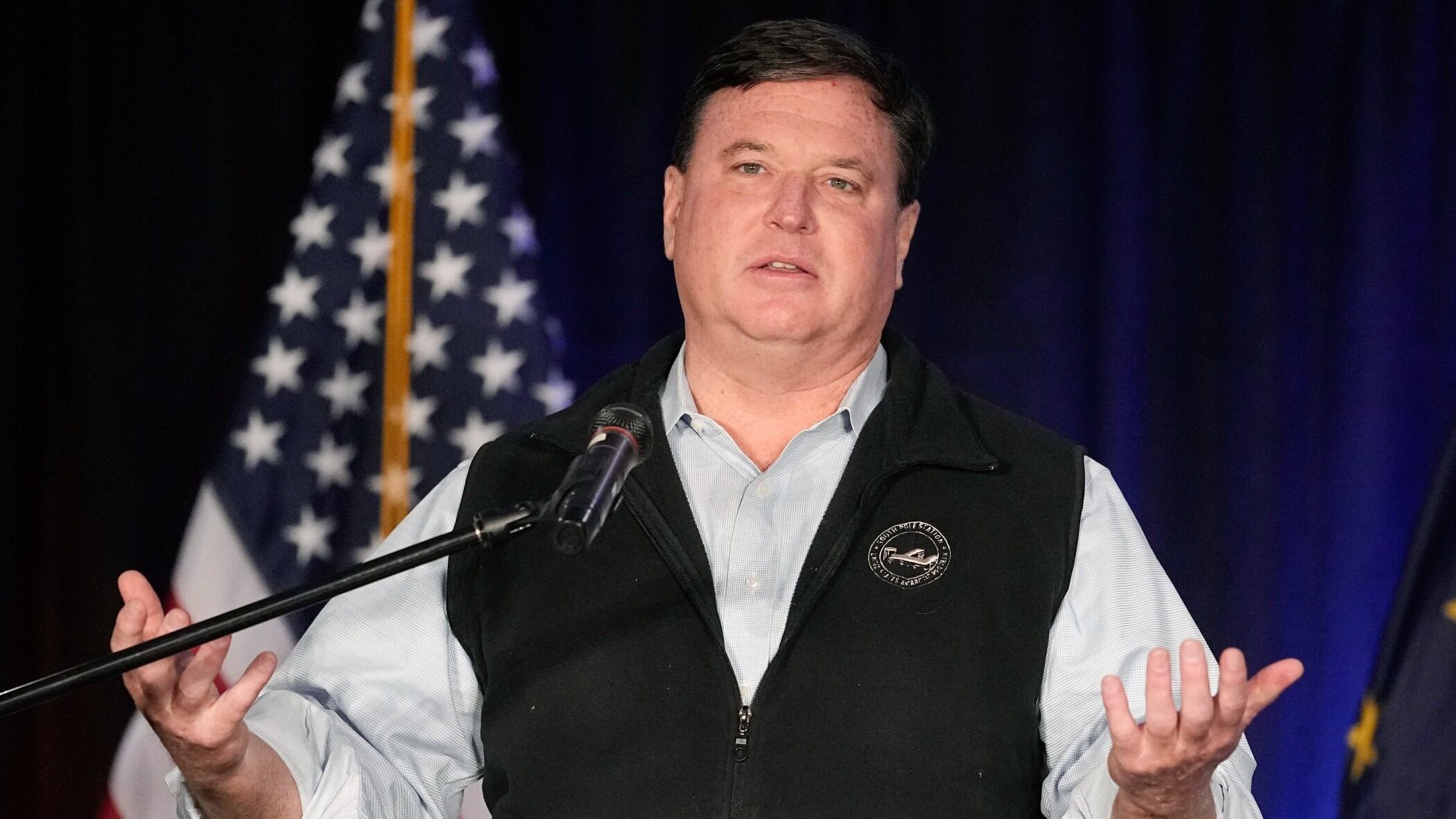
Tennessee Attorney General Jonathan Skrmetti, one of the signatories, said that the letter isn’t a warning to companies as much as it is a heads-up that racial preferences could run afoul of the law. He added that the group decided to take action in part to respond to speculation about the Supreme Court ruling not applying to employment.
“The court was very clear,” he said in a Friday interview. “The appropriate response to racial discrimination is not more racial discrimination.”
Not all state attorneys general cheered last month’s ruling or are eager to apply it outside college admissions. Only about half the nation’s Republican AGs signed the letter. And Democrats have been condemning the Supreme Court’s affirmative action ruling.
“For decades the Supreme Court has upheld targeted affirmative action programs to increase diversity in higher education,” the co-chairs of the Democratic Attorneys General Association, Nevada’s Aaron Ford and Delaware’s Kathy Jennings, said in a statement June 29, calling that day’s ruling “a major step backwards that tramples on those ideals.”
Ben-Dan anticipates that the results of any action taken in the workplace to undercut DEI will mimic what already happened when affirmative action had previously been weakened in higher education, noting that enrollment for nonwhite students — particularly Black students — went down after California banned affirmative action in 1996, for example.
“I imagine that it’s going to lead to a decline in racial diversity in workforces," he said.