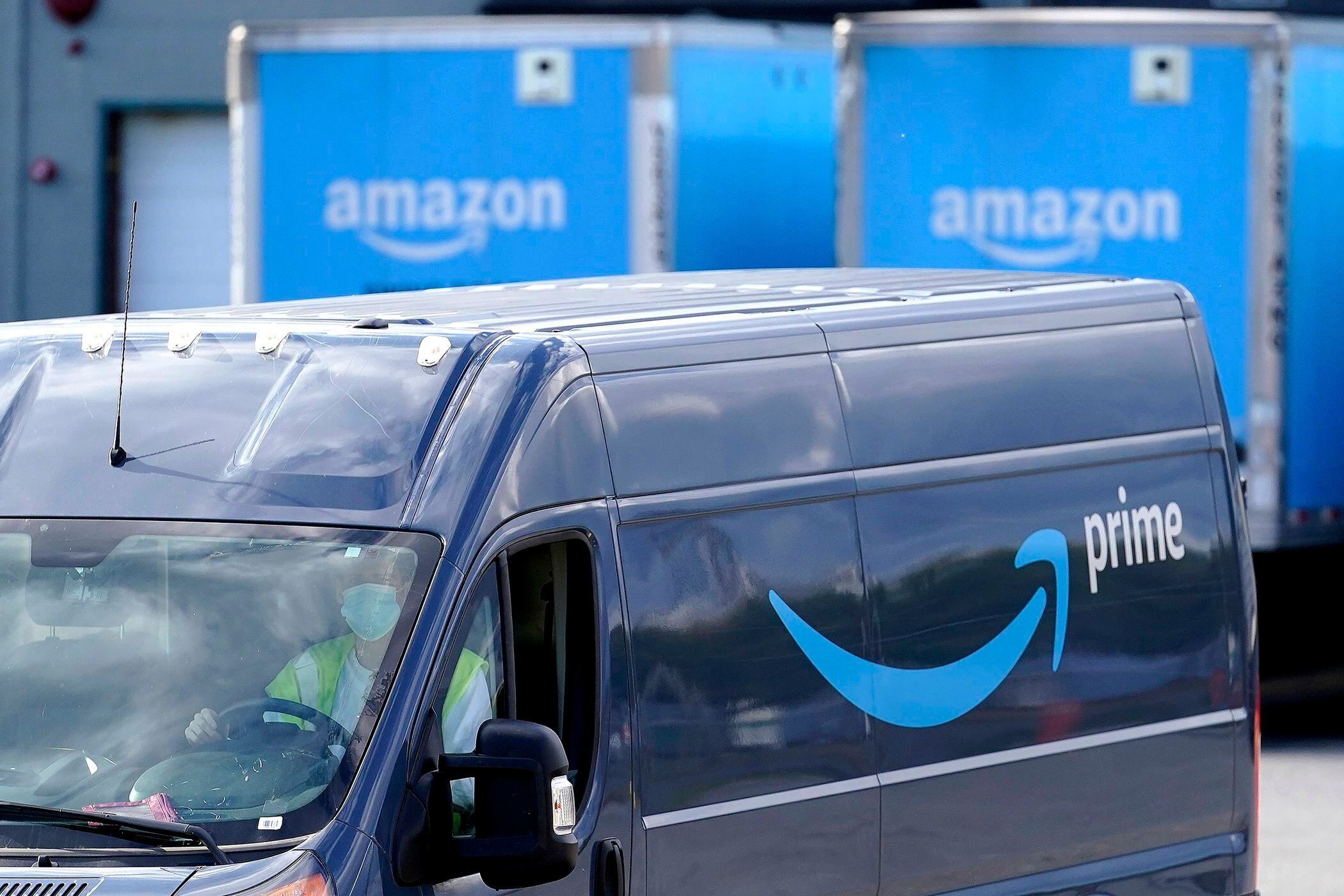
In this Oct. 1, 2020 file photo, an Amazon Prime logo appears on the side of a delivery van as it departs an Amazon Warehouse location in Dedham, Mass. Amazon is paying nearly $62 million to settle charges that it took tips from its delivery drivers. The Federal Trade Commission said Tuesday, Feb. 2, 2021, that for more than two years, Amazon didn’t pass on tips to drivers, even though it promised shoppers and drivers it would do so. (AP Photo/Steven Senne, File)
Amazon is paying nearly $62 million to settle charges that it took tips from its delivery drivers. The Federal Trade Commission said Tuesday that for more than two years, Amazon didn’t pass on tips to drivers, even though it promised shoppers and drivers it would do so. The FTC said Amazon didn’t stop taking the money until 2019 when the company found out about the FTC’s investigation. Seattle-based Amazon.com Inc. did not immediately respond to a request for comment Tuesday. The online shopping giant will pay $61.7 million to settle the charges, which the FTC said will go back to drivers.
Skift airline reporter Meghna Maharishi breaks down how the government shutdown is hitting air traffic control—and what it means for travelers and flight safety
Aya Kantorovich, Co-CEO of August Digital, breaks down Bitcoin’s surge, crypto ETFs, institutional investment trends, and the future of safer crypto access.
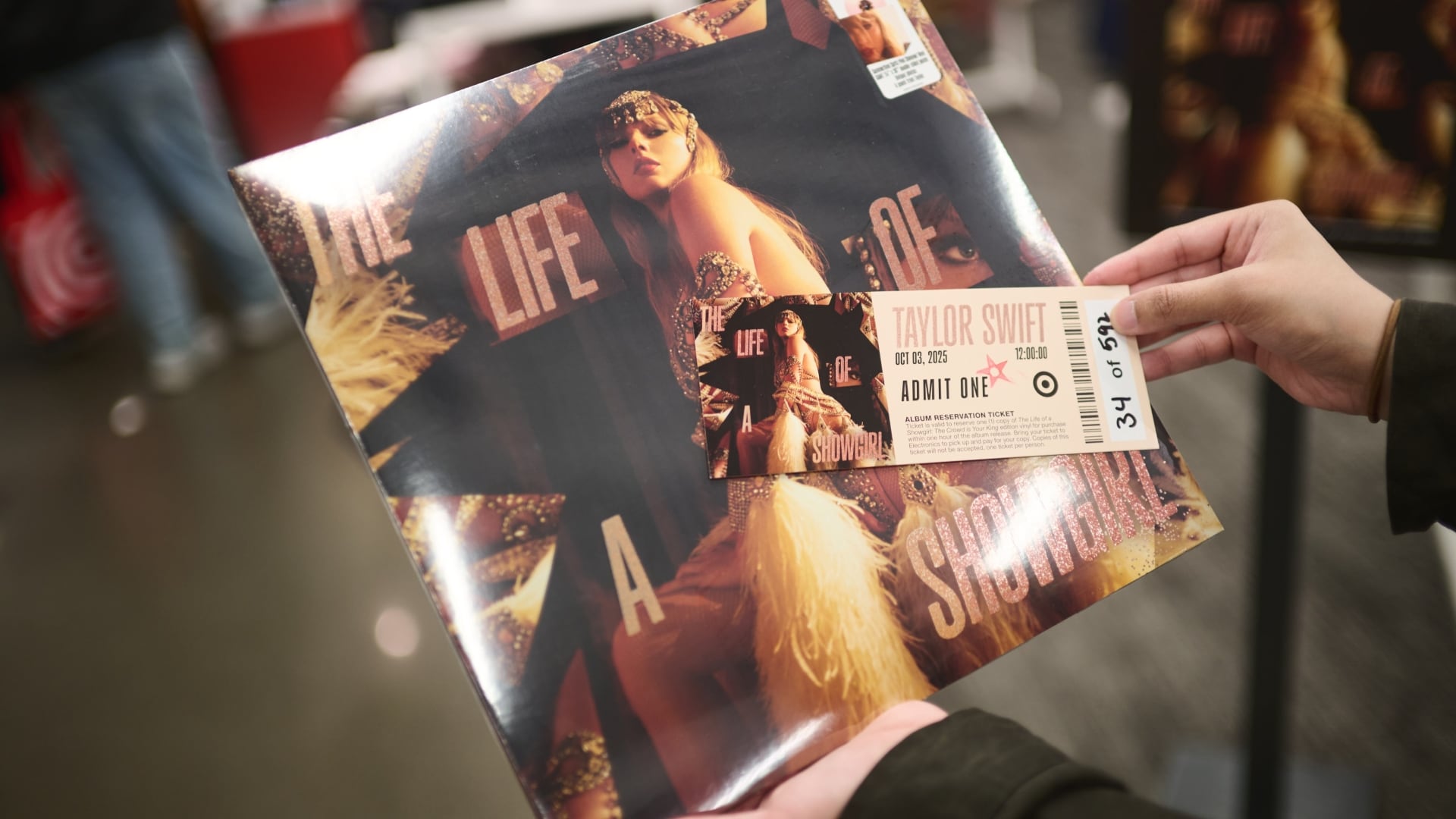
Sinead O’Sullivan breaks down Taylor Swift’s genius marketing for The Life of a Showgirl, which just set the record for most albums sold in a single week.
Markets are emerging from a turbulent Q3. Horizon’s Mike Dickson shares insights on interest rates, small caps, and where investors should look in Q4 and beyond
Bambu Ventures's Kyle Pretsch dives into Lemonaid’s $10M buyout, down from 23andMe’s $400M price tag, and what’s next after Chrome Co.’s dramatic pivot.
Grove Collaborative’s CEO shares how the company is reinventing everyday goods with sustainability at the core and working toward a plastic-free future.
Atlanta Mayor Andre Dickens shares plans for affordable housing, community-led growth, and why private and public grocery stores could be key to food equity.