By Amanda Seitz
Two hospitals that refused to provide an emergency abortion to a pregnant woman who was experiencing premature labor put her life in jeopardy and violated federal law, a first-of-its-kind investigation by the federal government has found.
The findings, revealed in documents obtained by The Associated Press, are a warning to hospitals around the country as they struggle to reconcile dozens of new state laws that ban or severely restrict abortion with a federal mandate for doctors to provide abortions when a woman's health is at risk. The competing edicts have been rolled out since the Supreme Court overturned the constitutional right to an abortion last year.
But federal law, which requires doctors to treat patients in emergency situations, trumps those state laws, the nation's top health official said in a statement.
“Fortunately, this patient survived. But she never should have gone through the terrifying ordeal she experienced in the first place," Health and Human Services Secretary Xavier Becerra said. “We want her, and every patient out there like her, to know that we will do everything we can to protect their lives and health, and to investigate and enforce the law to the fullest extent of our legal authority, in accordance with orders from the courts.”
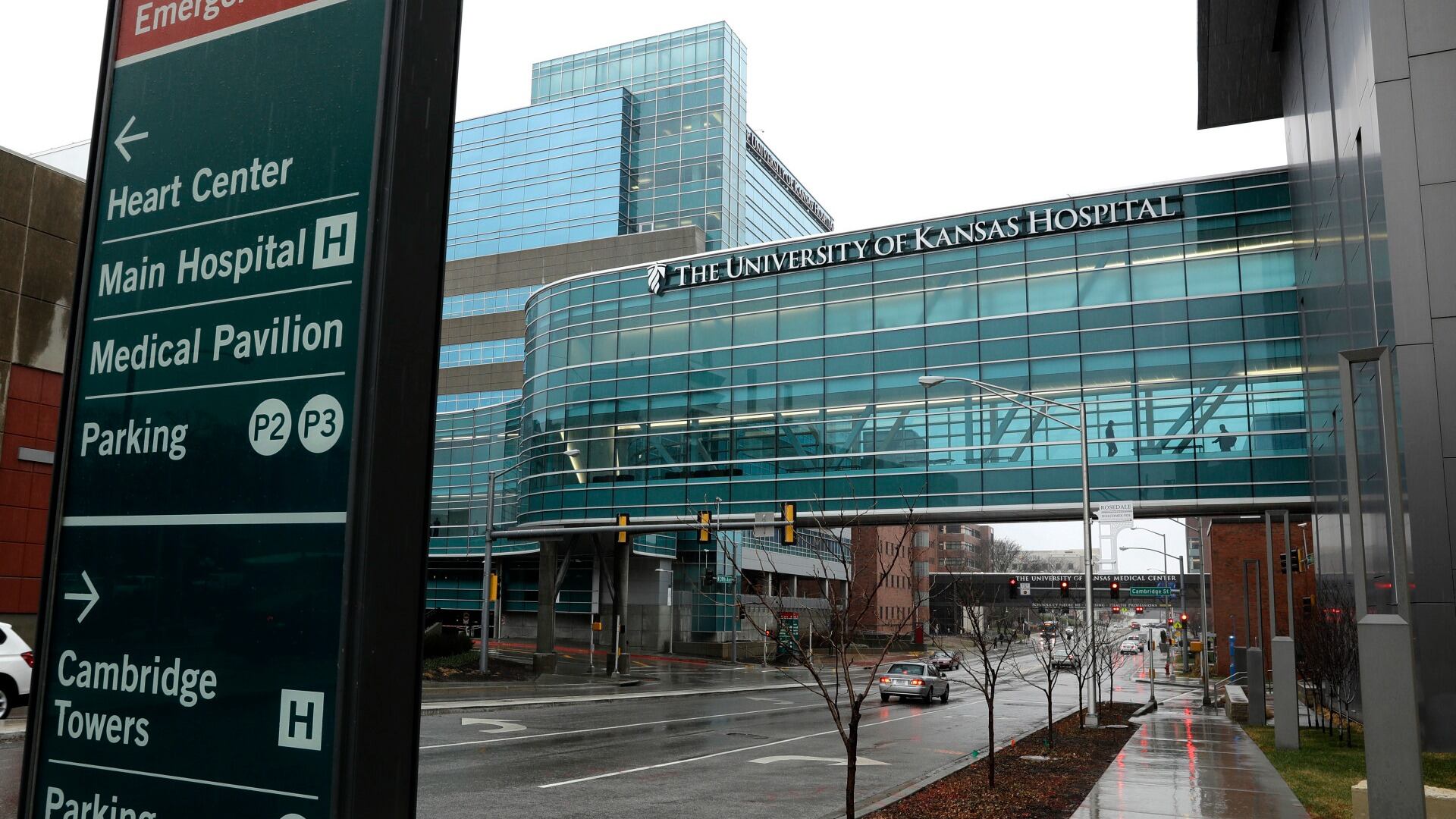
The federal agency's investigation centers on two hospitals — Freeman Health System in Joplin, Missouri, and University of Kansas Hospital in Kansas City, Kansas — that in August refused to provide an abortion to a Missouri woman whose water broke early at 17 weeks of pregnancy. Doctors at both hospitals told Mylissa Farmer that her fetus would not survive, that her amniotic fluid had emptied and that she was at risk for serious infection or losing her uterus, but they would not terminate the pregnancy because a fetal heartbeat was still detectable.
Ultimately, Farmer had to travel to an abortion clinic in Illinois.
“It was dehumanizing. It was terrifying. It was horrible not to get the care to save your life,” Farmer, who lives in Joplin, said of her experience. “I felt like I was responsible to do something, to say something, to not have this happen again to another woman. It was bad enough to be so powerless.”
Farmer's complaints launched the first investigations that the Centers for Medicare & Medicaid Services, or CMS, has publicly acknowledged since Roe v. Wade was overturned last year. Across the country, women have reported being turned away from hospitals for abortions, despite doctors telling them that this puts them at further risk for infection or even death.
President Joe Biden's administration has prodded hospitals not to turn away patients in those situations, even when state law forbids abortions. Weeks after the Supreme Court's ruling, the Democratic administration reminded hospitals that federal law requires them to offer an abortion when a pregnant woman is at risk for an emergency medical condition. The federal government can investigate hospitals that receive Medicare and Medicaid money — which encompasses most facilities in the U.S. — for violations of the law.
CMS has not announced any fines or other penalties against the two hospitals in its investigation, but it did send them notices warning that they were in violation of the law and asking them to correct the problems that led to Farmer being turned away. Federal Medicare investigators will follow up with the hospitals before closing the case.
Abortions are largely banned in Missouri, but there are exceptions for medical emergencies. In Kansas, when Farmer visited the hospital, abortions were still legal up to 22 weeks. It's unclear why University of Kansas Health refused to offer Farmer one. Neither hospital responded immediately to a request for comment on the case.
Nationwide, doctors have reported uncertainty around how to provide care to pregnant women, especially in the nearly 20 states where new laws have banned or limited the care. Doctors face criminal and civil penalties in some states for aborting a pregnancy.
But in a letter sent Monday to hospital and doctors associations that highlights the investigations, Becerra said he hopes the investigations clarify that the organizations must follow the federal law, the Emergency Medical Treatment and Labor Act, or EMTALA.
“While many state laws have recently changed," Becerra wrote, “it’s important to know that the federal EMTALA requirements have not changed, and continue to require that health care professionals offer treatment, including abortion care, that the provider reasonably determines is necessary to stabilize the patient’s emergency medical condition.”