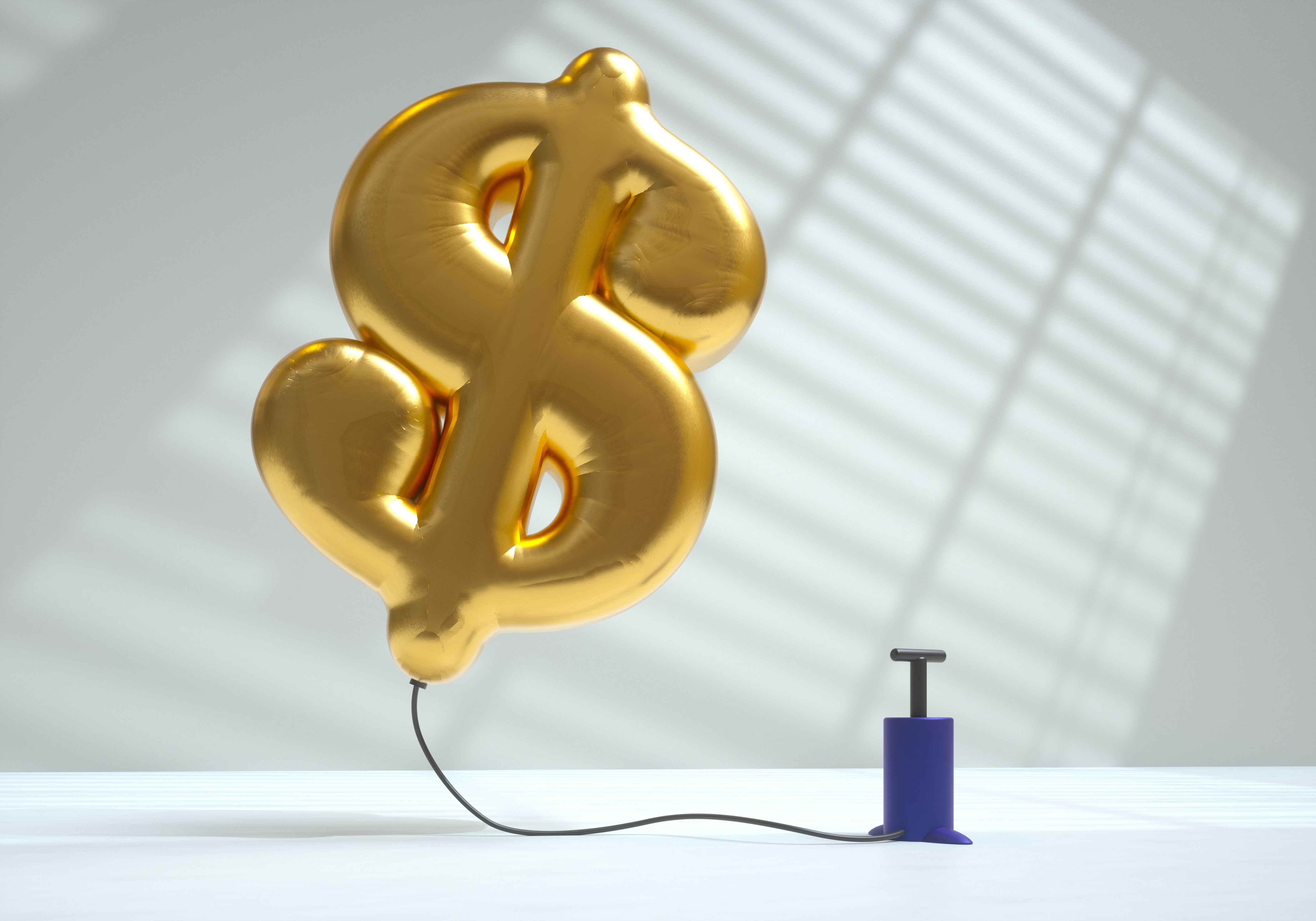
An inflation gauge favored by the Federal Reserve increased in January, the latest sign that the slowdown in U.S. consumer price increases is occurring unevenly from month to month.
The government reported Thursday that prices rose 0.3% from December to January, up from 0.1% in the previous month. But in a more encouraging sign, prices were up just 2.4% from a year earlier, down from a 2.6% annual pace in December and the smallest such increase in nearly three years.
The year-over-year cooldown in inflation is sure to be welcomed by the White House as President Joe Biden seeks re-election. Still, even though average paychecks have outpaced inflation over the past year, many Americans remain frustrated that overall prices are still well above where they were before inflation erupted three years ago. That sentiment, evident in many public opinion polls, could pose a threat to Biden's re-election bid.
Inflation, as measured by the Fed's preferred gauge, fell steadily last year after having peaked at 7.1% in the summer of 2022. Supply chain snarls have eased, reducing costs of parts and raw materials, and a steady flow of job seekers has made it easier for employers to limit wage increases, one of the drivers of inflation. Still, inflation remains above the central bank's 2% annual target.
Excluding volatile food and energy costs, prices rose 0.4% from December to January, up from 0.1% in the previous month. And compared with a year earlier, such so-called “core” prices rose 2.8%, barely down from 2.9% in December. Economists consider core prices a better gauge of the likely path of future inflation.
Behind the monthly rise in inflation were rising costs for services such as hotels, health care and restaurant meals. Hospital services, for example, are becoming more expensive to cover higher labor costs for sought-after nurses and other health care workers. The same trend is also evident in other service industries. It's one reason why inflation has proved more chronic for services than for goods, where prices have eased as company supplies have been replenished.
One bright spot in Thursday's report was that incomes jumped 1% from December to January, led by a 3.2% cost-of-living increase in Social Security and other government benefits. At the same time, the report showed that consumer spending rose just 0.2%. The result was that Americans saved slightly more last month.
Some of January's inflation reflects the fact that companies often raise prices in the first two months of the year, leaving January and February price data high compared with the rest of the year. But the costs of hospital and doctors' services are also rising to offset the sizable pay raises commanded by nurses and other in-demand health care workers.
That trend could help keep inflation elevated in the coming months. But by early spring, most analysts expect prices to settle back to the milder pace of increases that occurred in the second half of 2023, when inflation eased to a 2% annual rate.
January’s uptick in inflation helps explain the concern expressed by many Fed officials, including Chair Jerome Powell, about potentially cutting interest rates too soon this year. One influential official, Christopher Waller of the Fed’s Board of Governors, said this month that he would want to see two more months of inflation data after January’s to determine whether prices were cooling sustainably toward the Fed’s target level.
Beginning in March 2022, the Fed raised its benchmark rate 11 times to attack the worst bout of inflation in 40 years. Those rate hikes have helped cool inflation drastically. But they have also made borrowing much more expensive for consumers and businesses. In particular, high loan rates have throttled sales in the economy’s crucial homebuying sector. Conversely, rate cuts by the Fed, whenever they happen, would eventually lead to lower borrowing costs across the economy.
Thursday’s inflation data mirrors figures released earlier this month that showed that the government’s more widely followed consumer price index also rose faster in January than it had in previous months. The Fed prefers the measure reported Thursday, in part because it accounts for changes in how people shop when inflation jumps — when, for example, consumers shift away from pricey national brands in favor of cheaper store brands.
Several Fed officials have said they’re optimistic that inflation will continue to fall back toward the Fed’s target level, with some downplaying the recent pickup in prices as a one-time jump.
“The path will continue to be bumpy, and we should not overreact to individual data readings,” Susan Collins, president of the Federal Reserve Bank of Boston, said Wednesday. “I remain what I call a ‘realistic optimist’ in thinking that the economy is on a path to 2% inflation on a sustained basis while maintaining a healthy labor market.”
Some other officials sound more uncertain. Jeffrey Schmid, the new president of the Federal Reserve Bank of Kansas City, said this week that “when it comes to too-high inflation, I believe we are not out of the woods yet.”
Outside the Fed, most economists envision a steady, if fitful, slowdown of inflation in the coming months. Economists at Goldman Sachs project that core inflation, as measured by the Fed’s preferred gauge, will drop rapidly to just 2.2% by May — low enough for the Fed to initiate rate cuts in June.