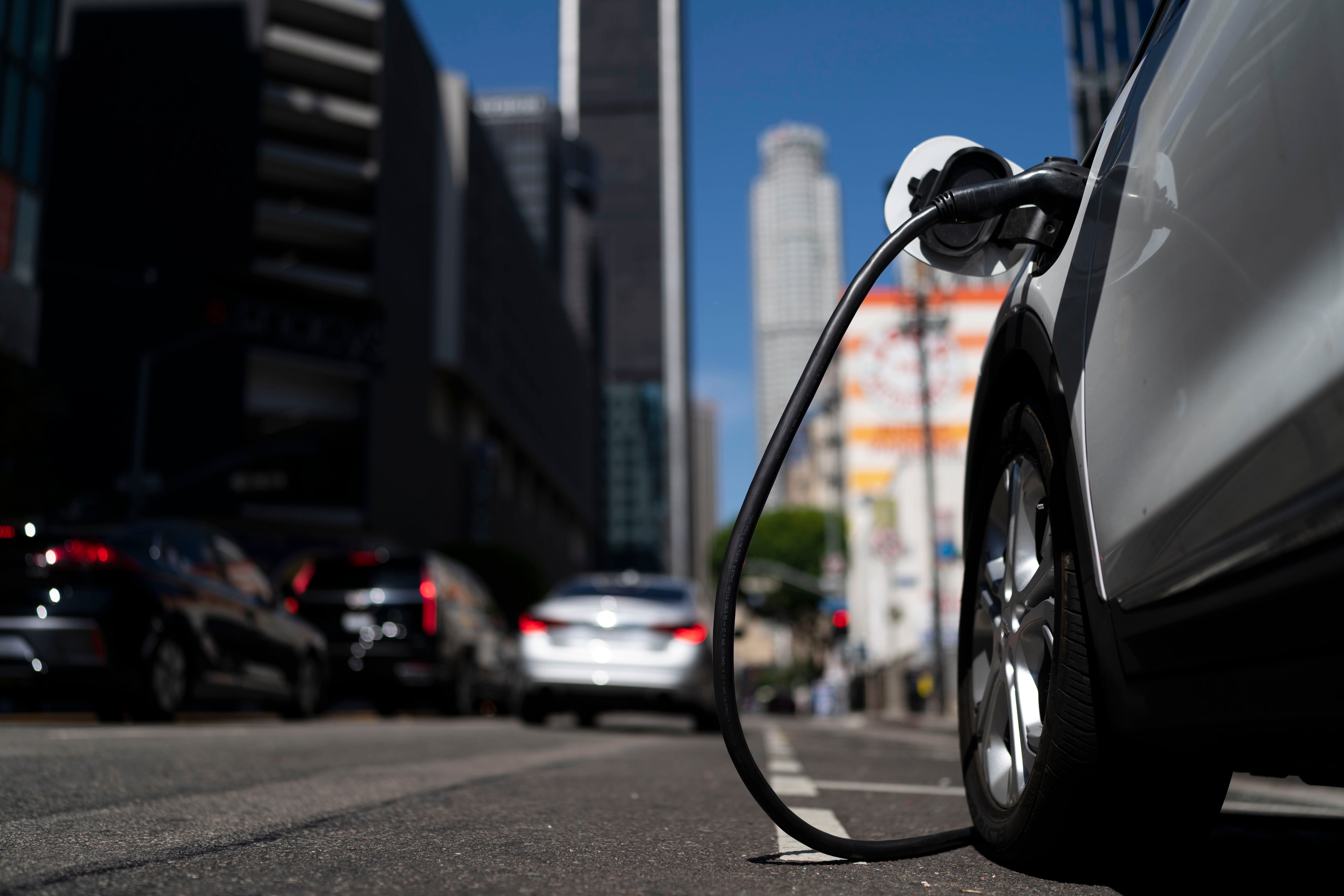
Mobile charging stations have cropped up across urban centers and in high-traffic locations in recent years, a convenient resource for reviving dying phone batteries, but the FBI is issuing a new warning against using the hubs.
The agency cited "bad actors" looking to prey on unsuspecting targets by compromising USB ports on the charging hubs to infect plugged-in devices with malware and monitoring software.
"Carry your own charger and USB cord and use an electrical outlet instead," the FBI said in a tweet.
The agency's warning isn't the first issued to the general public about the potential hazards of public charging stations. In 2021, the FCC issued a "juice jacking" warning as one of the newest cyber-theft tactics.
"Cybersecurity experts have warned that criminals can load malware onto public USB charging stations to maliciously access electronic devices while they are being charged. Malware installed through a dirty USB port can lock a device or export personal data and passwords directly to the perpetrator," the FCC said at the time.
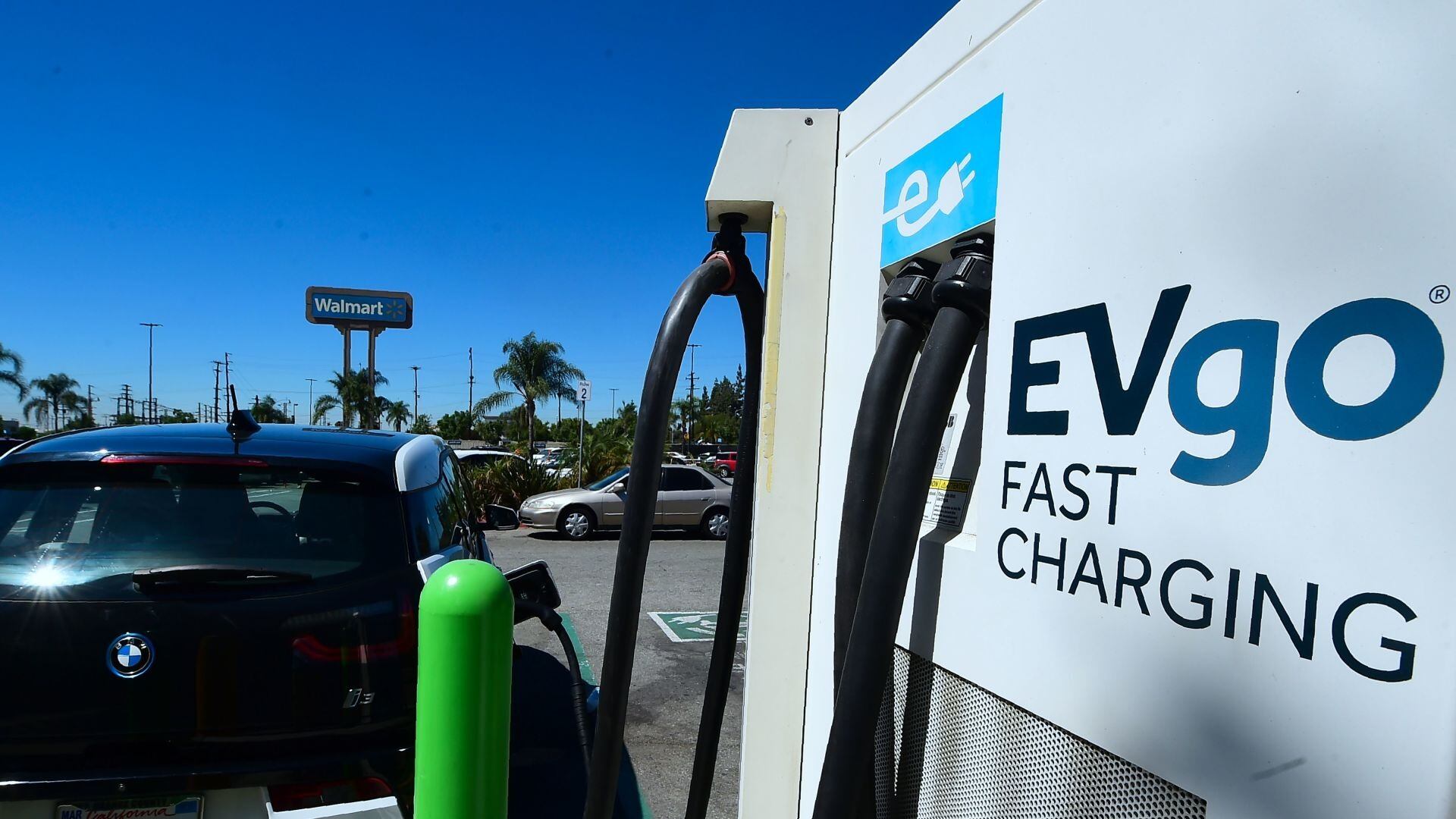
New regulations from the U.S. government may cause the price of electric vehicles to go up.
English Wikipedia raked in more than 84 billion views this year, according to numbers released Tuesday by the Wikimedia Foundation, the non-profit behind the free, publicly edited online encyclopedia. And the most popular article was about ChatGPT (yes, the AI chatbot that’s seemingly everywhere today).
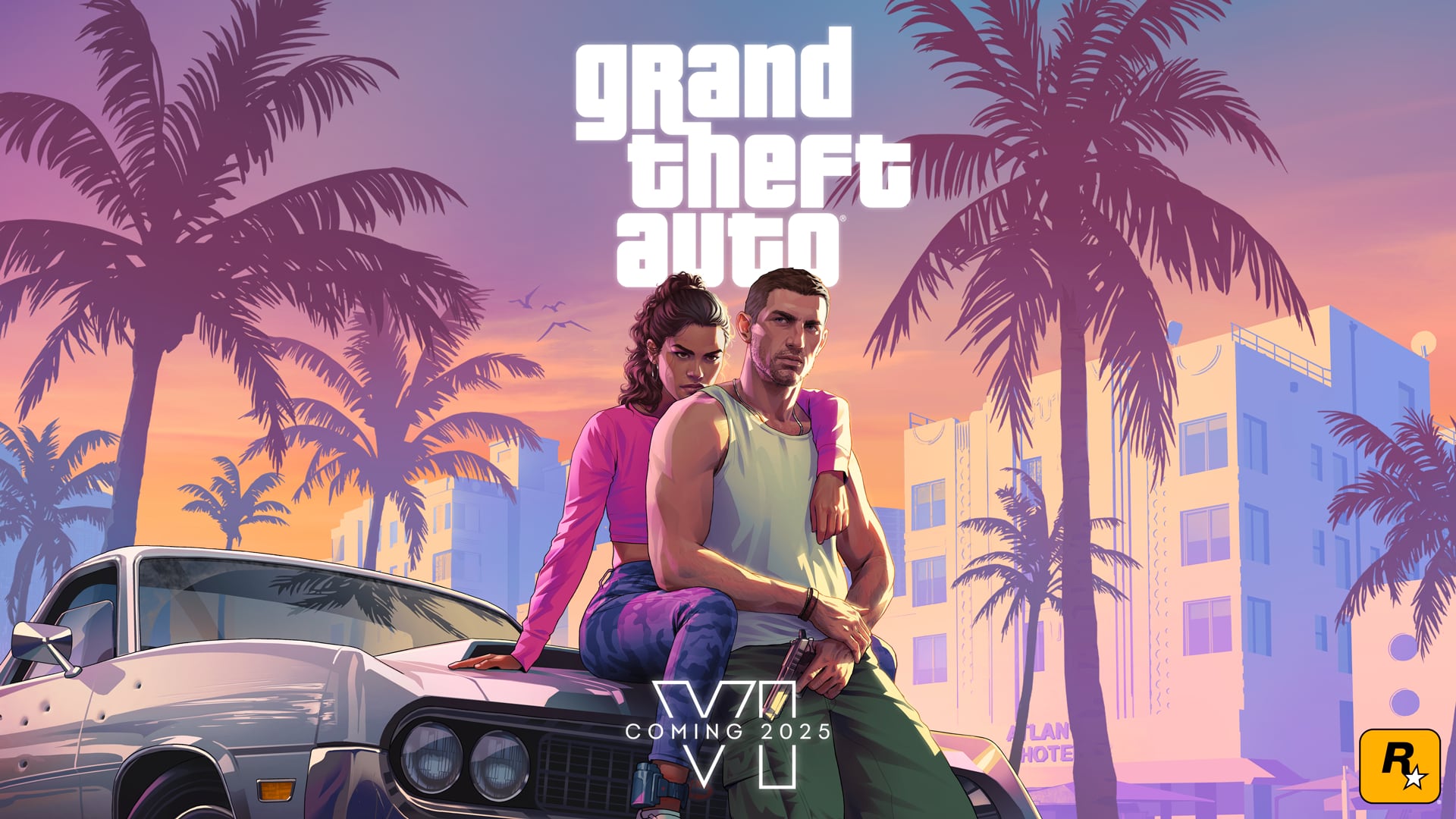
The highly-anticipated trailer for Grand Theft Auto VI is out earlier than expected.
AT&T announced a new partnership with Swedish communications company Ericsson.
Hackers accessed the personal data of 6.9 million users via the genetic testing company 23andMe.
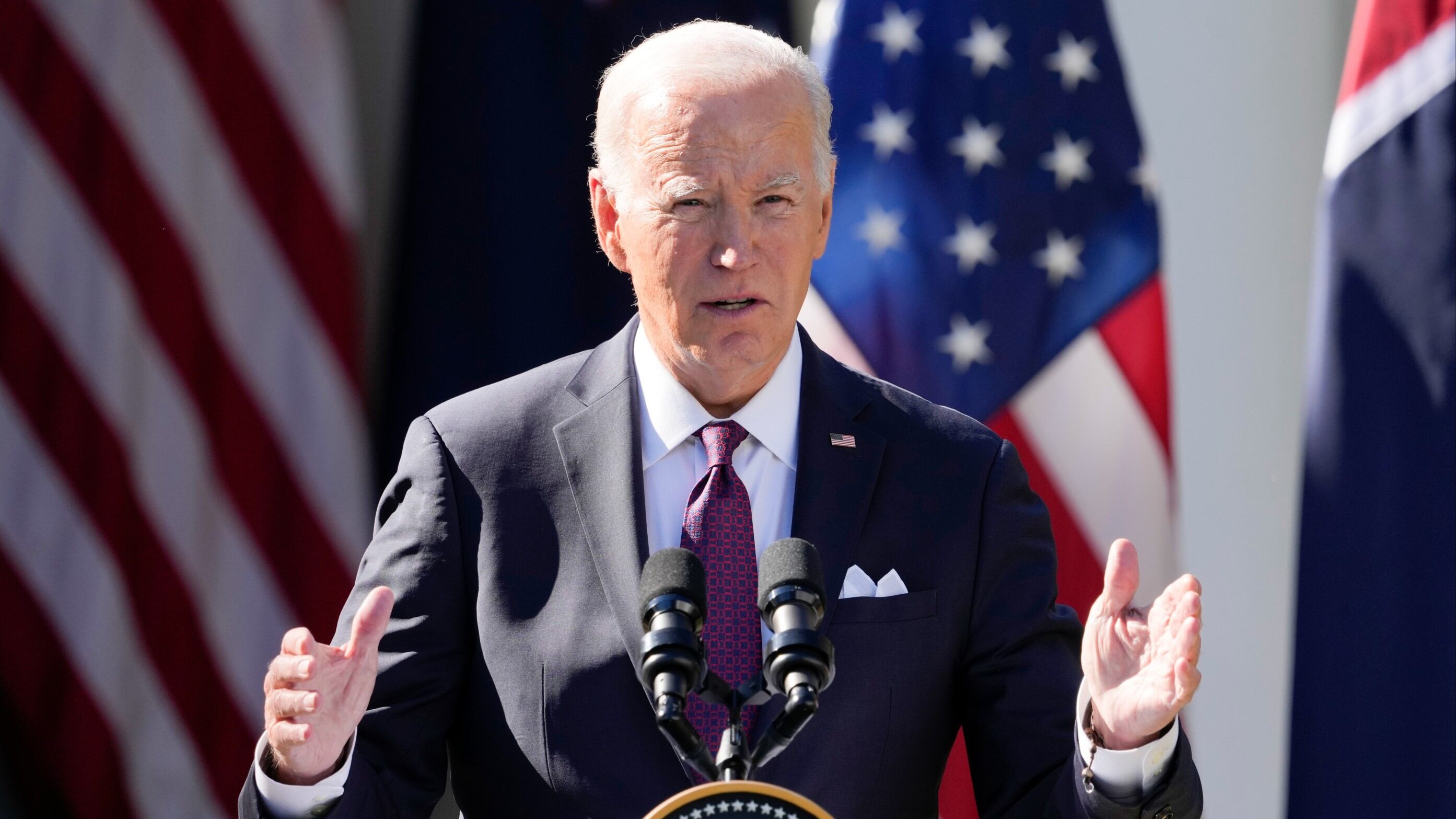
The Biden administration says electric vehicles made with battery materials from China will not be eligible for the full EV tax credit under new proposed rules.
You may soon be able to charge your car while driving. Cheddar News explains.
Google is moving forward with its previously-announced plan to delete inactive accounts and all associated data.
The network of nearly 4,800 fake accounts was attempting to build an audience when it was identified and eliminated by the tech company, which owns Facebook and Instagram.
Someone in China created thousands of fake social media accounts designed to appear to be from Americans and used them to spread polarizing political content in an apparent effort to divide the U.S. ahead of next year's elections, Meta said Thursday.