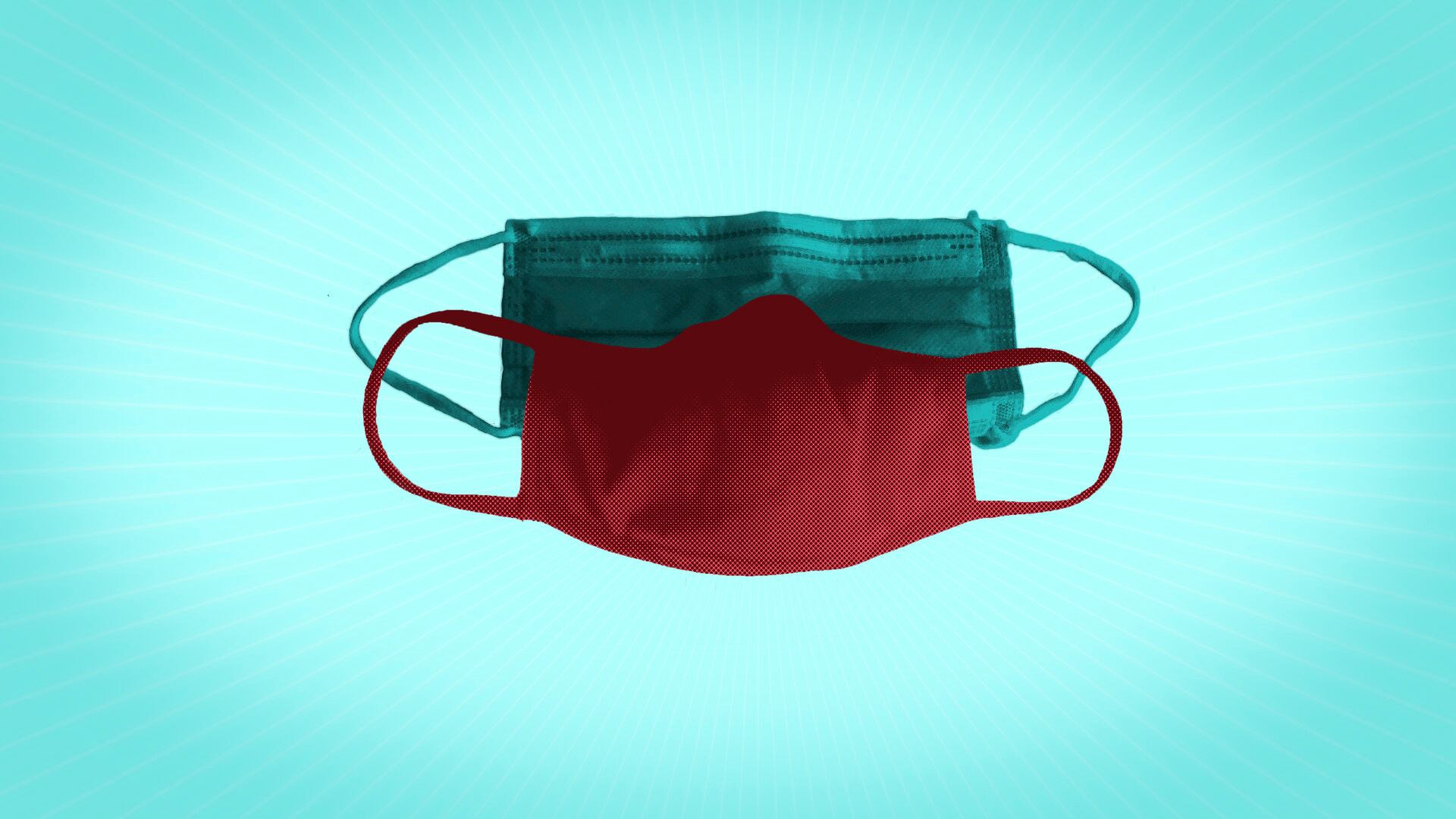
Does wearing two masks provide more protection?
It depends, but it’s possible that doubling up could help in some situations.
The U.S. Centers for Disease Control and Prevention recommends wearing a cloth mask made with two or more layers, and ensuring it covers your nose and mouth. The agency says it should fit snugly so there aren't any gaps at the sides of your face.
Wearing just one mask should be enough for most situations, as long as it fits well and isn't loose, said Dr. David Hamer, an infectious disease expert at Boston University.
“Starting out with a good mask to begin with is going to be key,” Hamer said.
Still, some people might want extra protection if they're at risk for severe illness if infected or will be in situations where they expect to be around others for extended periods, such as on a plane.
One option in scenarios when you want extra protection is to wear a cloth mask as well as a regular surgical mask, said Dr. Monica Gandhi, an infectious disease expert at the University of California, San Francisco.
Gandhi said that combination -- with either mask on top -- could help achieve a similar effect as the N95 mask. She recommended the added protection for people who will be indoors in areas where transmission rates are high — which could reflect the circulation of more contagious variants.
Another option Gandhi and a colleague recommend for situations where you want “maximum” protection: A two-layer cloth mask that has a filter material in between.
With single cloth masks for everyday use, Gandhi noted it's important that they're made of tightly-woven material and have at least two layers, which creates “an obstacle course” that makes it harder for virus-carrying particles to break through.
Max Lugavere explains why no one should copy President Trump's diet. Lugavere is the author of a new book titled "Genius Foods: Become Smarter, Happier, and More Productive While Protecting Your Brain For Life."
Sarah Lewin, associate editor for Space.com, discusses the recent government shutdown that caused delays at NASA over the weekend.
Rachel Feltman, science editor at PopSci, discusses the recent NASA report that found 2017 was the second warmest year on record, only behind 2016.
In this week's episode of The Crypto Craze Cheddar Anchors Brad Smith and Baker Machado explain the biggest trends in the market. Cable and satellite entertainment company Starz filed a petition, asking the FCC to step in to resolve a fight with Altice. Facebook announces an update to its news policy. Amazon is increasing its prices.
On Your Future Home: Housing trends and tips with Quicken Loans. On Between Bells: the latest from Sundance Film Festival, counting down to the government shutdown, and more. With WeWork, The Coca-Cola Company and realtor.com.
When you go to the doctor and have to strip down into a gown, it can be a little uncomfortable. Care+Wear and Parsons School Of Design are teaming up to change that.
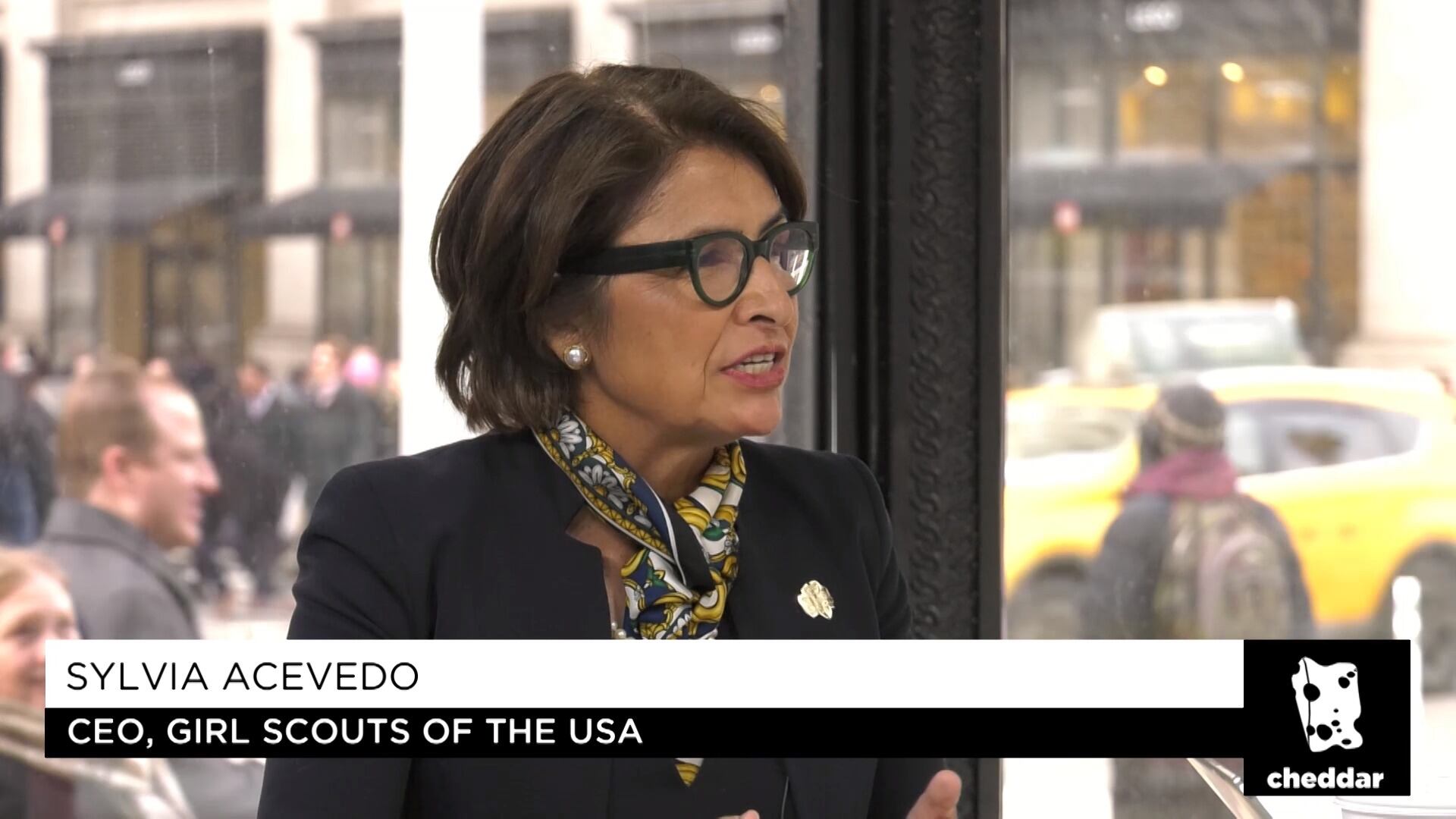
The Girl Scouts of the USA is launching its first-ever STEM education initiative for middle and high-school students. CEO Sylvia Acevedo joins Cheddar to discuss what the newly-enrolled girls will get to experience when they sign up for the program.
Amelia Urry, associate editor at The Grist, discusses the recent report by NASA which found 2017 was the warmest year on record, second only to 2016.
Kelly Beatty, senior editor of Sky & Telescope, talks SpaceX's powerful Falcon Heavy rocket, the possibility of a tax break for the company, and the upcoming lunar eclipse. The Falcon Heavy rocket is the most powerful this generation has ever seen.
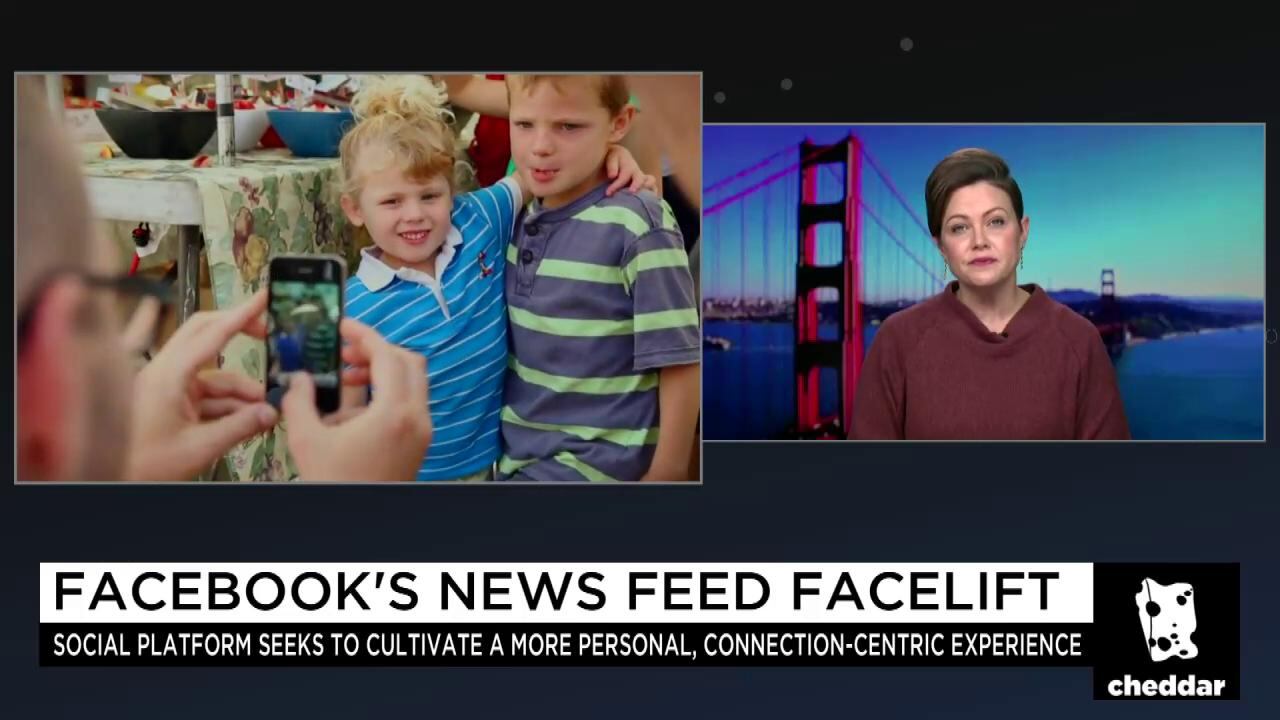
Lindsey Shepard, Director of Product Marketing for News Feed at Facebook, says the update is meant to make people's time on the platform enjoyable, which in turn will be good for businesses.