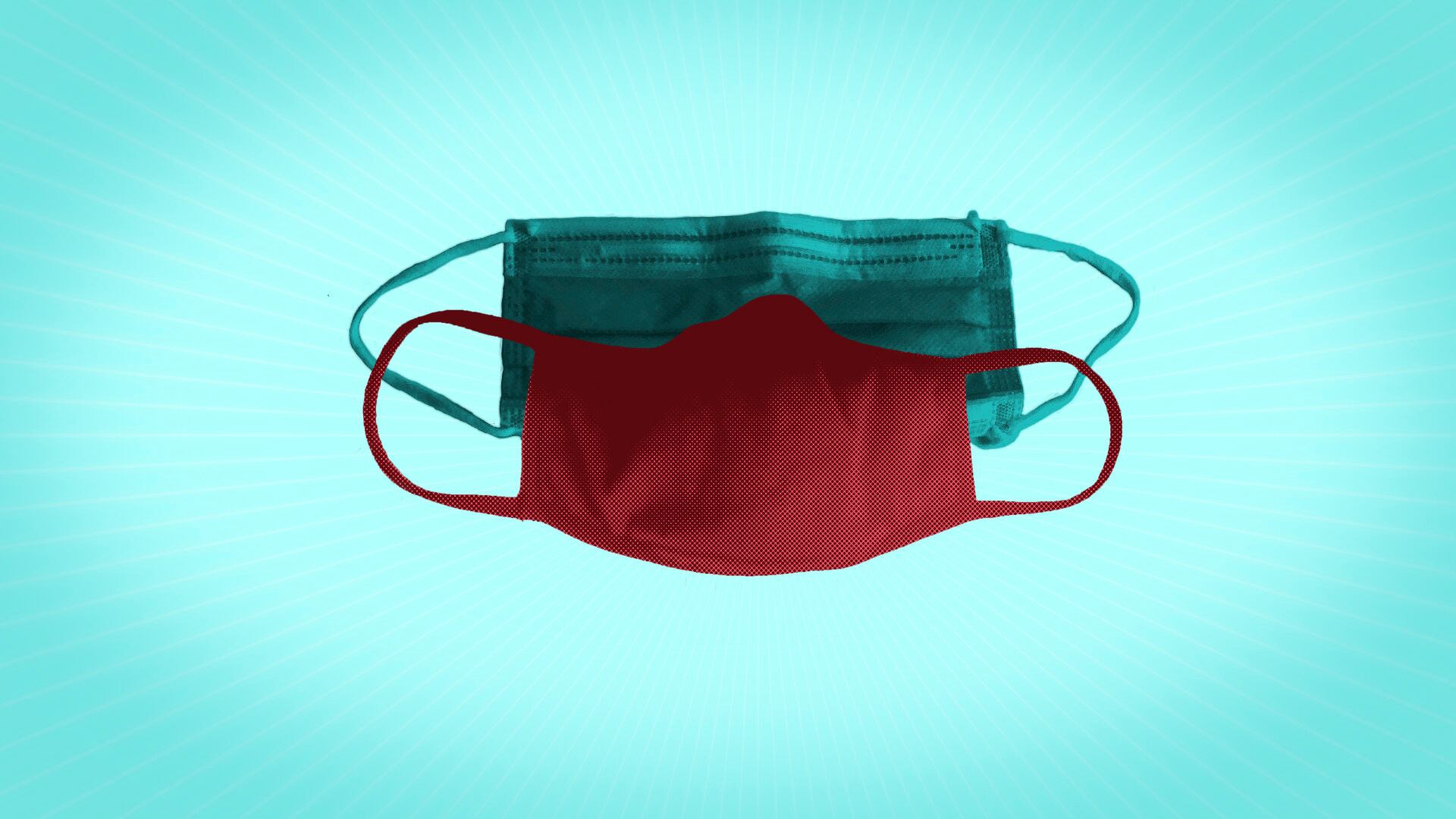
Does wearing two masks provide more protection?
It depends, but it’s possible that doubling up could help in some situations.
The U.S. Centers for Disease Control and Prevention recommends wearing a cloth mask made with two or more layers, and ensuring it covers your nose and mouth. The agency says it should fit snugly so there aren't any gaps at the sides of your face.
Wearing just one mask should be enough for most situations, as long as it fits well and isn't loose, said Dr. David Hamer, an infectious disease expert at Boston University.
“Starting out with a good mask to begin with is going to be key,” Hamer said.
Still, some people might want extra protection if they're at risk for severe illness if infected or will be in situations where they expect to be around others for extended periods, such as on a plane.
One option in scenarios when you want extra protection is to wear a cloth mask as well as a regular surgical mask, said Dr. Monica Gandhi, an infectious disease expert at the University of California, San Francisco.
Gandhi said that combination -- with either mask on top -- could help achieve a similar effect as the N95 mask. She recommended the added protection for people who will be indoors in areas where transmission rates are high — which could reflect the circulation of more contagious variants.
Another option Gandhi and a colleague recommend for situations where you want “maximum” protection: A two-layer cloth mask that has a filter material in between.
With single cloth masks for everyday use, Gandhi noted it's important that they're made of tightly-woven material and have at least two layers, which creates “an obstacle course” that makes it harder for virus-carrying particles to break through.
Cheddar's CannaBiz explores the latest trends, politics, and market opportunity in this space. Cheddar Anchor's Brad Smith, Hope King and Alyssa Julya Smith speak with legislators and start-up founders in this emerging market.
This Changes Things: Advice for the executives and leaders of tomorrow, brought to you by American Express OPEN. On Between Bells: The Bachelor finale and big changes at ESPN. With Popular Science, Us Weekly, and more.
His new Amazon bestseller, "The Longevity Diet," helps patients to live longer, healthier and more fulfilling lives by slowing aging, fighting disease and optimizing weight. Dr. Valter Longo sits down with Alyssa Julya Smith in Los Angeles to share some of his secrets to living a healthier life.
Marrying your cousin has long been considered taboo, but new research says that procreating with your cousins may not be as risky as previously thought. Popular Science's Eleanor Cummins breaks down the findings.
Sarah Lewin, associate editor at Space.com, breaks down SpaceX's landmark 50th Falcon 9 launch. The rocket took off early Tuesday morning, launching a communications satellite into orbit.
The Dow closes up more than 300 points as trade war fears subside. Amazon is looking to team up with banks to build a checking account-type product. There's also new speculation on where Amazon's HQ2 might be located. Apple reportedly releasing a cheaper MacBook Air. Former Trump campaign aide refuses to cooperated and the Mueller investigation.
Every three minutes, someone in the U.S. is diagnosed with blood cancer. These people often rely on bone marrow donations to survive, but getting a match can be difficult. To make registering easier, the non-profit DKMS has launched virtual bone marrow drives.
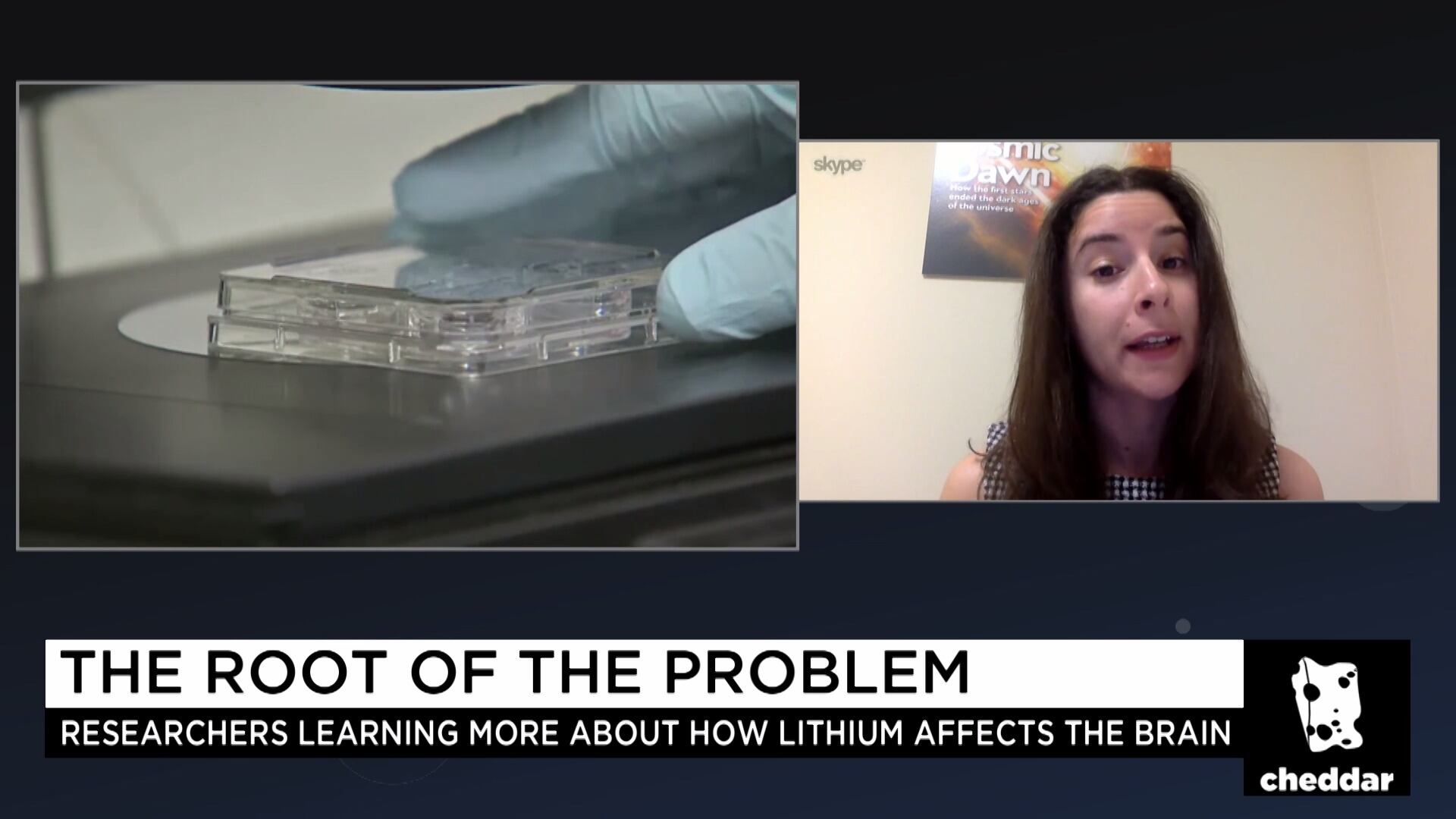
Dina Fine Maron, health & science editor at Scientific American, discusses the breakthrough that could help doctors diagnose mental illnesses. Stem cells have enabled researchers to see how lithium affects the brain.
Eric Harris, president and chief operating officer at Cheddar, joins us to talk about the company's participation in Cycle for Survival, an indoor charity cycling event raising money for rare cancers.
Snap is planning to release new versions of its hugely unpopular Spectacles. The Weinstein Co. lives to fight another day after a last-minute deal emerged Thursday night.