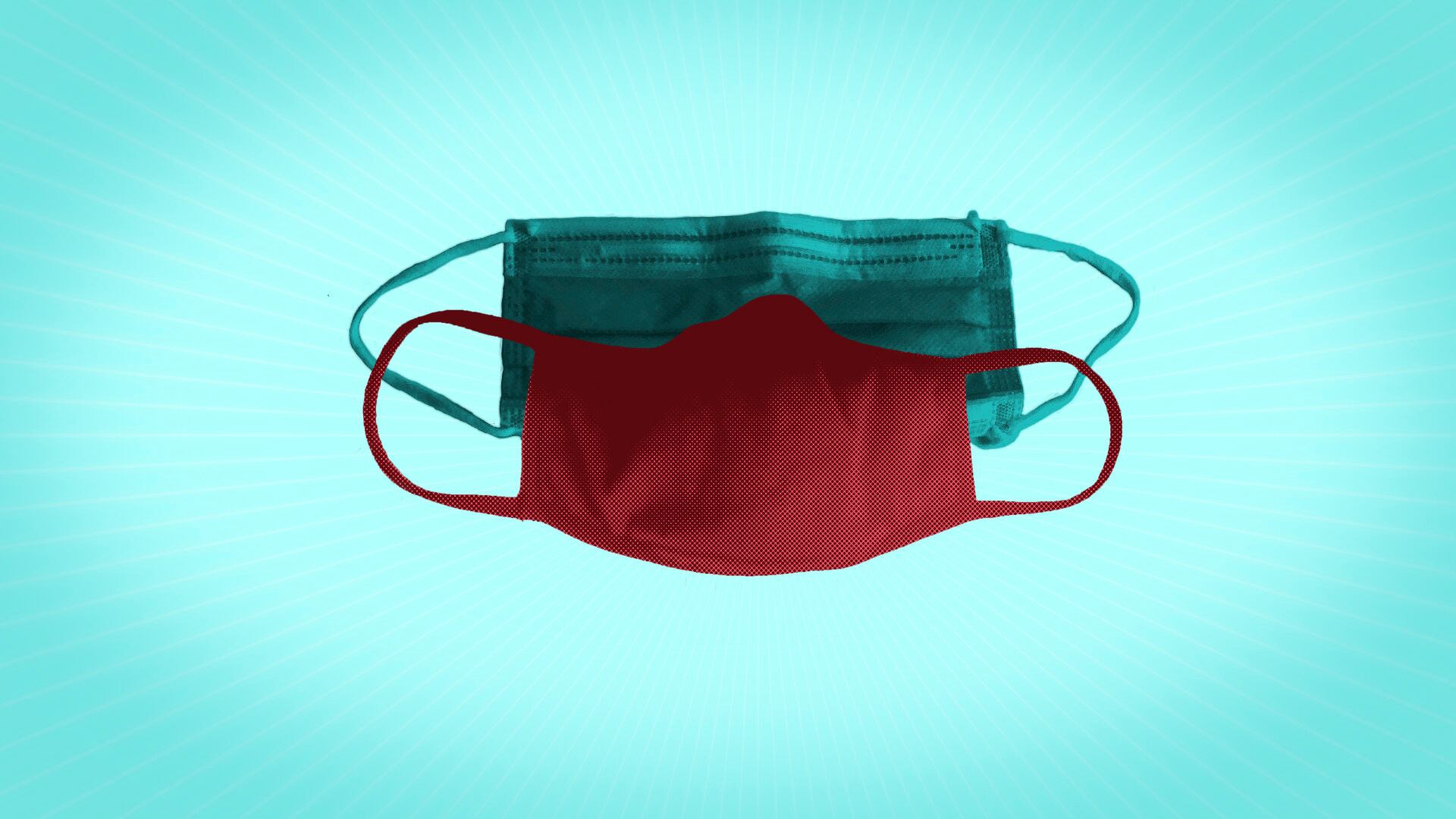
Does wearing two masks provide more protection?
It depends, but it’s possible that doubling up could help in some situations.
The U.S. Centers for Disease Control and Prevention recommends wearing a cloth mask made with two or more layers, and ensuring it covers your nose and mouth. The agency says it should fit snugly so there aren't any gaps at the sides of your face.
Wearing just one mask should be enough for most situations, as long as it fits well and isn't loose, said Dr. David Hamer, an infectious disease expert at Boston University.
“Starting out with a good mask to begin with is going to be key,” Hamer said.
Still, some people might want extra protection if they're at risk for severe illness if infected or will be in situations where they expect to be around others for extended periods, such as on a plane.
One option in scenarios when you want extra protection is to wear a cloth mask as well as a regular surgical mask, said Dr. Monica Gandhi, an infectious disease expert at the University of California, San Francisco.
Gandhi said that combination -- with either mask on top -- could help achieve a similar effect as the N95 mask. She recommended the added protection for people who will be indoors in areas where transmission rates are high — which could reflect the circulation of more contagious variants.
Another option Gandhi and a colleague recommend for situations where you want “maximum” protection: A two-layer cloth mask that has a filter material in between.
With single cloth masks for everyday use, Gandhi noted it's important that they're made of tightly-woven material and have at least two layers, which creates “an obstacle course” that makes it harder for virus-carrying particles to break through.
The 'Block 5' rocket is the first Falcon 9 rocket that can theoretically be reused 10 times without any maintenance, and up to 100 times with just minor servicing. If SpaceX can pull off seven successful 'Block 5' launches, the company could get clearance from NASA to do manned missions, says Will Goodman, managing editor of Rockets Are Cool.
Mark Kaufman, science reporter at Mashable, discusses California's history-making decision to mandate solar panels on all new homes and low-rise apartment buildings. [We talk what this means for the solar panel companies and the rest of the U.S.](https://mashable.com/2018/05/09/california-becomes-first-state-to-mandate-solar-panels-on-new-homes)
Rob Marvin, associate features editor for PCMag, discusses the biggest announcements from Microsoft's Build conference. Marvin weighs in on Microsoft introducing AI for Accessibility, an integration between its digital assistant Cortana and Amazon Alexa.
Zachariah Reitano's Roman Health is using the treatment of erectile dysfunction to save lives by helping men discover the sometimes very serious underlying causes of the condition.
Emily Manor-Chapman, a NASA engineer on the 'InSight' lander, explains what the new mission to Mars hopes to accomplish.
The on-demand app that connects patients with doctors has seen rapid growth in the past few years, particularly in mental health services, and recently raised an additional $74 million in funding. "Not only does it make access to a doctor much, much easier, it also addresses a lot of the stigma associated with mental health," says CEO Hill Ferguson.
Jill Steinberg, the wife of Cheddar's CEO, took the DIY genetic test out of curiosity and found out she was prone to breast cancer. "There's always something there to learn," says Anne Wojcicki, CEO and founder of 23andMe.
Is the surface of a comet really a winter wonderland? Not exactly. Cheddar's Pat Jones explains what's going on in this viral space gif.
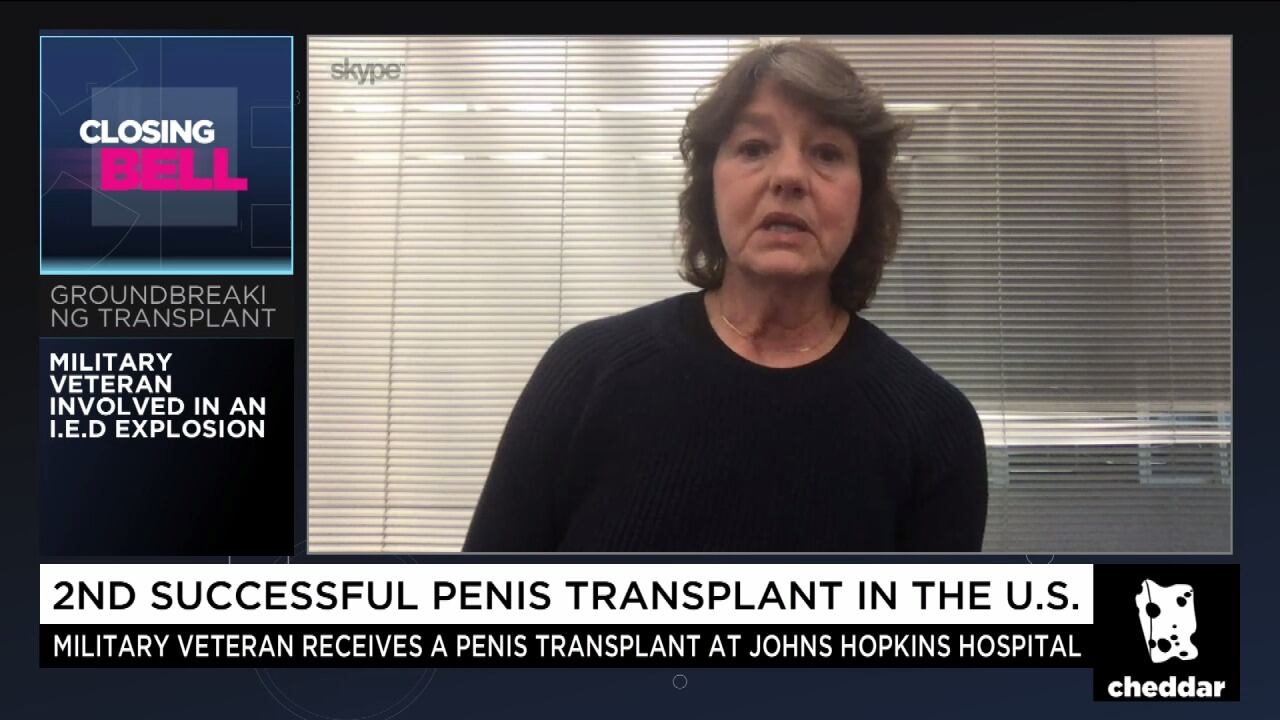
John Hopkins Hospital recently completed the second-ever successful penis transplant in the U.S., an incredibly complex surgery that lasted 14 hours. New York Times reporter Denise Grady explains why the vet needed the surgery in the first place.
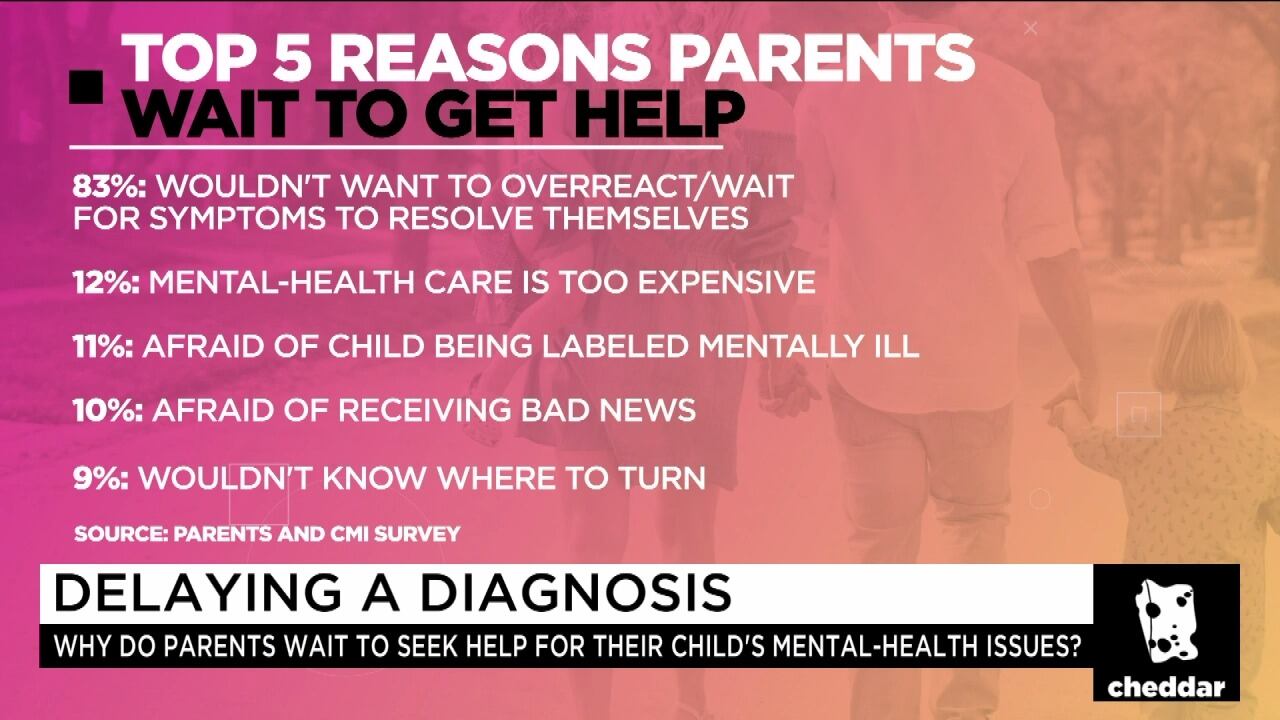
A recent survey by Parents Magazine found that 62 percent of participants waited more than five weeks to get their children help with mental health issues. A majority of those said they were trying not to overreact to their child's behavior, explains Liz Vaccariello, Editor-in-Chief of Parents Magazine.