Does wearing two masks provide more protection?
It depends, but it’s possible that doubling up could help in some situations.
The U.S. Centers for Disease Control and Prevention recommends wearing a cloth mask made with two or more layers, and ensuring it covers your nose and mouth. The agency says it should fit snugly so there aren't any gaps at the sides of your face.
Wearing just one mask should be enough for most situations, as long as it fits well and isn't loose, said Dr. David Hamer, an infectious disease expert at Boston University.
“Starting out with a good mask to begin with is going to be key,” Hamer said.
Still, some people might want extra protection if they're at risk for severe illness if infected or will be in situations where they expect to be around others for extended periods, such as on a plane.
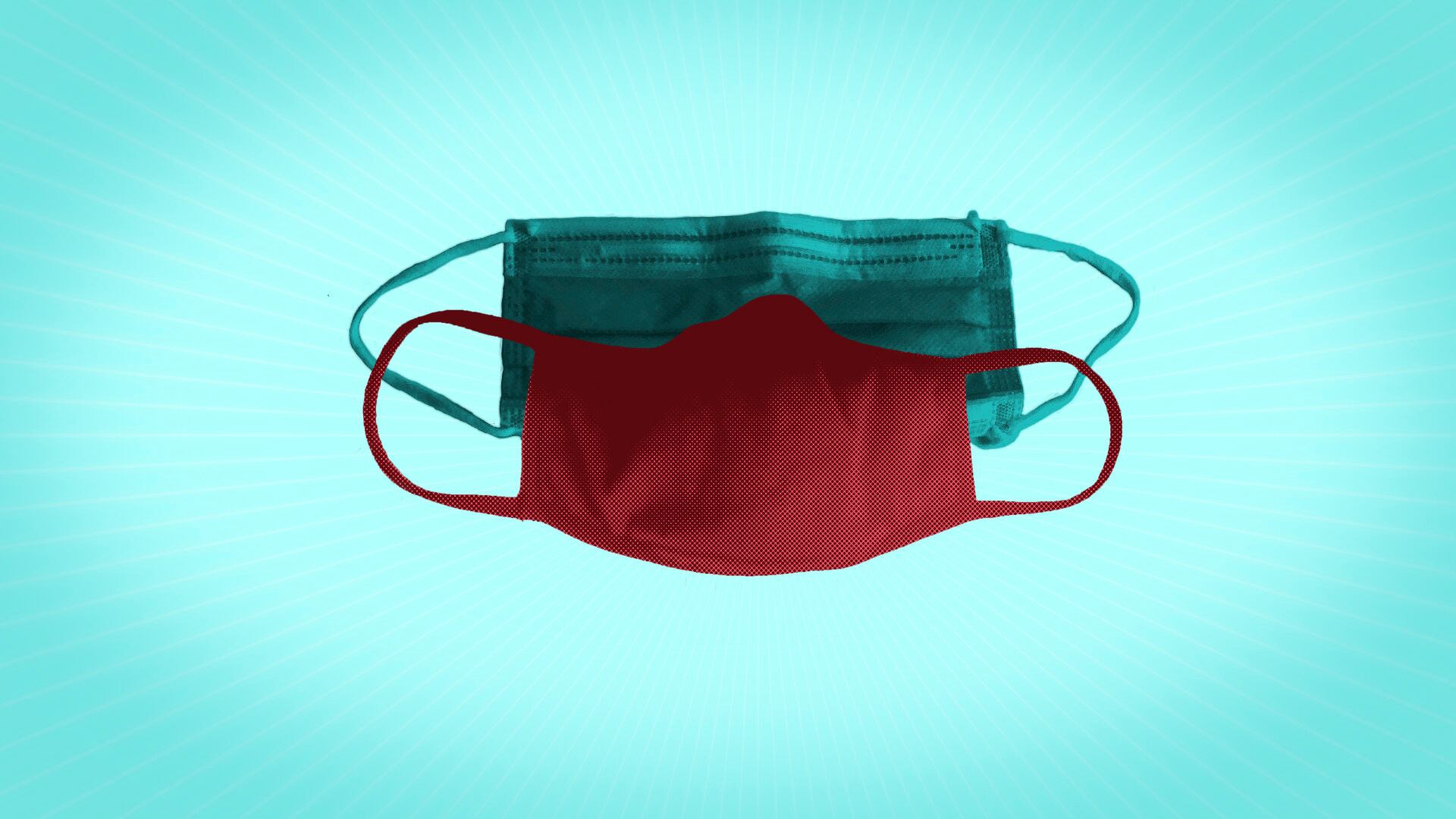
One option in scenarios when you want extra protection is to wear a cloth mask as well as a regular surgical mask, said Dr. Monica Gandhi, an infectious disease expert at the University of California, San Francisco.
Gandhi said that combination -- with either mask on top -- could help achieve a similar effect as the N95 mask. She recommended the added protection for people who will be indoors in areas where transmission rates are high — which could reflect the circulation of more contagious variants.
Another option Gandhi and a colleague recommend for situations where you want “maximum” protection: A two-layer cloth mask that has a filter material in between.
With single cloth masks for everyday use, Gandhi noted it's important that they're made of tightly-woven material and have at least two layers, which creates “an obstacle course” that makes it harder for virus-carrying particles to break through.
The decision, announced last week, will impact about 5,600 hotels and 850,000 guest rooms, according to IHG, which operates 17 hotel brands, including Holiday Inn and Crowne Plaza.
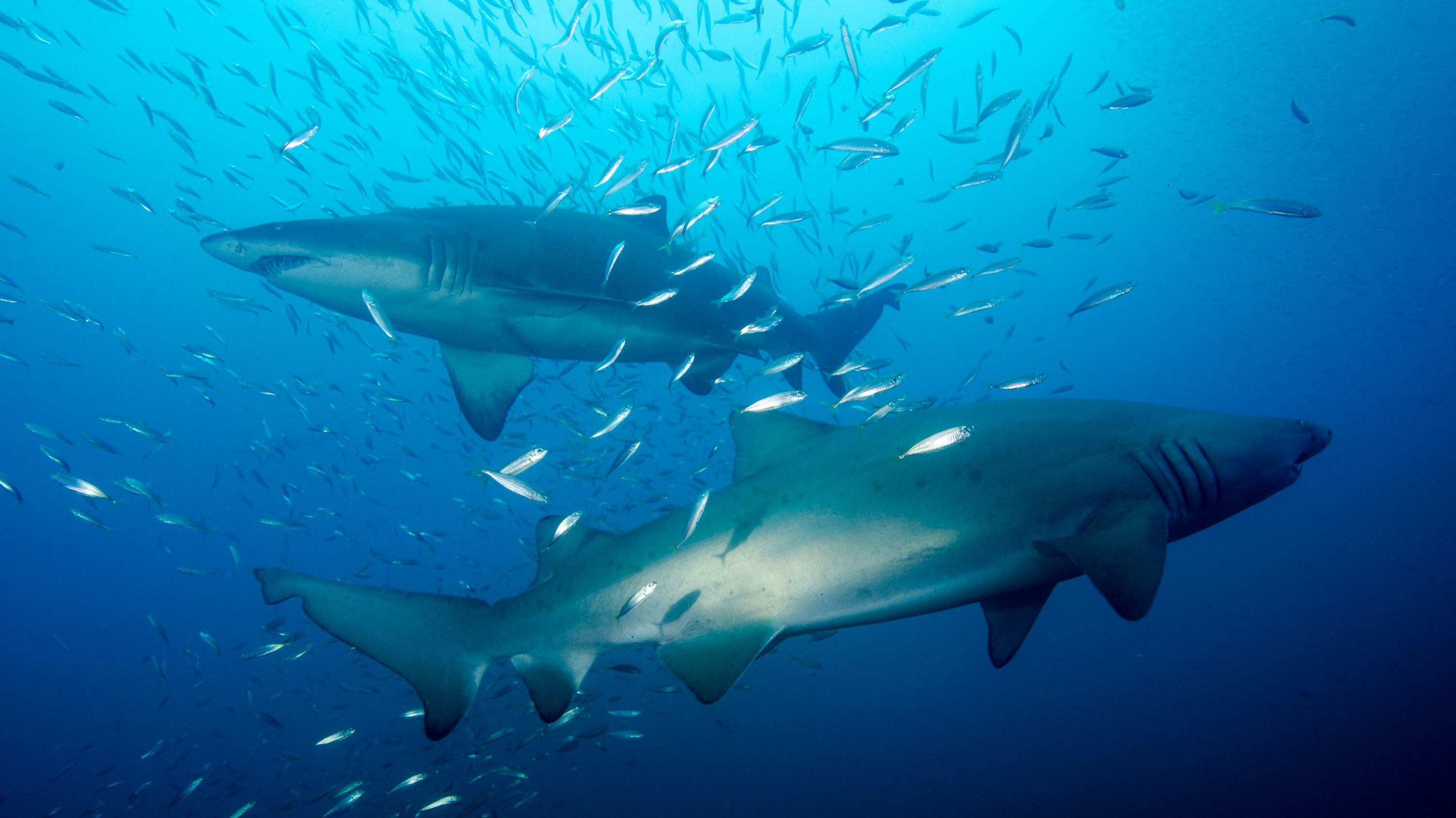
Shark Week is back for its 31st year and fans can bite into a new lineup of shows featuring some of the ocean's fiercest predators.
Digital health company Livongo had a successful public debut Thursday on the Nasdaq. It's the latest in a wave of digital health companies entering the public markets. Hemant Taneja, managing director at General Catalyst, joins Cheddar to discuss.
Smart glass, which comes with its own IP address, is being installed in office buildings around the country. Rao Mulpuri, CEO of View, which makes smart glass, joined Cheddar to discuss how his company’s windows can actually improve worker productivity.
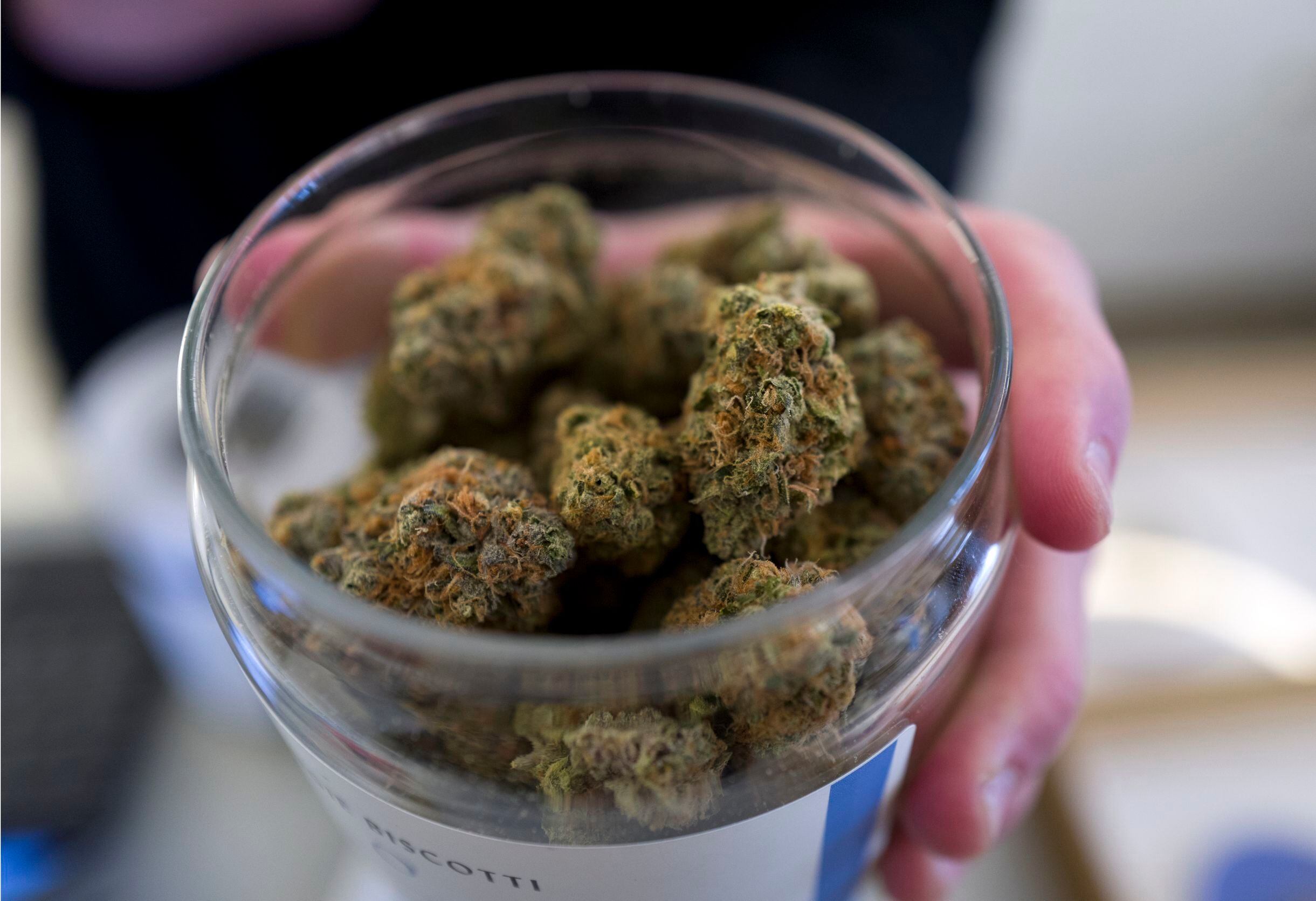
ELLO Capital will focus on guiding U.S.-focused cannabis, hemp, and ancillary companies through mergers and acquisitions, capital raises and private placements. The company also aims to assist “traditional cpg companies that are looking at how to navigate the CBD or cannabis world,” like Altria, Diageo, and Constellation.
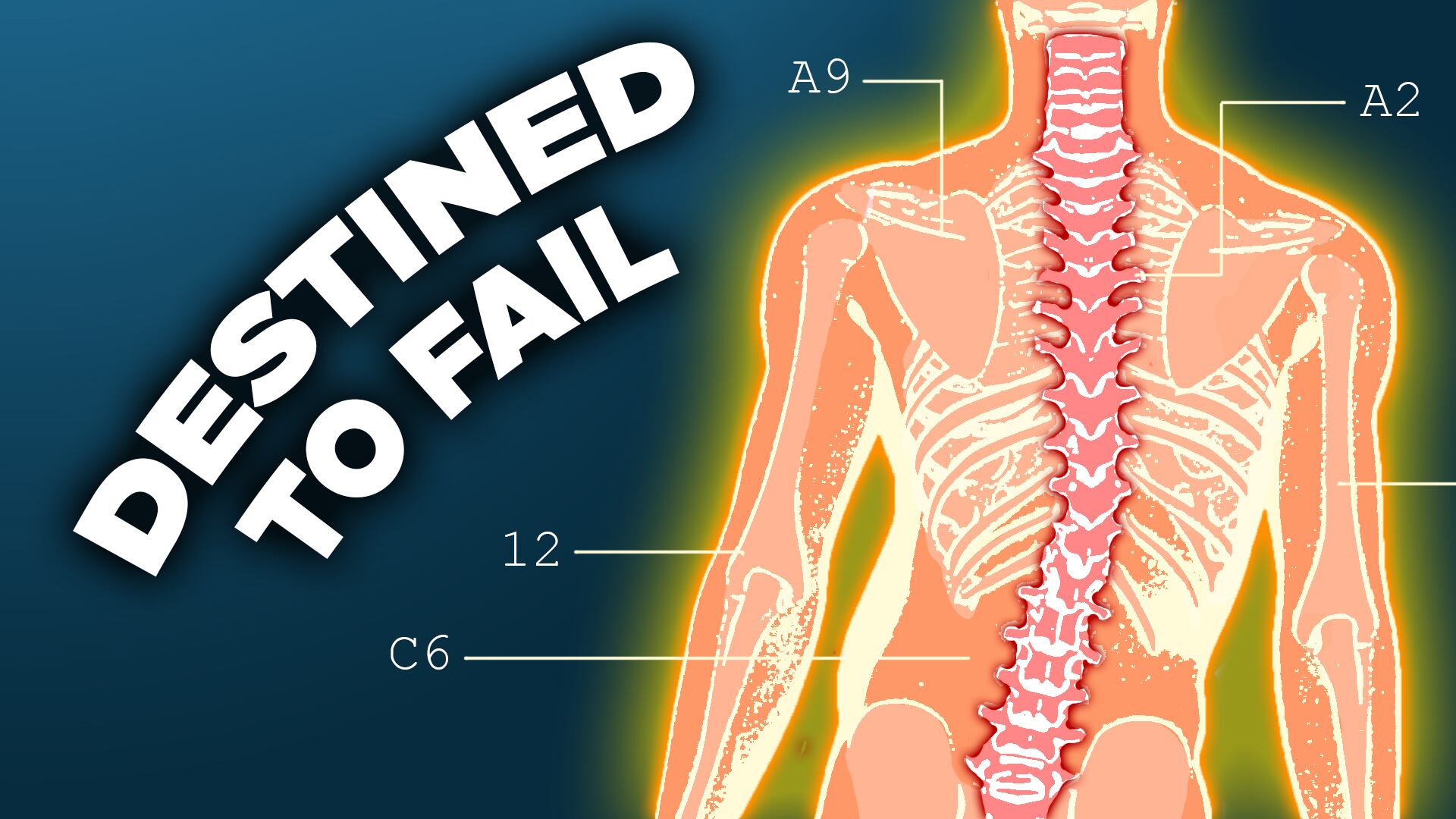
Everyone who lives long enough is likely to experience back pain. And the cause isn't just aging. We have evolution to blame for a spine that's an engineering nightmare. Cheddar Explores how our spines changed to accommodate human bipedalism.
The modern-day space race just took a major step toward maturity, with Sir Richard Branson's announcement that Virgin Galactic will go public. When it lists later this year, Virgin will become the first publicly traded space-tourism company.
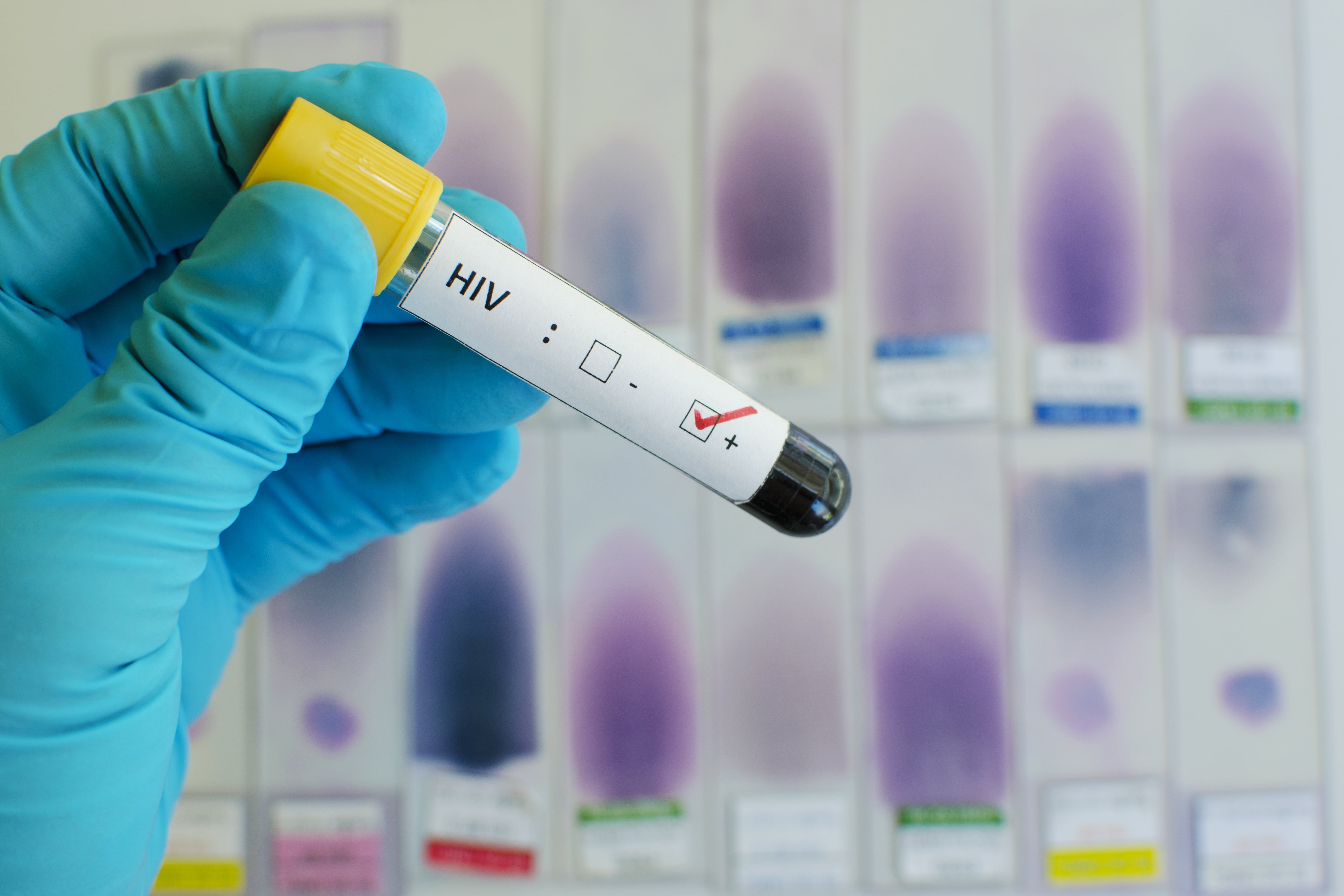
Researchers at the University of Nebraska Medical Center and Temple University reported using gene therapy to eradicate HIV in mice. Now the team is considering how to turn that into a life-saving cure for humans.
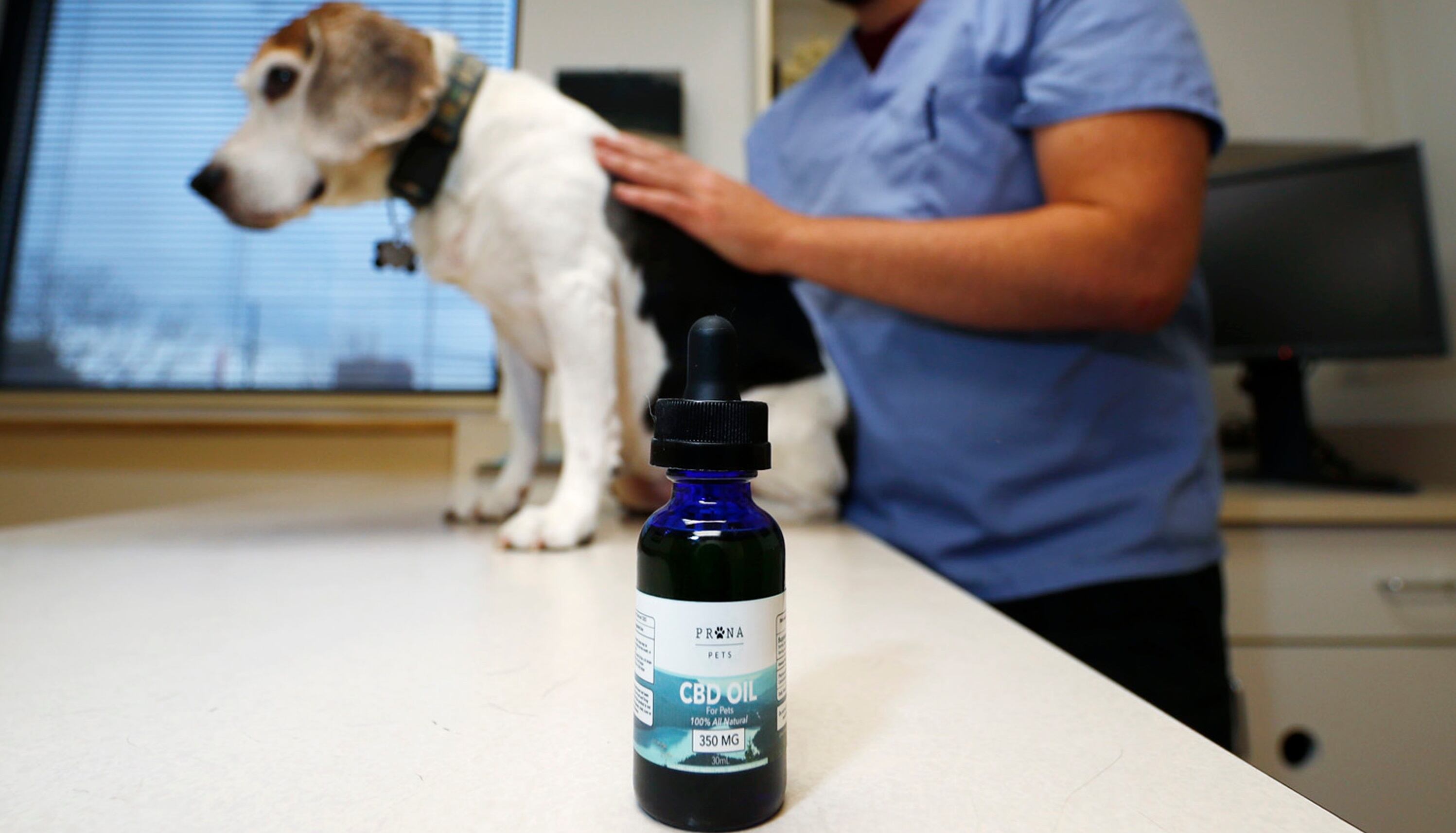
The holiday has become prime time for companies slinging CBD products for nervous pets. But with so many products and so little regulation, it can be tough for well-meaning pet owners to know which products are safe and whether they actually work.
Democratic candidates were asked about the climate crisis during the first presidential primary debates on Wednesday and Thursday in Miami, a city that is currently experiencing its hottest week in more than three decades.