Does wearing two masks provide more protection?
It depends, but it’s possible that doubling up could help in some situations.
The U.S. Centers for Disease Control and Prevention recommends wearing a cloth mask made with two or more layers, and ensuring it covers your nose and mouth. The agency says it should fit snugly so there aren't any gaps at the sides of your face.
Wearing just one mask should be enough for most situations, as long as it fits well and isn't loose, said Dr. David Hamer, an infectious disease expert at Boston University.
“Starting out with a good mask to begin with is going to be key,” Hamer said.
Still, some people might want extra protection if they're at risk for severe illness if infected or will be in situations where they expect to be around others for extended periods, such as on a plane.
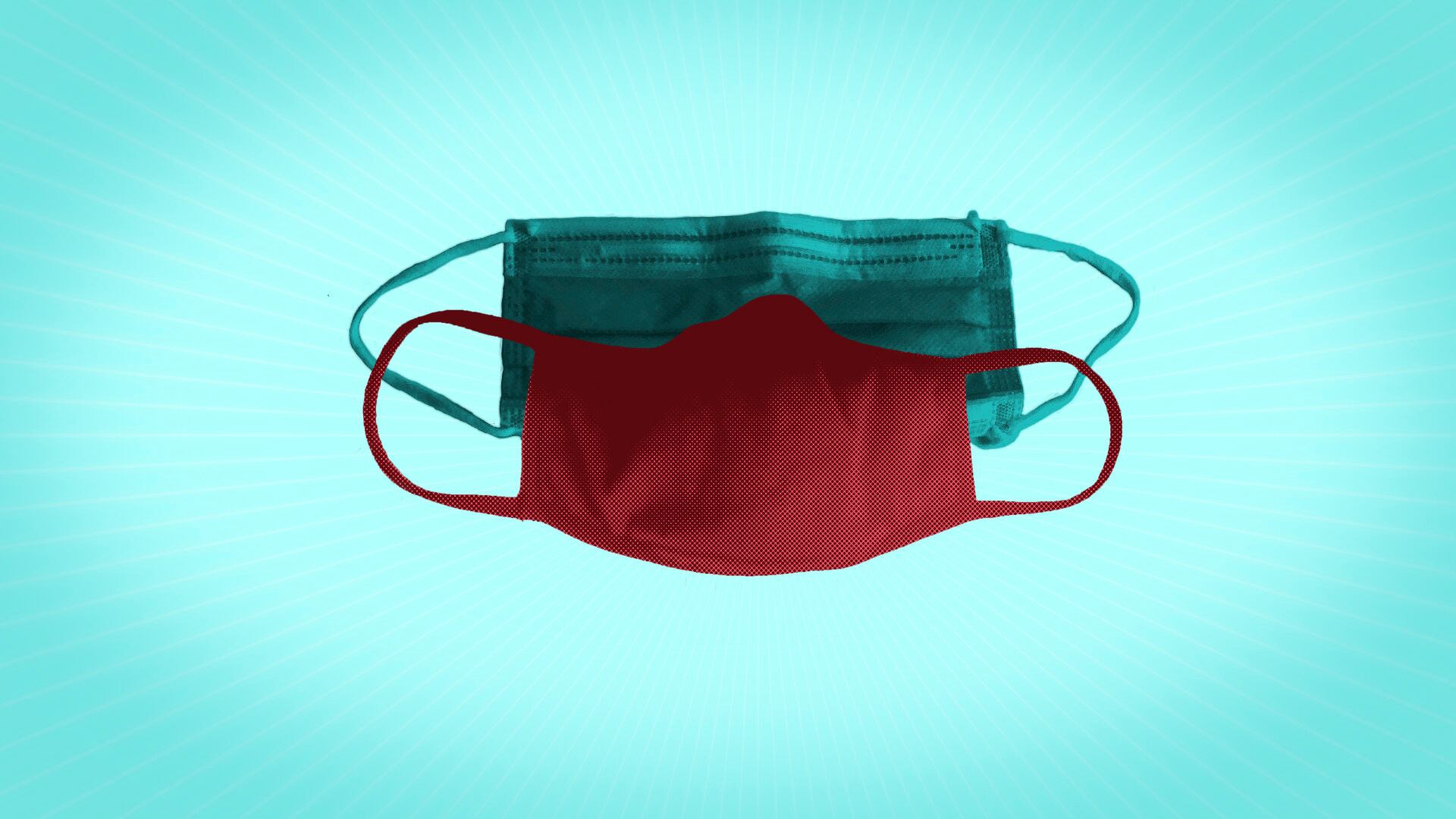
One option in scenarios when you want extra protection is to wear a cloth mask as well as a regular surgical mask, said Dr. Monica Gandhi, an infectious disease expert at the University of California, San Francisco.
Gandhi said that combination -- with either mask on top -- could help achieve a similar effect as the N95 mask. She recommended the added protection for people who will be indoors in areas where transmission rates are high — which could reflect the circulation of more contagious variants.
Another option Gandhi and a colleague recommend for situations where you want “maximum” protection: A two-layer cloth mask that has a filter material in between.
With single cloth masks for everyday use, Gandhi noted it's important that they're made of tightly-woven material and have at least two layers, which creates “an obstacle course” that makes it harder for virus-carrying particles to break through.
Top executives of nine drugmakers likely to produce the first vaccines against the new coronavirus are taking the extraordinary step of promising they'll be safe and effective.
Astrophysicists detected the signal from a long ago violent collision of two black holes that created a new one of a size that had never been seen before.
The timeline raised concern among public health experts about an “October surprise" — a vaccine approval driven by political considerations ahead of a presidential election, rather than science.
Thailand’s prime minister is congratulating the nation for having achieved 100 days without a confirmed locally transmitted case of the coronavirus.
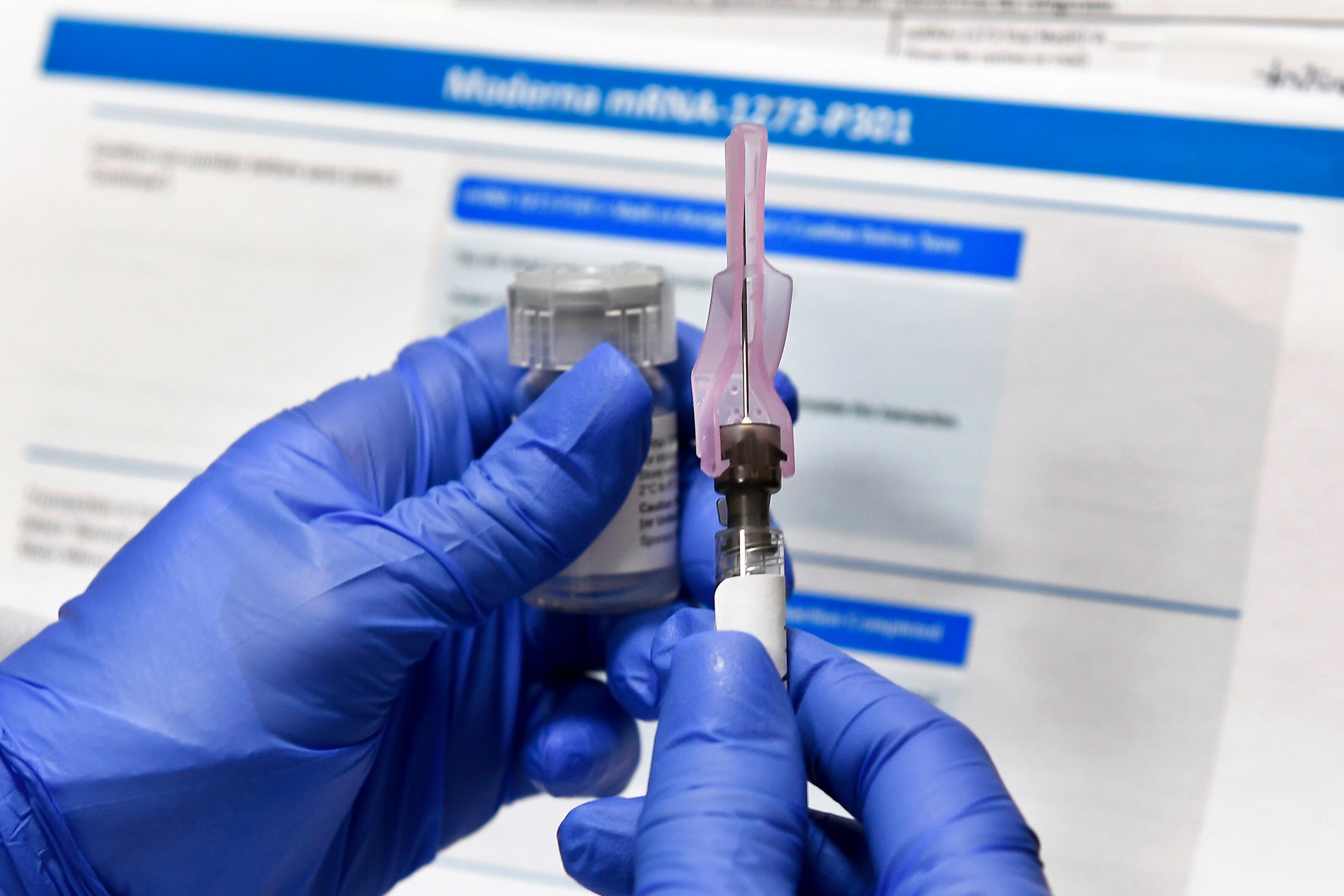
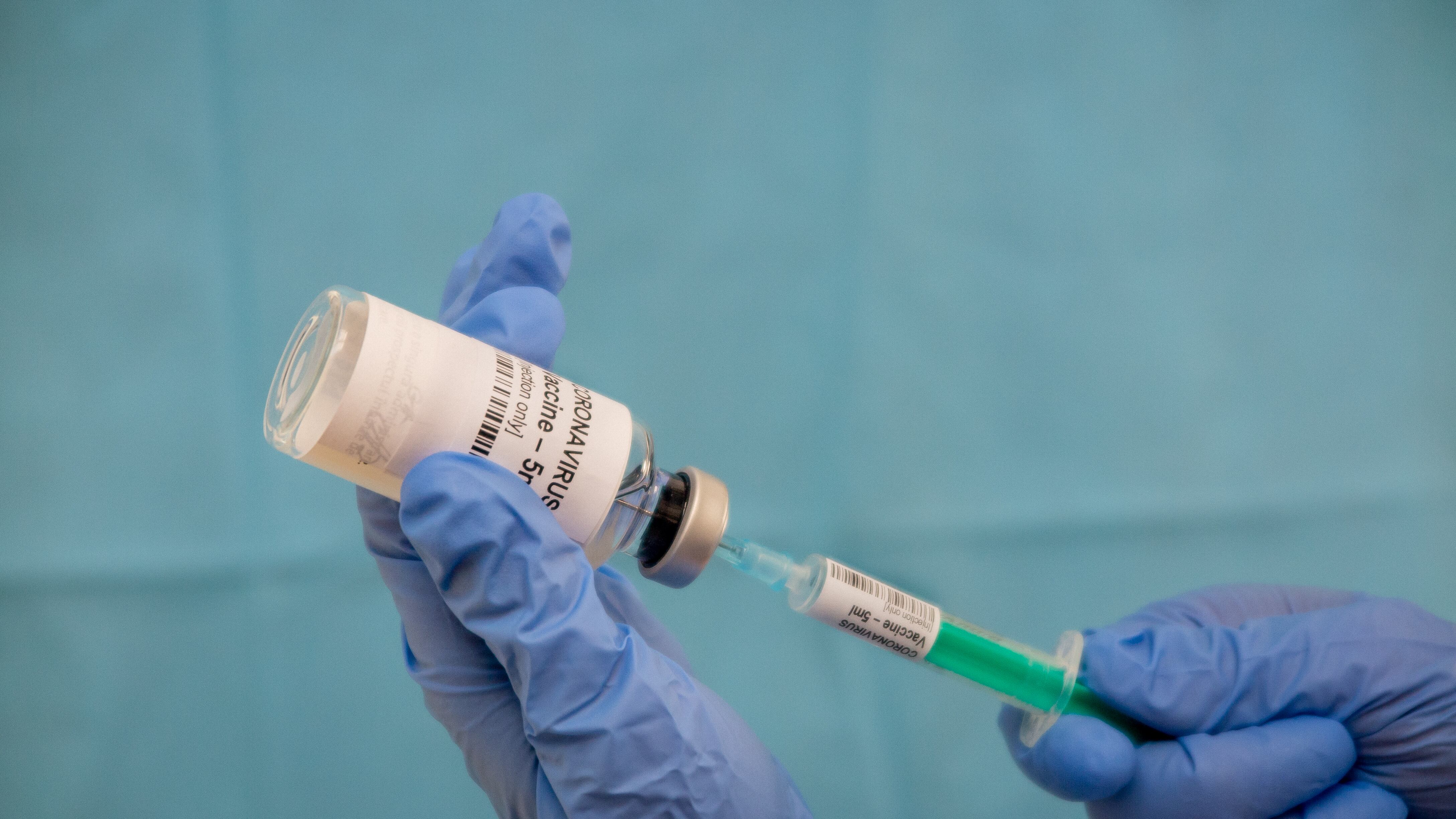
A third leading candidate COVID-19 vaccine has entered a final stage of human testing in the United States.
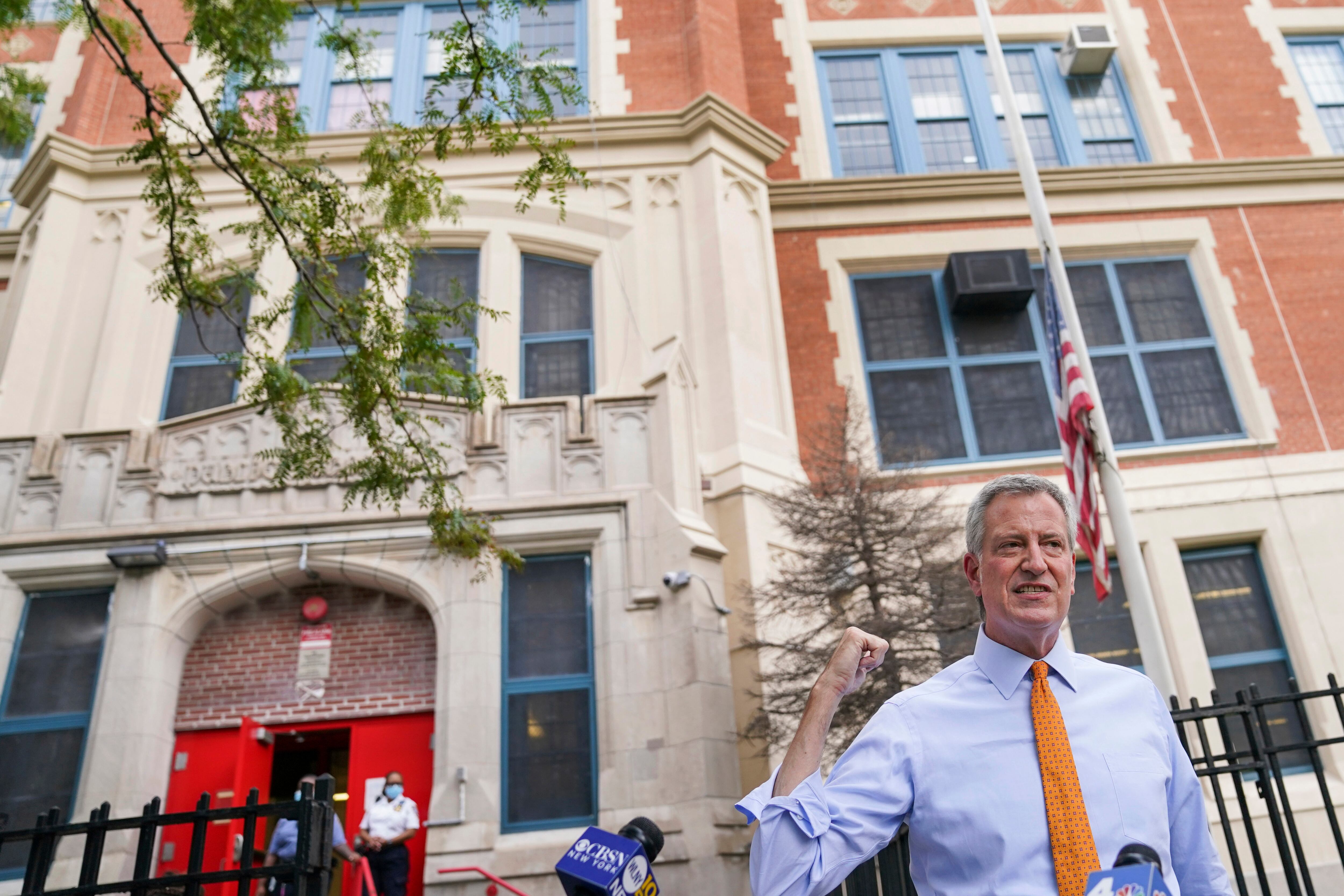
Mayor Bill de Blasio says New York City is delaying sending students back to classrooms in the nation’s largest public school system.
West Virginia University has developed technology that can predict coronavirus outbreaks with 90 percent accuracy. Dr. Ali Rezai, executive chair of WVU's Rockefeller Neuroscience Institute, joined Cheddar to discuss the technology and protocols the university will implement to mitigate the spread of COVID-19.
How and whether companies participate in COVID-19 vaccination programs could mean the difference between a successful roll-out, and one fraught with suspicion and misunderstanding.
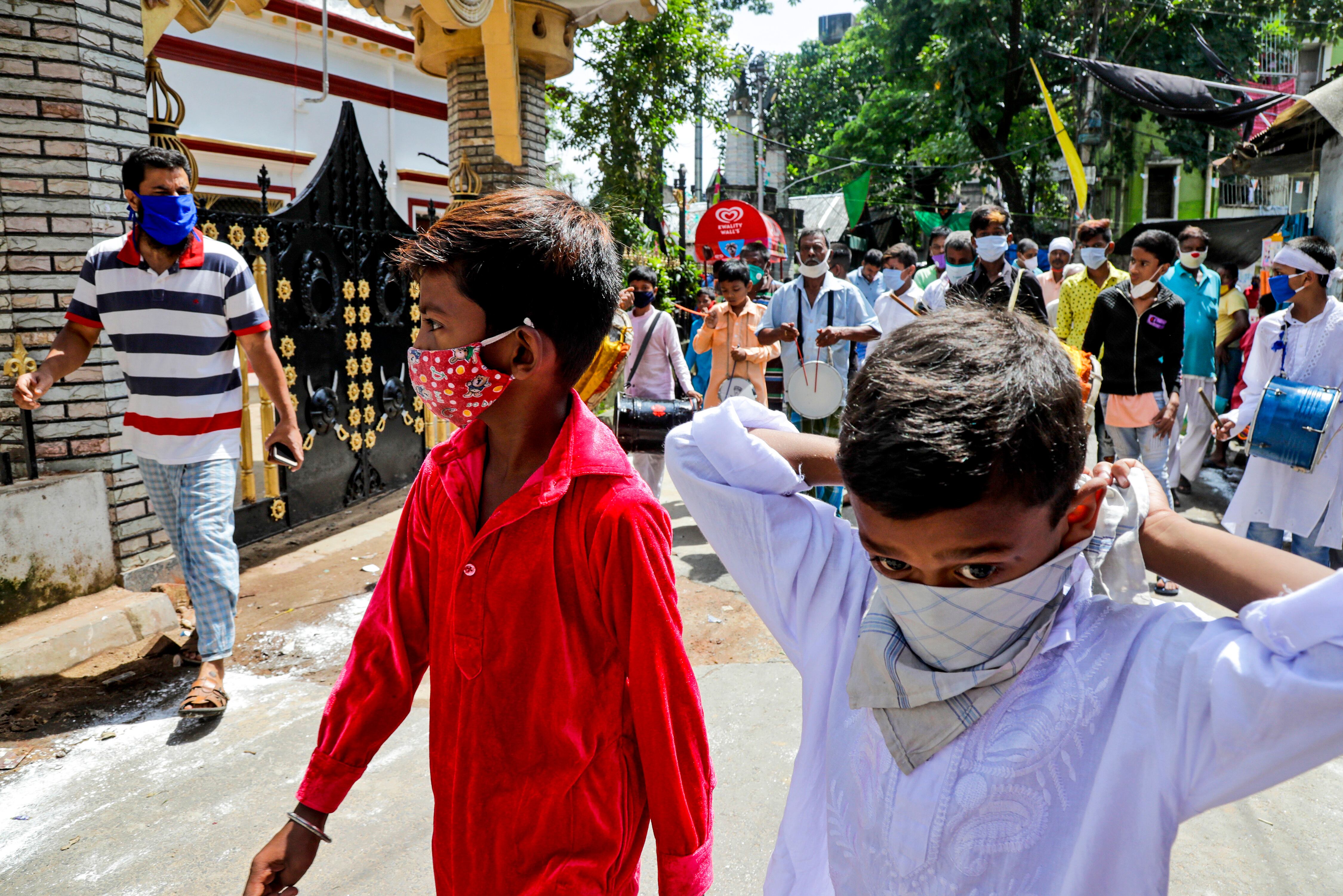
India has registered 78,761 new coronavirus cases, the biggest single-day spike in the world since the pandemic began, just as the government began easing restrictions to help the battered economy.
From Wall Street to Silicon Valley, these are the top stories that moved markets and had investors, business leaders, and entrepreneurs talking this week on Cheddar.