By Matt O'Brien

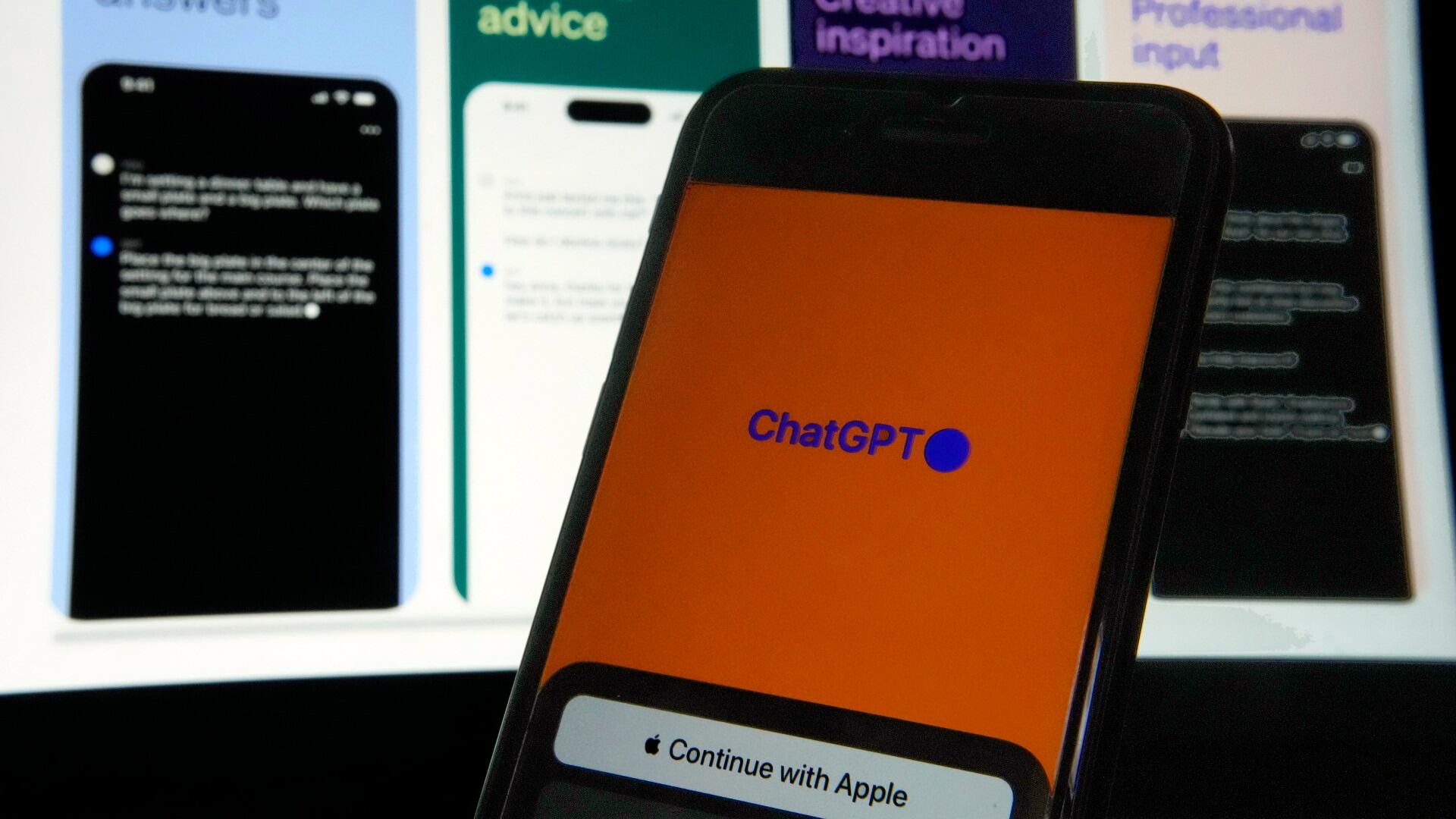
ChatGPT is now a smartphone app, which could be good news for people who like to use the artificial intelligence chatbot and bad news for all the clone apps that have tried to profit off the technology.

The free app became available on iPhones in the U.S. on Thursday and will later be coming to Android phones. Unlike the web version, you can also ask it questions using your voice with the app.

The company that makes it, OpenAI, said it will remain ad-free but “syncs your history across devices.”

“We’re starting our rollout in the U.S. and will expand to additional countries in the coming weeks,” said a blog post announcing the new app, which is described in the App Store as the “official app” by OpenAI.

It's been more than five months since OpenAI released ChatGPT to the public, sparking excitement and alarm at its ability to generate convincingly human-like essays, poems, form letters and conversational answers to almost any question. But the San Francisco startup never seemed to be in a hurry to get it onto phones — where most people access the internet.

“We’re not trying to get people to use it more and more,” OpenAI CEO Sam Altman told U.S. senators this week in a hearing over how to regulate AI systems such as those built by his company.

The delay in getting the product on phones helped fuel a rise of clones built on similar technology, some of which the security firm Sophos described as “fleeceware” in a report this week because they push unsuspecting users toward enrolling in a free trial that converts into a recurring subscription, or use intrusive advertising techniques.

Another privacy researcher, Simon Migliano, said the official ChatGPT app might eventually starve similar-sounding apps of new users, but that could take a while because many of those apps were given names deliberately intended to confuse people into thinking they already have the official app. They were also “hyper-optimized” to rank highly in Apple's App Store search results, said Migliano, head of research at Top10VPN.com.

"For many of those who have already downloaded a clone, it’s likely they will simply stick with the ChatGPT apps they already have and continue to have their personal data harvested and sold,” Migliano said.

Altman told Congress this week that his company doesn’t try to maximize engagement because it doesn’t have an advertising-based business, and because it's costly to train and run its AI models on computer chips known as graphics processing units.

"In fact, we’re so short on GPUs, the less people use our products, the better,” Altman said.

The new app does include an option to pay for a premium version of ChatGPT with additional features. Along with those subscriptions, the company makes money from developers and corporations that pay to integrate its AI models into their own apps and products.

Its chief partner, Microsoft, has invested billions of dollars into the startup and has integrated ChatGPT-like technology into its own products, including a chatbot for its search engine Bing.

The ChatGPT app will now compete for attention with the Bing chatbot already available on iPhones, and could eventually compete with a mobile version of rival Google's chatbot, called Bard. Versions of OpenAI's chatbot technology can also be found in other apps, such as the “My AI” feature on Snapchat.

Share:
More In Technology
Trump signs executive order to block state AI regulations
President Donald Trump has signed an executive order to block states from regulating artificial intelligence. He argues that heavy regulations could stifle the industry, especially given competition from China. Trump says the U.S. needs a unified approach to AI regulation to avoid complications from state-by-state rules. The order directs the administration to draw up a list of problematic regulations for the Attorney General to challenge. States with laws could lose access to broadband funding, according to the text of the order. Some states have already passed AI laws focusing on transparency and limiting data collection.
San Francisco woman gives birth in a Waymo self-driving taxi
Waymo's self-driving taxis have been in the spotlight for both negative and positive reasons. This week, the automated ride-hailing taxis went viral after a San Francisco woman gave birth inside a Waymo taxi while on her way to the hospital. A Waymo spokesperson on Wednesday confirmed the unusual delivery. It said the company's rider support team detected unusual activity inside the vehicle and alerted 911. The taxi arrived safely at the hospital before emergency services. Waymo's popularity is growing despite heightened scrutiny following an illegal U-turn and the death of a San Francisco cat. The company, owned by Alphabet, says it is proud to serve riders of all ages.
OpenAI names Slack CEO Dresser as first chief of revenue
OpenAI has appointed Slack CEO Denise Dresser as its first chief of revenue. Dresser will oversee global revenue strategy and help businesses integrate AI into daily operations. OpenAI CEO Sam Altman recently emphasized improving ChatGPT, which now has over 800 million weekly users. Despite its success, OpenAI faces competition from companies like Google and concerns about profitability. The company earns money from premium ChatGPT subscriptions but hasn't ventured into advertising. Altman had recently announced delays in developing new products like AI agents and a personal assistant.
Trump approves sale of more advanced Nvidia computer chips used in AI to China
President Donald Trump says he will allow Nvidia to sell its H200 computer chip used in the development of artificial intelligence to “approved customers” in China. Trump said Monday on his social media site that he had informed China’s leader Xi Jinping and “President Xi responded positively!” There had been concerns about allowing advanced computer chips into China as it could help them to compete against the U.S. in building out AI capabilities. But there has also been a desire to develop the AI ecosystem with American companies such as chipmaker Nvidia.
It’s time to unpack Spotify Wrapped...
The end of 2025 is almost upon us. And it’s time to unpack Spotify Wrapped. On Wednesday, the music streaming giant delivered its annual recap — giving its hundreds of millions of users worldwide a look at the top songs, artists, podcasts and other audio they listened to over the past year. Spotify isn’t the only platform to roll out a yearly glimpse of data collected from consumers’ online lives. But since its launch about a decade ago, Wrapped has become one of the most anticipated. And Spotify is billing the 2025 edition to be the biggest yet, with a host of new features it hopes may also address some disappointments users had last year.
Load More