The U.S. Department of Health and Human Services has released a plan to overhaul the nation's organ transplant system, which has long been plagued by sometimes lethal delays and IT failures.
The plan will open the Organ Procurement and Transplantation Network (OPTN) to competitive bidding, with the goal of upgrading the system to meet industry-leading standards designed to improve data-tracking and how organs are matched with patients.
“Every day, patients and families across the United States rely on the Organ Procurement and Transplantation Network to save the lives of their loved ones who experience organ failure,” said Carole Johnson, HRSA Administrator, in a news release.
The overhaul follows a series of reports from the National Academies of Sciences, Engineering, and Medicine and the White House's U.S. Digital Service that showed widespread failures in the system.
“At HRSA, our stewardship and oversight of this vital work is a top priority," Johnson said. "That is why we are taking action to both bring greater transparency to the system and to reform and modernize the OPTN. The individuals and families that depend on this life-saving work deserve no less.”
Deep Fission CEO Liz Muller discusses underground nuclear reactors, powering AI, cutting energy costs, and why the future of clean power may be below ground.
Quantum computing is moving from science fiction to national strategy. Infleqtion CEO Matt Kinsella explains Trump's new executive order and what it means.
Foundation Robotics co-founder Michael LeBlanc explains how humanoid robots are moving from the lab to military and industrial missions and what comes next.
Jeff Burnstein, President of the Association for Advancing Automation (A3), discusses humanoid robots, AI, smart manufacturing, and the future of U.S. industry.
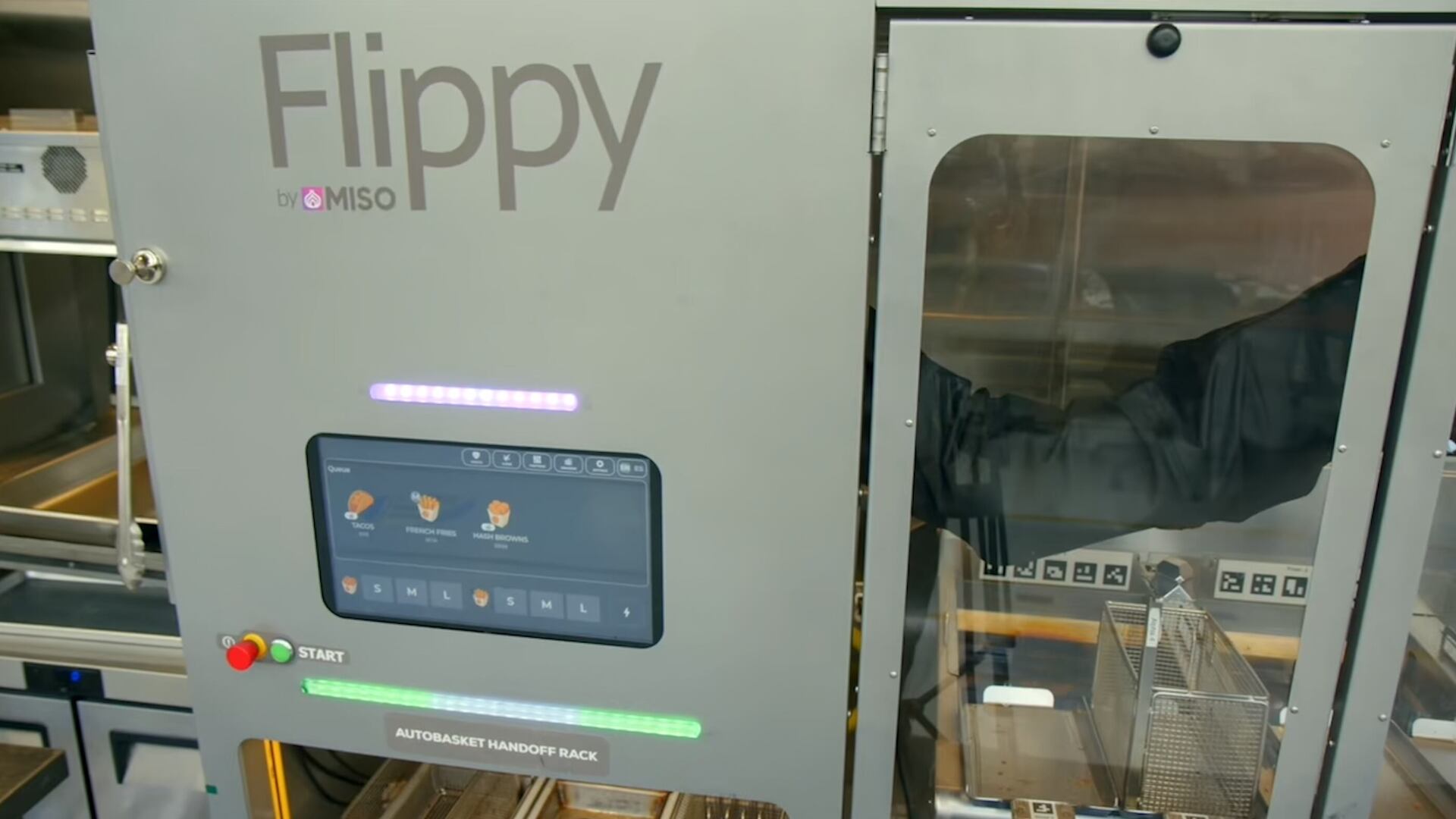
Miso Robotics CEO Rich Hull discusses Flippy Fry Station, the future of AI-powered restaurant automation and how acquiring Zume's IP could reshape food robotics
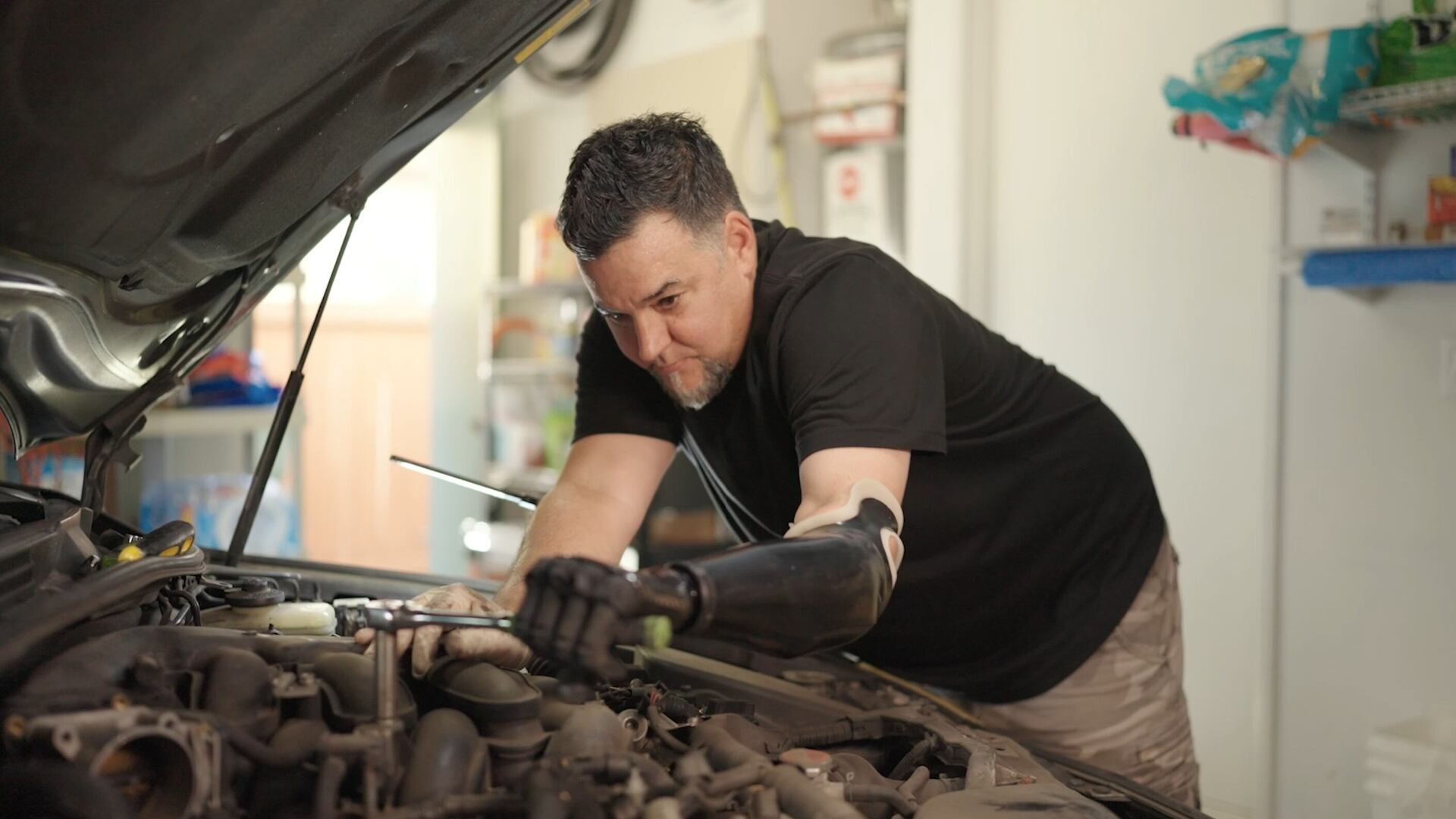
PSYONIC CEO Dr. Aadeel Akhtar explains how the company's Ability Hand restores sensation for amputees while helping train smarter, more capable AI robots.