The Biden administration and major consumer technology players on Tuesday launched an effort to put a nationwide cybersecurity certification and labeling program in place to help consumers choose smart devices that are less vulnerable to hacking.

Officials likened the new U.S. Cyber Trust Mark initiative — to be overseen by the Federal Communications Commission, with industry participation voluntary — to the Energy Star program, which rates appliances’ energy efficiency.

“It will allow Americans to confidently identify which internet- and Bluetooth-connected devices are cybersecure,” deputy national security adviser Anne Neuberger told reporters in a pre-announcement briefing.

Amazon, Best Buy, Google, LG Electronics USA, Logitech and Samsung as among industry participants.

Devices including baby monitors, home security cameras, fitness trackers, TVs, refrigerators and smart climate control systems that meet the U.S. government’s cybersecurity requirements will bear the “Cyber Trust” label, a shield logo, as early as next year, officials said.

FCC Chairwoman Jessica Rosenworcel said the mark will give consumers “peace of mind” and benefit manufacturers, whose products would need to adhere to criteria set by the National Institute of Standards and Technology to qualify.

The FCC was launching a rule-making process to set the standards and seek public comment. Besides carrying logos, participating devices would have QR codes that could be scanned for updated security information.

In a statement, the Consumer Technology Association said consumers could expect to see certification-ready products at the industry’s annual January show, CES 2024, once the FCC adopts final rules. A senior Biden administration official said it was expected that products that qualify for the logo would undergo an annual re-certification.

The Cyber Trust initiative was first announced in October following a meeting between White House and tech industry representatives.

The proliferation of so-called smart devices has coincided with growing cybercrime in which one insecure device can often give a cyberintruder a dangerous foothold on a home network.

An April report from the cybersecurity firm Bitdefender and networking equipment company NetGear, based on their monitoring of smart homes, found that the most vulnerable devices in 2022 were, far and away, smart TVs, followed by smart plugs, routers and digital video recorders.

Providers of numerous smart home devices often don’t update and patch software fast enough to thwart newly emerging malware threats. The Cyber Mark standards are expected to make clear which devices patch vulnerable software in a timely fashion and secure their communications to preserve privacy, officials said. Also important will be informing consumers which devices are equipped to detect intrusions.


Share:
More In Technology
Bitcoin Set Up for Success in 2022, Altcoins Could Gain in Popularity
Bitcoin had a successful 2021: reaching a new high of nearly $70,000, a $1 trillion market cap, and becoming legal tender in El Salvador. Investors also got the chance to invest in three Bitcoin futures-backed ETFs once they were approved. These developments set up the world's best-known digital coin for more success in 2022, but could altcoins like Ethereum, Litecoin, and others move into the top spot or impact Bitcoin's value? Matt Hougan, CIO of Bitwise Asset Management, joins Cheddar's Crypto Craze: The Year of the Token to discuss his 2022 outlook for Bitcoin, whether we could see an ETF backed by a physical coin, and more.
Crypto Craze: Historic 2021 Campaign Paves Way for Continued Mainstream Adoption
Coming off a 2021 campaign where the prices of Bitcoin, Ether, and other cryptocurrencies reached unpreceded levels, Bitwise Asset Management CIO Matt Hougan and OpenNode Co-Founder & CTO João Almeida join Cheddar News' Crypto Craze: The Year of the Token to discuss the ways the crypto market can soar even higher in 2022.
Metaverse an Opportunity for Brands to 'Stay Refreshed' in Evolving Landscape
Howard Yu, LEGO professor of management and innovation at IMD Business School and author of "Leap: How to Thrive in a World Where Everything Can Be Copied," joined Cheddar to discuss the mania surrounding the concept of the metaverse. He particularly noted how companies in the retailing sector like Nike are leveraging it. "I think metaverse really opens up a window for brands to think about how can they, ongoing-wise, engage with the consumer, engage with the target audience, so their brand continues to stay refreshed in the changing environment," Yu said.
Year in Review: Best Tech Gadgets in 2021
2021 was no walk in the park for the tech sector. However, despite the industry dealing with worldwide chip shortage and supply chain crisis, many companies managed to push innovations forward. All these innovations are also expected to accelerate its coolness in 2022. Editor at Large at CNET Ian Sherr, joined Cheddar to discuss more.
Tornado's 'Learn and Earn' Program Rewards Educated Users
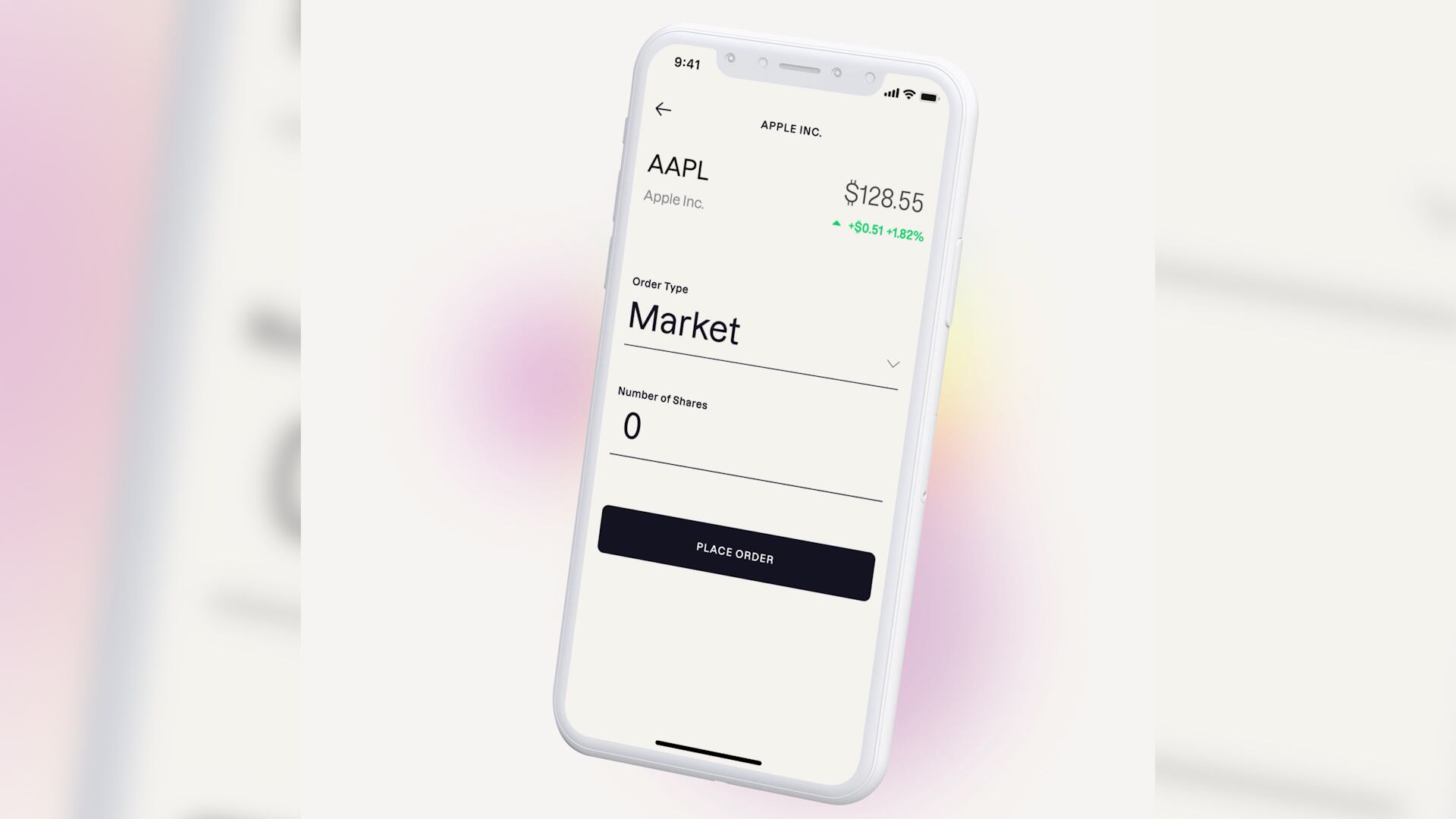
The mobile brokerage app, Tornado, says its the first investing platform that combines next-level tools and resources with hyper-tailored investing news. The more you engage within the app, the more intelligent of an investor you'll be, and the more you'll gain from the experience. 'Learn and earn,' the latest feature of the app serves to do just that, as it pays users to learn how to invest. CEO and co-founder of Tornado, Bernard George, joins Cheddar News to discuss.
A Crypto Christmas: Give the Gift of NTFs
Digital assets are the gifts that keep on giving, as they have the potential to make people serious cash if it's value increases over time. These gifts are ultimately just investments, in the form of art. Sunil Singhvi, chief business development officer at Rarible, joins Cheddar News to discuss.
Load More