The seal of the Federal Communications Commission (FCC) is seen before an FCC meeting to vote on net neutrality in Washington, Dec. 14, 2017. The Biden administration and major consumer tech players are launching an effort to put a nationwide cybersecurity certification and labeling program in place to help consumers choose smart devices that are less vulnerable to hacking. Officials liken the new "U.S. Cyber Trust Mark" initiative to the Energy Star program that rates appliances' energy efficiency. It will be overseen by the Federal Communications Commission. (AP Photo/Jacquelyn Martin, File)
The Biden administration and major consumer technology players on Tuesday launched an effort to put a nationwide cybersecurity certification and labeling program in place to help consumers choose smart devices that are less vulnerable to hacking.
Officials likened the new U.S. Cyber Trust Mark initiative — to be overseen by the Federal Communications Commission, with industry participation voluntary — to the Energy Star program, which rates appliances’ energy efficiency.
“It will allow Americans to confidently identify which internet- and Bluetooth-connected devices are cybersecure,” deputy national security adviser Anne Neuberger told reporters in a pre-announcement briefing.
Amazon, Best Buy, Google, LG Electronics USA, Logitech and Samsung as among industry participants.
Devices including baby monitors, home security cameras, fitness trackers, TVs, refrigerators and smart climate control systems that meet the U.S. government’s cybersecurity requirements will bear the “Cyber Trust” label, a shield logo, as early as next year, officials said.
FCC Chairwoman Jessica Rosenworcel said the mark will give consumers “peace of mind” and benefit manufacturers, whose products would need to adhere to criteria set by the National Institute of Standards and Technology to qualify.
The FCC was launching a rule-making process to set the standards and seek public comment. Besides carrying logos, participating devices would have QR codes that could be scanned for updated security information.
In a statement, the Consumer Technology Association said consumers could expect to see certification-ready products at the industry’s annual January show, CES 2024, once the FCC adopts final rules. A senior Biden administration official said it was expected that products that qualify for the logo would undergo an annual re-certification.
The Cyber Trust initiative was first announced in October following a meeting between White House and tech industry representatives.
The proliferation of so-called smart devices has coincided with growing cybercrime in which one insecure device can often give a cyberintruder a dangerous foothold on a home network.
An April report from the cybersecurity firm Bitdefender and networking equipment company NetGear, based on their monitoring of smart homes, found that the most vulnerable devices in 2022 were, far and away, smart TVs, followed by smart plugs, routers and digital video recorders.
Providers of numerous smart home devices often don’t update and patch software fast enough to thwart newly emerging malware threats. The Cyber Mark standards are expected to make clear which devices patch vulnerable software in a timely fashion and secure their communications to preserve privacy, officials said. Also important will be informing consumers which devices are equipped to detect intrusions.
Verizon and AT&T have agreed to delay the launch of their 5G networks for two weeks following pressure from the Federal Aviation Administration, airline companies and even Transportation Secretary Pete Buttigieg. The aviation industry is concerned the 5G rollout could bring technical challenges or safety concerns on top of the current disruptions they're already dealing with from COVID and severe weather. Hugh Odom, founder and president of Vertical Consultants and former AT&T attorney, discusses how the Biden administration was able to come to this agreement with the wireless carriers.
Angelo Zino, Senior Industry Analyst & Vice President at CFRA Research, breaks down the tech giants' valuation milestone and discusses the areas of Apple's business that could see further growth.
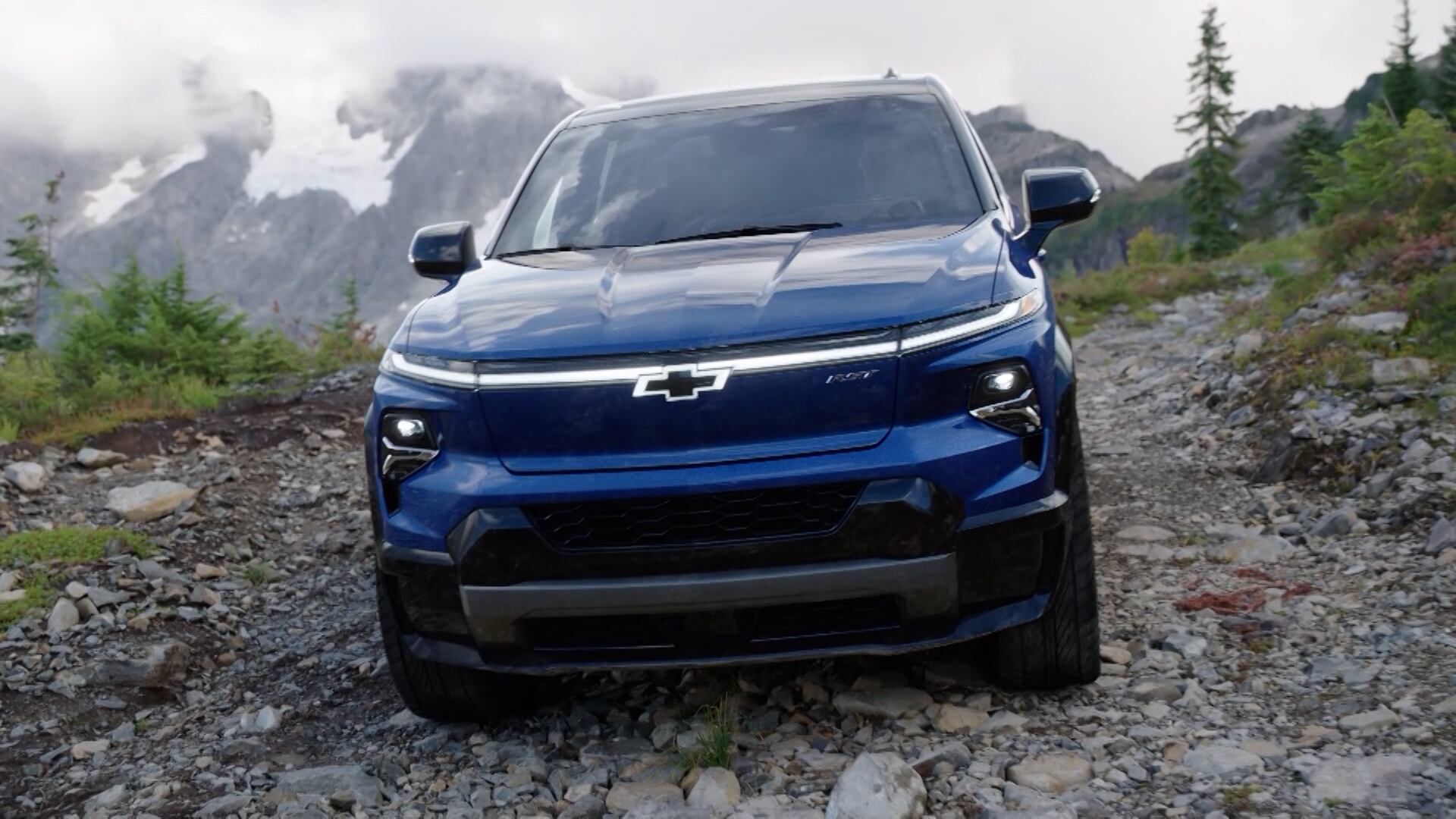
General Motors rolled out the newest addition to its EV fleet with the all-electric Silverado pickup truck. Deborah Wahl, chief marketing officer at GM, joined Cheddar to talk about the latest EV offering and how it matches up to its past gas-powered versions. She said she expects demand to soar after the "first-level truck" sold out in just 12 minutes and talked about steps GM plans to take to regain its title as top U.S. auto seller after being dethroned by Toyota in 2021 with emphasis on the EV market. "I think this is an exciting new inflection point for the market overall, for [an] idea of an all-electric future, and certainly shows that we're extremely committed to the idea of everybody in an electric vehicle," said Wahl.
With the annual CES convention underway amid COVID, HP unveiled rolled out a number of new products virtually this year, including new gaming PCs and 4K display monitors. But as industries look toward a greener future, HP is working with the climate crisis in mind. James McCall, chief sustainability officer at HP, joined Cheddar's Kristen Scholer to discuss the company's climate goals, which includes reducing its carbon footprint to net-zero by 2040. He admitted that reaching the ambitious goal will be difficult because much of the company's emissions totals come from third parties. "A large part of our footprint is outside of HP's direct control. A lot of it comes either from our incoming supply chain, the materials, our manufacturing process, or about 30 to 40 percent of it comes from our consumer-use base," McCall told Cheddar.
Martin Fischer, president of technology supplier for cars and commercial vehicles ZF North America, joined Cheddar to discuss the company's solutions for next-generation mobility in autonomous vehicles and its plans to usher in the next phase of electric vehicles. He also talked about the rising demand for self-driving technology on a global scale. "Whereas we are really active also there for passenger cars and commercial vehicles, what we showcase at CES now virtually is our autonomous shuttles," he said. "So, what that means is we bring these vehicles to busy city centers and can take traffic levels down."
Steve Patton, EY Americas Mobility Sector Leader, joins Cheddar News to discuss what can be done to speed up the adoption of EVs, and how infrastructure can be scaled up to support this transition.
Pfizer and BioNTech are working to develop an mRNA-based shingles vaccine following the success of the COVID-19 shot. This latest collaboration will mark the third time the pharmaceutical companies have worked together on a vaccine.