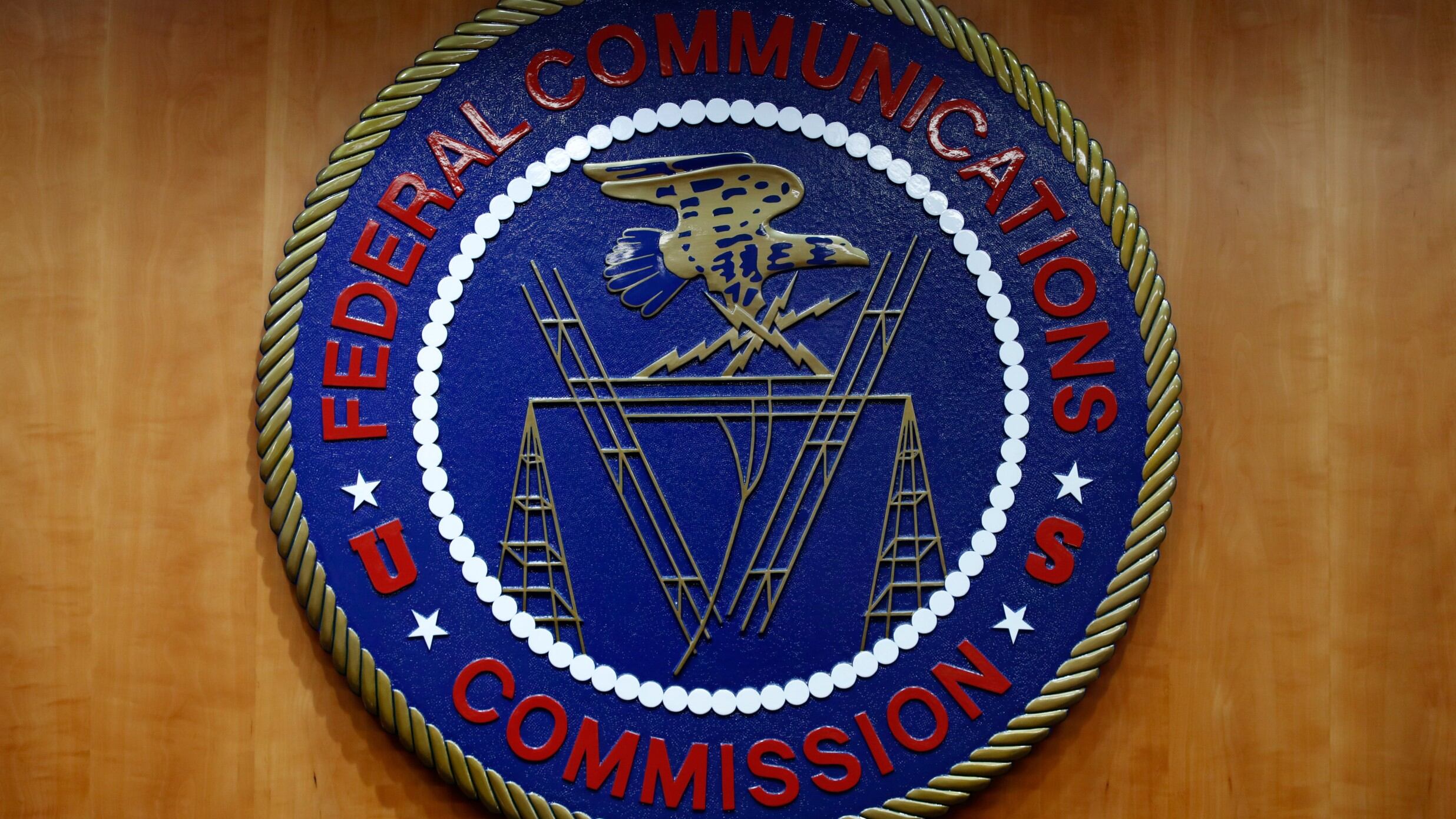
The seal of the Federal Communications Commission (FCC) is seen before an FCC meeting to vote on net neutrality in Washington, Dec. 14, 2017. The Biden administration and major consumer tech players are launching an effort to put a nationwide cybersecurity certification and labeling program in place to help consumers choose smart devices that are less vulnerable to hacking. Officials liken the new "U.S. Cyber Trust Mark" initiative to the Energy Star program that rates appliances' energy efficiency. It will be overseen by the Federal Communications Commission. (AP Photo/Jacquelyn Martin, File)
The Biden administration and major consumer technology players on Tuesday launched an effort to put a nationwide cybersecurity certification and labeling program in place to help consumers choose smart devices that are less vulnerable to hacking.
Officials likened the new U.S. Cyber Trust Mark initiative — to be overseen by the Federal Communications Commission, with industry participation voluntary — to the Energy Star program, which rates appliances’ energy efficiency.
“It will allow Americans to confidently identify which internet- and Bluetooth-connected devices are cybersecure,” deputy national security adviser Anne Neuberger told reporters in a pre-announcement briefing.
Amazon, Best Buy, Google, LG Electronics USA, Logitech and Samsung as among industry participants.
Devices including baby monitors, home security cameras, fitness trackers, TVs, refrigerators and smart climate control systems that meet the U.S. government’s cybersecurity requirements will bear the “Cyber Trust” label, a shield logo, as early as next year, officials said.
FCC Chairwoman Jessica Rosenworcel said the mark will give consumers “peace of mind” and benefit manufacturers, whose products would need to adhere to criteria set by the National Institute of Standards and Technology to qualify.
The FCC was launching a rule-making process to set the standards and seek public comment. Besides carrying logos, participating devices would have QR codes that could be scanned for updated security information.
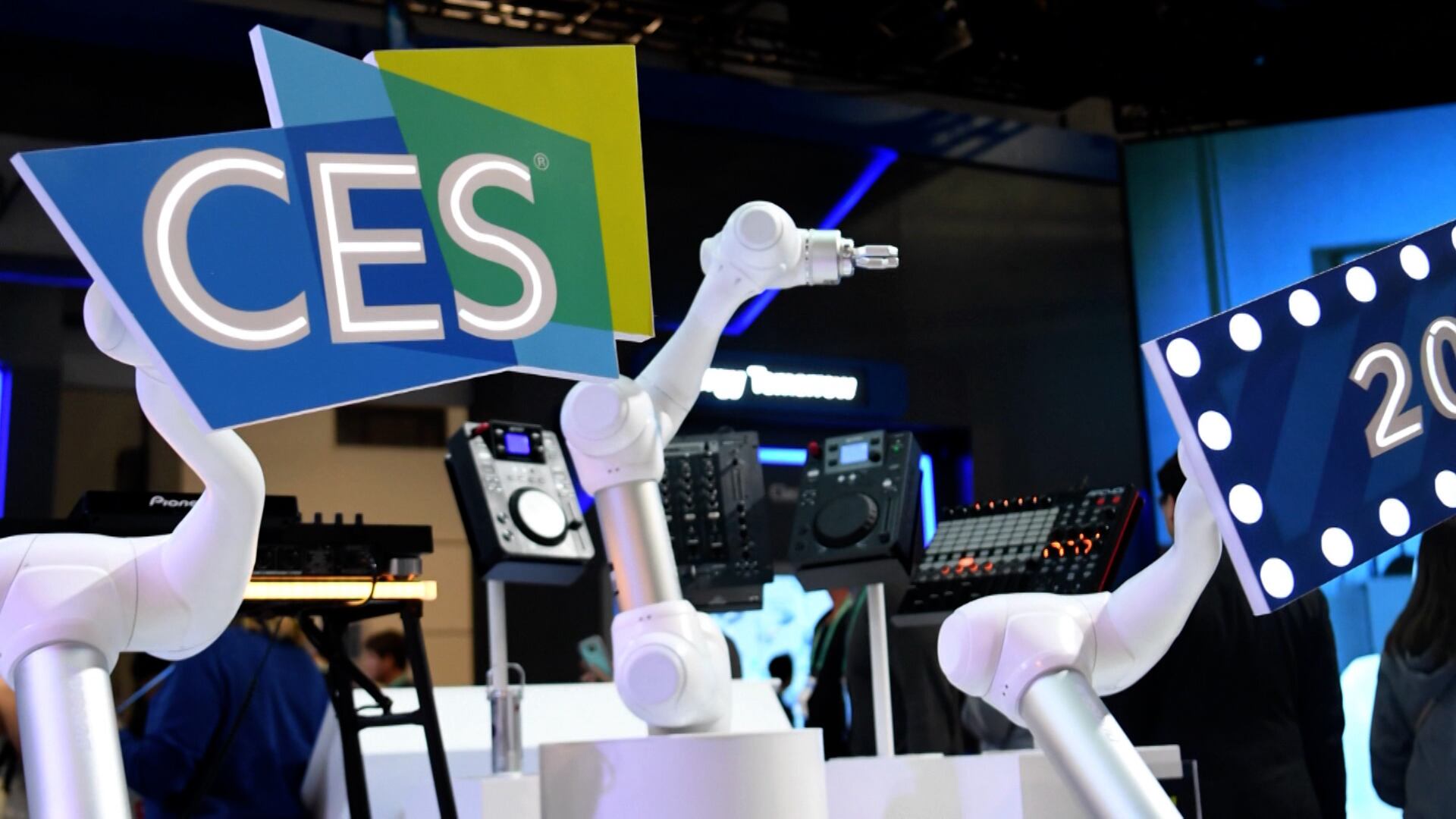
In a statement, the Consumer Technology Association said consumers could expect to see certification-ready products at the industry’s annual January show, CES 2024, once the FCC adopts final rules. A senior Biden administration official said it was expected that products that qualify for the logo would undergo an annual re-certification.
The Cyber Trust initiative was first announced in October following a meeting between White House and tech industry representatives.
The proliferation of so-called smart devices has coincided with growing cybercrime in which one insecure device can often give a cyberintruder a dangerous foothold on a home network.
An April report from the cybersecurity firm Bitdefender and networking equipment company NetGear, based on their monitoring of smart homes, found that the most vulnerable devices in 2022 were, far and away, smart TVs, followed by smart plugs, routers and digital video recorders.
Providers of numerous smart home devices often don’t update and patch software fast enough to thwart newly emerging malware threats. The Cyber Mark standards are expected to make clear which devices patch vulnerable software in a timely fashion and secure their communications to preserve privacy, officials said. Also important will be informing consumers which devices are equipped to detect intrusions.
Kim Grauer, Director of Research for Chainalysis, joins Cheddar News' Closing Bell, where she breaks down her recent study and says while scammers took a record $14 billion in crypto in 2021, the share of overall activity of those events are at an all-time low.
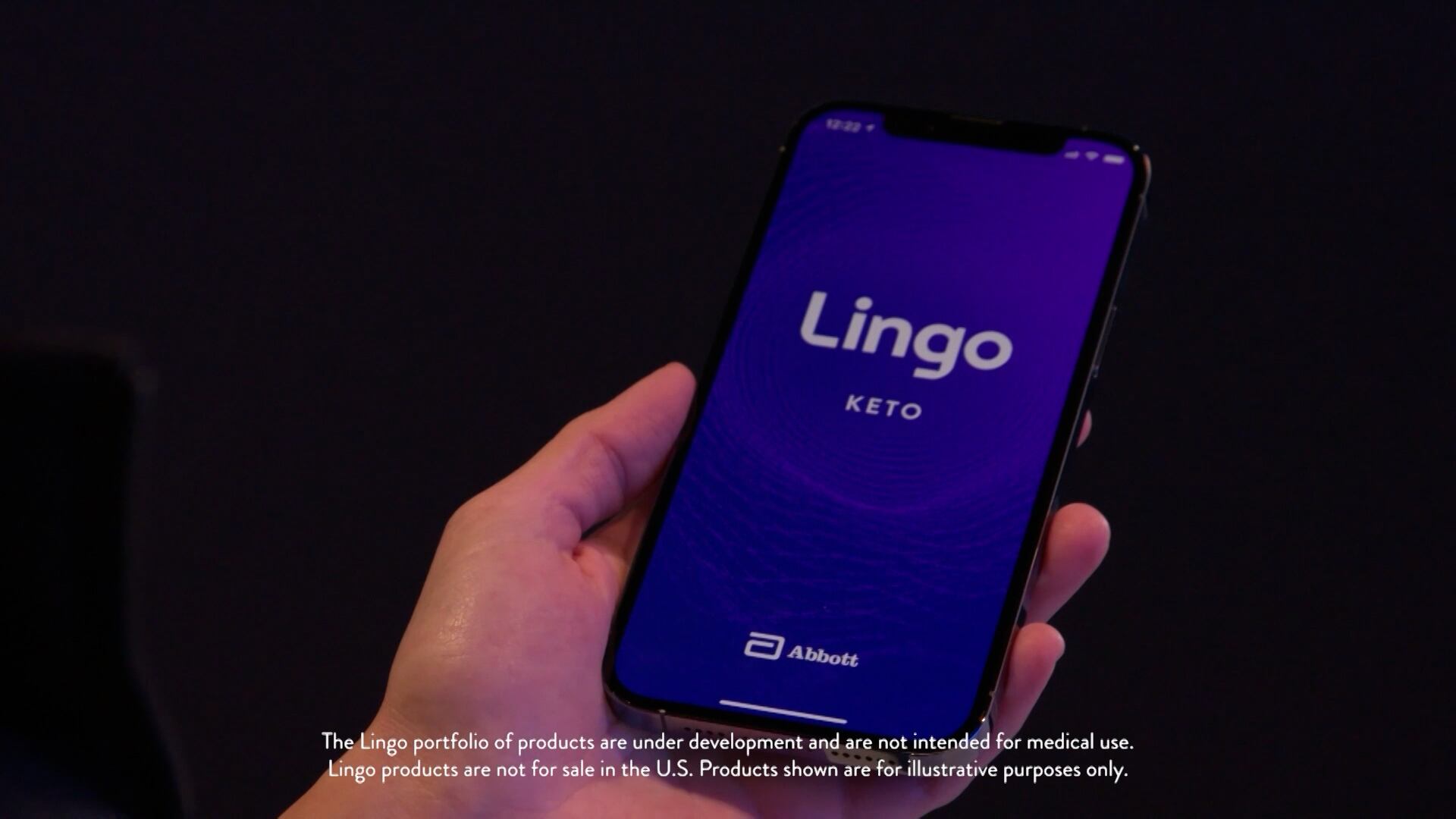
Jared Watkin, senior vice president, diabetes care, at Abbott Laboratories, joined Michelle Castillo from the CES 2022 floor to discuss the future of health tech, including Abbott's consumer-facing biowearable called Lingo. The accessory is supposed to send real-time biomarker information like glucose or ketone levels to the Lingo app for the wearer to review. "The idea is that it's a window into your body," Watkin said. "It gives you insight into what's going on in your body and the certain circumstances that you otherwise wouldn't be able to have."
Aaron Jefferson, VP of product at Luminar, joined Cheddar to discuss partnering with automaker Volvo to bring its LIDAR (light detection and ranging) tech into autonomous cars capable of safely driving on the highway. While companies like Tesla have come under fire due to safety issues with its self-driving technology, Jefferson noted how his company's tech differs. "Our LIDAR, its iris sensor that's really set for production, is able to sense, understand, and give the vehicle confidence to react accordingly such that you don't have these same types of issues," he said. The Ride Pilot technology in Volvo vehicles will be rolled out in California following safety testing.
The fintech app backed by billionaire Mark Cuban called Dave made its public debut on the Nasdaq Thursday via a SPAC merger. CEO and co-founder Jason Wilk spoke to Cheddar's Kristen Scholer about the IPO and how his company's services distinguish it from traditional banks. "Customers come to us because they're tired of paying $20 billion of overdraft fees, and they come to Dave, they download our app, and within minutes they can get access to $250 of no interest credit, which we give them through our own proprietary machine learning model," he told Cheddar.
Stephanie Linnartz, president of Marriott International, joined Cheddar's "Closing Bell" to talk about the launch of the Marriott Design Lab, a new facility within its Bethesda, Maryland, headquarters to explore innovative tech offerings for bolstering the guest experience. "It's all around figuring out how we can innovate in the guest room in the public space, looking at how we can use robotics, improve sustainability, etcetera," she said. Some short-term changes in the future Linnartz also noted is an expansion of the chain's mobile capabilities to make check-in and check-out an easier process for guests, as well as mobile room service, from the feedback it received during the pandemic.
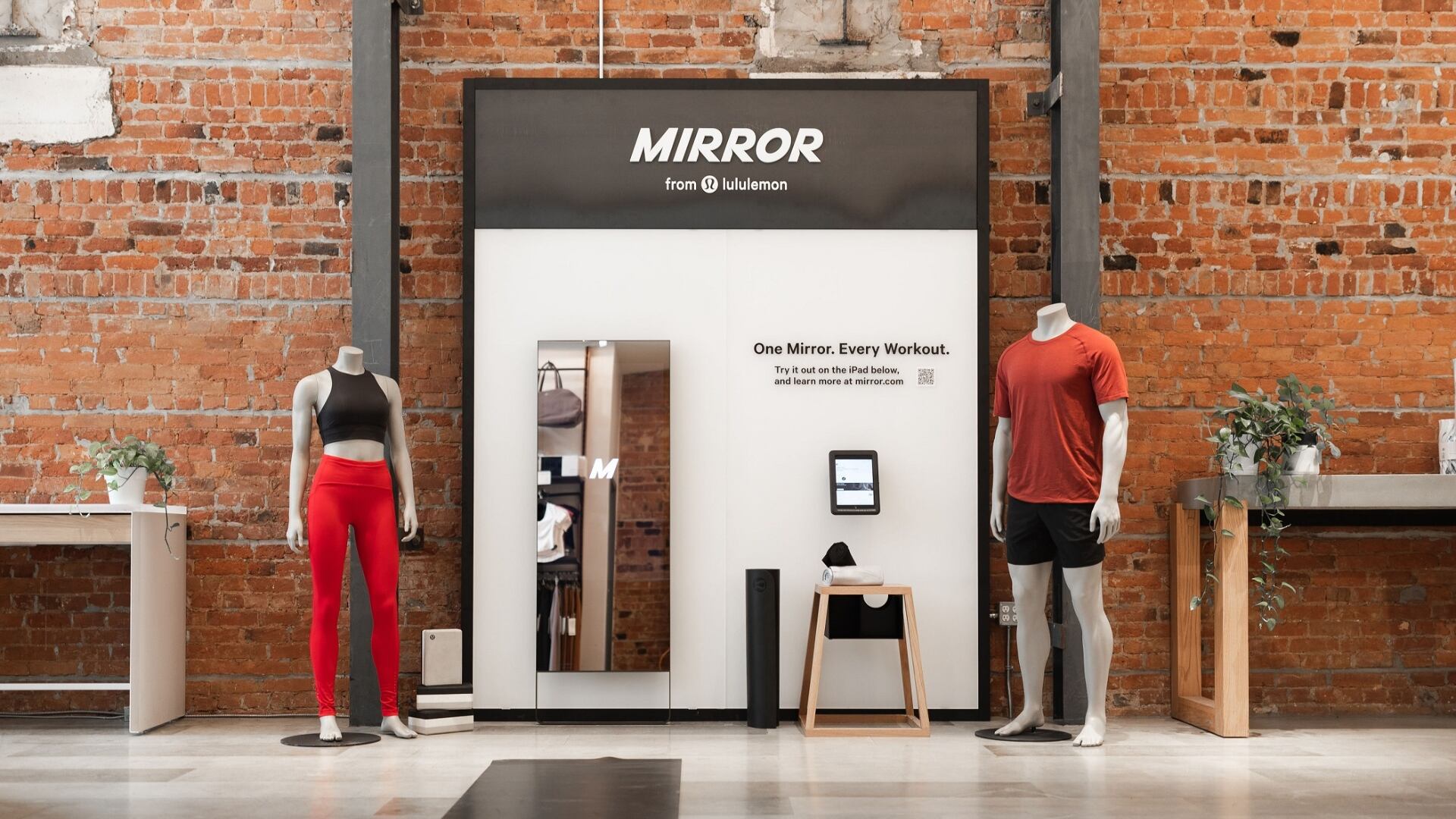
Nike has initiated a lawsuit against athletic apparel retailer and competitor Lululemon over claims of patent infringement. The sneaker giant is claiming the technology in their rival's MIRROR home gym was patented back in 1983.
Adi Robertson, senior reporter at The Verge, joins Cheddar News to break down the battle between two NFT collections by Phunky Ape Yacht Club and PHAYC that are selling plagiarized Bored Ape Yacht Club designs.
Dan Diasio, EY Global Artificial Intelligence Consulting Leader, joins Cheddar News to discuss the role of artificial intelligence for everyday consumers, what hurdles are holding back for greater A.I. adoption, and advice for businesses using this emerging tech.
On this episode of Cheddar Innovates: Founder of Unlimited Tomorrow breaks down how he is creating completely 3D printed prosthetics to make them more affordable, customizable, and accessible; Chief Technology Officer of Zebra Technologies explains what the future of collaboration between robots and humans may look like; A look at Curiosity Stream's 'Mystery of the Roman Skulls.'