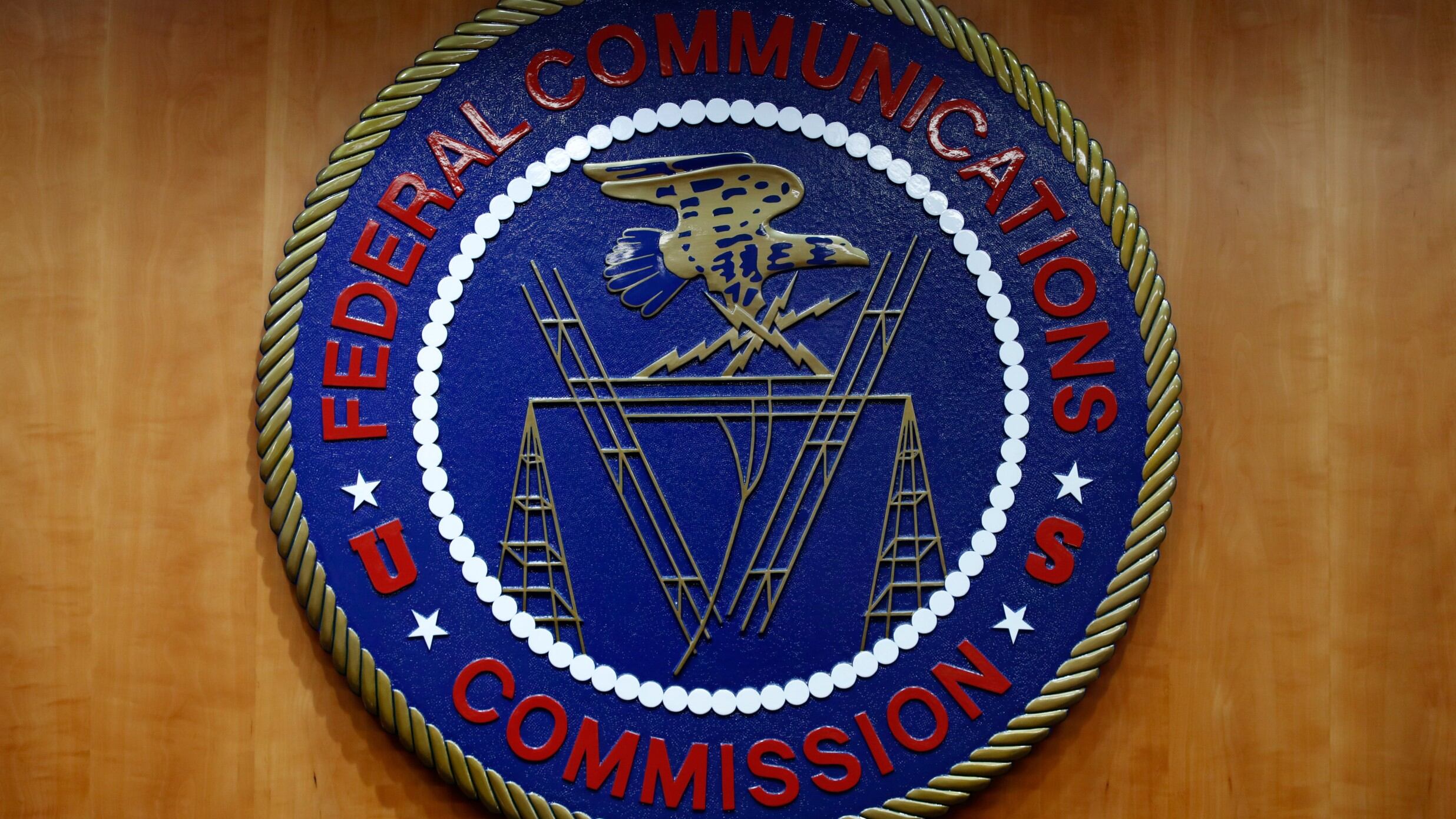
The Biden administration and major consumer technology players on Tuesday launched an effort to put a nationwide cybersecurity certification and labeling program in place to help consumers choose smart devices that are less vulnerable to hacking.

Officials likened the new U.S. Cyber Trust Mark initiative — to be overseen by the Federal Communications Commission, with industry participation voluntary — to the Energy Star program, which rates appliances’ energy efficiency.

“It will allow Americans to confidently identify which internet- and Bluetooth-connected devices are cybersecure,” deputy national security adviser Anne Neuberger told reporters in a pre-announcement briefing.

Amazon, Best Buy, Google, LG Electronics USA, Logitech and Samsung as among industry participants.

Devices including baby monitors, home security cameras, fitness trackers, TVs, refrigerators and smart climate control systems that meet the U.S. government’s cybersecurity requirements will bear the “Cyber Trust” label, a shield logo, as early as next year, officials said.

FCC Chairwoman Jessica Rosenworcel said the mark will give consumers “peace of mind” and benefit manufacturers, whose products would need to adhere to criteria set by the National Institute of Standards and Technology to qualify.

The FCC was launching a rule-making process to set the standards and seek public comment. Besides carrying logos, participating devices would have QR codes that could be scanned for updated security information.

In a statement, the Consumer Technology Association said consumers could expect to see certification-ready products at the industry’s annual January show, CES 2024, once the FCC adopts final rules. A senior Biden administration official said it was expected that products that qualify for the logo would undergo an annual re-certification.

The Cyber Trust initiative was first announced in October following a meeting between White House and tech industry representatives.

The proliferation of so-called smart devices has coincided with growing cybercrime in which one insecure device can often give a cyberintruder a dangerous foothold on a home network.

An April report from the cybersecurity firm Bitdefender and networking equipment company NetGear, based on their monitoring of smart homes, found that the most vulnerable devices in 2022 were, far and away, smart TVs, followed by smart plugs, routers and digital video recorders.

Providers of numerous smart home devices often don’t update and patch software fast enough to thwart newly emerging malware threats. The Cyber Mark standards are expected to make clear which devices patch vulnerable software in a timely fashion and secure their communications to preserve privacy, officials said. Also important will be informing consumers which devices are equipped to detect intrusions.


Share:
More In Technology
17 Digital Asset Firms Launch CMIC, Committing to Safer Markets and Working with Regulators
Soildus Labs, a market compliance and surveillance technology provider for crypto firms, has spearheaded the launch of the Crypto Market Integrity Coalition, a pledge committing to a safe and sensibly-regulated crypto industry. Kathy Kraninger, VP of Regulatory Affairs at Solidus Labs, discusses on Cheddar News' Closing Bell the biggest problems in the digital asset space that this new initiative plans to solve.
Chip Shortage Continues to Impact Automobile Production
The global chip shortage continues to weigh on the automotive industry. For example, Ford says it is suspending or cutting production at eight of its factories in North America through next week due to the shortage. Balu Balakrishnan, President and CEO of Power Integrations, joins Cheddar News' Closing Bell, where he elaborates on why the chip shortage has dragged into 2022.
Dan Ives: Apple is Likely 'Aggressively' Pursuing Peloton Takeover
Peloton has weathered a seemingly never-ending storm the past few months: PR blunders, sinking customer demand, and in recent weeks, reported cost-cutting and potential layoffs. Now, several companies are said to be in the mix as potential buyers: Amazon, Netflix, Disney, and Apple. How likely is it that one of these companies pursues a deal — and how likely is it that it will be Apple who buys Peloton? Dan Ives, Managing Director of Equity Research at Wedbush Securities, joins Closing Bell to discuss his thoughts about Apple pursuing a Peloton takeover,
Astra Scrubs NASA ELaNa 41 Space Launch, Sees Its Stock Fall
Astra aborted the launch for NASA ELaNa 41 Mission out of Cape Canaveral on Monday due to what was described as a minor issue, but the company's stock fell nearly 14 percent following the news. Jim Cantrell, CEO and co-founder of Phantom Space, which builds and launches spacecraft of its own, joined Cheddar to discuss the scrubbed mission. “The last thing you want is for this to go wrong, you're better to err on the side of safety expectations,” Cantrell explained, noting that the mission delay was a normal event.
Biden Administration Working To Address TikTok's Security Risk
The Biden Administration is set to revise federal rules to address potential security risks from foreign-owned apps, mainly Tiktok. This comes after the White House opted not to pursue a forced shutdown of the Chinese-owned video sharing platform. Under these new rules, federal oversight would be expanded to explicitly include apps that could be used by foreign adversaries to steal or otherwise obtain data. Senior Fellow at the Foundation for Defense of Democracies, Craig Singleton, joined Cheddar to discuss more.
Decentraland Hosts Its First Metaverse Wedding
The metaverse platform Decentraland hosted its first wedding over the weekend. The union was overseen by Rose Law Group, at the firm's virtual property, hosting witnesses including 2,000 guests. The ceremony endured some technical glitches before being completed.
Load More