Are Personal Checks Done? Target Will Stop Accepting Them Next Week
By Anne D'innocenzio
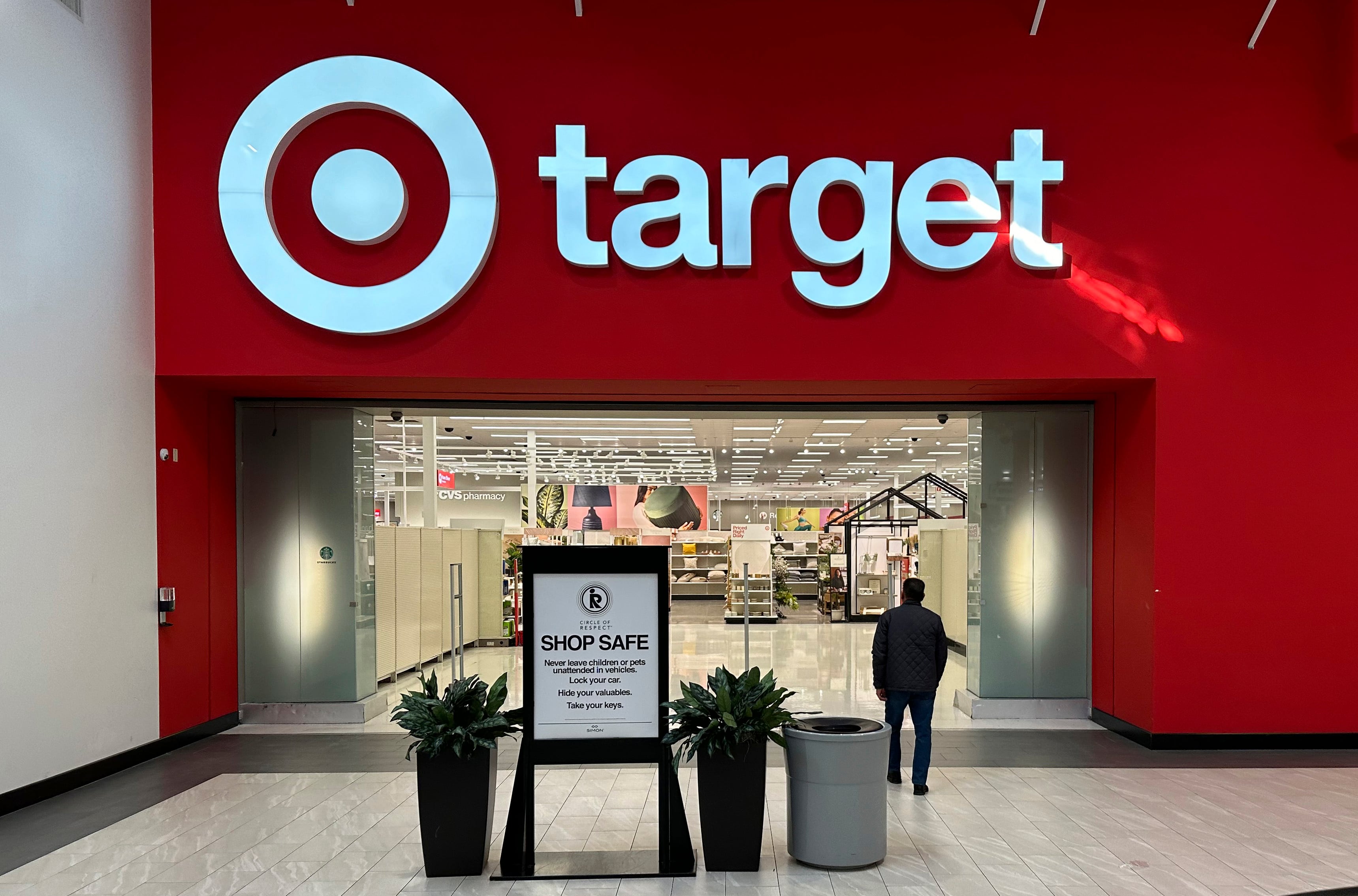
FILE - A shopper heads into a Target store Jan. 11, 2024, in Lakewood, Colo. Target will no longer accept personal checks from shoppers as of July 15, underscoring how this once popular method of payment has gone the way of such archaic artifacts as the floppy disc or the rolodex. (AP Photo/David Zalubowski, File)
NEW YORK (AP) — Target will no longer accept personal checks from shoppers as of July 15, another sign of how a once ubiquitous payment method is going the way of outmoded objects like floppy disks and the Rolodex.
The Minneapolis-based discounter confirmed the move in a statement to The Associated Press on Tuesday, citing “extremely low volumes” of customers who still write checks. Target said it remained committed to creating an easy and convenient checkout experience with credit and debit cards, “buy now, pay later” services and the Target Circle membership program, which applies deals automatically at checkout.
“We have taken several measures to notify guests in advance" about the no-checks policy, the company said.
Target's decision leaves Walmart, Macy’s and Kohl’s among the retailers that still accept personal checks at their stores. Whole Foods Market and the Aldi supermarket chain previously stopped taking checks from customers.
Shoppers have pulled out checkbooks increasingly less often since the mid-1990s. Cash-dispensing ATMs, debit cards, online banking and mobile payment systems like Venmo and Apple Pay mean many young adults may never have written a check.
Check usage has been in decline for decades as Americans have largely switched to paying for their services with credit and debit cards. Americans wrote roughly 3.4 billion checks in 2022, down from nearly 19 billion checks in 1990, according to the Federal Reserve. However, the average size of the checks Americans wrote over the 32-year period rose from $673 in 1990 — or $1,602 in today’s dollars — to $2,652.
The drop in check writing enabled the Federal Reserve to sharply reduce its national check processing infrastructure. In 2003, it ran 45 check-processing locations nationwide; since 2010, it has operated only one.
Rising incidents of check fraud are also making people shy away from check writing. It’s being fueled by organized crime that is forcing small businesses and individuals to take additional safety protections or to avoid sending checks through the mail altogether.
The New York Times and President Donald Trump are fighting again. The news outlet said Wednesday it won't be deterred by Trump's “false and inflammatory language” from writing about the 79-year-old president's health. The Times has done a handful of stories on that topic recently, including an opinion column that said Trump is “starting to give President Joe Biden vibes.” In a Truth Social post, Trump said it might be treasonous for outlets like the Times to do “FAKE” reports about his health and "we should do something about it.” The Republican president already has a pending lawsuit against the newspaper for its past reports on his finances.
OpenAI has appointed Slack CEO Denise Dresser as its first chief of revenue. Dresser will oversee global revenue strategy and help businesses integrate AI into daily operations. OpenAI CEO Sam Altman recently emphasized improving ChatGPT, which now has over 800 million weekly users. Despite its success, OpenAI faces competition from companies like Google and concerns about profitability. The company earns money from premium ChatGPT subscriptions but hasn't ventured into advertising. Altman had recently announced delays in developing new products like AI agents and a personal assistant.
President Donald Trump says he will allow Nvidia to sell its H200 computer chip used in the development of artificial intelligence to “approved customers” in China. Trump said Monday on his social media site that he had informed China’s leader Xi Jinping and “President Xi responded positively!” There had been concerns about allowing advanced computer chips into China as it could help them to compete against the U.S. in building out AI capabilities. But there has also been a desire to develop the AI ecosystem with American companies such as chipmaker Nvidia.
U.S. sports betting is booming as NFL and college football fuel massive activity. BetMGM CEO Adam Greenblatt breaks down trends, growth, and what’s next.
President Donald Trump says a deal struck by Netflix last week to buy Warner Bros. Discovery “could be a problem” because of the size of the combined market share. The Republican president says he will be involved in the decision about whether federal regulators should approve the deal. Trump commented Sunday when he was asked about the deal as he walked the red carpet at the Kennedy Center Honors. The $72 billion deal would bring together two of the biggest players in television and film and potentially reshape the entertainment industry.
Disney's changes to a program for disabled visitors are facing challenges in federal court and through a shareholder proposal. The Disability Access Service program, which allows disabled visitors to skip long lines, was overhauled last year. Disney now mostly limits the program to those with developmental disabilities like autism who have difficulty waiting in lines. The changes have sparked criticism from some disability advocates. A shareholder proposal submitted by disability advocates calls for an independent review of Disney's disability policies. Disney plans to block this proposal, claiming it's misleading. It's the latest struggle by Disney to accommodate disabled visitors while stopping past abuses by some theme park guests.
With a merger this big, creators, studios, and theaters all face uncertain futures. Here’s what experts are worried about and what good could come from it.
With disengagement rising and hybrid work shifting, 'Everybody Matters' author Bob Chapman explains why treating people well could define the future of work.
We sat down with Ali Furman, U.S. Consumer Markets Industry Leader at consulting firm PwC to ask what trends she garnered from the initial data this year.