Why AI “actress” Tilly Norwood is no threat to Hollywood
By Grant Keller
AI "Actress" Tilly Norwood — Image courtesy Particle6
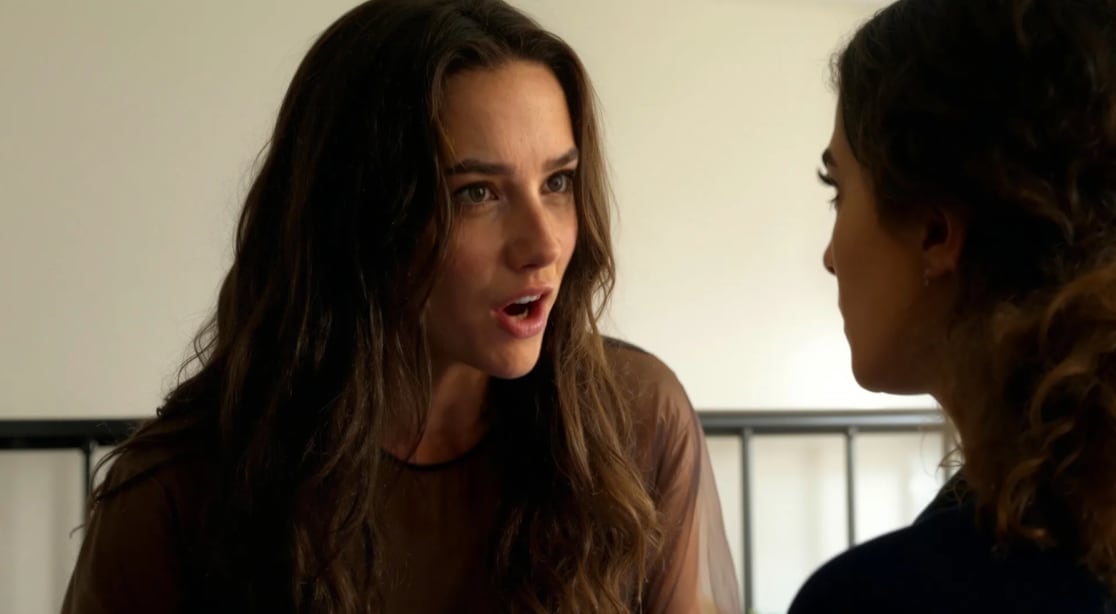
Tilly Norwood, the AI “actress” that has tinsel town talking, is nothing to fear. Here’s why...
Norwood was created by the production company Particle6. Tilly is fully synthetic, designed to star in films, commercials, and other media. Critics, including actors’ unions like SAG-AFTRA and Equity UK, argue that Tilly threatens the livelihoods of real performers by using AI models trained on the work of human actors, effectively appropriating their contributions. There are also copyright issues, questions about consent, and fair compensation for actors whose data may have been used without explicit approval.
Not many people remember an earlier computer generated character called Aki Ross, the lead character from the forgotten 2001 film “Final Fantasy: The Spirits Within”. Despite being played by not one but two actors, she was billed as a movie star in her own right. She even got a Maxim magazine photoshoot, which I recommend looking up for the sheer absurdity of it. Producers frothed at the mouth for this “actress” while actors feared the loss of their jobs, but all of that noise proved fruitless as Aki Ross’s debut film flopped so hard at the box office, it shuttered the studio that produced it and all the character’s files were deleted.
The most famous movie about AI is “Terminator 2: Judgement Day,” and it proclaims there is “no fate but what we make.” I believe that’s true. These artificial creations are not the future if we don’t want them to be. Thanks to the wonderful work of SAG Aftra, Norwood will never be in a real production, which makes Tilly less than a footnote compared even to Aki Ross. At least Aki Ross was in a movie.
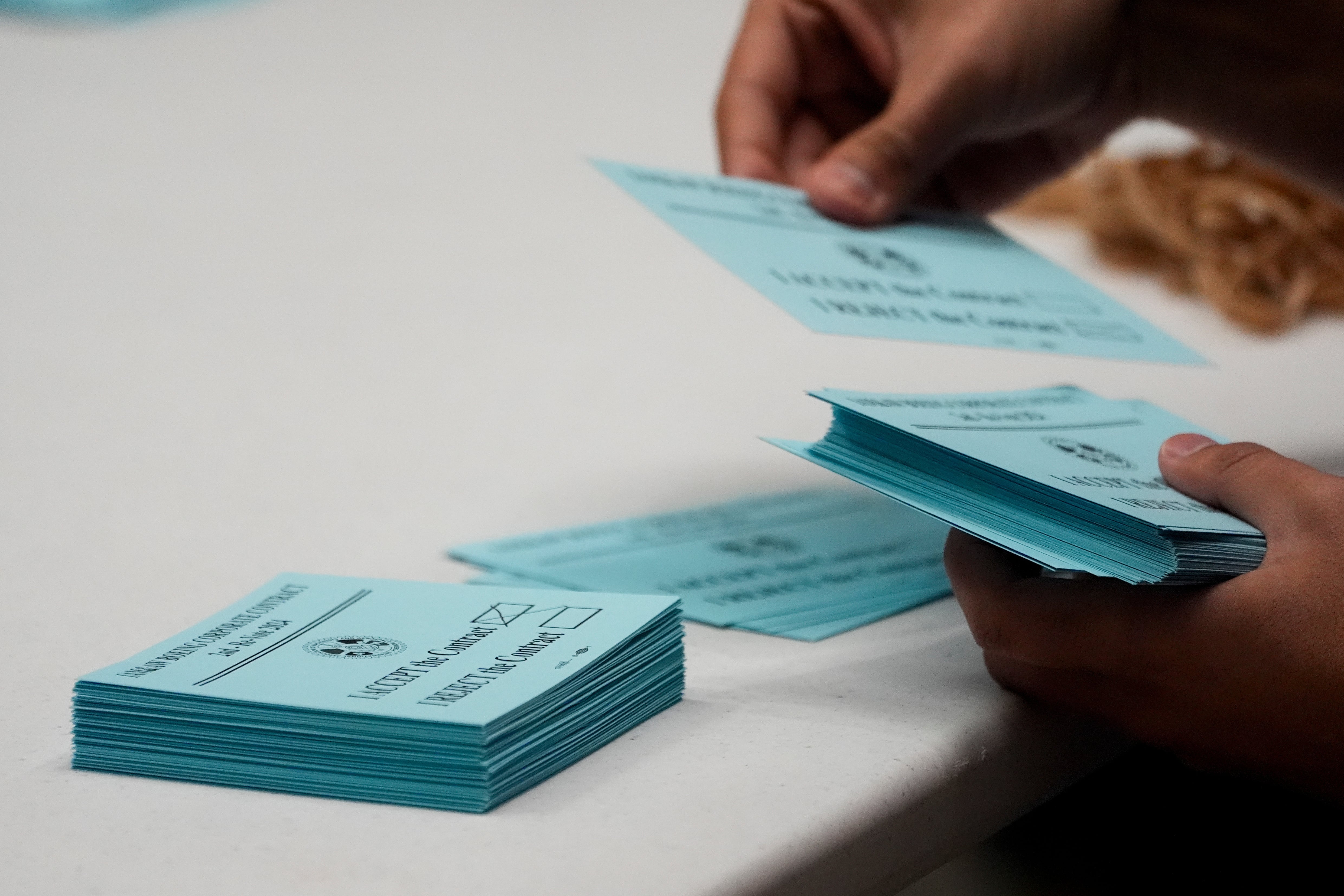
Boeing workers at three Midwest plants where military aircraft and weapons are developed have voted to reject the company’s latest contract offer and to continue a strike that started almost three months ago. The strike by about 3,200 machinists at the plants in the Missouri cities of St. Louis and St. Charles, and in Mascoutah, Illinois, is smaller in scale than a walkout last year by 33,000 Boeing workers who assemble commercial jetliners. The president of the International Association of Machinists says Sunday's outcome shows Boeing hasn't adequately addressed wages and retirement benefits. Boeing says Sunday's vote was close with 51% of union members opposing the revised offer.
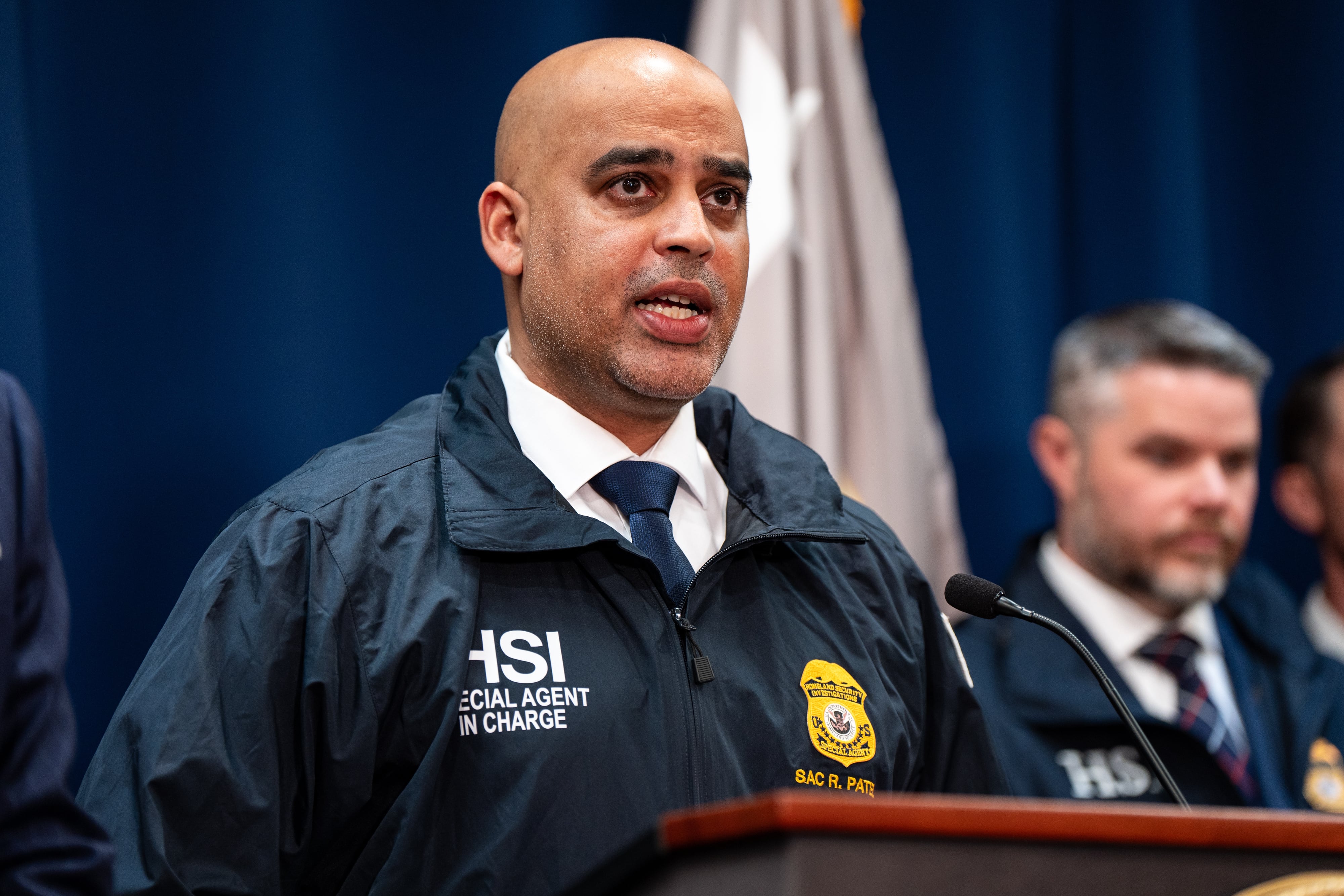
The stunning indictment that led to the arrest of more than 30 people — including Miami Heat guard Terry Rozier and other NBA figures — has drawn new scrutiny of the booming business of sports betting in the U.S. The multibillion-dollar industry has made it easy for sports fans — and even some players — to wager on everything from the outcome of games to that of a single play with just a few taps of a cellphone. But regulating the rapidly-growing industry has proven to be a challenge. Professional sports leagues’ own role in promoting gambling has also raised eyebrows.
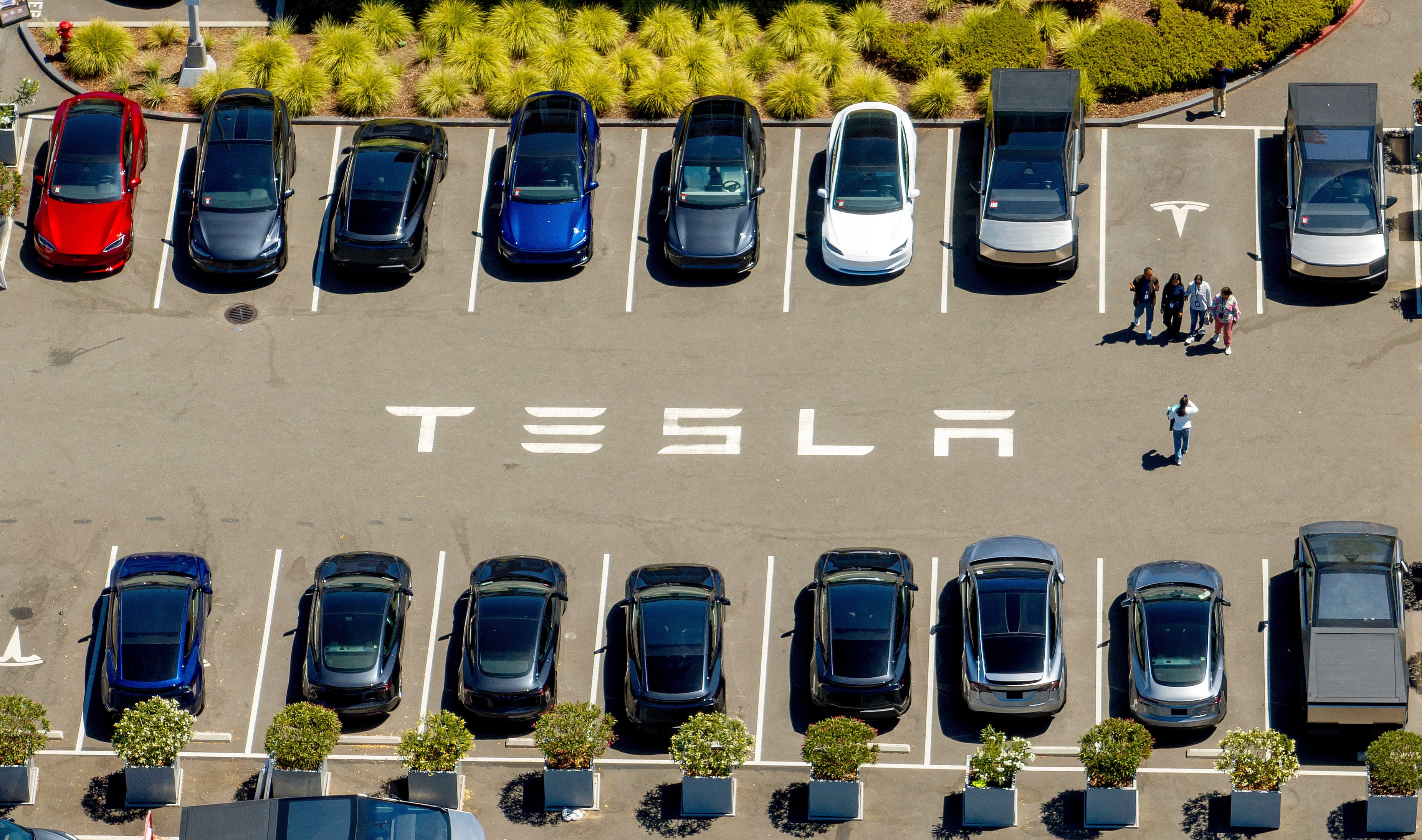
Tesla, the car company run by Elon Musk, reported Wednesday that it sold more vehicles in the past three months after boycotts hit hard earlier this year, but profits still fell sharply. Third-quarter earnings fell to $1.4 billion, from $2.2 billion a year earlier. Excluding charges, per share profit of 50 cents came in below analysts' estimate. Tesla shares fell 3.5% in after-hours trading. Musk said the company's robotaxi service, which is available in Austin, Texas, and San Francisco, will roll out to as many as 10 other metro areas by the end of the year.
Starbucks’ AI barista aims to speed service and improve experience. Nick Lichtenberg, Fortune Business Editor, explains its impact on workers and customers.
As Big Tech reports Q3 earnings, investors await proof that massive AI and cloud investments from Meta, Apple, Microsoft, and Alphabet are driving real growth.
Eric Trump joins us to discuss American Bitcoin’s mission, market strategy, and why he believes the U.S. must lead the next era of digital currency innovation.
Unreal Snacks CEO Kevin McCarthy shares how dye-free candy is leading the sweets revolution—just in time for what could be a record-breaking Halloween 2025.