LONDON (AP) — A magazine journalist’s account of being added to a group chat of U.S. national security officials coordinating plans for airstrikes has raised questions about how highly sensitive information is supposed to be handled.
Atlantic Editor-in-Chief Jeffrey Goldberg detailed a discussion that happened over the Signal messaging app hours before strikes on Iran-backed Houthi-rebels in Yemen ordered by U.S. President Donald Trump.
The National Security Council has since said the text chain “appears to be authentic" and that it is looking into how a journalist’s number was added to the chain.
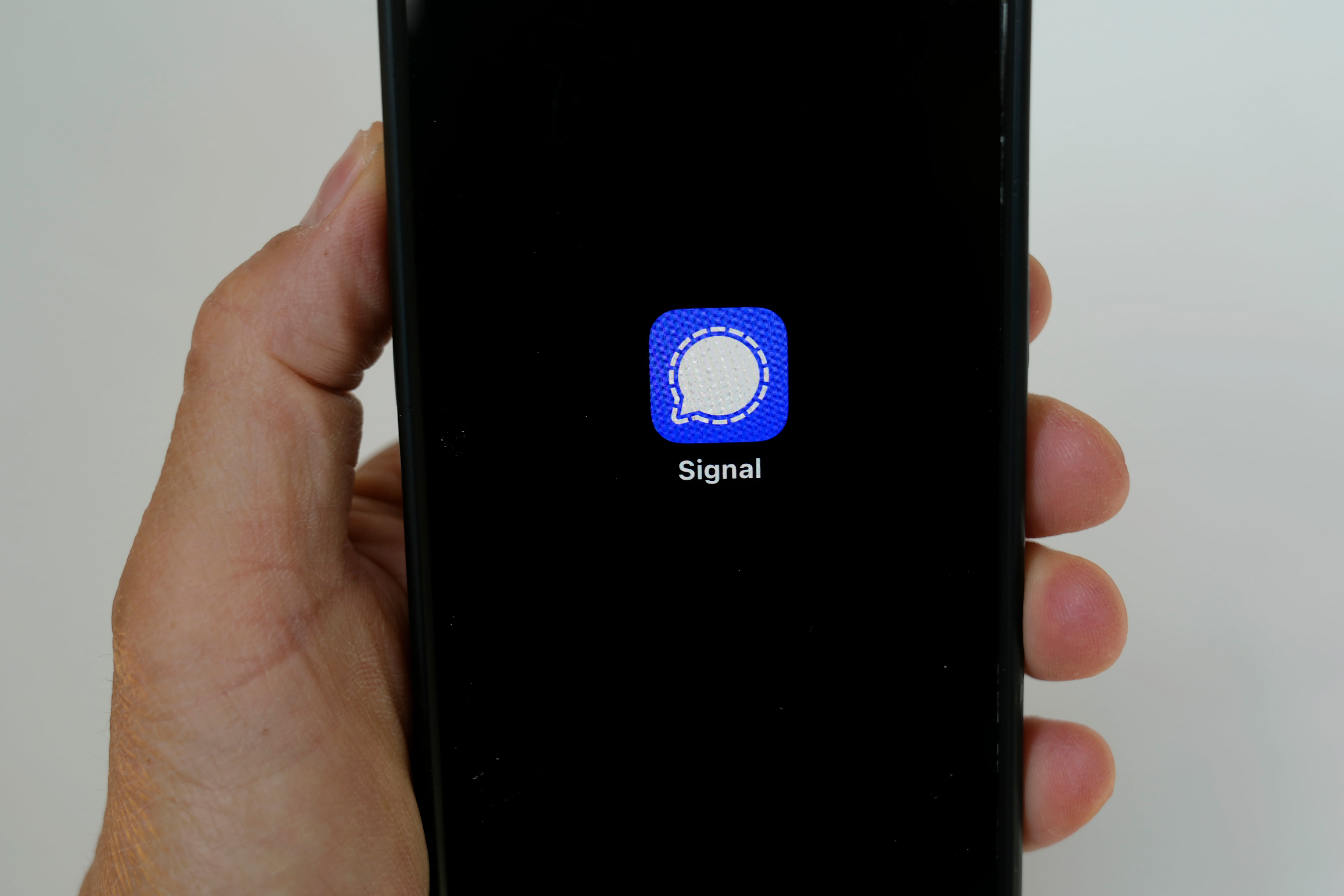
Here's a look at the app in question.
What is Signal?
It's an app that can be used for direct messaging and group chats as well as phone and video calls.
Signal uses end-to-end encryption for its messaging and calling services that prevents any third-party from viewing conversation content or listening in on calls.
In other words, messages and calls sent on Signal are scrambled and only the sender and recipient at each end will have the key to decipher them.
Signal's encryption protocol is open source, meaning that it's freely available for anyone to inspect, use or modify. The encryption protocol is also used by another popular chat service, social media company Meta's WhatsApp platform.
Encryption on Signal is turned on by default, unlike another popular messaging app, Telegram, which requires users to turn it on and does not make it available for group chats.
Signal has features that are found on other messaging apps. It allows users to host group chats with up to 1,000 people and messages can be set to automatically disappear after a certain time.
Is it secure?
Signal touts the privacy of its service and its head defended the app's security practices on Tuesday.
“Signal is the gold standard in private comms,” Meredith Whittaker, president of Signal, said on X, without directly addressing the Atlantic report.
Experts agree Signal is more secure than conventional texting.
But it could be hacked.
Government officials have used Signal for organizational correspondence, such as scheduling sensitive meetings, but in the Biden administration, people who had permission to download it on their White House-issued phones were instructed to use the app sparingly, according to a former national security official who served in the administration.
The official, who requested anonymity to speak about methods used to share sensitive information, said Signal was most commonly used to notify someone that they should check for a classified message sent through other means.
Beyond concerns about security, Signal and other similar apps may allow users to skirt open records laws. Without special archiving software, the messages frequently aren’t returned under public information requests.
In the Atlantic article, Goldberg wrote that some messages were set to disappear after one week and some after four.
Do other government officials use Signal?
Encrypted messaging apps are increasingly popular with government officials, according to a recent Associated Press review.
State, local and federal officials in nearly every state have accounts on encrypted messaging apps, according to the review, which found many of those accounts registered to government cellphone numbers. Some were also registered to personal numbers.
Who's behind Signal?
The app's origins date back more than a decade, when it was set up by an entrepreneur who goes by the name Moxie Marlinspike, who was briefly head of product security at Twitter after he sold his mobile security startup to the social media company. Marlinspike merged two existing open source apps, one for texting and one for voice calls, to create Signal.
The nonprofit Signal Foundation was set up in 2018 to support the app's operations as well as “investigate the future of private communication,” according to the foundation's website. The foundation says it is a nonprofit “with no advertisers or investors, sustained only by the people who use and value it.”
The foundation's board has five members, including Brian Acton, who cofounded WhatsApp and donated $50 million to set up the foundation.
___
Associated Press writers Tara Copp, Aamer Madhani and Eric Tucker contributed to this report from Washington.