The 11,500 members of the Writers Guild of America went on strike Tuesday after negotiations with Hollywood studios that began in March failed to result in an agreement. The guild has billed the issues behind the labor dispute as “an existential crisis." Writers say they're facing a host of new issues brought on by streaming and other recent technological shifts in the industry.
Here's a look at the demands behind the first Hollywood strike in 15 years, as the industry braces for a long hiatus:
INCREASED PAY
The guild is seeking higher compensation for writers across the board. Though there are more jobs available to WGA members than ever before because of the proliferation of streaming services, pay for most writers is down. Ten years ago, 33% of TV writers were paid the minimum rate. Now, according to the WGA, 49% are. Accounting for inflation, writer pay has declined 14% in the last five years. The median weekly writer-producer pay is down 23% over the last decade, with inflation factored in. Writers say many of their members aren't even making a living wage. They are also seeking increases for their pension plan and health fund.
BETTER RESIDUALS
For more than half a century, residuals have been a foundational way for writers to make money. But streaming has upended those payouts. Writers used to be handsomely compensated anytime their work went into syndication or was sold for overseas territories. Reruns meant a big payday. But now, series and films often simply land a streaming service and stay there. Streaming services also generally don't share viewership data with filmmakers and writers, meaning writers don't know how valuable their work has been. To replace backend residuals, the WGA is seeking more upfront fees.
STAFFING REQUIREMENTS
The union wants TV shows to staff a certain number of writers for a period of time. At issue is the rising practice of “mini rooms” where only a handful of writers are working on a series. Such writer rooms are often employed during development, before a show is greenlit. That means writers can be working on a series that doesn't get picked up for as much as a year after they worked on it, or not at all. The process has circumvented some of the protections WGA members have from being overworked and understaffed. The use of mini rooms accelerated during the pandemic, with writers often meeting by Zoom — a still commonplace practice.
SHORTER EXCLUSIVITY DEALS
Many of the rules around TV writing are also still based on a now increasingly outdated model. Writers might have once expected to spend almost a year working on a 22- to 25-episode season of broadcast TV. Now, the average season is much shorter. Popular shows like “Bridgerton” might have only eight episodes. Not only does that diminish writers' per-episode pay, it can limit them from working on other programs if they're tied to longer terms of exclusivity.
ASSURANCE ON AI
Writers are also increasingly concerned that producers will use artificial intelligence to write scripts or at least fill in the blanks on unfinished screenplays. The fast-advancing technology has potentially widespread ramifications for Hollywood, and, in some cases, may be a useful tool. But the WGA wants production companies to agree to safeguards around its usage.
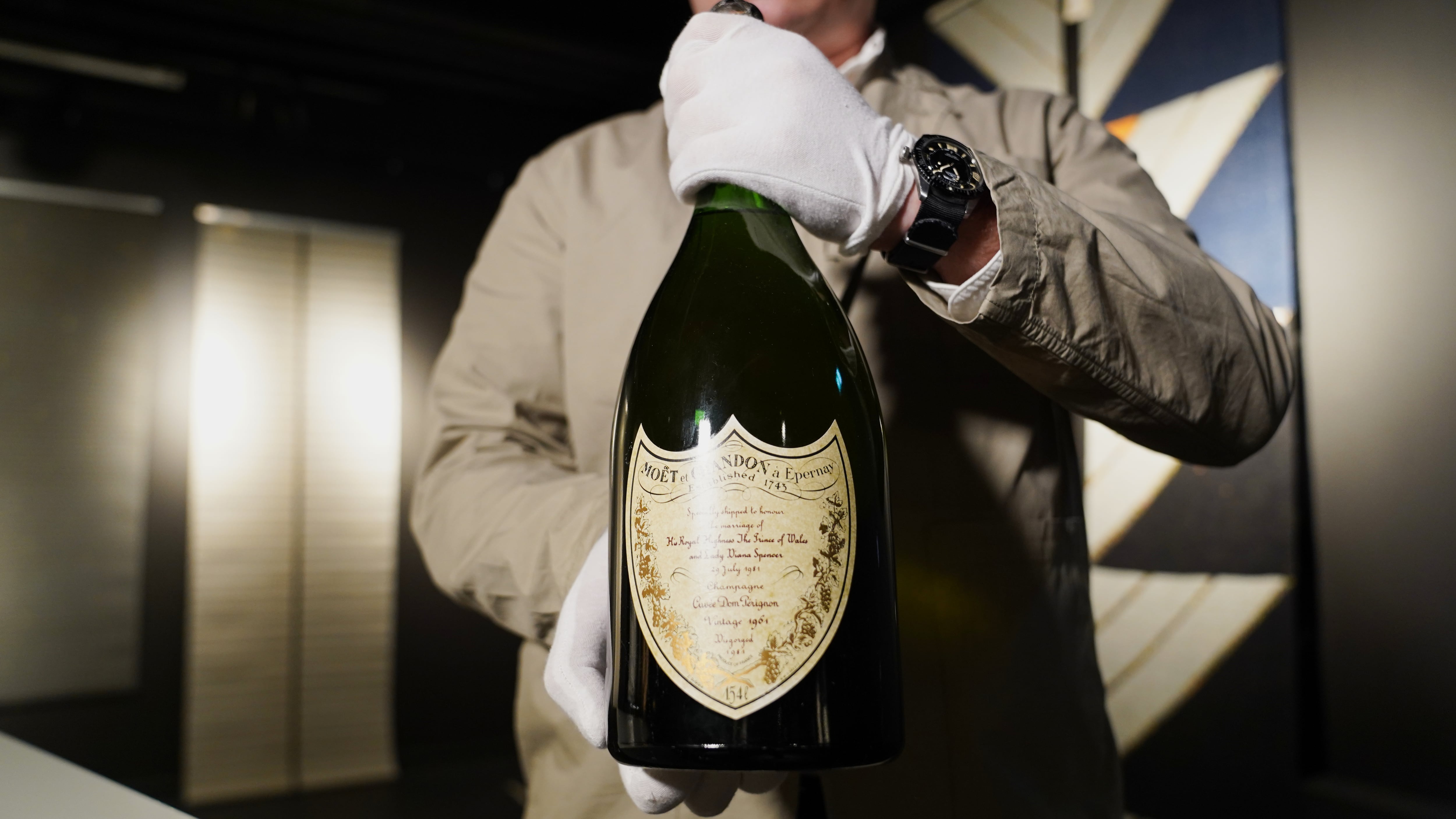
A rare magnum of Dom Pérignon Vintage 1961 champagne that was specially produced for the 1981 wedding of Prince Charles and Lady Diana has failed to sell during an auction. Danish auction house Bruun Rasmussen handled the bidding Thursday. The auction's house website lists the bottle as not sold. It was expected to fetch up to around $93,000. It is one of 12 bottles made to celebrate the royal wedding. Little was revealed about the seller. The auction house says the bids did not receive the desired minimum price.
The New York Times and President Donald Trump are fighting again. The news outlet said Wednesday it won't be deterred by Trump's “false and inflammatory language” from writing about the 79-year-old president's health. The Times has done a handful of stories on that topic recently, including an opinion column that said Trump is “starting to give President Joe Biden vibes.” In a Truth Social post, Trump said it might be treasonous for outlets like the Times to do “FAKE” reports about his health and "we should do something about it.” The Republican president already has a pending lawsuit against the newspaper for its past reports on his finances.
OpenAI has appointed Slack CEO Denise Dresser as its first chief of revenue. Dresser will oversee global revenue strategy and help businesses integrate AI into daily operations. OpenAI CEO Sam Altman recently emphasized improving ChatGPT, which now has over 800 million weekly users. Despite its success, OpenAI faces competition from companies like Google and concerns about profitability. The company earns money from premium ChatGPT subscriptions but hasn't ventured into advertising. Altman had recently announced delays in developing new products like AI agents and a personal assistant.
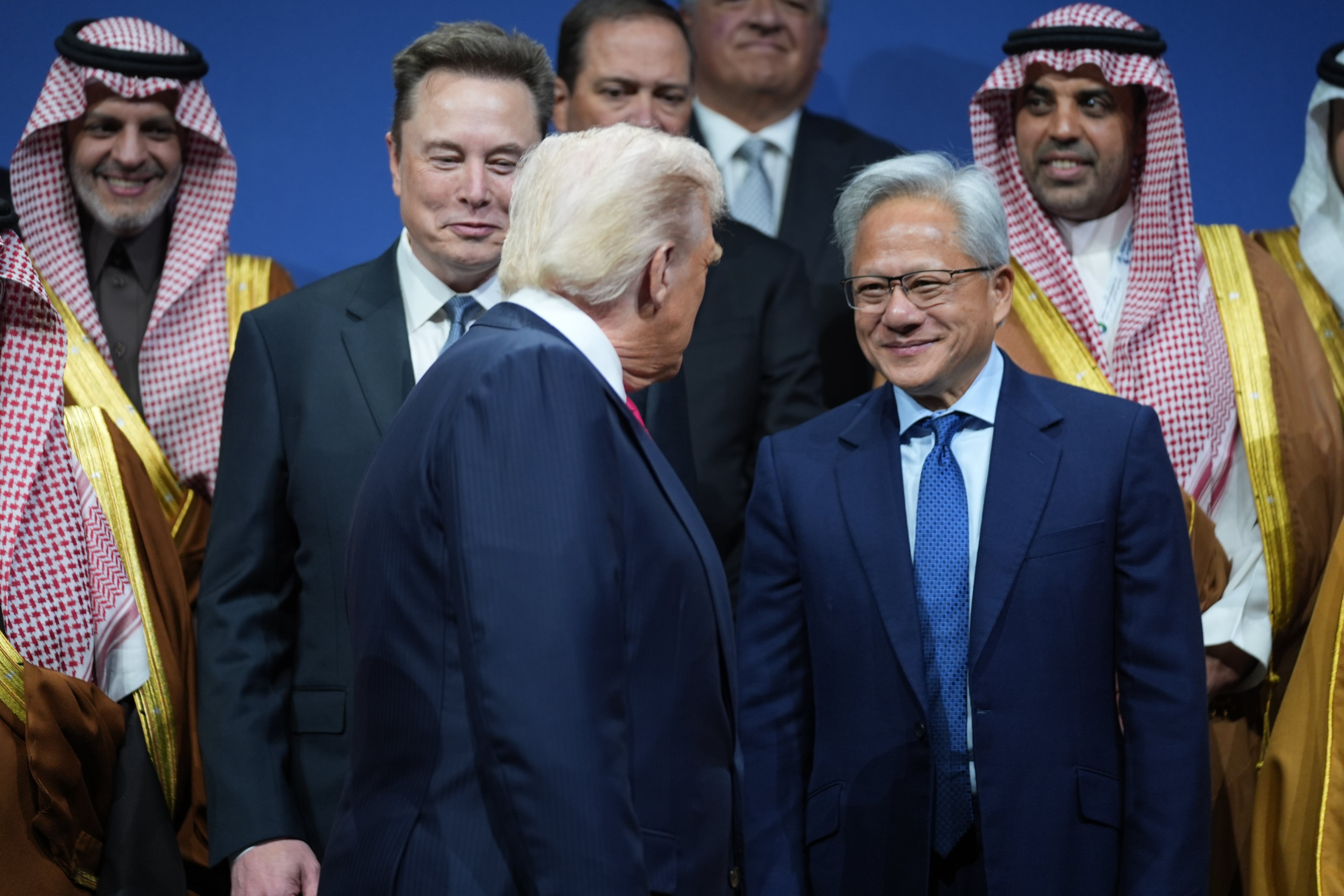
President Donald Trump says he will allow Nvidia to sell its H200 computer chip used in the development of artificial intelligence to “approved customers” in China. Trump said Monday on his social media site that he had informed China’s leader Xi Jinping and “President Xi responded positively!” There had been concerns about allowing advanced computer chips into China as it could help them to compete against the U.S. in building out AI capabilities. But there has also been a desire to develop the AI ecosystem with American companies such as chipmaker Nvidia.
U.S. sports betting is booming as NFL and college football fuel massive activity. BetMGM CEO Adam Greenblatt breaks down trends, growth, and what’s next.
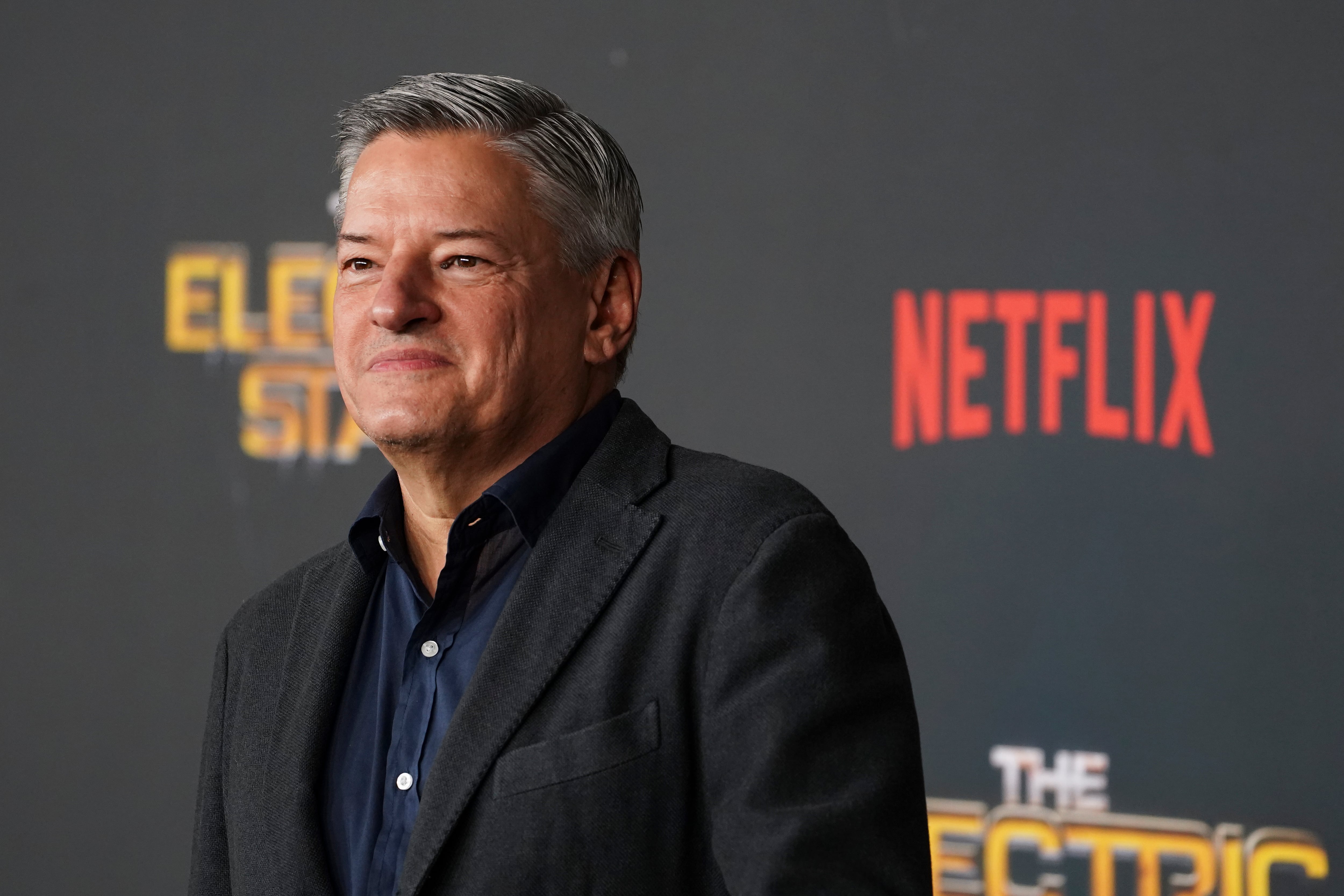
President Donald Trump says a deal struck by Netflix last week to buy Warner Bros. Discovery “could be a problem” because of the size of the combined market share. The Republican president says he will be involved in the decision about whether federal regulators should approve the deal. Trump commented Sunday when he was asked about the deal as he walked the red carpet at the Kennedy Center Honors. The $72 billion deal would bring together two of the biggest players in television and film and potentially reshape the entertainment industry.
Disney's changes to a program for disabled visitors are facing challenges in federal court and through a shareholder proposal. The Disability Access Service program, which allows disabled visitors to skip long lines, was overhauled last year. Disney now mostly limits the program to those with developmental disabilities like autism who have difficulty waiting in lines. The changes have sparked criticism from some disability advocates. A shareholder proposal submitted by disability advocates calls for an independent review of Disney's disability policies. Disney plans to block this proposal, claiming it's misleading. It's the latest struggle by Disney to accommodate disabled visitors while stopping past abuses by some theme park guests.