Governor Spencer Cox signed two measures restricting how easily children in the state can access platforms like TikTok and Twitter, setting the precedent in the U.S.
The new laws require setting up age verification on platforms and that parents approve their minor children's requests to sign up for social media, allowing parents access to those accounts, putting in place designated times that children can be logged onto social media (banning use from 10:30 p.m. to 6:30 a.m.), and easing the possibility of lawsuits for platforms causing harm.
Utah state Senator Michael McKell (R-25th District), who introduced the bill, said the goal was to protect children.
"As a lawmaker and parent, I believe this bill is the best path forward to prevent our children from succumbing to the negative and sometimes life-threatening effects of social media," he told CNN in a statement.
The legislation comes just a day after TikTok CEO Shou Zi Chew was grilled on Capitol Hill, with senators questioning, among other things, the app's safety and security practices and how it impacts the mental wellbeing of children.
Despite passing the regulations, it remains unclear how Utah will enforce them even as social media platforms intend to challenge the laws before implementation in 2024.
China has restricted exports of high-tech metals gallium and germanium, which are critical to making chips, in response to the U.S. blocking them from access to advanced chips.
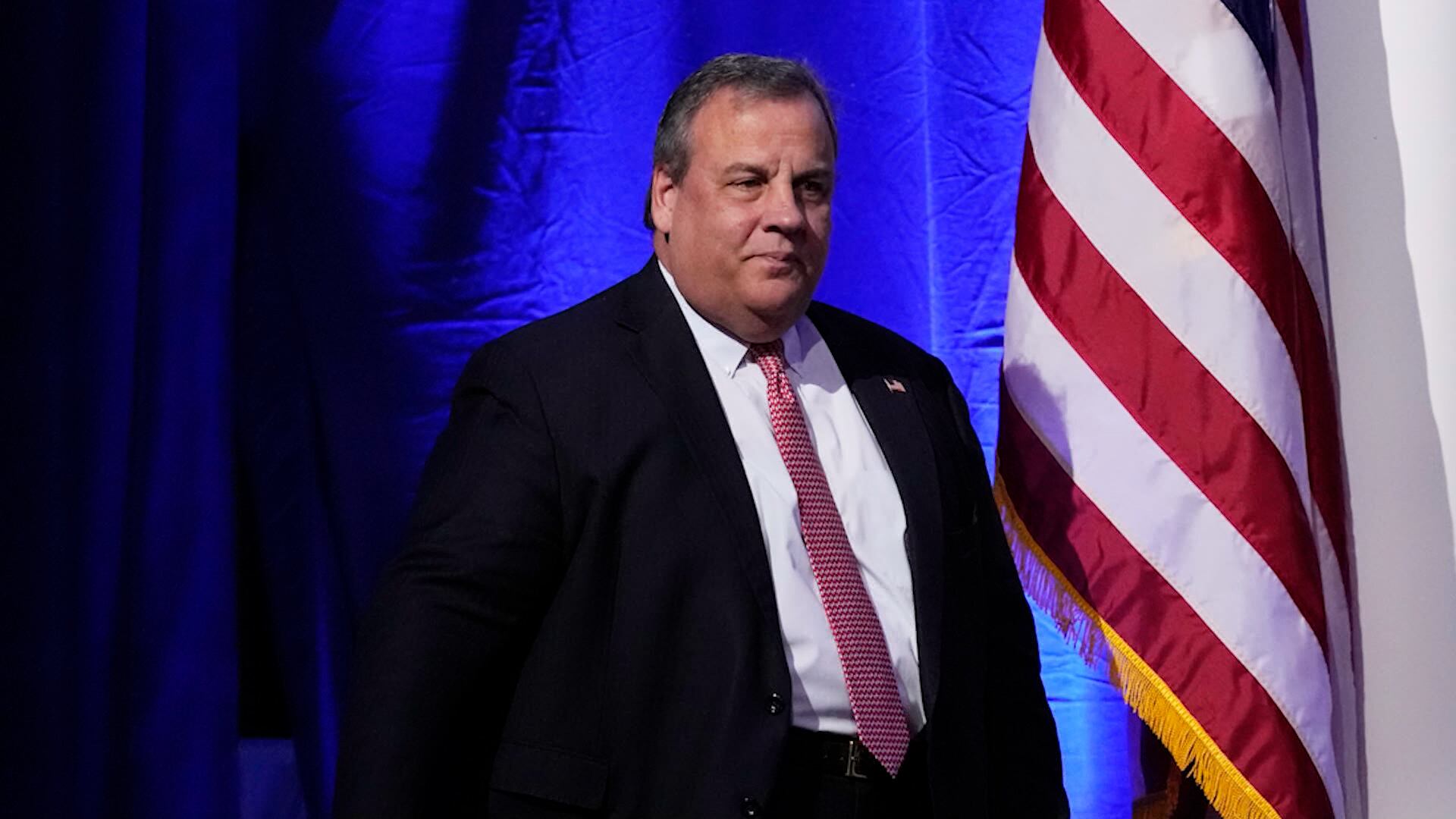
Former New Jersey Gov. Chris Christie said President Joe Biden and former President Donald Trump are "beyond their sell-by date" in an interview with The New York Times.
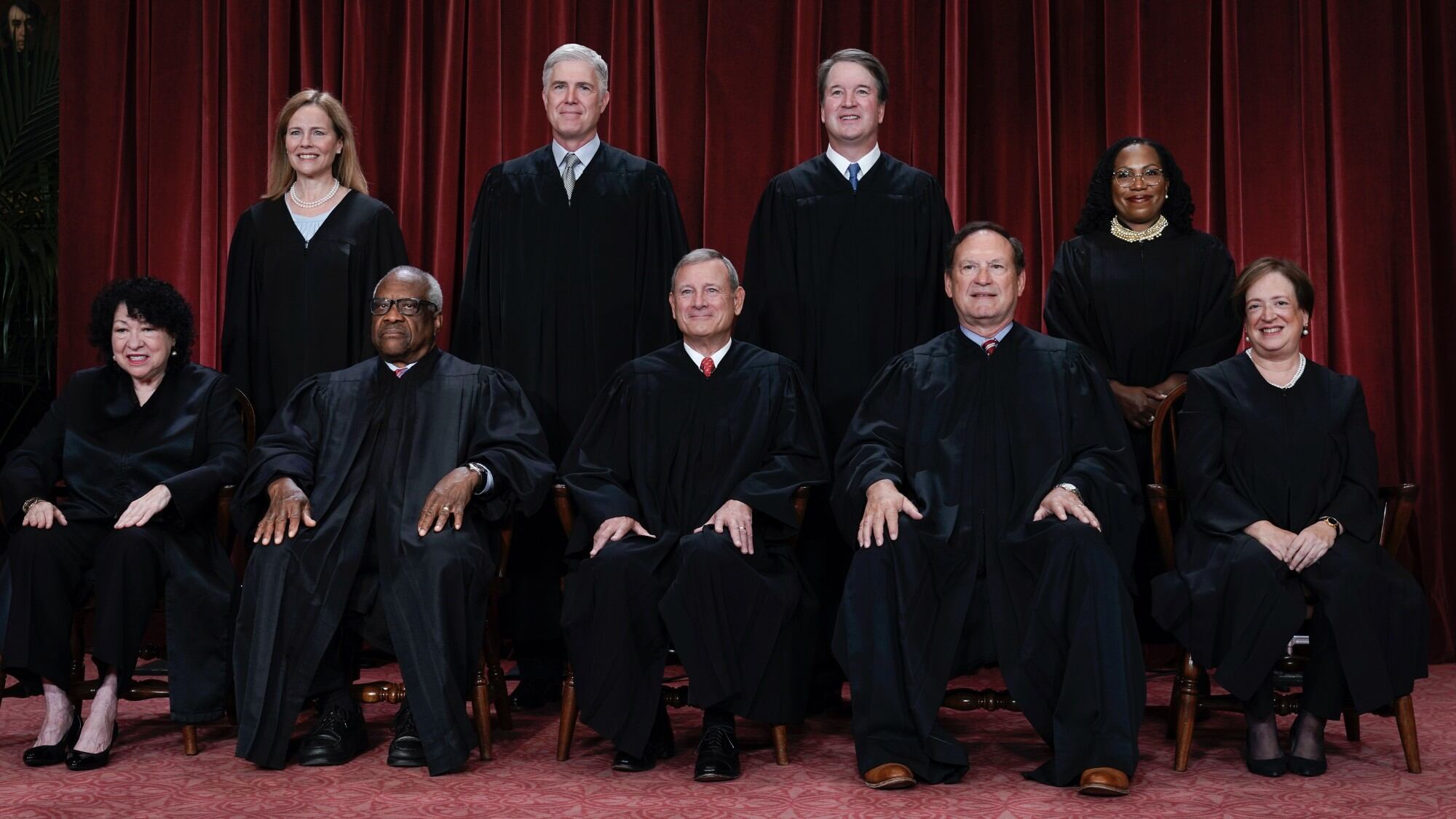
Overturning Roe v. Wade and eliminating affirmative action in higher education had been leading goals of the conservative legal movement for decades. In a span of 370 days, a Supreme Court reshaped by three justices nominated by President Donald Trump made both a reality.