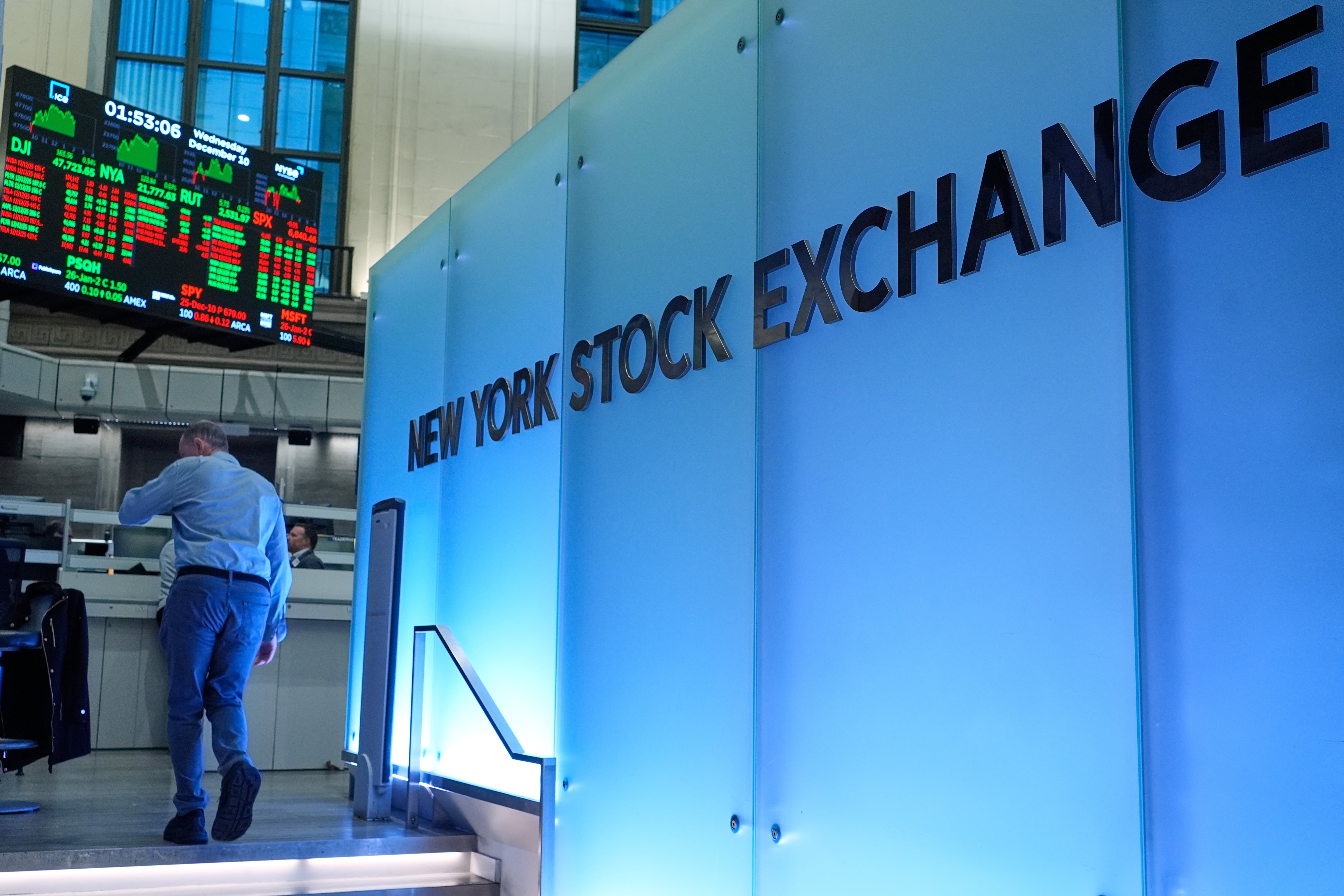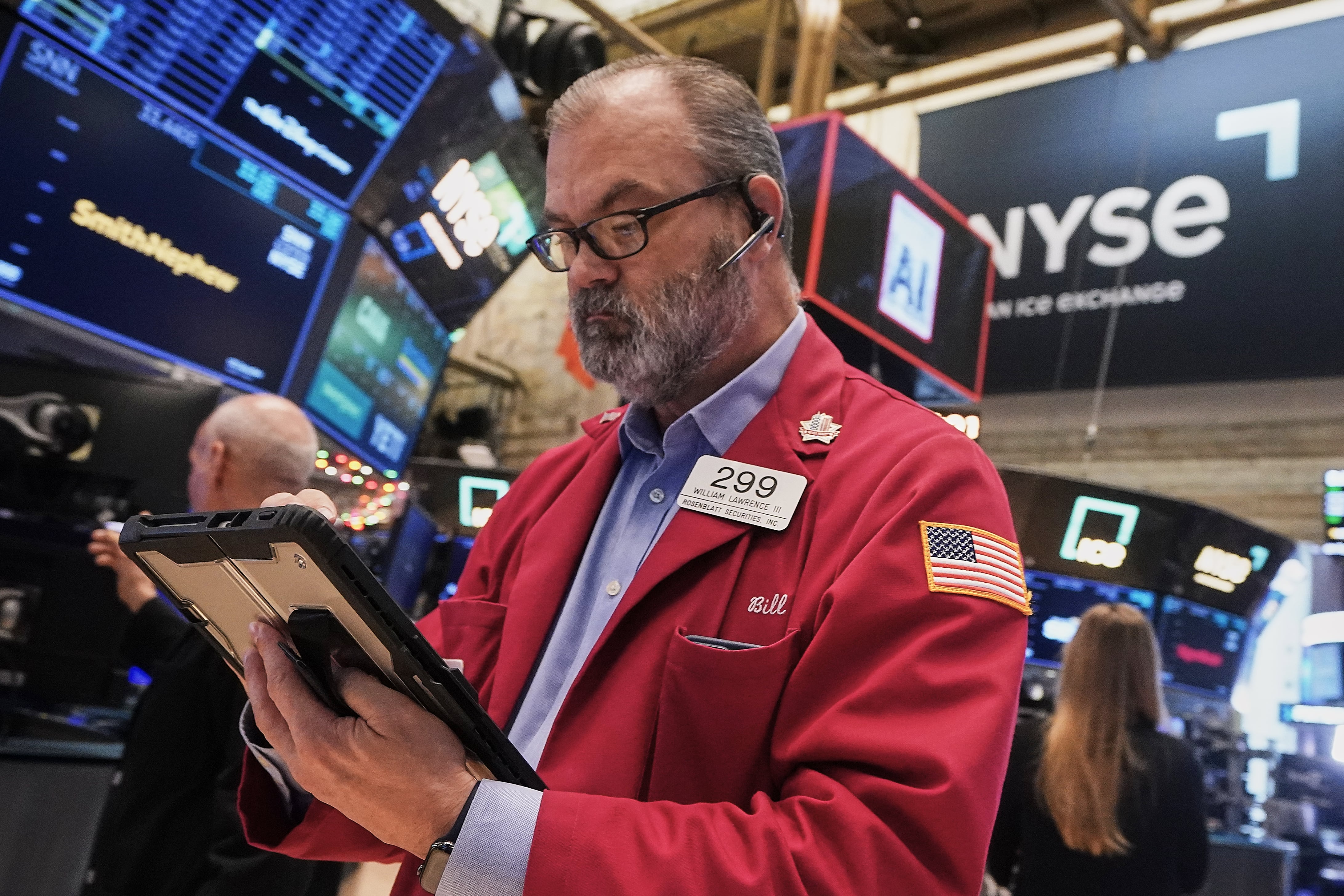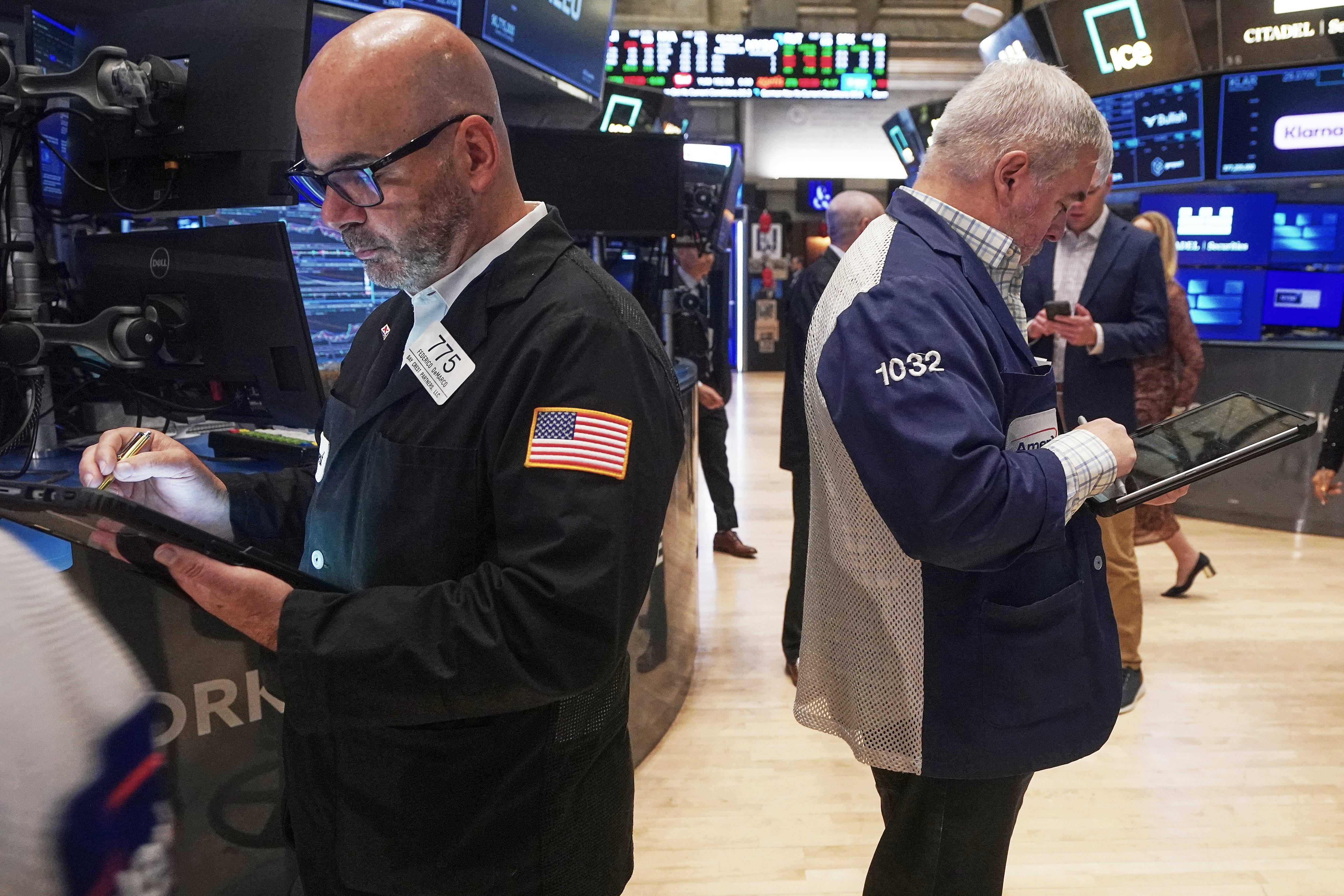
NEW YORK (AP) — U.S. stocks are rising Tuesday following updates on the economy that kept alive hopes for a coming cut to interest rates.
The S&P 500 rose 0.7% in afternoon trading, as 4 out of every 5 stocks within the index climbed. The Dow Jones Industrial Average was up 562 points, or 1.2%, as of 2:09 p.m. Eastern time, and the Nasdaq composite was 0.4% higher.
The gains for indexes masked some swings underneath the surface, particularly among stocks linked to the artificial-intelligence industry.
Alphabet rose another 1.3%, continuing a strong run on excitement about its recently released Gemini AI model. Chinese giant Alibaba, meanwhile, saw its stock that trades in the United States fall 2.1% after losing an early gain. It reported stronger revenue than analysts expected for the latest quarter thanks in part to the AI boom, but its overall profit fell short of forecasts.
Some chip companies dropped sharply following a report from The Information that Meta Platforms is in talks to spend billions of dollars on AI chips from Alphabet instead of them. Nvidia sank 3.9% and was the heaviest weight on the S&P 500 by far, while Advanced Micro Devices dropped 6.9%.
Mixed profit reports also caused big swings for several retailers.
Abercrombie & Fitch soared 35.1% after the apparel seller reported a stronger profit for the latest quarter than analysts expected. It also raised the bottom end of its forecasted range for revenue and profit over the full year.
Kohl’s surged 34.9% after reporting a profit for the latest quarter, when analysts were expecting a loss. Best Buy rose 5.3% after boosting its profit forecast for the full year following a better-than-expected third quarter, citing strength across computing, gaming and mobile phones.
Dick’s Sporting Goods rose 2.3%, in a reversal from a more than 4% slump earlier in trading. It reported a weaker profit than expected. Executive Chairman Ed Stack said the company is “cleaning out the garage” by clearing inventory at Foot Locker, which it recently bought.
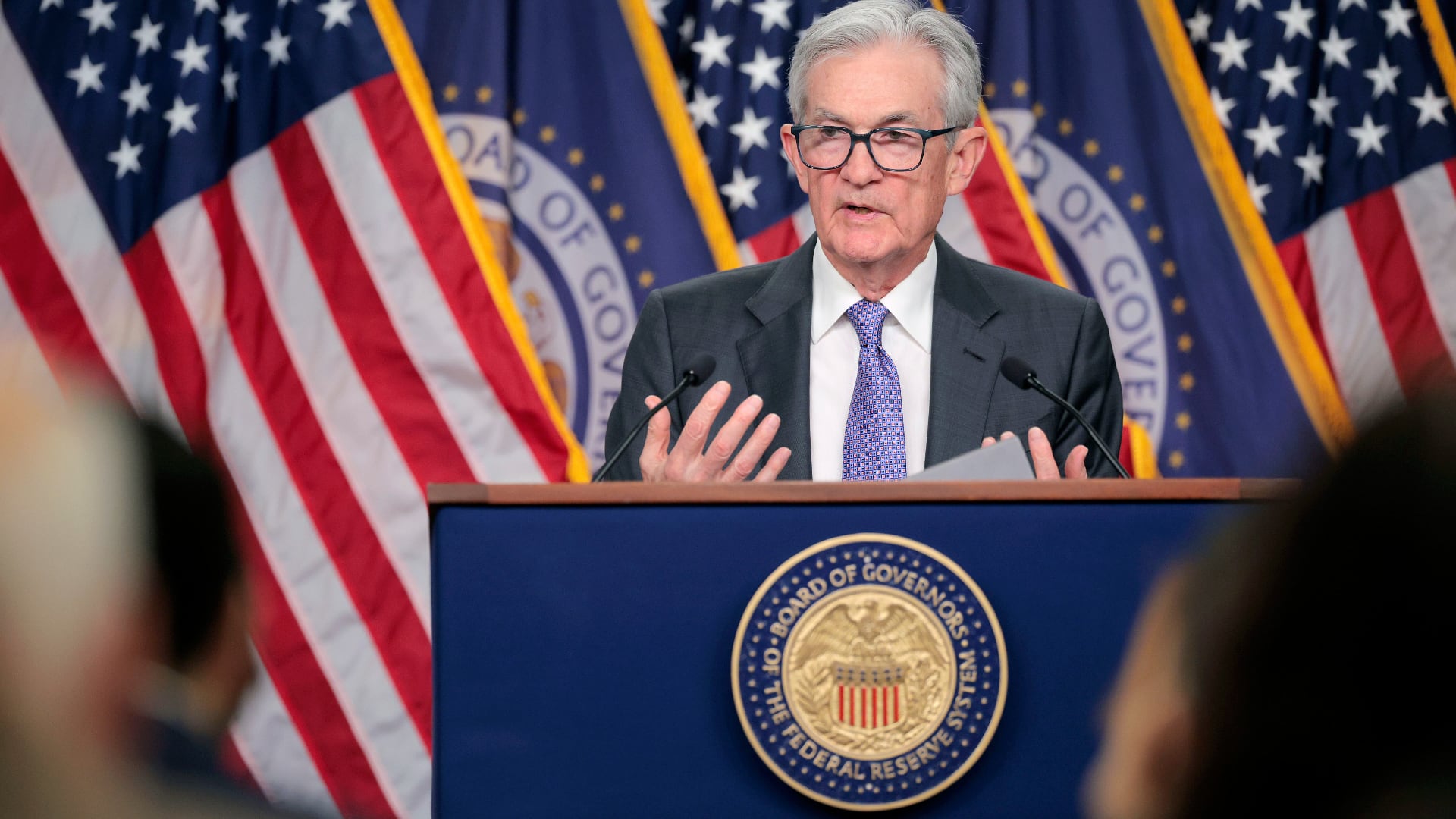
Helping to keep the overall market calm were hopes that the Federal Reserve will cut its main interest rate at its next meeting in December. The Fed has already cut rates twice this year in hopes of shoring up a slowing economy, and lower interest rates can cover up a lot of sins in financial markets, including prices going too high.
A raft of economic data on Tuesday left traders betting on a nearly 85% probability that the Fed will cut in December, according to data from CME Group. That’s roughly the same as a day before and up sharply from the coin flip’s chance seen a week ago.
One report said that shoppers bought less at U.S. retailers in September than economists expected. Another said confidence among U.S. consumers worsened by more than economists expected in another potentially signal that the economy could use lower interest rates.
A third report, meanwhile, said that inflation at the wholesale level was a touch worse in September than economists expected, but a closely tracked underlying trend was slightly better. That’s important because lower interest rates can make inflation worse, and still-high inflation is the main deterrent that could push the Fed to hold off on more cuts.
After taking all the data together, several economists suggested the Fed and its chair, Jerome Powell, could be leaning toward cutting rates on Dec. 10.
“Taking a pause on rate cuts would probably do more damage to sentiment than a cut would help,” according to Brian Jacobsen, chief economist at Annex Wealth Management, who also said “Powell doesn’t need to be the Grinch that stole Christmas.”
In the bond market, the yield on the 10-year Treasury eased to 4.00% from 4.04% late Monday.
Easier interest rates can help stocks of smaller companies in particular, because of the need for many of them to borrow to grow. The Russell 2000 index of the smallest U.S. stocks rose 1.9% to lead the market.
In stock markets abroad, indexes rose modestly across much of Europe and Asia.
___
AP Business Writer Elaine Kurtenbach contributed.