US Importers Stockpile Italian Prosecco as a Hedge Against Tariffs
By Paolo Santalucia
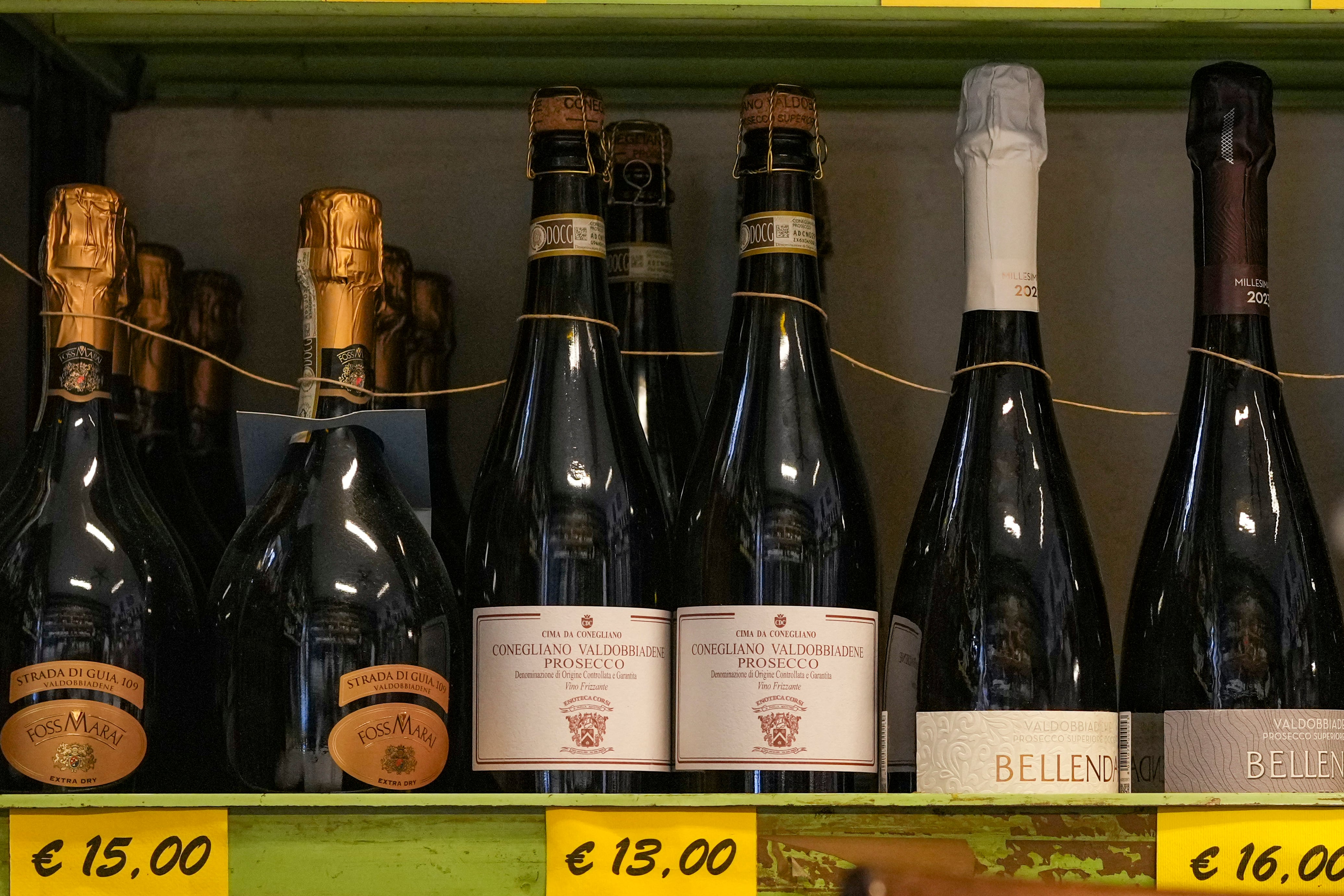
Bottles of Prosecco are lined up on a shelf of a wine shop in Rome, Thursday, Feb. 6, 2025. (AP Photo/Andrew Medichini)
ROME (AP) — American importers have been stockpiling Italian bubbly Prosecco as a hedge against the impact of possible European Union tariffs threatened by President Donald Trump, wine industry data show.
U.S. imports of Italian sparkling wine — 90% of that Prosecco — skyrocketed by 41% in November, after Trump's election, far exceeding consumer demand as importers filled the pipeline for future sales, according to the Union of Italian Wines trade association.
“It was quite natural at the end of the year to do extra shipments,” said the trade association president, Lamberto Frescobaldi, given the uncertainty over whether tariffs would hit Italian wines or not — and the likelihood consumers would cut back on such luxuries if tariffs made them too pricey.
“Can we survive without a glass of wine? Yes. Wine is a pleasure,’’ Frescobaldi told The Associated Press this week.
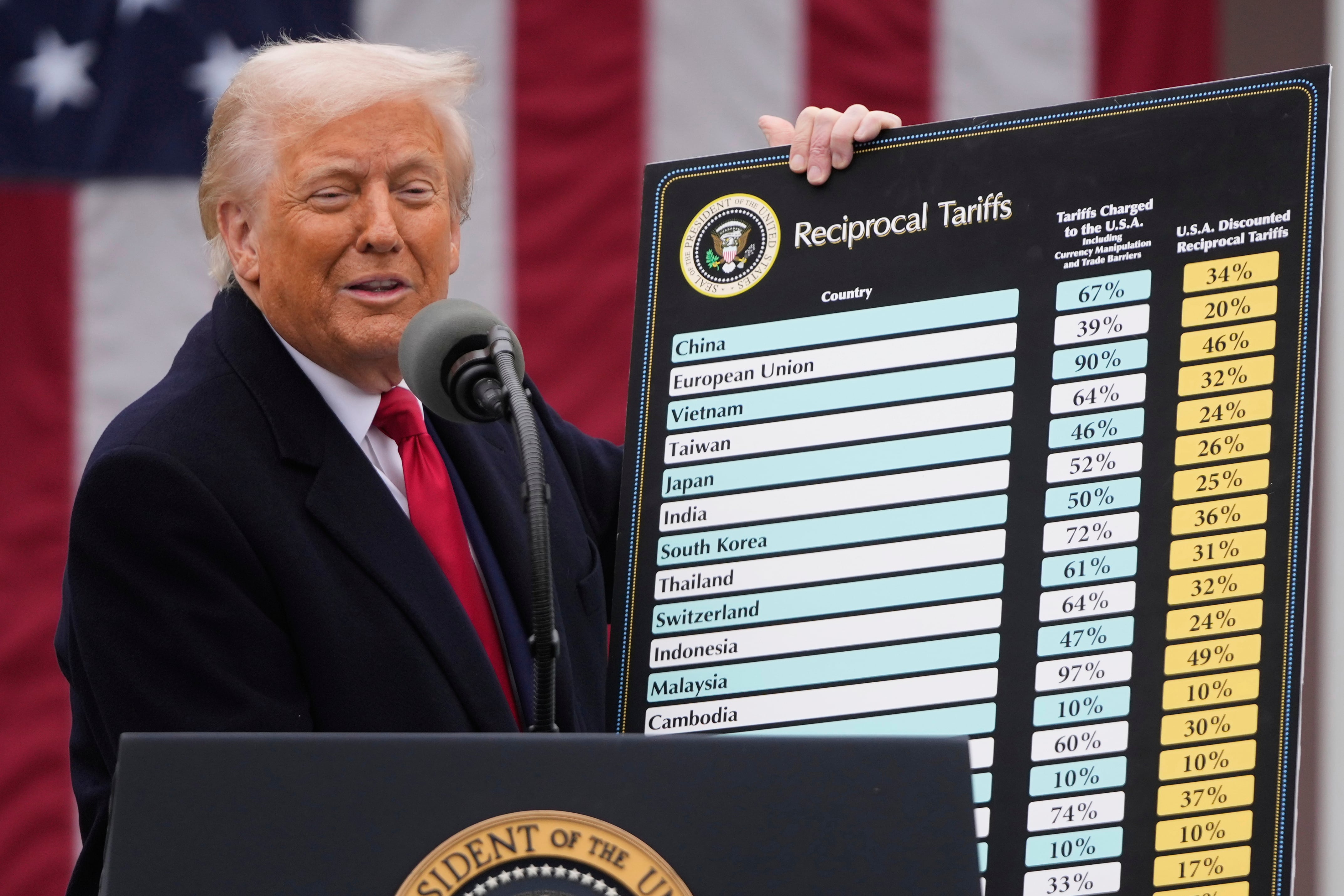
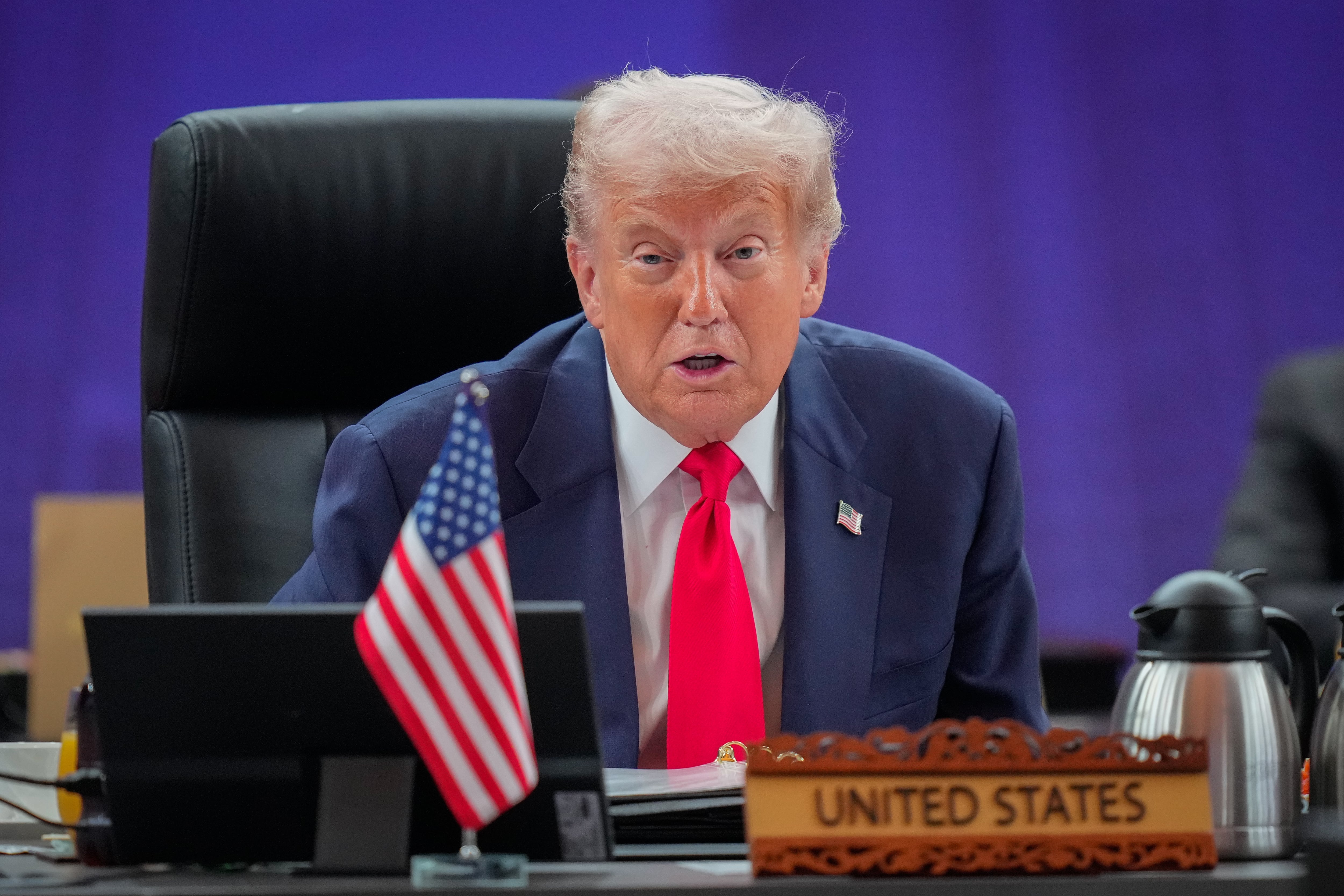
Trump said last weekend that he would impose tariffs “pretty soon” on the EU, but he did not provide any details. He put import tariffs on goods from Mexico and Canada but then delayed them for 30 days. A new tariff on imports from China took effect Tuesday.
Italian wines were not hit by tariffs during the first Trump presidency. Prosecco importers and distributors nevertheless are taking precautionary measures now to protect the market.
Italy exports nearly one-quarter of its wine to the United States, leaving the sector more heavily exposed to possible tariffs than any other Italian export, according to the trade federation. Last year, Italy’s wine exports to the U.S. totaled 1.9 billion euros ($1.97 billion).
Prosecco became the top-selling Italian wine in the United States last year, representing nearly 40% of all sales.
The first signs of market concern showed up even before Trump was elected, with Prosecco shipments to the United States increasing 17% in the first 10 months of 2024. That compares with the single-digit increases in shipments to Britain and Germany, and far outpaced U.S. consumption of Prosecco, which rose just 0.6% in the period.
“It is an important figure that we did not expect,'' said Giancarlo Guidolin, president of Prosecco DOC consortium, the largest of Italy's three Prosecco-producing consortia. ”We think there was an increase of product in the warehouse.''
One other factor in the higher deliveries may have been a threatened port strike in January, said Dina Opici, chairwoman of the Wine & Spirits Wholesalers of America.
“That said, obviously taking into consideration that there could be impending tariffs as well, I think it probably gave people a higher comfort level in making that investment,'' Opici said.
____
Silvia Stellaci in Rome and Colleen Barry in Milan contributed to this report.
Real estate software company RealPage has agreed to stop sharing nonpublic information between landlords as part of a settlement with the Department of Justice.
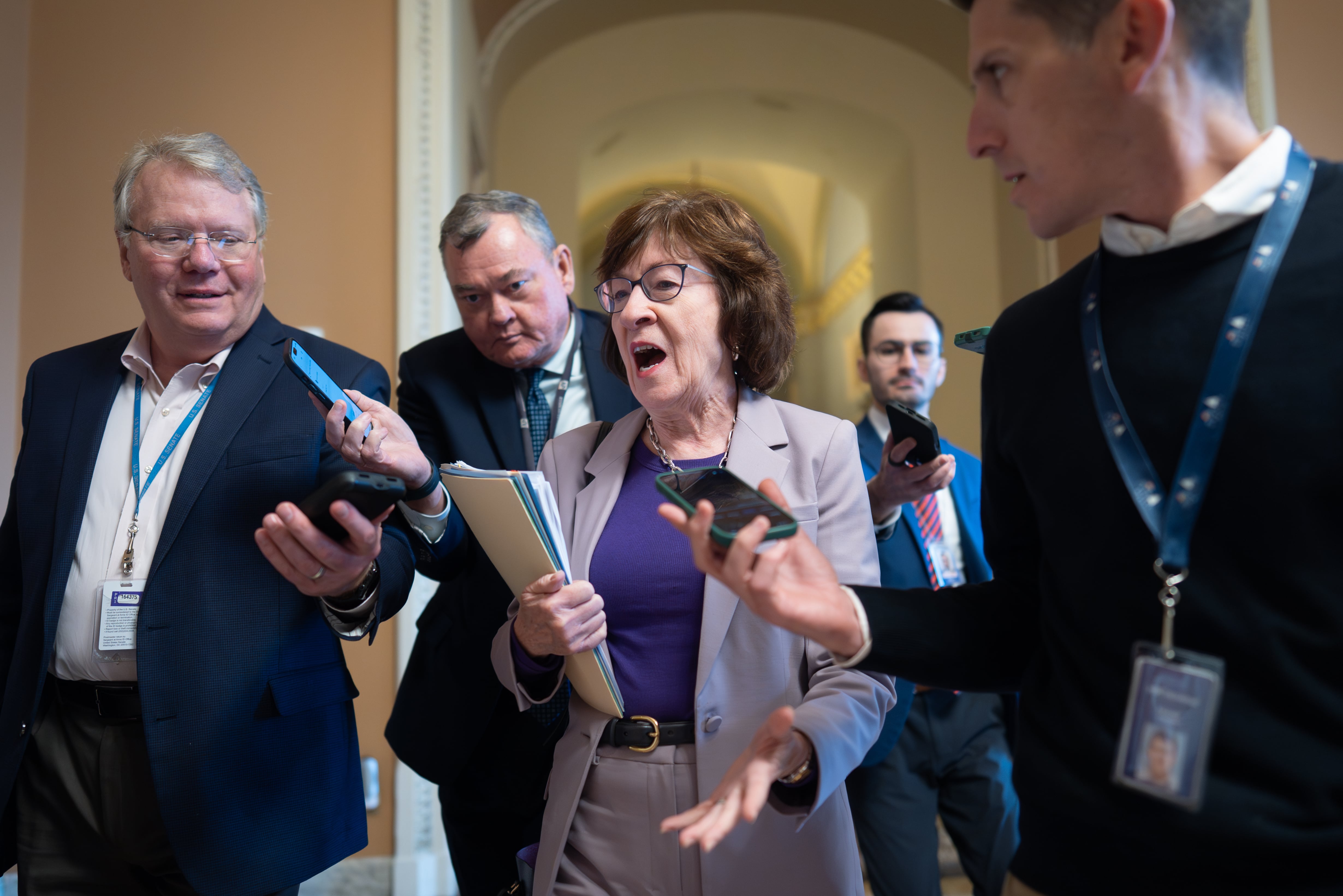
A legislative package to end the government shutdown appears on track. A handful of Senate Democrats joined with Republicans to advance the bill after what's become a deepening disruption of federal programs and services. But hurdles remain. Senators are hopeful they can pass the package as soon as Monday and send it to the House. What’s in and out of the bipartisan deal has drawn criticism and leaves few senators fully satisfied. The legislation includes funding for SNAP food aid and other programs while ensuring backpay for furloughed federal workers. But it fails to fund expiring health care subsidies Democrats have been fighting for, pushing that debate off for a vote next month.
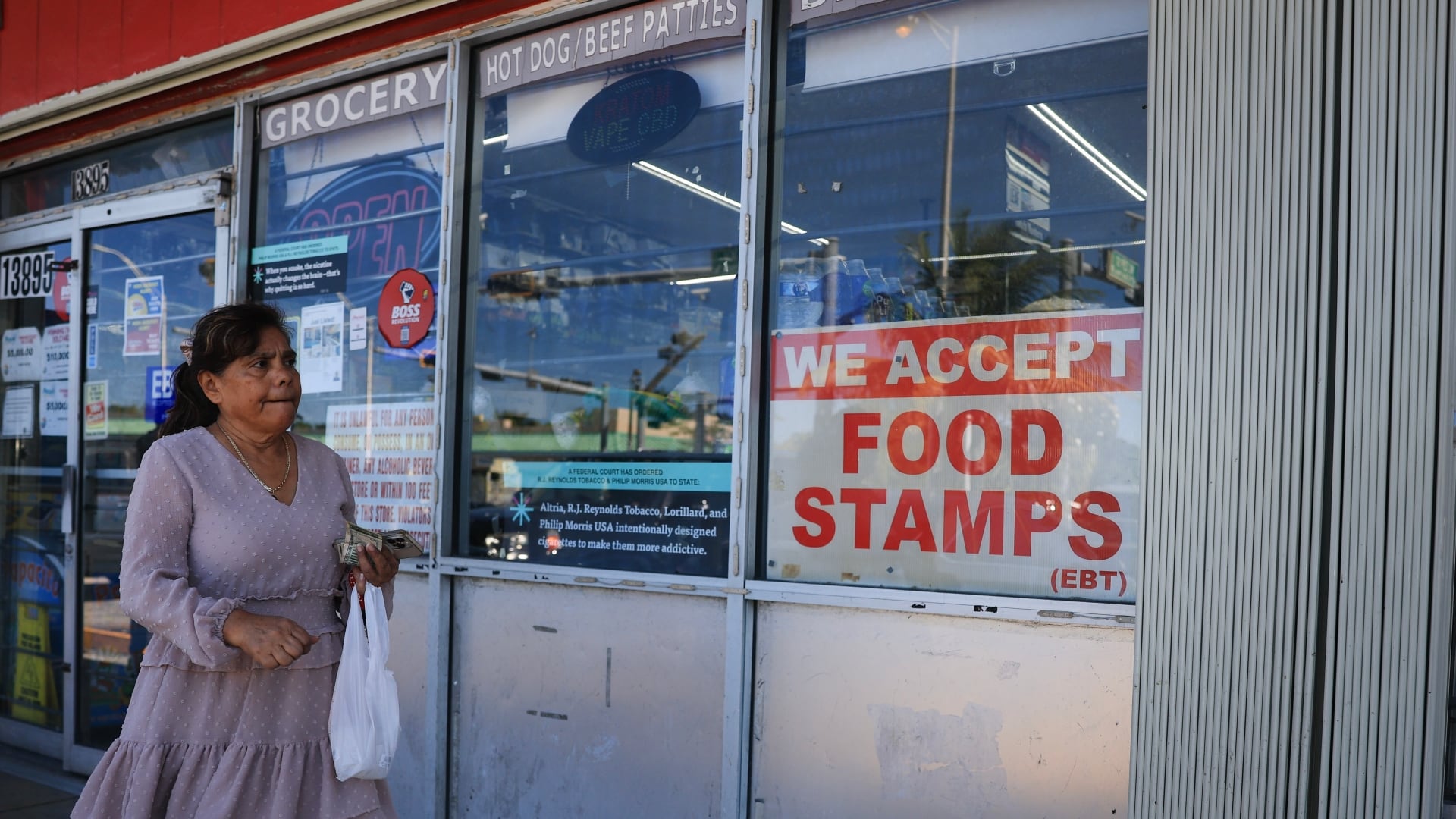
Sabrina Siddiqui, National Politics Reporter at The Wall Street Journal, joins to break down the SNAP funding delays and the human cost of the ongoing shutdown.
Arguments at the Supreme Court have concluded for the day as the justices consider President Donald Trump's sweeping unilateral tariffs in a trillion-dollar test of executive power.
President Donald Trump said he has decided to lower his combined tariff rates on imports of Chinese goods to 47% after talks with Chinese leader Xi Jinping on curbing fentanyl trafficking.
The Federal Reserve cut its key interest rate Wednesday for a second time this year as it seeks to shore up economic growth and hiring even as inflation stays elevated. The move comes amid a fraught time for the central bank, with hiring sluggish and yet inflation stuck above the Fed’s 2% target. Compounding its challenges, the central bank is navigating without much of the economic data it typically relies on from the government. The Fed has signaled it may reduce its key rate again in December but the data drought raises the uncertainty around its next moves. Fed Chair Jerome Powell told reporters that there were “strongly differing views” at the central bank's policy meeting about to proceed going forward.
U.S. and Chinese officials say a trade deal between the world’s two largest economies is drawing closer. The sides have reached an initial consensus for President Donald Trump and Chinese leader Xi Jinping to aim to finalize during their high-stakes meeting Thursday in South Korea. Any agreement would be a relief to international markets. Trump's treasury secretary says discussions with China yielded preliminary agreements to stop the precursor chemicals for fentanyl from coming into the United States. Scott Bessent also says Beijing would make “substantial” purchases of soybean and other agricultural products while putting off export controls on rare earth elements needed for advanced technologies.
The White House budget office says mass firings of federal workers have started in an attempt to exert more pressure on Democratic lawmakers as the government shutdown continues.