The economy’s growth was humming along in the final three months of 2023 — a breezy 3.4 percent increase in GDP kept the smell of optimism in the air. But the figures for the first quarter of 2024 weren’t so rosy. They showed growth of just 1.6 percent, almost one full percentage point below the 2.4 percent estimate.
Why were the figures so much lower than expected? Let’s explore the results and see what it might mean for the U.S. economy in 2024.
The Surge in Imports
For starters, one element of the economy gets subtracted from GDP: imports. The higher the imports are in a given quarter, the greater the amount subtracted from the other components of GDP which include:personal consumption expenditures, gross private domestic investment and government consumption expenditures. This can throw off the numbers because it suggests the U.S. is buying goods rather than producing them. That was the case in Q1 of 2024, in which “a surge of imports…reduced first-quarter growth,” according to the Associated Press.
Imports are also highly volatile. The import numbers can swing wildly from one quarter to the next — and in this case, higher imports meant lower GDP numbers.
Paul Ashworth of Capital Economics told the Associated Pressthat import numbers — combined with inventory numbers — can be volatile. “There is still a lot of positive underlying momentum,” he told the AP.
An Economic Slowdown?
Not everyone shared a completely sunny view of where the U.S. economy was headed in 2024. Economists believe the overall numbers reflect a slowdown in the U.S. GDP. “Clearly this is a notable slowdown,” Claudia Sahm, chief economist at New Century Advisors, told the Washington Post.
However, Sahm also laid out the context for why this might not mean a disastrous downturn. “Growth has stepped down a bit…[but] you have to pick your head up and look at the context: We have an economy that’s still really working for consumers.”
The major stock indices in the U.S. fell on the news. The Nasdaq and Dow Jones Industrial were both down about 1.6 percent on Thursday. There’s clearly some fear in the market that GDP growth’s slowing could have negative impacts.
Implications for the Future of the U.S. Economy
Declining economic numbers tend to mean that the Federal Reserve wants to treat the economy gently in the short term. That means carefully using its primary leverage tool: interest rates. According to Reuters, that means that interest rates will likely stay put when the U.S. central bank has its policy meeting on Wednesday.
Why raise rates if the GDP numbers show slowing growth? Daniel Vernazza, chief international economist at UniCredit, told Reuters that while the Fed may agree with Ashworth’s interpretation that there’s underlying momentum in the economy, even higher import numbers can be a reason to exercise caution. “The Fed will likely see the GDP report as solid,” said Vernazza. “While the upward surprise to inflation will support the central bank’s case for waiting longer before cutting rates.”
In other words, there’s reason for both caution and optimism — which tends to mean that rates will stay put. Low unemployment rates mean people remain at work. And, even after accounting for inflation, high disposable incomes show that people have a bit more cushion than the GDP numbers might reflect. For now, the Fed appears geared to stay put, waiting for more economic numbers to better tell where the U.S. economy is headed after a sluggish first quarter.
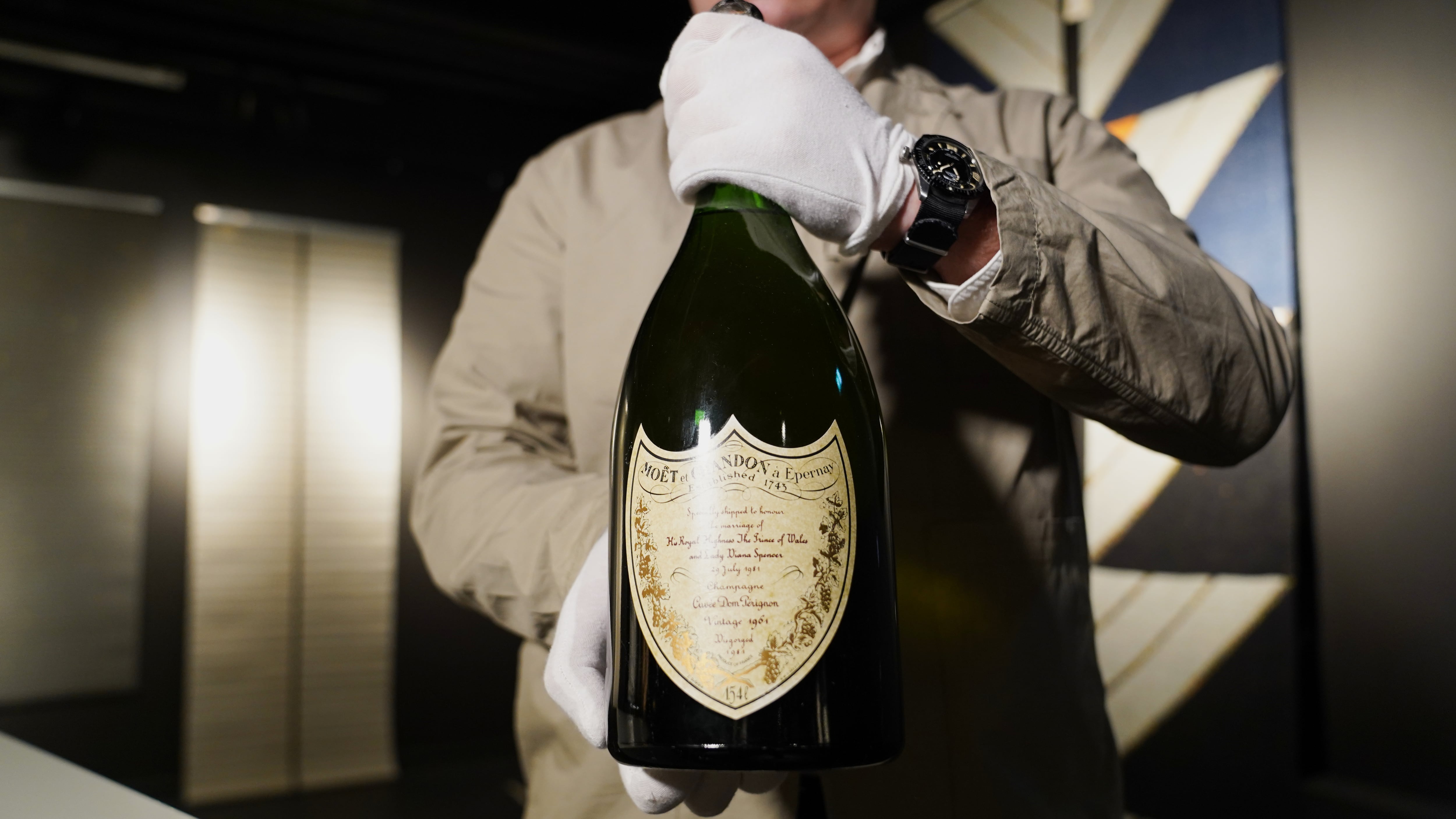
A rare magnum of Dom Pérignon Vintage 1961 champagne that was specially produced for the 1981 wedding of Prince Charles and Lady Diana has failed to sell during an auction. Danish auction house Bruun Rasmussen handled the bidding Thursday. The auction's house website lists the bottle as not sold. It was expected to fetch up to around $93,000. It is one of 12 bottles made to celebrate the royal wedding. Little was revealed about the seller. The auction house says the bids did not receive the desired minimum price.
The New York Times and President Donald Trump are fighting again. The news outlet said Wednesday it won't be deterred by Trump's “false and inflammatory language” from writing about the 79-year-old president's health. The Times has done a handful of stories on that topic recently, including an opinion column that said Trump is “starting to give President Joe Biden vibes.” In a Truth Social post, Trump said it might be treasonous for outlets like the Times to do “FAKE” reports about his health and "we should do something about it.” The Republican president already has a pending lawsuit against the newspaper for its past reports on his finances.
OpenAI has appointed Slack CEO Denise Dresser as its first chief of revenue. Dresser will oversee global revenue strategy and help businesses integrate AI into daily operations. OpenAI CEO Sam Altman recently emphasized improving ChatGPT, which now has over 800 million weekly users. Despite its success, OpenAI faces competition from companies like Google and concerns about profitability. The company earns money from premium ChatGPT subscriptions but hasn't ventured into advertising. Altman had recently announced delays in developing new products like AI agents and a personal assistant.
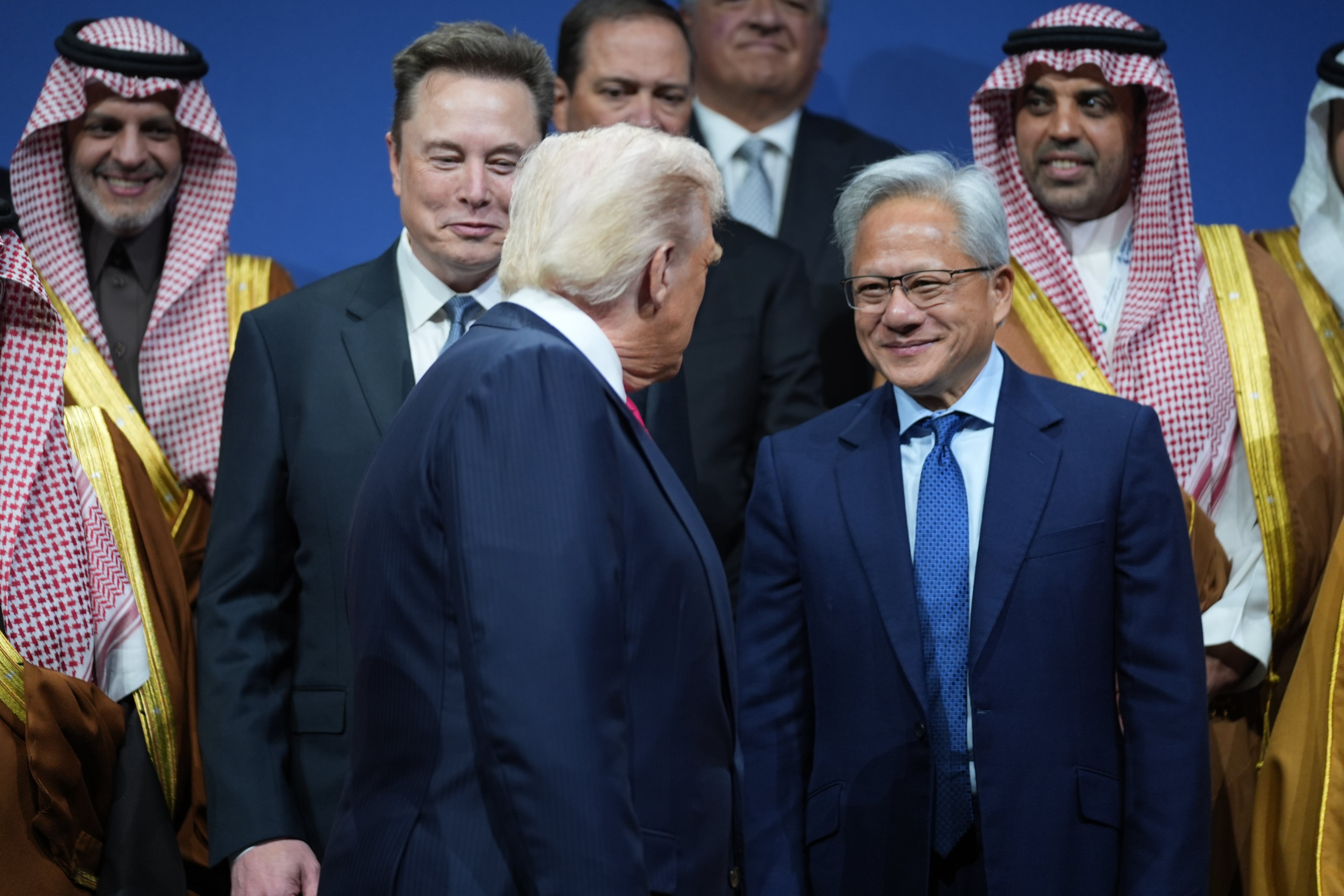
President Donald Trump says he will allow Nvidia to sell its H200 computer chip used in the development of artificial intelligence to “approved customers” in China. Trump said Monday on his social media site that he had informed China’s leader Xi Jinping and “President Xi responded positively!” There had been concerns about allowing advanced computer chips into China as it could help them to compete against the U.S. in building out AI capabilities. But there has also been a desire to develop the AI ecosystem with American companies such as chipmaker Nvidia.
U.S. sports betting is booming as NFL and college football fuel massive activity. BetMGM CEO Adam Greenblatt breaks down trends, growth, and what’s next.
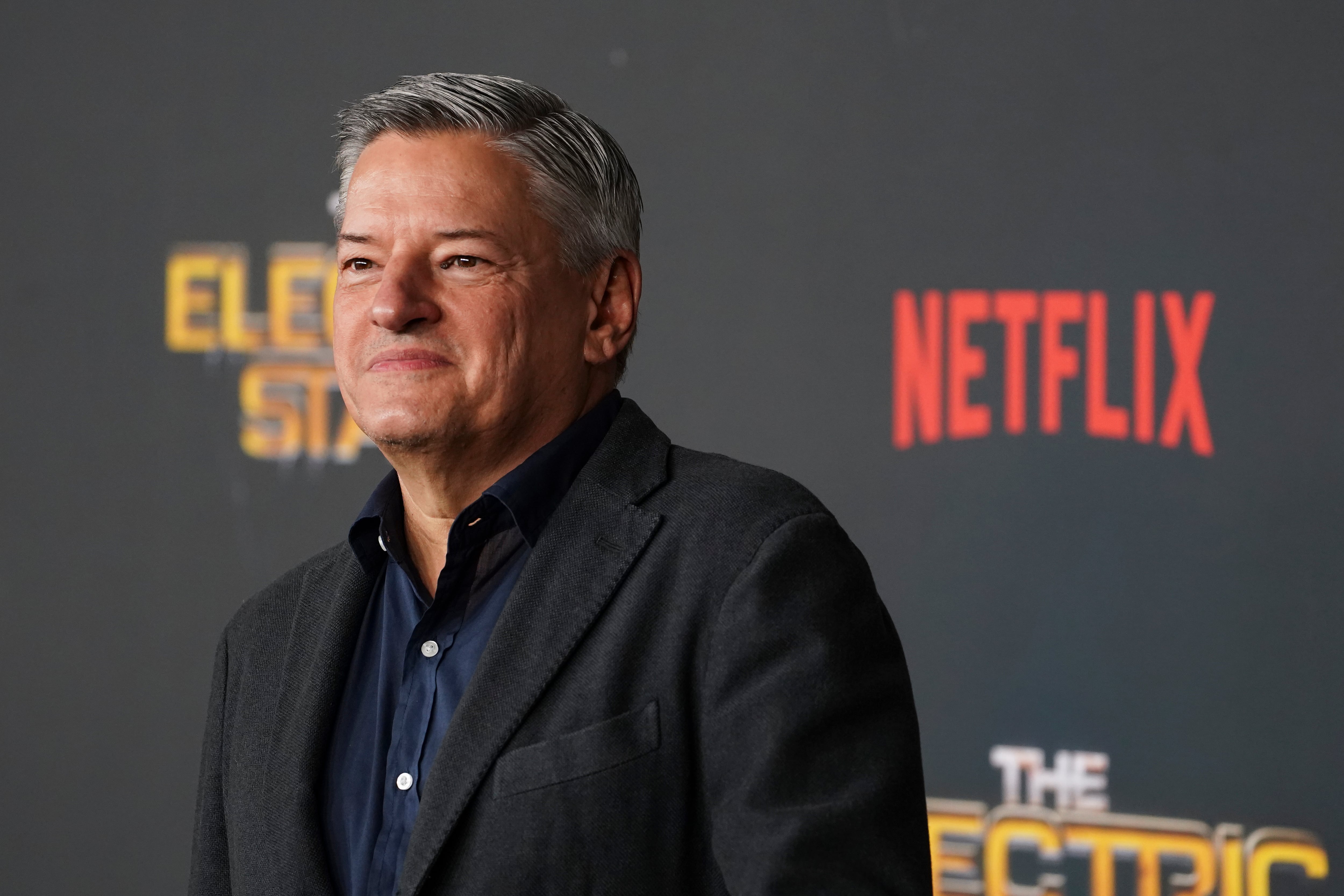
President Donald Trump says a deal struck by Netflix last week to buy Warner Bros. Discovery “could be a problem” because of the size of the combined market share. The Republican president says he will be involved in the decision about whether federal regulators should approve the deal. Trump commented Sunday when he was asked about the deal as he walked the red carpet at the Kennedy Center Honors. The $72 billion deal would bring together two of the biggest players in television and film and potentially reshape the entertainment industry.
Disney's changes to a program for disabled visitors are facing challenges in federal court and through a shareholder proposal. The Disability Access Service program, which allows disabled visitors to skip long lines, was overhauled last year. Disney now mostly limits the program to those with developmental disabilities like autism who have difficulty waiting in lines. The changes have sparked criticism from some disability advocates. A shareholder proposal submitted by disability advocates calls for an independent review of Disney's disability policies. Disney plans to block this proposal, claiming it's misleading. It's the latest struggle by Disney to accommodate disabled visitors while stopping past abuses by some theme park guests.