WASHINGTON (AP) — Americans’ outlook on the economy improved modestly in November, lifted by expectations for lower inflation and more hiring.
The Conference Board, a business research group, said Tuesday that its consumer confidence index ticked up to 111.7 from 109.6 in October. The small increase followed a big gain in October.
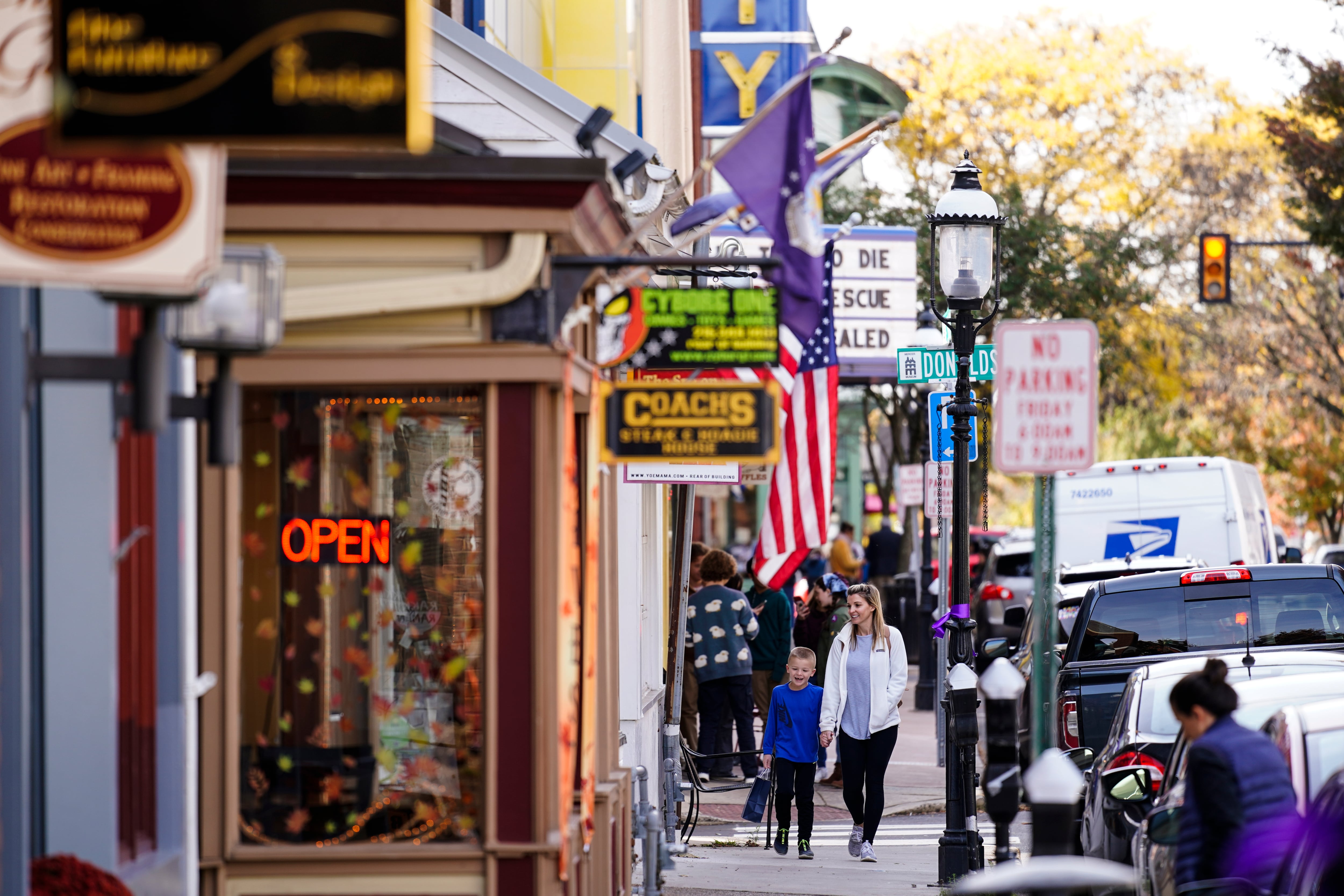
Rising consumer confidence suggests Americans may spend more in the coming months, which would help boost economic growth. Yet Americans have been spending at a healthy clip for much of the past two years even as confidence measures have been low, a sign that sentiment surveys may not be as useful a guide to the economy's direction as they were in the past.
The uptick comes after President-elect Donald Trump's victory in the presidential election. The Conference Board doesn't break out its responses by party, but another measure of consumer sentiment by the University of Michigan showed that optimism about the economy jumped among Republicans after the election.
In the Conference Board's report, the proportion of Americans who anticipate a recession in the next 12 months fell to the lowest level since the group first began asking the question in July 2022. And consumers' optimism about future hiring rose to its highest level in nearly three years.
The survey found that Americans' expectations for future inflation fell to its lowest level since March 2020, nearly a year before consumer prices began rising quickly. When asked about their hopes for 2025, “consumers overwhelmingly selected higher prices as their top concern and lower prices as their top wish for the new year,” the Conference Board said.
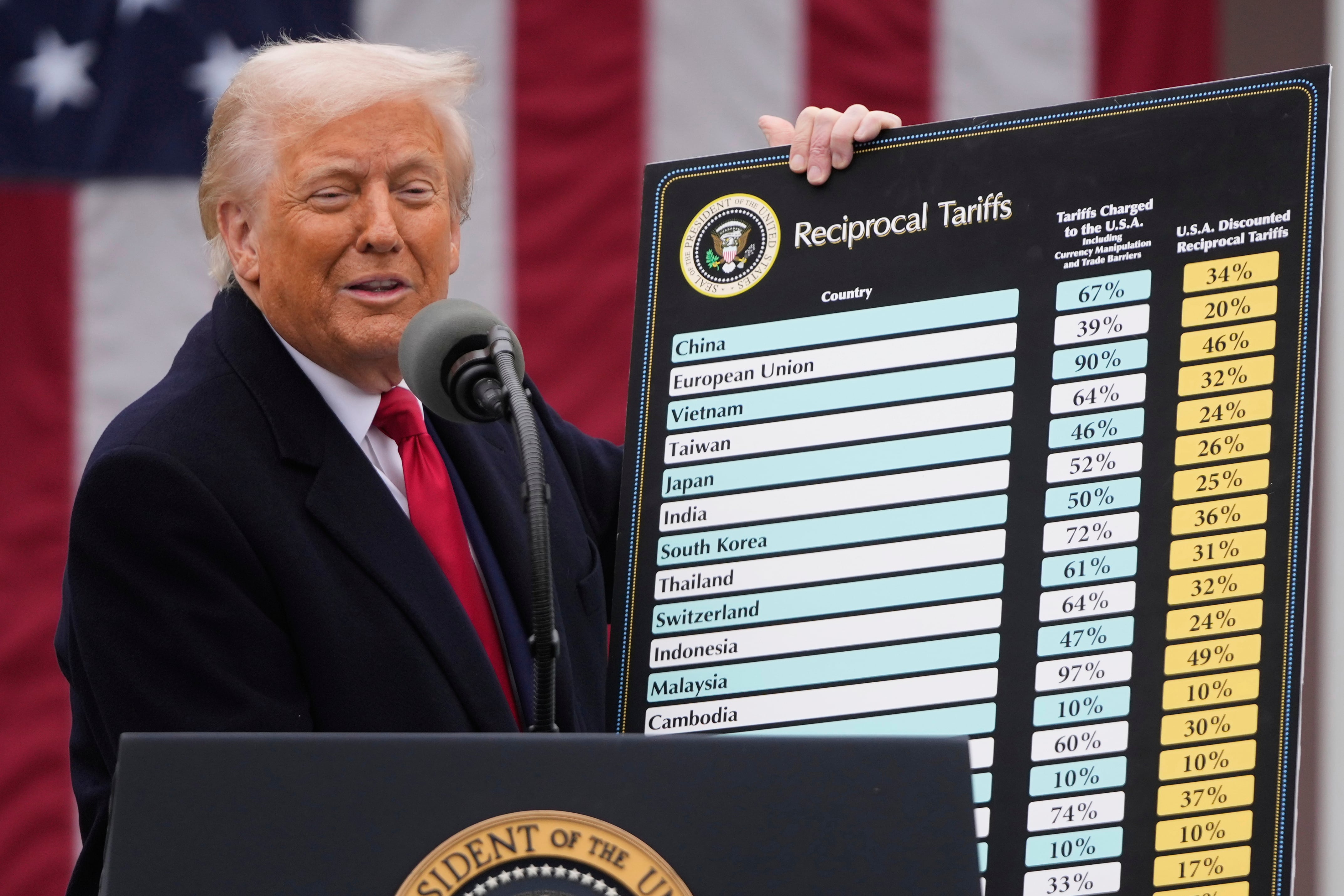
The report comes just hours after President-elect Donald Trump said he would impose stiff 25% tariffs on all imports from Canada and Mexico, and an additional 10% on imports from China. Economists and some retailers warn that such duties, if enacted, would be inflationary.
“Households for now seem to have their heads in the sand about the potential uplifts to consumer prices from tariffs and deportations, or they think Trump wasn’t serious about his intentions during the campaign,” Samuel Tombs, chief U.S. economist at Pantheon Macroeconomics, wrote in a client note.
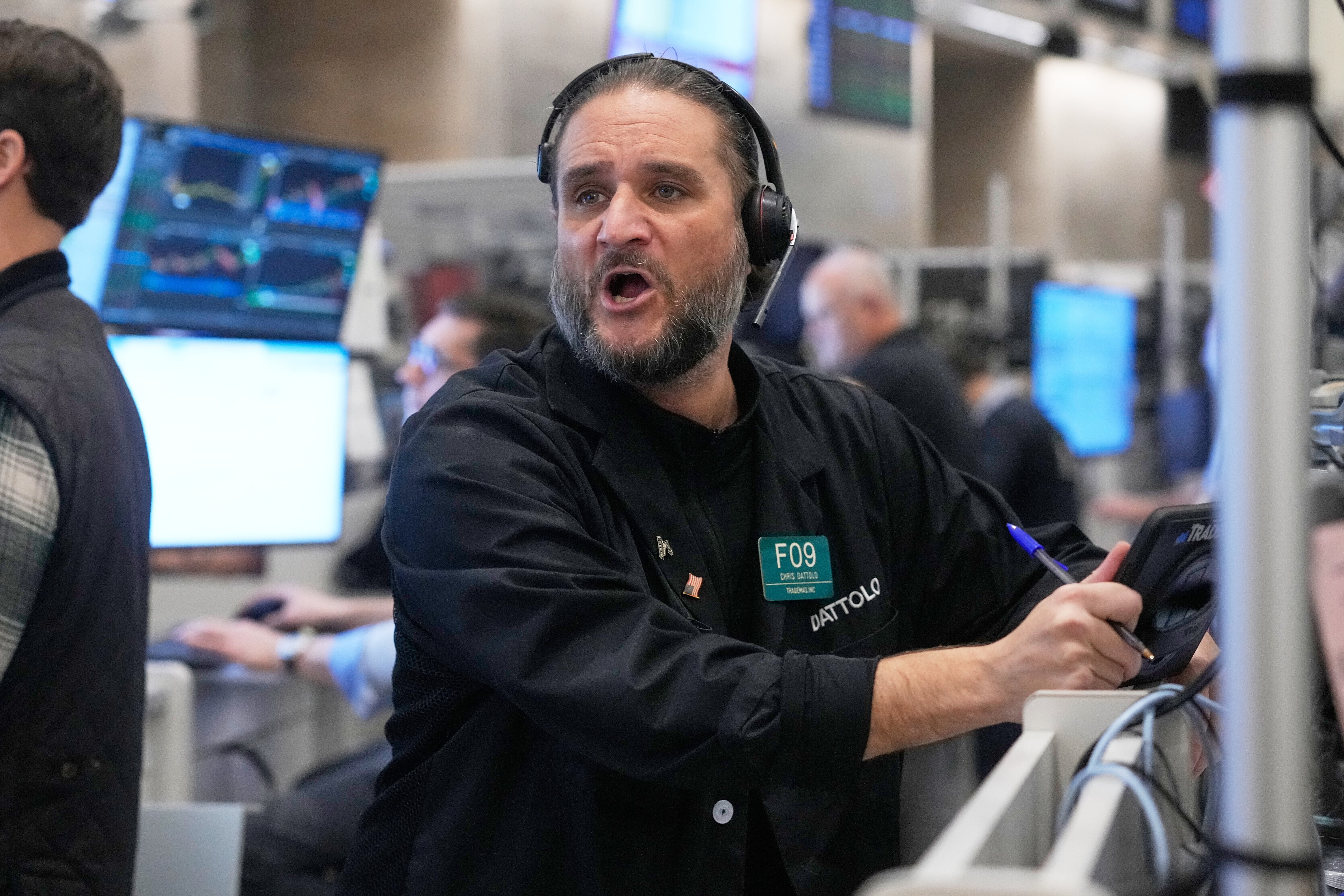
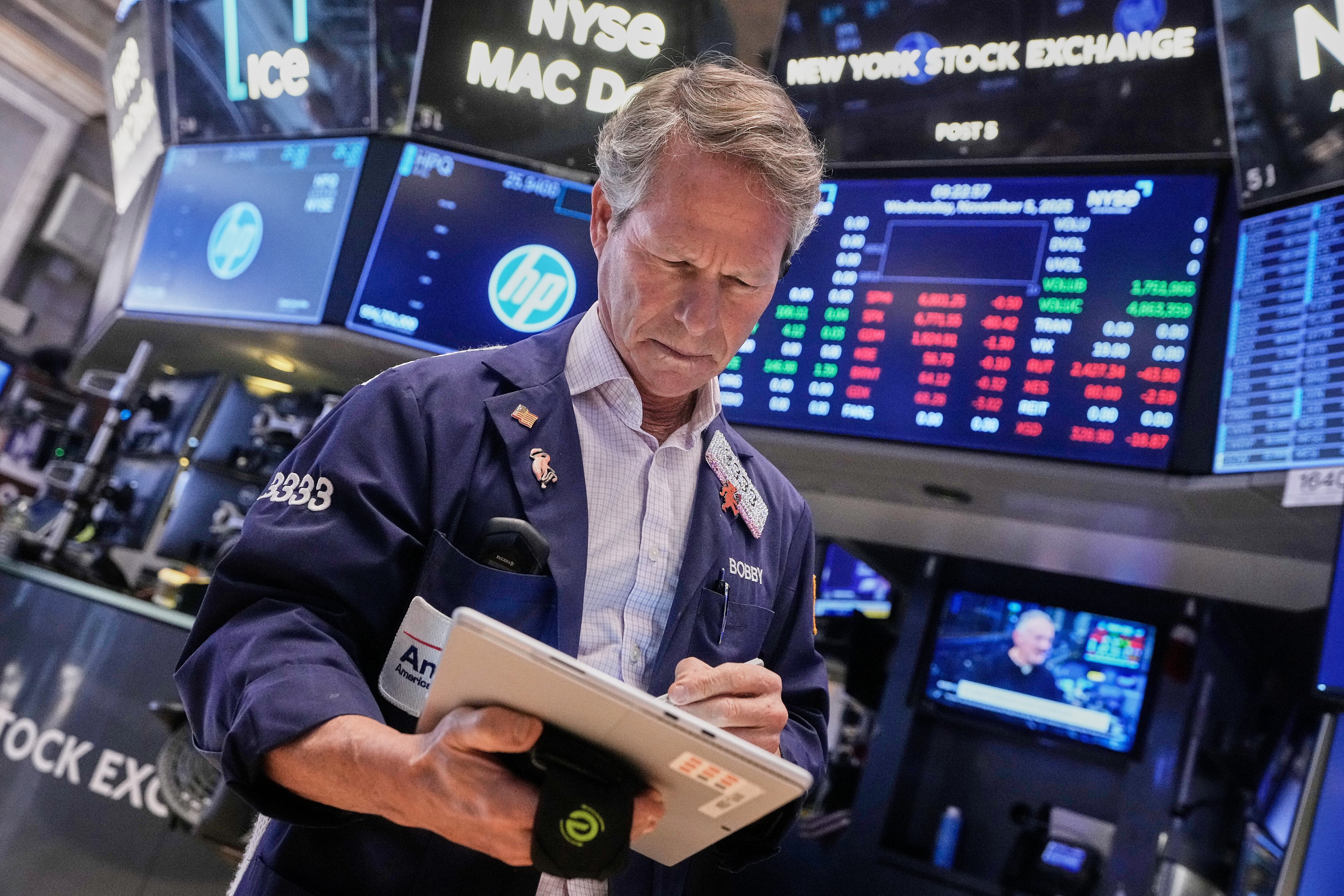
Computer chipmaker Nvidia is poised to release a quarterly earnings report that is expected to either deepen a recent downturn in the stock market or prompt an ebullient sigh of relief among investors increasingly worried the world’s most valuable company is perched upon an artificial intelligence bubble about to burst.
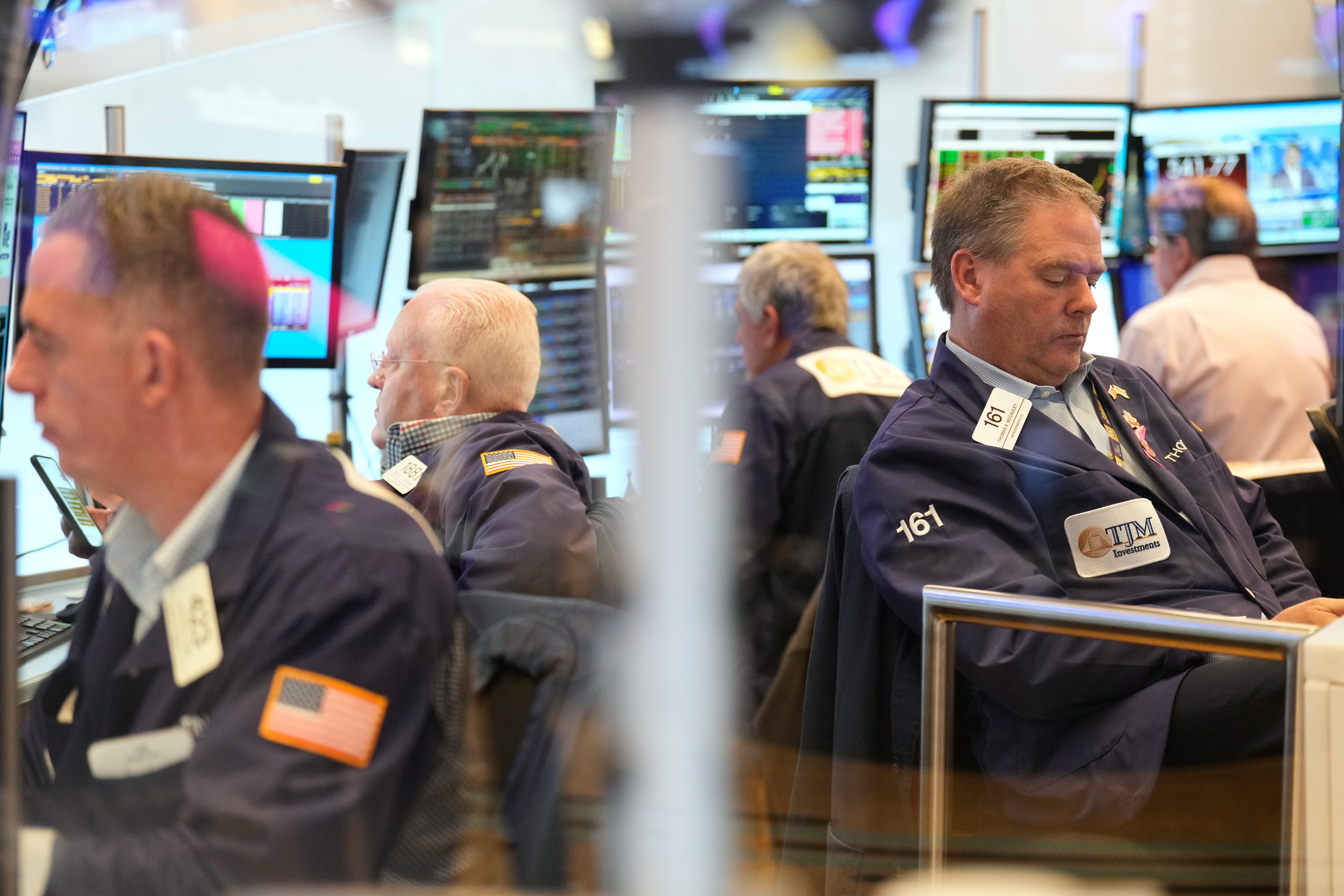
U.S. stocks are drifting in mixed trading. The S&P 500 rose 0.2% Wednesday and remains near its all-time high set a couple weeks ago.
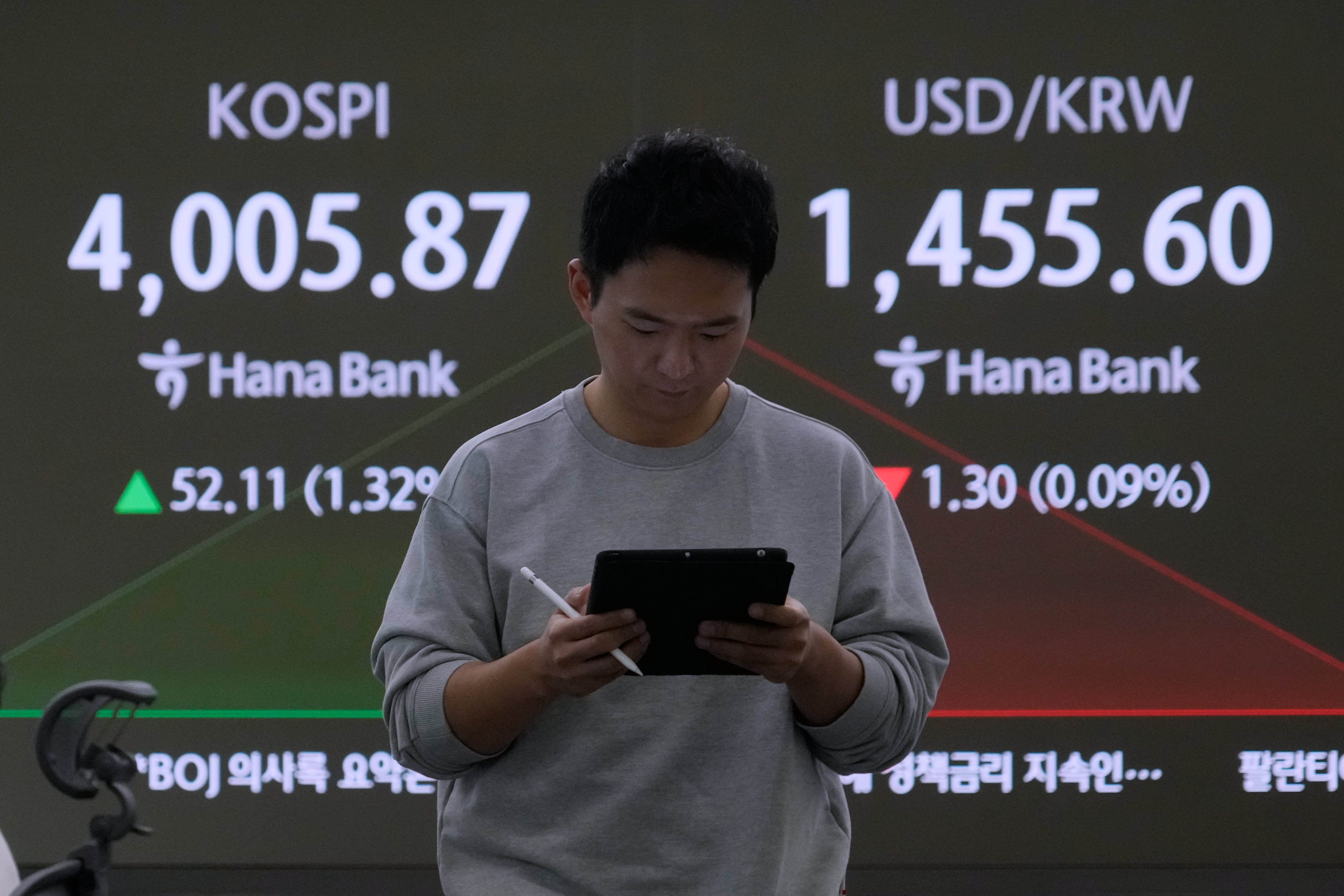
Shares are higher in Europe and Asia, lifted by technology stocks that have rebounded from last week's losses.
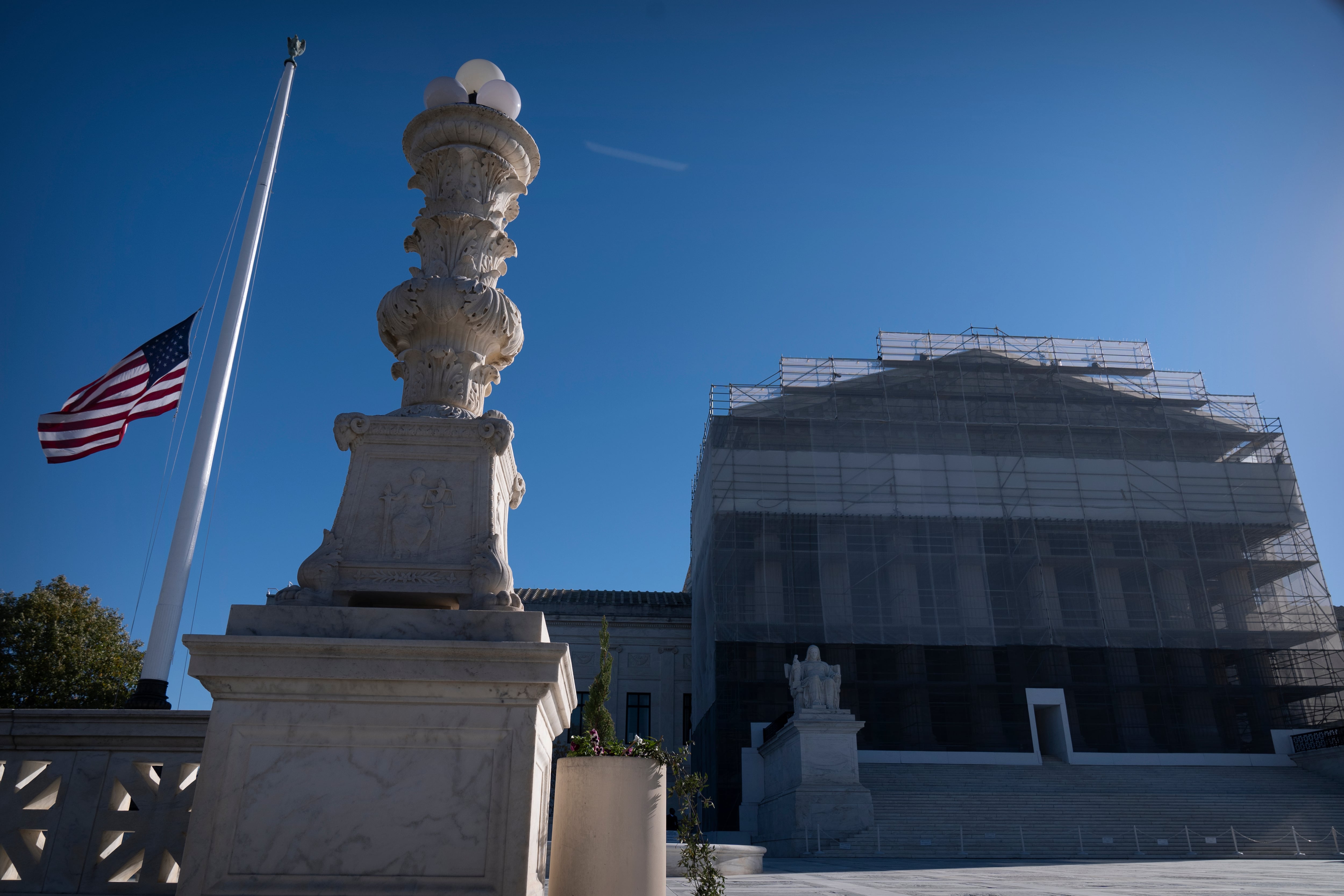
Arguments at the Supreme Court have concluded for the day as the justices consider President Donald Trump's sweeping unilateral tariffs in a trillion-dollar test of executive power.
Stocks are gaining ground on Wall Street following several upbeat economic updates and a steady flow of quarterly reports from U.S. companies.
Nvidia and other technology stocks are propping up Wall Street.
For President Donald Trump, tariffs — or the threat of them — can bend nations to his will.
The mighty heft of Amazon is pulling the U.S. stock market higher. The S&P 500 rose 0.6% Friday, erasing some of its slump from the day before and pulling closer to its all-time high set on Tuesday. The index is on track to close a third straight winning week and a sixth straight winning month, which would be its longest monthly winning streak since 2021. The Dow Jones Industrial Average added 65 points, and the Nasdaq composite climbed 1.1%. Amazon led the way after delivering a much bigger profit than analysts expected. Treasury yields eased a bit in the bond market.
President Donald Trump said he has decided to lower his combined tariff rates on imports of Chinese goods to 47% after talks with Chinese leader Xi Jinping on curbing fentanyl trafficking.
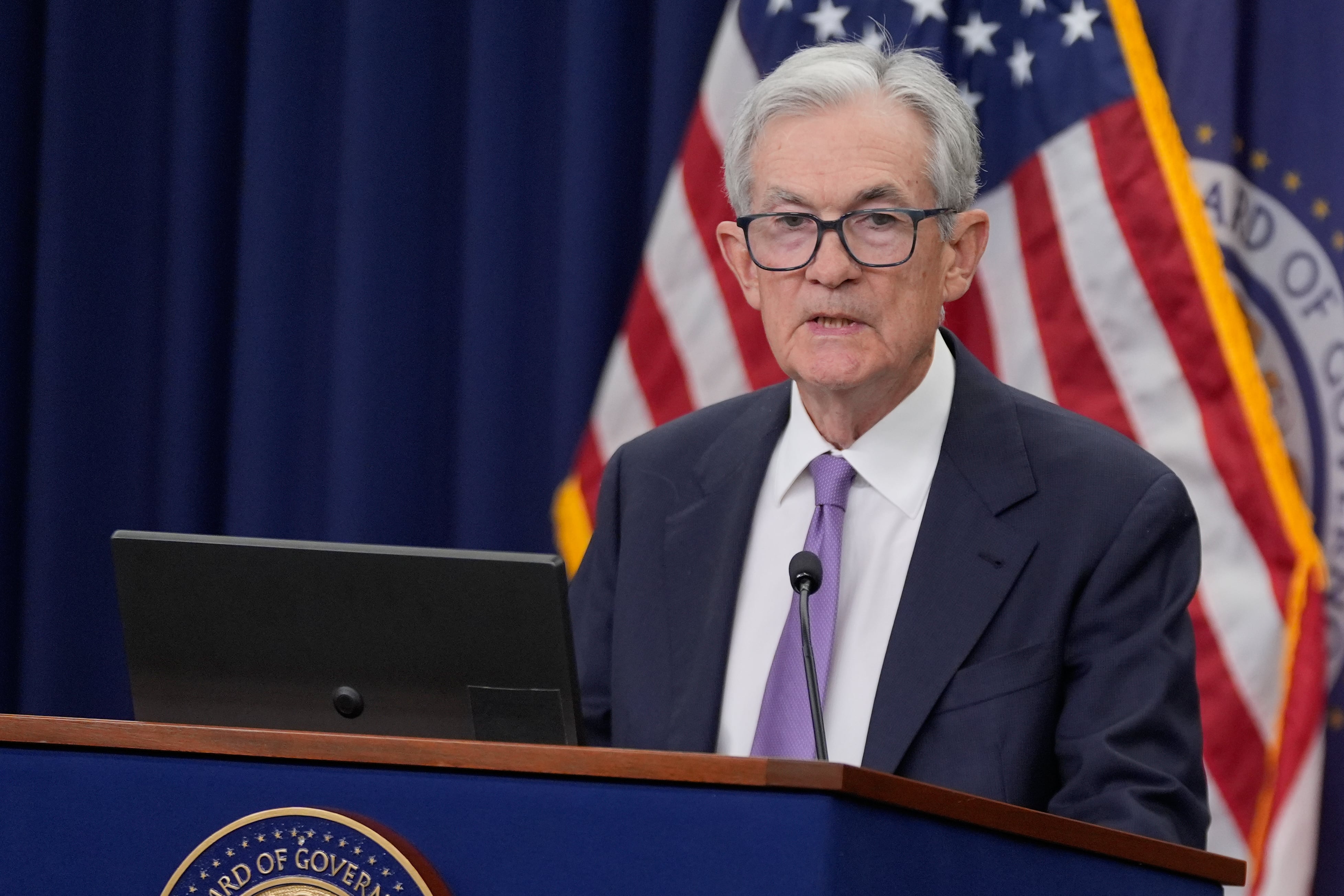
The Federal Reserve cut its key interest rate Wednesday for a second time this year as it seeks to shore up economic growth and hiring even as inflation stays elevated. The move comes amid a fraught time for the central bank, with hiring sluggish and yet inflation stuck above the Fed’s 2% target. Compounding its challenges, the central bank is navigating without much of the economic data it typically relies on from the government. The Fed has signaled it may reduce its key rate again in December but the data drought raises the uncertainty around its next moves. Fed Chair Jerome Powell told reporters that there were “strongly differing views” at the central bank's policy meeting about to proceed going forward.