WASHINGTON (AP) — Americans’ view of the U.S. economy improved this month, but Americans remain concerned about the impact of tariffs on their economic futures.
The Conference Board said Tuesday that its consumer confidence index rose two points to 97.2 in July, up from 95.2 the previous month.
The increase in confidence was in line with analysts’ forecasts.
In April, American consumers’ confidence in the economy sank to its lowest reading since May 2020, largely due to anxiety over the impact of President Donald Trump’s tariffs.
A measure of Americans’ short-term expectations for their income, business conditions and the job market rose 4.5 points to 74.4, however that’s still well below 80, the marker that can signal a recession ahead.
Consumers’ assessments of their current economic situation inched down by 1.5 points to 131.5.
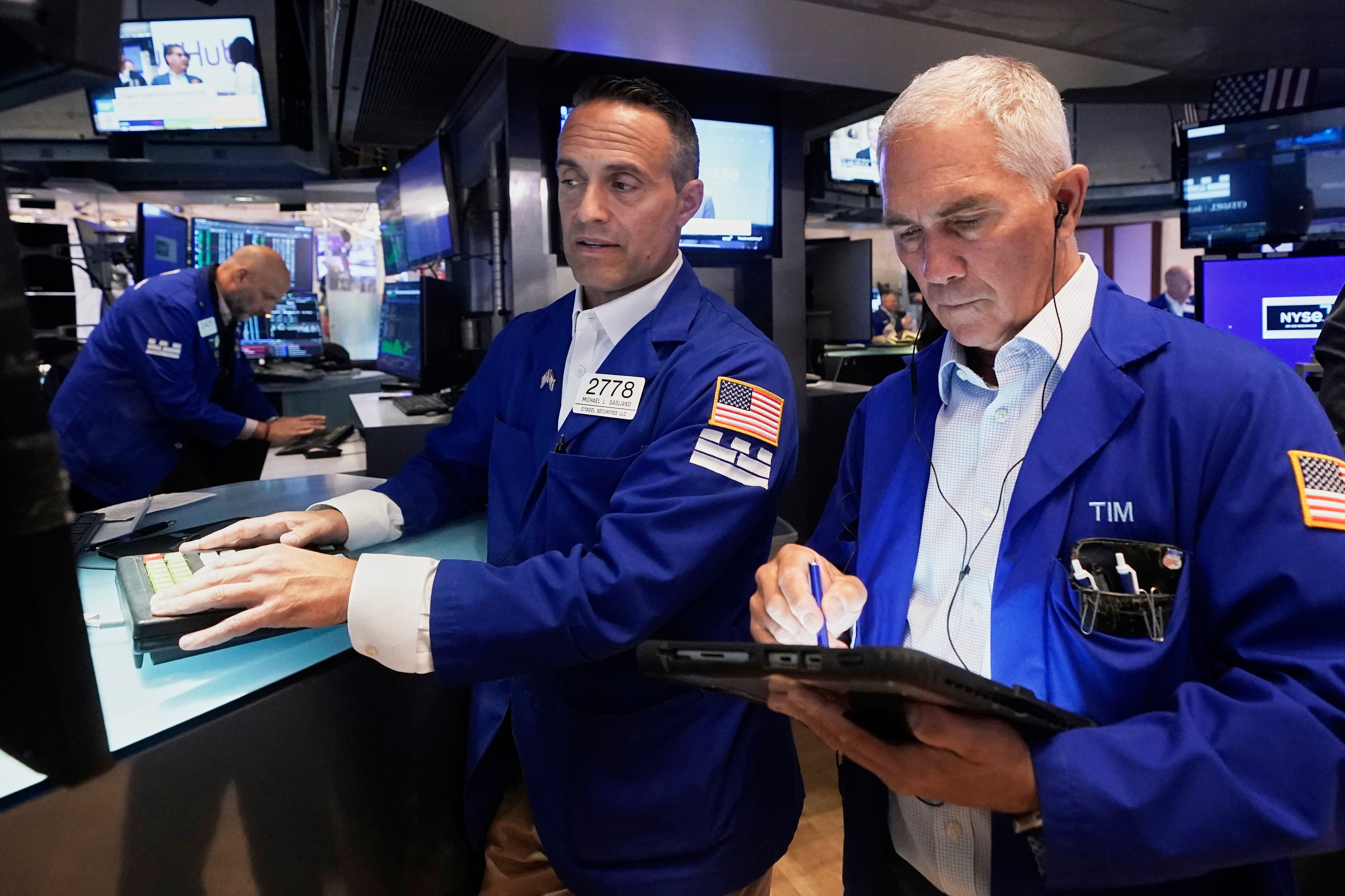
From Wall Street trading floors to the Federal Reserve to economists sipping coffee in their home offices, the first Friday morning of the month typically brings a quiet hush around 8:30 a.m. eastern, as everyone awaits the Labor Department’s monthly jobs report.
U.S. stocks are adding to their records as Wall Street cruises toward the finish line of another winning week. The S&P 500 rose 0.3% Friday and is heading for its seventh winning week in the last nine.
U.S. stocks edged up to more records. The S&P 500 rose 0.1% Thursday. The Dow Jones Industrial Average added 0.2%, while the Nasdaq composite climbed 0.4%. All three set all-time highs. Technology stocks helped lead the way after OpenAI announced partnerships with South Korean companies for its Stargate artificial-intelligence infrastructure project. Fair Isaac surged to its best day in nearly three years after unveiling a program where customers can potentially bypass big credit bureaus for FICO credit scores. Stock indexes also rose across much of Europe and Asia, while Treasury yields eased in the bond market.
U.S. stocks are drifting toward more records as Wall Street still doesn’t seem to care much about the latest shutdown of the U.S. government.
It pays less and less to buy and flip a home these days. The typical home flipping profit margin fell in the second quarter to its lowest level since 2008, with a typical return of 25.1% before expenses. That's according to an analysis by Attom, a real estate data company. Rising home prices are driving up acquisition costs, making flipping less profitable. The median price for a flipped home reached a record high of $259,700, according to Attom. Meanwhile, with many aspiring homeowners priced out of the market, real estate investors are taking up a bigger share of U.S. home sales overall.
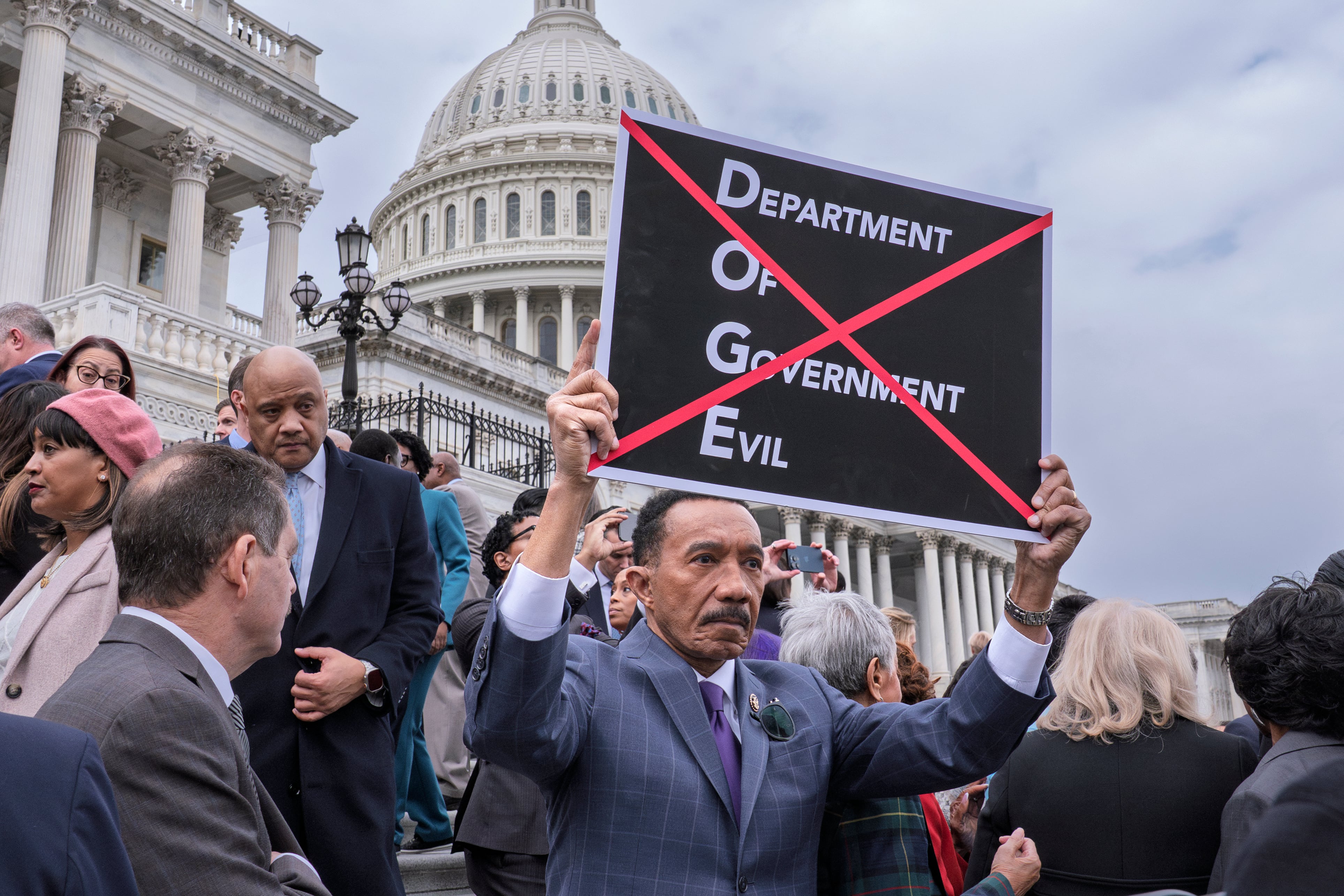
A new report finds the Department of Government Efficiency’s remaking of the federal workforce has battered the Washington job market and put more households in the metropolitan area in financial distress.
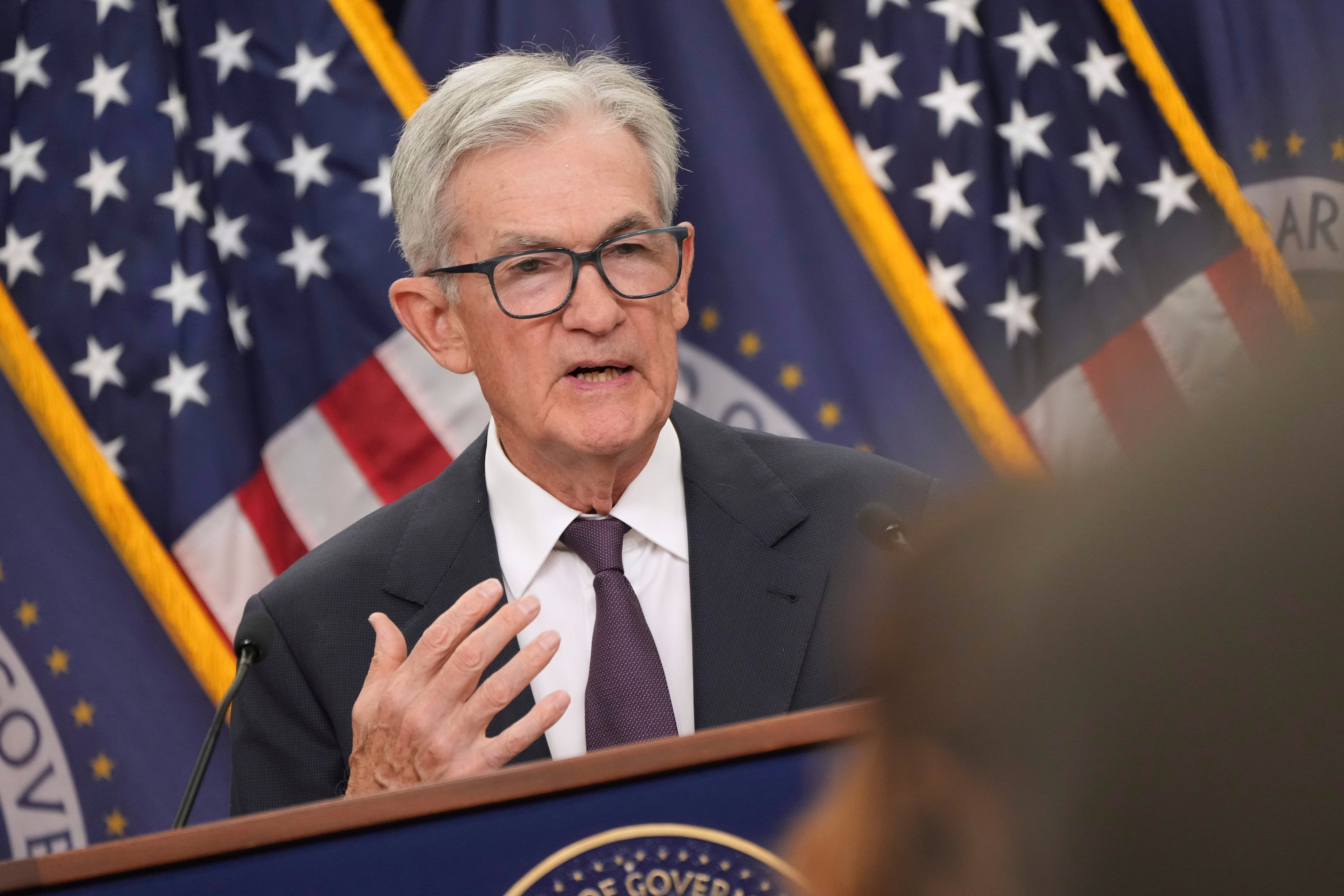
Federal Reserve Chair Jerome Powell on Tuesday signaled a cautious approach to future interest rate cuts, in sharp contrast with other Fed officials who have called for a more urgent approach. In remarks in Providence, Rhode Island, Powell noted that there are risks to both of the Fed’s goals of seeking maximum employment and stable prices. His approach is in sharp contrast to some members of the Fed’s rate-setting committee who are pushing for faster cuts.
Wall Street is rising toward more records, led by a rally for technology stocks. The S&P 500 rose 0.7% Thursday.
Nvidia announces a new partnership with Intel to work on custom data centers and personal computer products.
The Federal Reserve cut its key interest rate by a quarter-point Wednesday and projected it would do so twice more this year as concern grows at the central bank about the health of the nation’s labor market. The move is the Fed’s first cut since December and lowered its short-term rate to about 4.1%, down from 4.3%. Fed officials, led by Chair Jerome Powell, had kept their rate unchanged this year as they evaluated the impact of tariffs, tighter immigration enforcement, and other Trump administration policies on inflation and the economy. The only dissenter was Stephen Miran, the recent Trump-appointee.