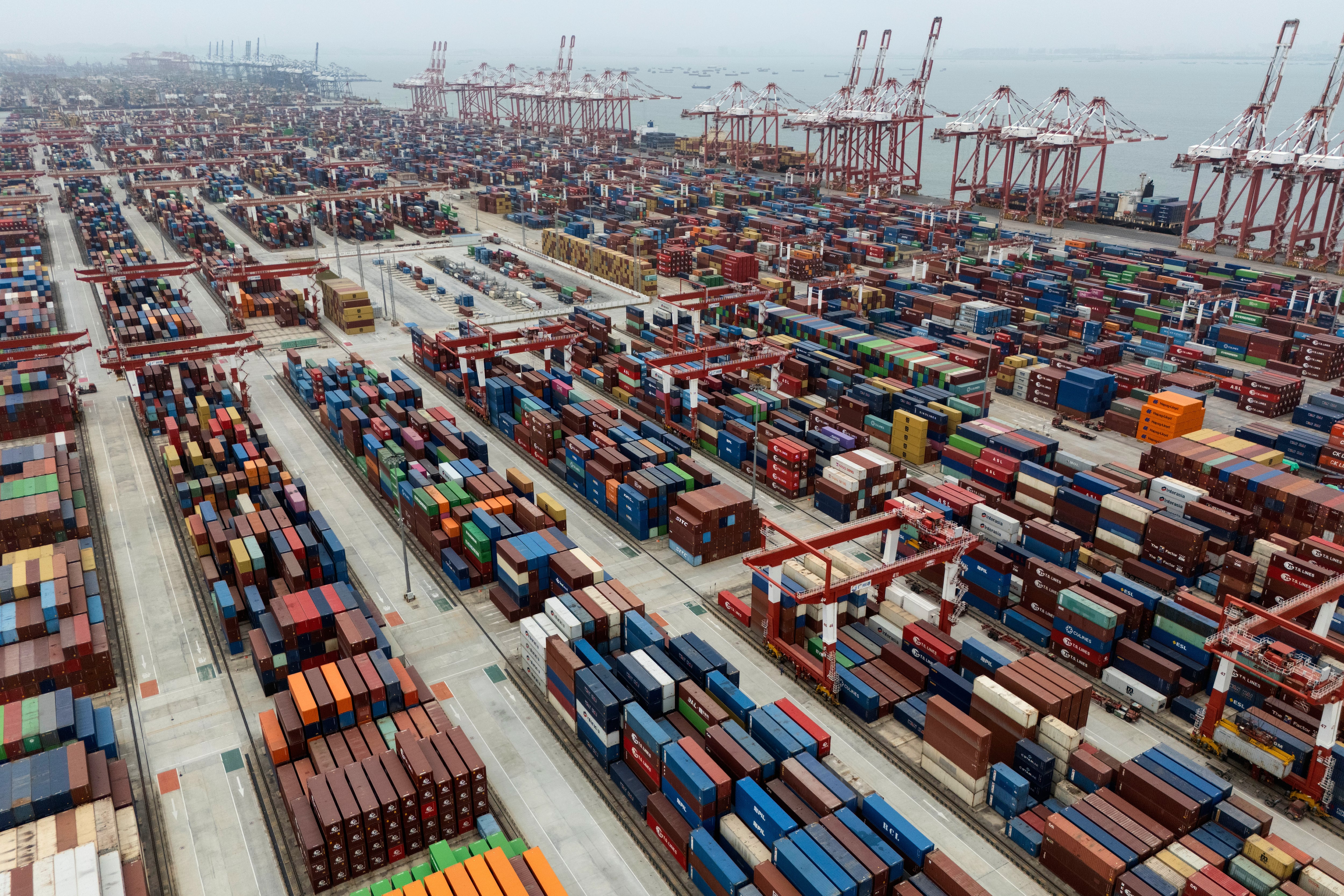
NEW YORK (AP) — American businesses that rely on Chinese goods reacted with muted relief Monday after the U.S. and China agreed to pause their exorbitant tariffs on each other’s products for 90 days.
Importers still face relatively high tariffs, however, as well as uncertainty over what will happen in the coming weeks and months. Many businesses delayed or canceled orders after President Donald Trump last month put a 145% tariff on items made in China.
Now, they’re concerned a mad scramble to get goods onto ships will lead to bottlenecks and increased shipping costs. The temporary truce was announced as retailers and their suppliers are looking to finalize their plans and orders for the holiday shopping season.
“The timing couldn’t have been any worse with regard to placing orders, so turning on a dime to pick back up with customers and our factories will put us severely behind schedule,” said WS Game Company owner Jonathan Silva, whose Massachusetts business creates deluxe versions of Monopoly, Scrabble and other Hasbro board games.
Silva said the 30% tariff on Chinese imports still is a step in the right direction. He has nine containers of products waiting at factories in China and said he would work to get them exported at the lower rate.
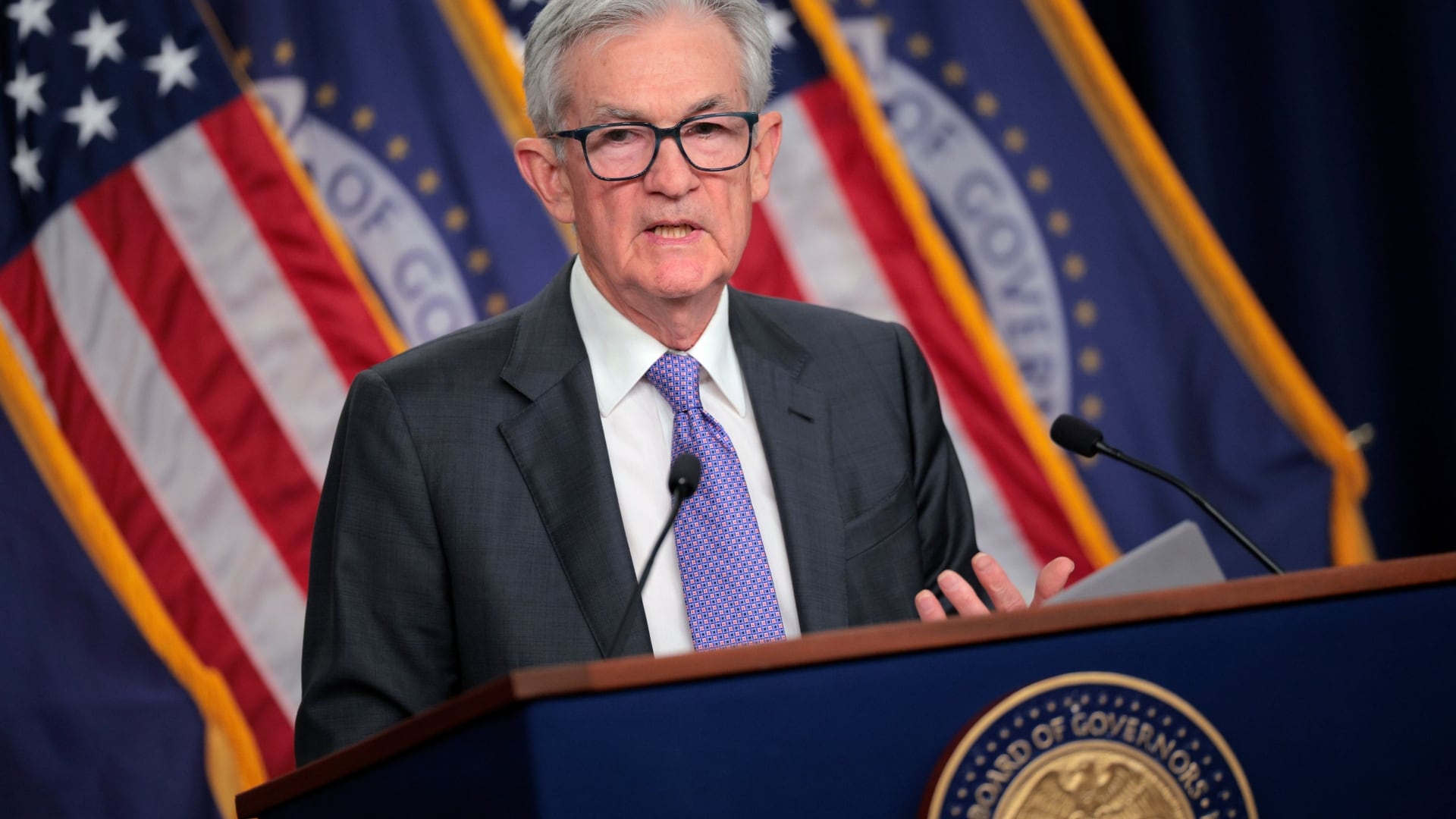
U.S. Trade Representative Jamieson Greer said the U.S. agreed to lower its 145% tariff rate on Chinese goods by 115 percentage points, while China agreed to lower its retaliatory 125% rate on U.S. goods by the same amount. The two sides plan to continue negotiations on a longer-term trade deal.
National Retail Federation President and CEO Matthew Shay said the move was a “critical first step to provide some short-term relief for retailers and other businesses that are in the midst of ordering merchandise for the winter holiday season.”
The news sent the stock market and the value of the dollar soaring, a lift that eluded business owners confronting another dizzying shift.
Marc Rosenberg, founder and CEO of The Edge Desk in Deerfield, Illinois, invested millions of dollars to develop a line of $1,000 ergonomic chairs but delayed production in China that was set to begin this month, hoping for a tariff reprieve.
Rosenberg said it was good U.S.-China trade talks were ongoing but that he thinks the 90-day window is “beyond dangerous” since shipping delays could result in his chairs still being en route when the temporary deal ends.
“There needs to be a plan in place that lasts a year or two so people can plan against it,” he said.
Jeremy Rice, the co-owner of a Lexington, Kentucky, home-décor shop that specializes in artificial flower arrangements, said the limited pause makes him unsure how to approach pricing. About 90% of the flowers House uses are made in China. He stocked up on inventory and then paused shipments in April.
“Our vendors are still kind of running around juggling, not knowing what they’re gonna do,” Rice said. “We ordered in what we could pre-tariff and so there’s stock here, but we’re getting to the point now where there’s things that are gone and we’re going to have to figure out how we’re gonna approach it.”
“There’s no relief,” he added. “It’s just kind of like you’re just waiting for the next shoe to drop.”
Before Trump started the latest U.S. tariff battle with China, Miami-based game company All Things Equal was preparing to launch its first electronic board game. Founder Eric Poses said he spent two years developing “And the Good News Is,” a fill-in-the-blank game covering topics like politics and sports. He plowed $120,000 into research and development.
When the president in February added a 20% tariff on products made in China, Poses started removing unessential features such as embossed packaging. When the rate went up to 145%, he faced two options: leave the goods in China or send them to bonded warehouses, a storage method which allow importers to defer duty payments for up to five years.
Poses contacted his factories in China on Monday to arrange the deferred shipments, but with his games still subject to a 30% tariff, he said he would have to cut back on marketing to keep the electronic game priced at $29.99. With other businesses also in a rush to get their products, he said he is worried he won’t be able to his into shipping containers and that if he does, the cost will be much more expensive.
“It’s very hard to plan because if you want to go back to production in a couple of months, then you’re worried about what will the tariff rate be when it hits the U.S. ports after that 90-day period,” Poses said.
Jim Umlauf’s business, 4Knines, based in Oklahoma City, makes vehicle seat covers and cargo liners for dog owners and others. He imports raw materials such as fabric, coatings and components from China.
Umlauf said that even with a lower general tariff rate, it’s hard for small businesses to make a profit. He thinks the U.S. government should offer small business exclusions from the tariffs.
“I appreciate any progress being made on the tariff front, but unfortunately, we’re still far from a real solution — especially for small businesses like mine,” Umlauf said. “When tariffs exceed 50%, there’s virtually no profit left unless we dramatically raise prices — an option that risks alienating customers.”
Zou Guoqing, a Chinese exporter who supplies molds and parts to a snow-bike factory in Nebraska as well as fishing and hunting goods to a U.S. retailer in Texas, also thinks the remaining 30% tariff is too high to take comfort in.
With the possibility Washington and Beijing will negotiate over the 20% tariff Trump imposed due to what he described as China’s failure to stem the flow of fentanyl, Zou said he would wait until the end of May to decide when to resume shipments to the U.S.
Silva, of WS Game Company, said he planned to begin placing his holiday season orders this week but won’t be as bold as he might have been if the ultra-high tariff had been suspended for more than 90 day.
“We will order enough to get by and satisfy the demand we know will be there at the increased pricing needed, but until we get a solid foundation of a long-term agreement, the risks are still too high to be aggressive.”
___
Didi Tang in Washington contributed to this report.