WASHINGTON (AP) — President Donald Trump is granting a one-month exemption on his stiff new tariffs on imports from Mexico and Canada for U.S. automakers, as worries persist that the newly launched trade war could crush domestic manufacturing.
The pause comes after Trump spoke with leaders of the “big 3” automakers, Ford, General Motors and Stellantis, on Wednesday, according to White House press secretary Karoline Leavitt.
Asked if 30 days was enough for the auto sector to prepare for the new taxes, Leavitt said Trump was blunt with the automakers seeking an exemption: “He told them that they should get on it, start investing, start moving, shift production here to the United States of America where they will pay no tariff.”
Shares of big U.S., Asian and European automakers jumped as much as 6% after the announcement.
Pausing the 25% taxes on autos traded through the North American trade pact USMCA would only delay a broader reckoning to take place on April 2, when Trump is set to impose broad “reciprocal” tariffs to match the taxes and subsidies that other countries charge on imports.
Leavitt said the president is “open” to hearing requests from other industries seeking exemptions as well.
The White House repeatedly insisted that it would not grant exemptions and the sudden turnaround reflects the economic and political problems being created by Trump's day-old tariffs. While the Republican president sees them as enriching the United States, his plans to tax imports have alienated allies and caused anxiety about slower economic growth and accelerating inflation.
Trump has long promised to impose tariffs, but his opening weeks in the White House have involved aggressive threats, surprise suspensions and allies unclear at what the U.S. president is actually trying to achieve. Based off various Trump administration statements, the tariffs on Canada, Mexico and China imposed on Tuesday are about stopping illegal immigration, blocking fentanyl smuggling, closing the trade gap, balancing the federal budget and other nations showing more respect for Trump.
The U.S. president engaged in a phone call on Wednesday with Canadian Prime Minister Justin Trudeau, as U.S. Commerce Secretary Howard Lutnick had suggested that the administration was looking to meet Canada and Mexico “in the middle.”
But Trudeau refused to lift Canada’s retaliatory tariffs so long as Trump continues with his new taxes on imports from Canada, a senior government official told The Associated Press. The official confirmed the stance on condition of anonymity as they were not authorized to speak publicly on the matter.
“Both countries will continue to be in contact today,” Trudeau’s office said.
Ontario Premier Doug Ford earlier told The AP that the auto sector in the U.S. and Canada would last approximately 10 days before they start shutting down the assembly lines in the U.S. and in Ontario.
“People are going to lose their jobs,” he said.
The prospect of a trade war appears to be an ongoing feature of the Trump administration, rather than a brief skirmish. In addition to his upcoming reciprocal tariffs that could strike the European Union, India, Brazil, South Korea, Canada and Mexico, Trump wants to tax imports of computer chips, pharmaceutical drugs and autos. He also closed exemptions on his 2018 steel and aluminum tariffs and is investigating tariffs on copper as well.
Tariffs are taxes paid by importers in the countries receiving the goods, so the cost could largely be passed along to U.S. consumers and businesses in the form of higher prices. In his Tuesday night speech to a joint session of Congress, Trump tried to minimize the financial pain as a “ little disturbance.”
“It may be a little bit of an adjustment period,” he said after claiming that farmers would benefit from reciprocal tariffs on countries that have tariffs on U.S. exports. “You have to bear with me again and this will be even better.”
The U.S. president has predicted that tariffs will lead to greater investment inside the United States, creating more factory jobs and boosting growth in the long term.
On Tuesday, Trump put 25% taxes on imports from Mexico and Canada, taxing Canadian energy products such as oil and electricity at a lower 10% rate. The president also doubled the 10% tariff he placed on China to 20%.
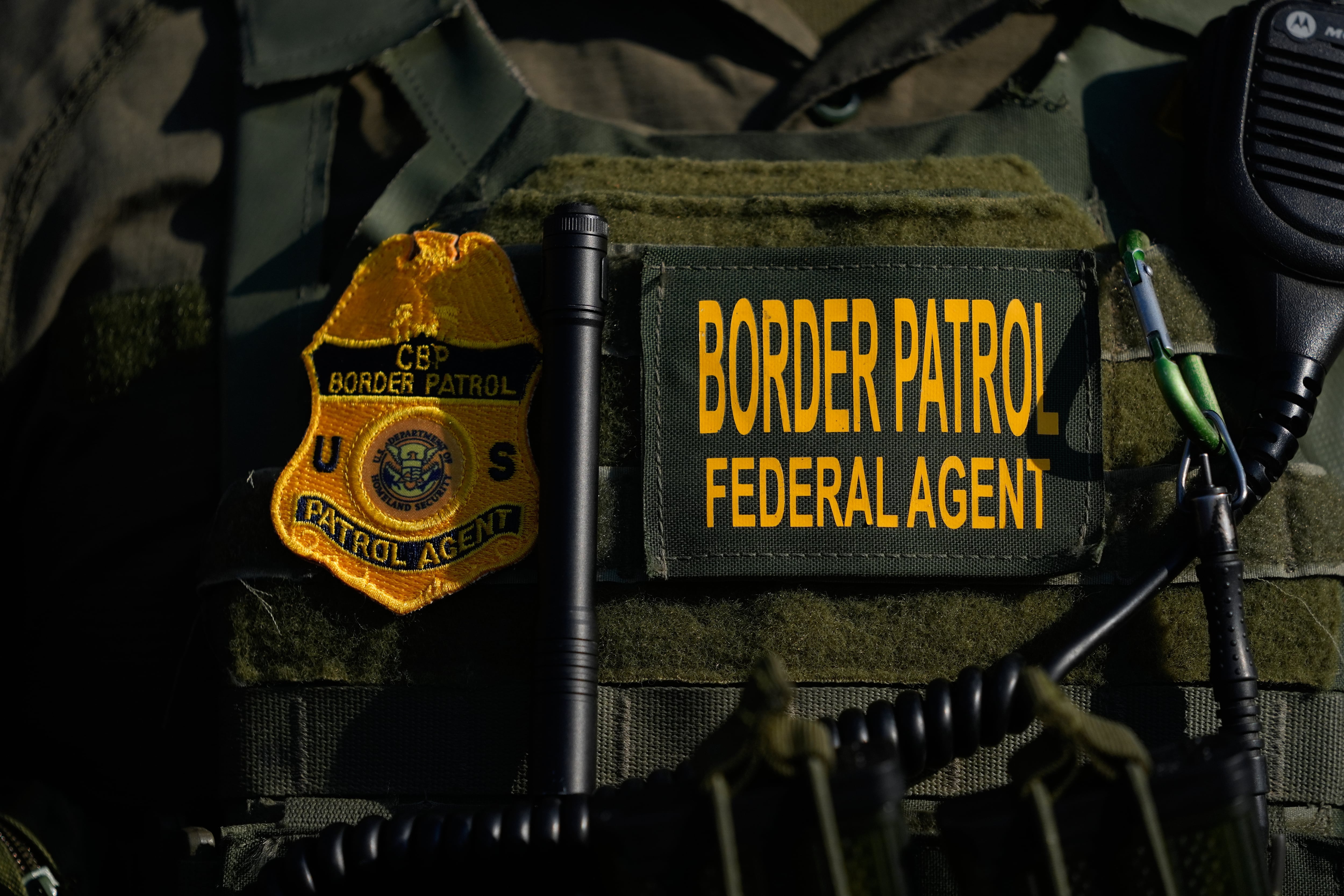
The administration has claimed that the tariffs are about stopping the smuggling of drugs such as fentanyl, with aides asserting that this is about a “drug war” rather than a “trade war.” U.S. customs agents seized just 43 pounds (19.5 kilograms) of fentanyl at the northern border the last fiscal year.
Trudeau said on Tuesday that his country would plaster tariffs on over $100 billion (U.S. dollars) of American goods over the course of 21 days, stressing that the United States had abandoned a long-standing friendship.
“Today, the United States launched a trade war against Canada, their closest partner and ally, their closest friend. At the same time, they are talking about working positively with Russia, appeasing Vladimir Putin, a lying, murderous dictator. Make that make sense,” Trudeau said on Tuesday.
Mexico indicated it would announce its own countermeasures on Sunday.
Beijing responded with tariffs of up to 15% on a wide array of U.S. farm exports. It also expanded the number of U.S. companies subject to export controls and other restrictions by about two dozen.
“If war is what the U.S. wants, be it a tariff war, a trade war or any other type of war, we’re ready to fight till the end,” China’s embassy to the United States posted on X on Tuesday night.
In response to China, U.S. Defense Secretary Pete Hegseth told Fox News Channel’s “Fox & Friends” that the United States is “prepared” for war against the world's second largest economy.
“Those who long for peace must prepare for war,” Hegseth said Wednesday morning. "If we want to deter war with the Chinese or others, we have to be strong."
Leavitt is one of three administration officials who face a lawsuit from The Associated Press on First- and Fifth-amendment grounds. The AP says the three are punishing the news agency for editorial decisions they oppose. The White House says the AP is not following an executive order to refer to the Gulf of Mexico as the Gulf of America.
___
Gillies reported from Toronto.