Lawmakers grilled TikTok CEO Shou Zi Chew on Thursday in a high-stakes hearing on the future of the popular, Chinese-owned video sharing platform in the U.S.
“While TikTok videos provide a new, fun way for people to express their creativity and enjoy the videos of others, the platform also threatens the health, privacy, and security of the American people,” said Rep. Frank Pallone (D-N.J. 6th District) during the hearing.
With Congress weighing a bill to fully ban TikTok, Chew made the case that the company is committed to addressing lawmakers' concerns about privacy, user safety, and data security.
“Trust is about actions we take. We will firewall protect the U.S. data from unwanted foreign access," Chew said. "TikTok will remain a place for free expression and will not be manipulated by any government."
He also stressed that protecting younger users from harmful content would be a top priority and that TikTok would allow third-party monitors to scrutinize its operations.
In addition, Chew touted an effort called Project Texas, which aims to move all data collected from U.S. citizens to within the country.
These appeals mostly fell on deaf ears, with representatives from both sides of the aisle insisting that TikTok is working closely with the Chinese government.
"I still believe that the Beijing communist government will still control and have the ability to influence what you do," said Pallone in reference to Project Texas.
Chew responded to these accusations by repeatedly noting that TikTok is an independent company. “TikTok is not available in mainland China, and today we’re currently headquartered in Los Angeles and Singapore," he said.
Overall, the hearing was short on partisan bickering, as neither Democrats or Republicans had much positive to say about the platform.
“Welcome to the most bipartisan committee in Congress,” Rep. Buddy Carter (R-Ga. 1st District).
Updated with the latest information from the hearing.
As commercial options tighten, more travelers are turning to private aviation. Wheels Up CEO George Mattson breaks down capacity and demand challenges.
Layoffs, hiring slowdowns, and shifting skill demands dominate this year’s job talk. LinkedIn’s Kory Kantenga explains what workers should watch for next.
Retailers face tariffs and cost challenges this holiday season. Wells Fargo's Lauren Murphy shares insights on pricing, promotions, and shopping trends.
Dateability, founded by sisters Jacqueline and Alexa Child, is the only dating app for disabled and chronically ill communities, fostering love without limits.
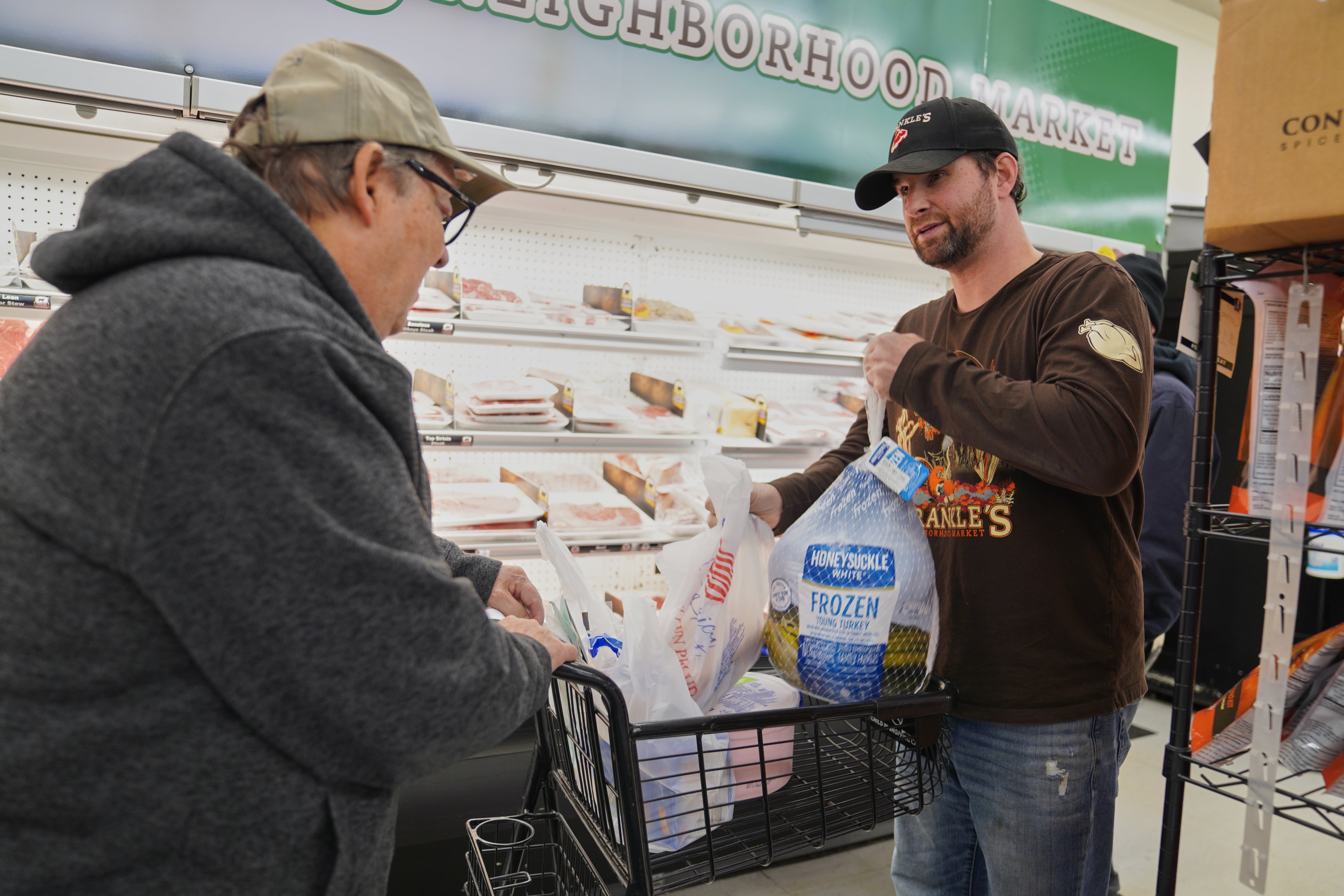
Some small grocery stores and neighborhood convenience stores are eager for the U.S. government shutdown to end and for their customers to start receiving federal food aid again. Late last month, the Trump administration froze funding for the SNAP benefits that about 42 million Americans use to buy groceries. The U.S. Department of Agriculture says about 74% of the assistance was spent last year at superstores like Walmart and supermarkets like Kroger. Around 14% went to smaller stores that are more accessible to SNAP beneficiaries. A former director of the United Nations World Food Program says SNAP is not only a social safety net for families but a local economic engine that supports neighborhood businesses.
Andy Baehr, Head of Product at CoinDesk Indices, breaks down crypto’s Black Friday crash, Bitcoin dipping under $100K, and what’s driving the market rout.