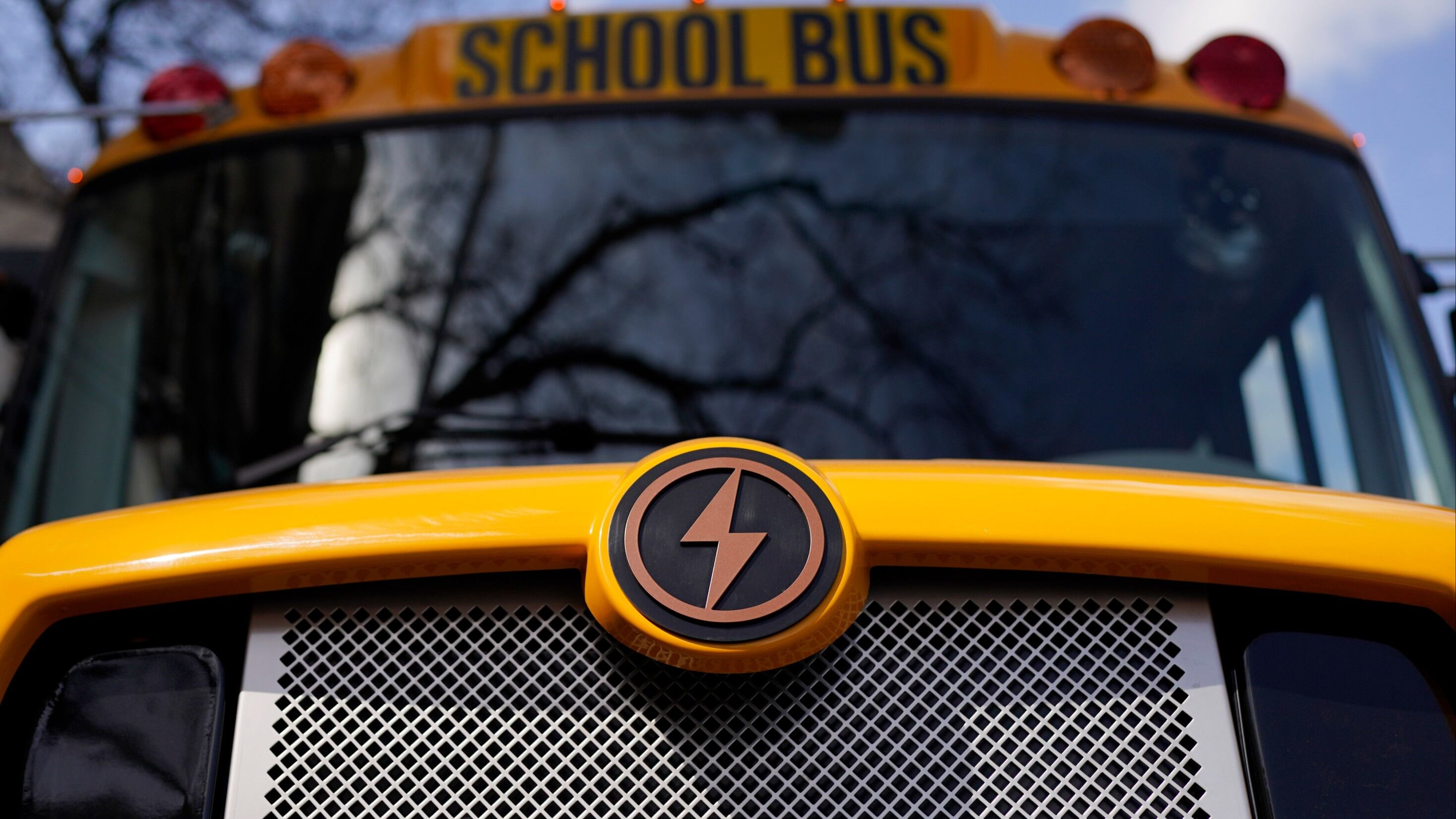
A Lion electric school bus is seen on display in Austin, Texas, Feb. 22, 2023. The Transportation Department is awarding almost $1.7 billion in grants for buying zero and low emission buses, with the money going to transit projects in 46 states and territories. The grants will enable transit agencies and state and local governments to buy 1,700 U.S.-built buses, nearly half of which will have zero carbon emissions. (AP Photo/Eric Gay, File)
By Josh Boak
The U.S. Department of Transportation is awarding almost $1.7 billion in grants for buying zero- and low-emission buses, with the money going to transit projects in 46 states and territories.
The grants will enable transit agencies and state and local governments to buy 1,700 U.S.-built buses, nearly half of which will have zero carbon emissions. Funding for the grants comes from the 2021 bipartisan infrastructure bill signed into law by President Joe Biden. The Democratic president has made it a priority to put more electric vehicles on the road — especially for schools and public transit — in an effort to contain the damage from climate change.
“Every day, millions of Americans climb aboard over 60,000 buses to get to work, to school, doctor’s appointments, everywhere they need to be,” Transportation Secretary Pete Buttigieg said in a call with reporters. “These are unprecedented levels of investment when it comes to putting modern cleaner buses on the road.”
Monday's announcement covers the second round of grants for buses and supporting infrastructure. All told, the U.S. has invested a total of $3.3 billion in the projects so far. Government officials expect to award roughly $5 billion more over the next three years.
The Biden administration said that the new buses will improve public health as diesel exhaust will no longer be going into the air and that the new buses will be easier to maintain.
The government received 475 project proposals for the grants that totaled roughly $8.7 billion, a sign of the demand for the funding.
The Seattle area will be getting $33.5 million to purchase 30 electric battery buses and chargers. The Washington, D.C., transit authority will use $104 million to make a bus garage an electric facility and buy roughly 100 electric battery buses. But money also is going outside of major U.S. cities, with Iowa City, Iowa, and the Seneca Nation in Western New York also receiving grants.
OpenAI has recruited Jony Ive, the designer behind Apple’s iPhone, to lead a new hardware project for the artificial intelligence company that makes ChatGPT.
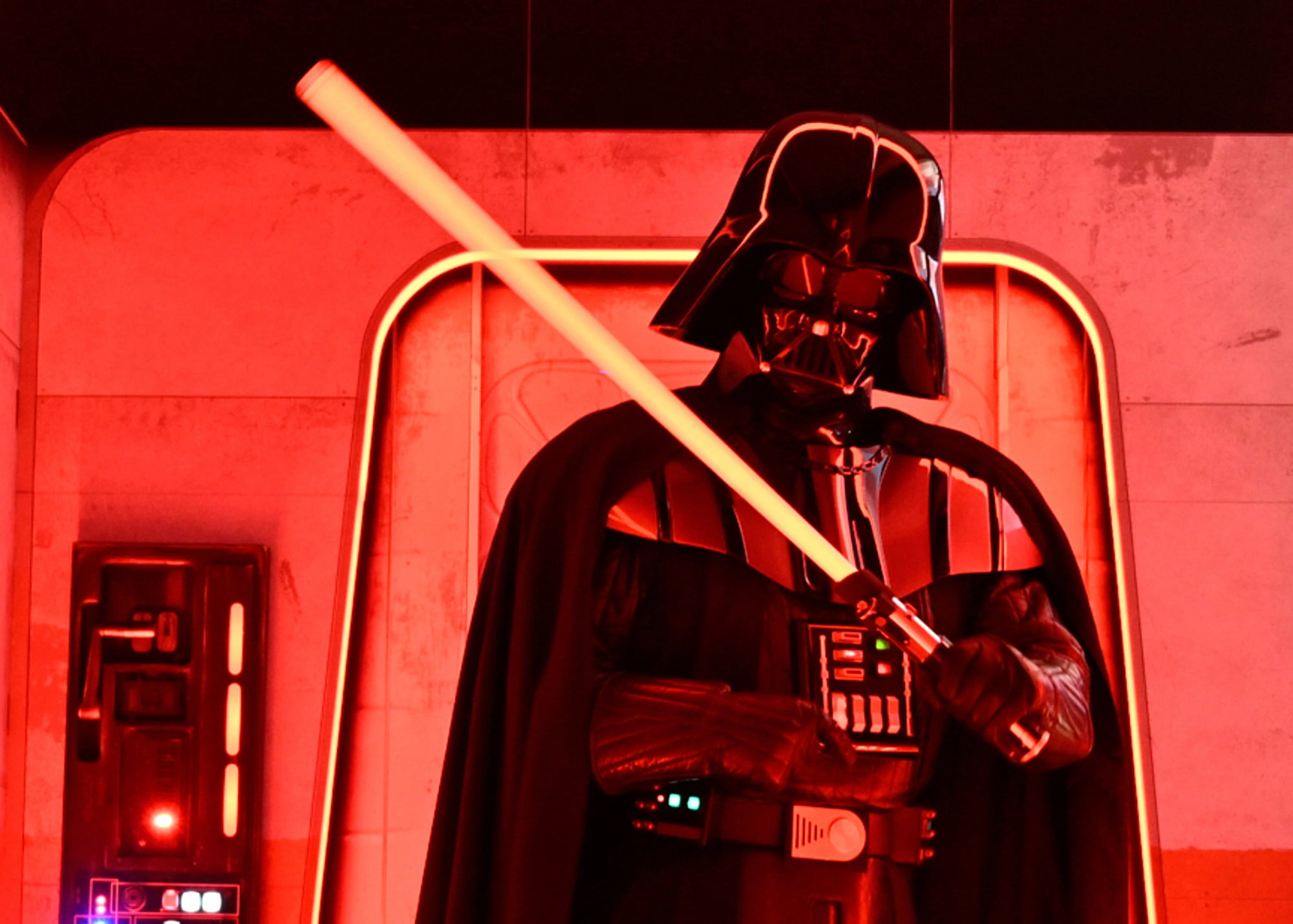
Hollywood’s actors’ union filed an unfair labor practice charge against Llama Productions on Monday, alleging the company replaced actors’ work by using artificial intelligence to generate Darth Vader’s voice in Fortnite without notice.
Elon Musk's artificial intelligence company, xAI, says an “unauthorized modification” led its Grok chatbot to post unsolicited claims on social media about the persecution and “genocide” of white people in South Africa.
Pernilla Sjöholm, star of the Tinder Swindler on Netflix and founder of IDfier, explains how she went from fraud to co-founder of her own company. Watch!
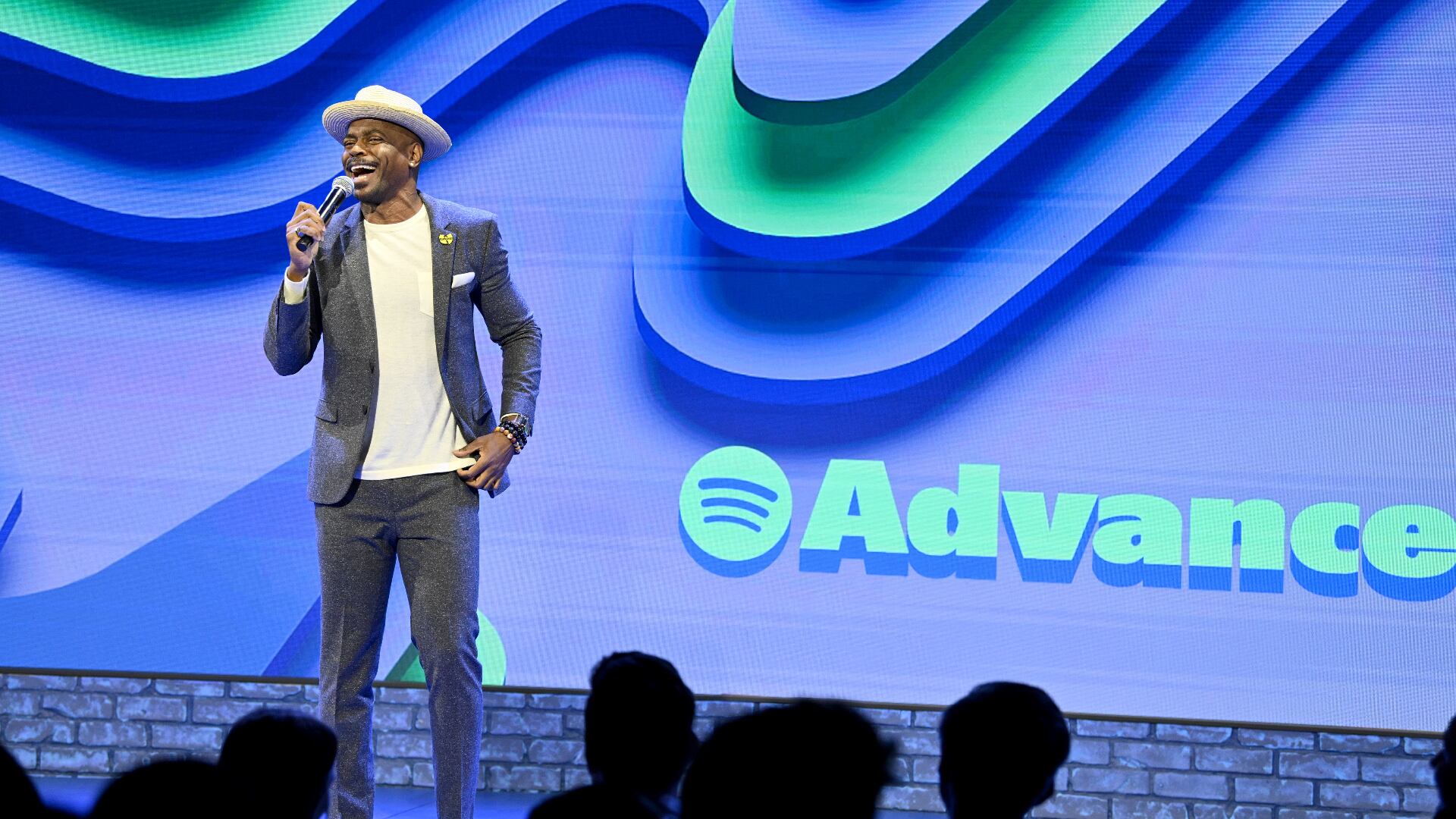
DJ X, alongside Molly Holder, Senior Director of Product Personalization, takes us inside Spotify's A.I. DJ and how it's the best new way to listen to music.
Skype users are scrambling to find an alternative after Microsoft shut down the pioneering internet phone service which let people make cheap long distance calls and chat with other users. Google Voice lets users make calls from a smartphone or a desktop web browser but it's only available to people in the U.S. Viber users can call phone numbers but can't get a number to receive calls. Zoom offers phone options too. You could get a number from a low cost virtual carrier or try other internet phone services. Microsoft says some Skype features will migrate to Teams, but its Teams Phone feature is only for businesses.