U.S. applications for unemployment benefits fell last week as employers continue to retain workers despite resurgent inflation and elevated interest rates.
The number of Americans filing for jobless benefits fell by 7,000 to 213,000 for the week ending February 8, the Labor Department said Thursday. Analysts projected that 215,000 new applications would be filed.
Weekly applications for jobless benefits are considered representative of layoffs.
The four-week average, which smooths out some of the week-to-week volatility, inched down by 1,000 to 216,000.
Despite showing some signs of weakening during the past year, the labor market remains healthy with plentiful jobs and relatively few layoffs.
Last week, the Labor Department reported that U.S. employers added 143,000 jobs in January, significantly fewer than December’s 256,000 job gains. However, the unemployment rate ticked down to an even 4%, signaling a still very healthy labor market.
Late in January, the Federal Reserve left its benchmark lending rate alone after issuing three cuts late in 2024. Fed officials are closely monitoring inflation and the labor market for signs of a potentially weakening economy. They expect only two rate cuts this year, down from previous projections of four.
However, after Wednesday’s consumer prices report that showed inflation accelerated last month, many experts believe the Fed may not be moved to cut rates at all this year.
The consumer price index increased 3% in January from a year ago, up from a 3 1/2 year low of 2.4% in September. The new data shows that inflation has remained stubbornly above the Fed’s 2% target for roughly the past six months after it fell steadily for about a year and a half.
Overall, while layoffs remain low by historical standards, a host of companies have announced job cuts already this year.
Workday, Dow, CNN, Starbucks and Facebook parent company Meta have all trimmed their workforces already in 2025.
Late in 2024, GM, Boeing, Cargill and Stellantis announced layoffs.
The total number of Americans receiving unemployment benefits for the week of February 1 fell to 1.85 million, a decrease of 36,000 from the previous week.
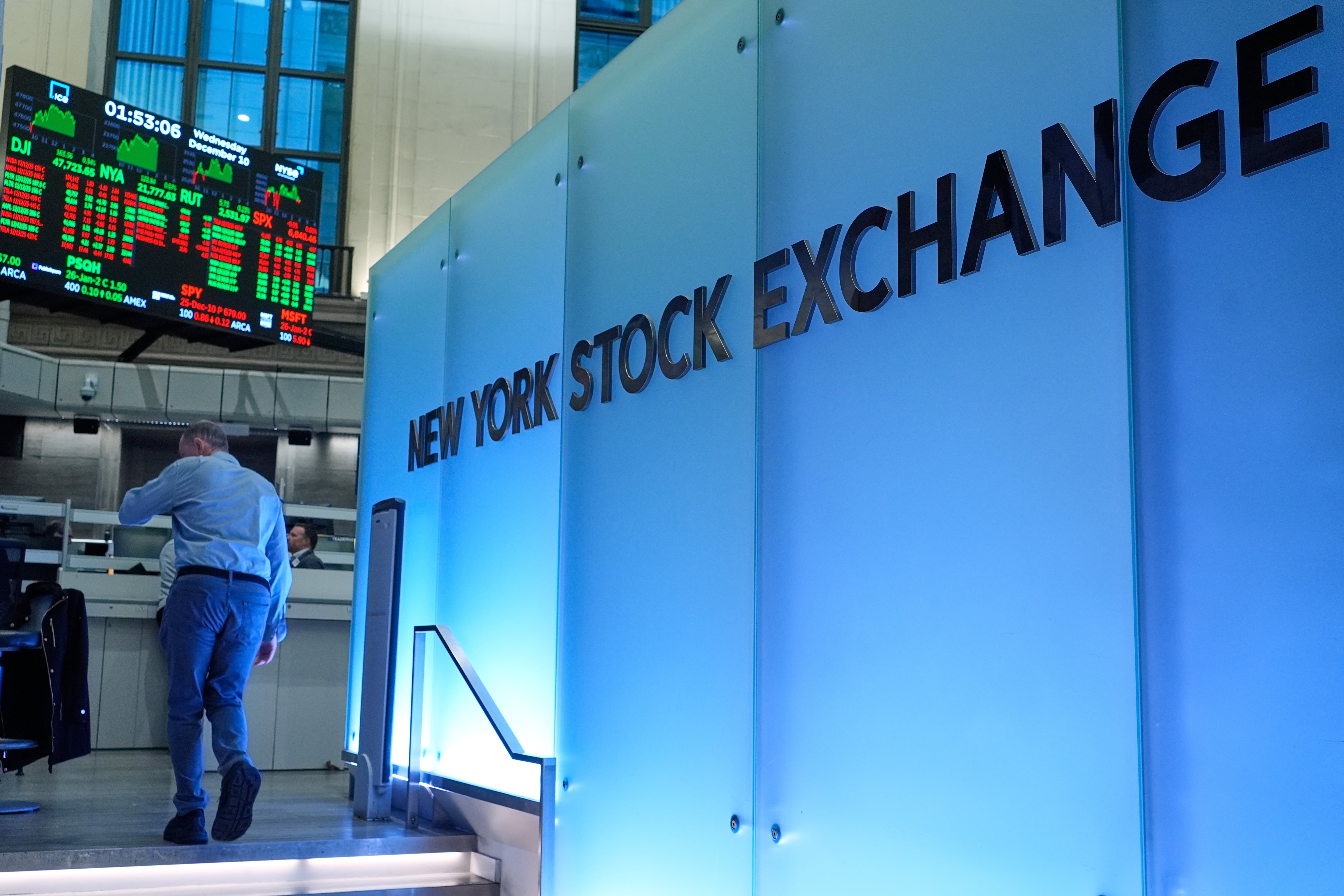
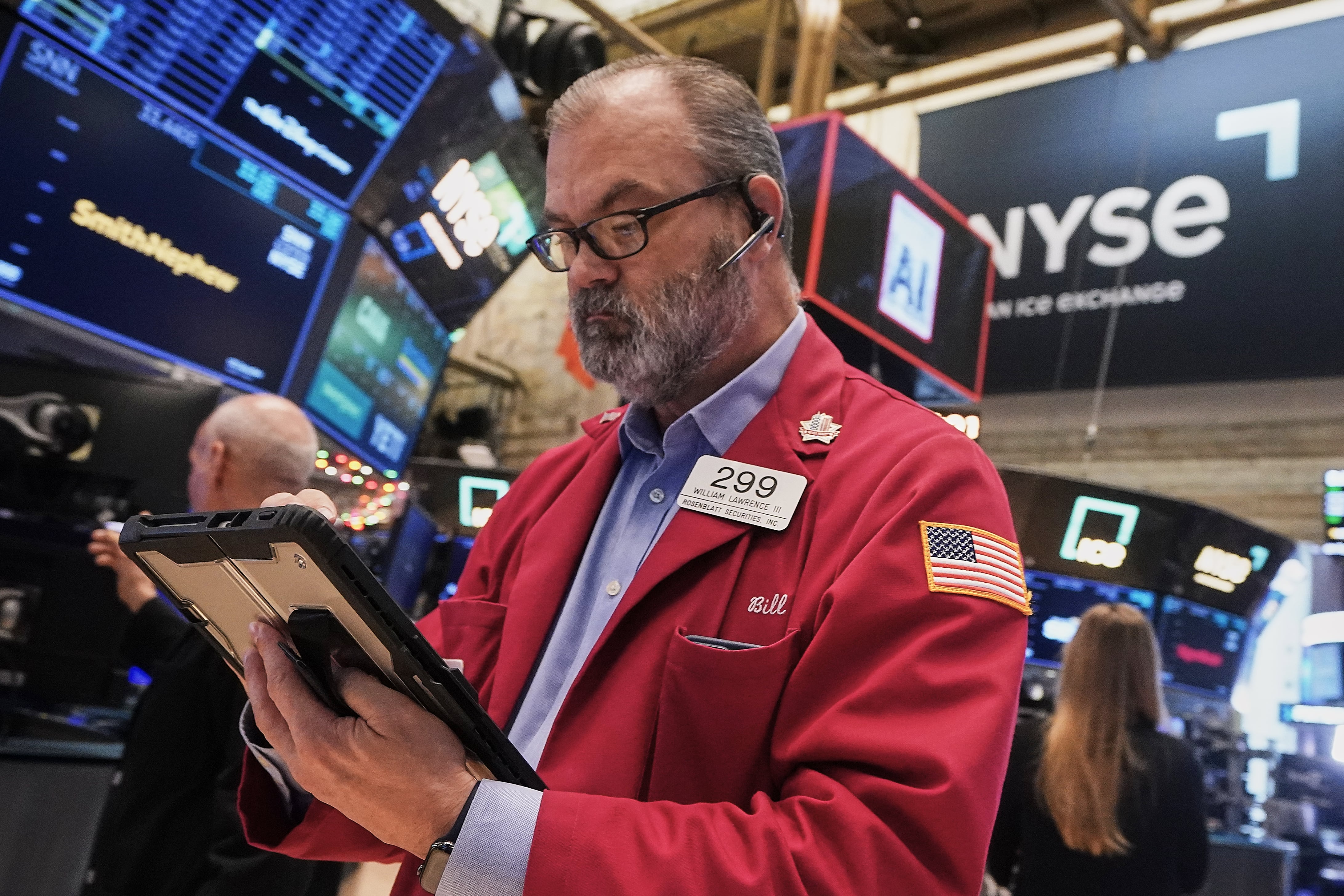
The U.S. stock market is drifting lower following mixed data on the economy’s strength. The S&P 500 fell 0.4% Tuesday and remains a bit below its all-time high set last week. The Dow Jones Industrial Average dropped 271 points, and the Nasdaq composite was mostly unchanged. Treasury yields eased a bit after the reports on the U.S. job market, retail sales and business activity did little to clear uncertainty about where the Federal Reserve may take interest rates next year. AI stocks, which have been under heavy pressure recently, were mixed. Stock indexes fell across much of Europe and Asia.
Many U.S. consumers say they’ve noticed higher than usual prices for holiday gifts in recent months, according to a a December poll from The Associated Press-NORC Center for Public Affairs Research. A contributing factor is the unusually high import taxes the Trump administration put on foreign goods. While the worst-case consumer impact that many economists foresaw from the administration’s trade policies hasn’t materialized, some popular gift items have been affected more than others. Most toys and electronics sold in the U.S. come from China. So do most holiday decorations. Jewelry prices have risen due to the cost of gold.
A sell-off for Oracle is weighing on Wall Street as investors question whether its big spending on artificial-intelligence technology will pay off. The S&P 500 was mostly unchanged Thursday and hovering around its all-time high set in October. Drops for AI-related stocks dragged the Nasdaq composite down 0.6%. Oracle at one point was heading toward its worst loss since 2001 on worries about how much it plans to spend on AI infrastructure. But most stocks on Wall Street rose, and the Dow Jones Industrial Average jumped 600 points. Treasury yields slipped after a report showed more U.S. workers applied for unemployment benefits.
The U.S. stock market is flirting with its all-time high after the Federal Reserve cut its main interest rate to bolster the job market. The S&P 500 rose 0.8% Wednesday and was on track to squeak past its all-time closing high, which was set in October. The Dow Jones Industrial Average climbed 559 points, and the Nasdaq composite rose 0.4%. Wall Street loves lower interest rates because they can boost the economy and goose prices for investments, even if they have the potential of making inflation worse. Treasury yields eased in the bond market.
The U.S. stock market is drifting near its record levels following reactions to profit reports from Macy’s, Marvell Technologies and other companies. The S&P 500 added 0.4% Wednesday and climbed within 0.5% of its all-time high set in late October. The Dow Jones Industrial Average added 428 points, and the Nasdaq composite rose 0.2%. Treasury yields eased in the bond market following some mixed reports on the U.S. economy. One suggested hiring was much weaker in November than economists expected, while a second said growth for U.S. services businesses was better than expected.
The Enhanced Games is going public in two ways — with a new listing on the Nadsaq stock exchange and also by offering a direct-to-consumer business focused on performance products.