The great Easter basket question — to Peep or not Peep
By Tassanee Vejpongsa and John Seewer
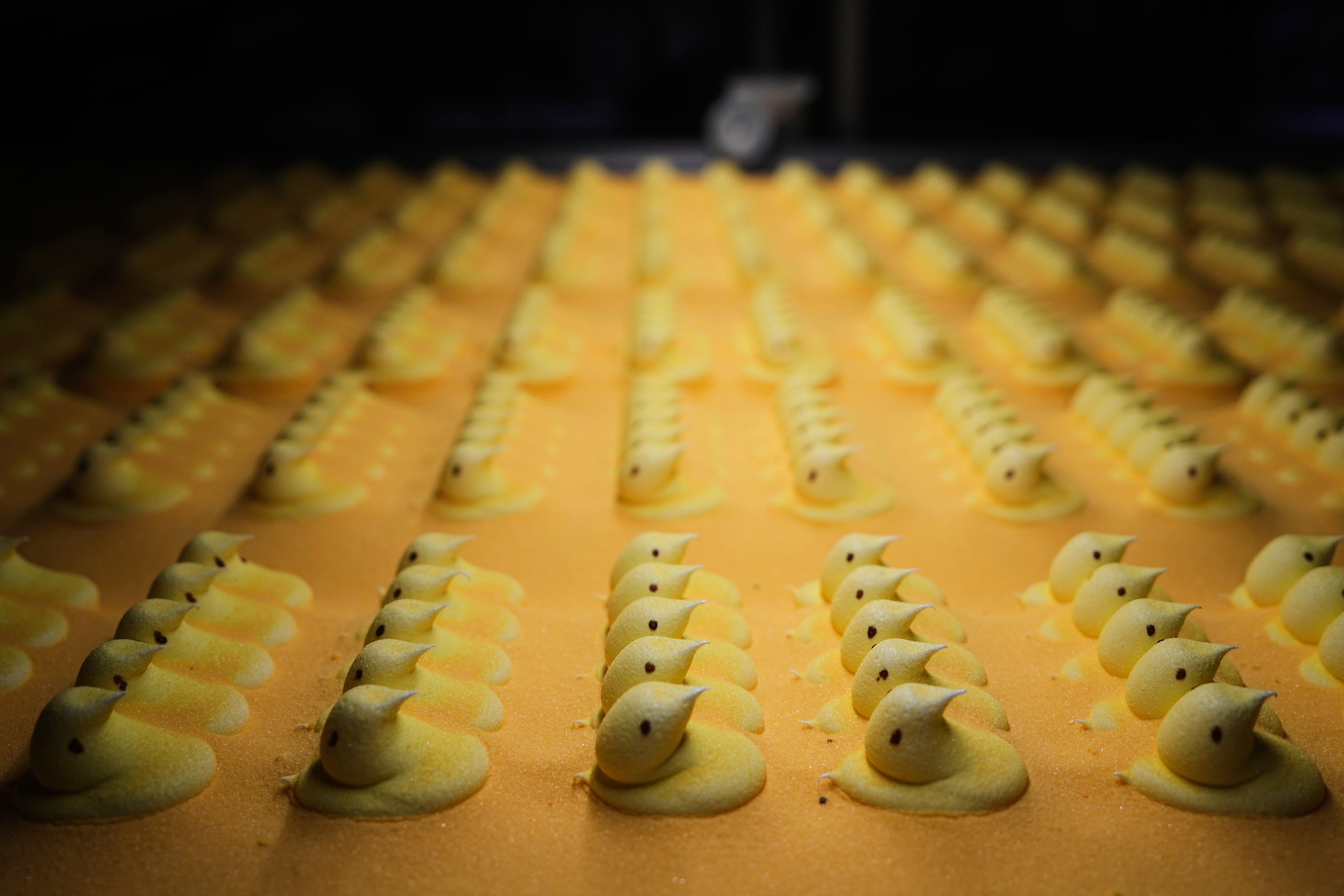
Peeps marshmallow treats move through the manufacturing process at the Just Born factory in Bethlehem, Pa., Thursday, April 10, 2025. (AP Photo/Matt Rourke)
BETHLEHEM, Pa. (AP) — Love them or hate them, those marshmallow Peeps that come in blindingly bright colors and an array of flavors are inescapable around the Easter holiday.
Millions are made daily in Bethlehem, Pennsylvania, by Just Born Quality Confections, a family-owned candy manufacturer that also churns out Hot Tamales, Mike and Ike fruit chews and Goldenberg’s Peanut Chews.
Peeps is Just Born’s most recognizable brand and one of a handful of candies that evoke strong reactions — good and bad. Some say an Easter basket isn't complete without Peeps while others deride them as being indestructible. Some use them in recipes or even artwork.
“Even if you’re not usually one to gravitate to eating the Peeps, there’s always so many other fun ways to include them in your celebrations,” said Caitlin Servian, brand manager for Peeps.
How many Peeps are made each year?
On average, about 5.5 million are made each day.
That adds up to 2 billion a year — or roughly 6 Peeps for every man, woman and child across the U.S.
How many different varieties and colors are there?
First hatched in yellow, the sugary chicks and bunnies come in nine colors for this Easter season, including pink, blue and lavender. And there are even more flavors — 14 for Easter — from cookies and cream, to fruit punch and sour watermelon. The varieties and colors vary throughout the year with different holiday seasons.
How long does it take to make a Peep?
Before the early 1950s, making the candies by hand took 27 hours.
Bob Born, who became known as the “Father of Peeps,” came up with a way to speed up the process. He and a company engineer designed a machine to make them in less than six minutes. The same process is used today.
How are they made?
The main ingredients — sugar, corn syrup and gelatin — are cooked and combined to create marshmallows, which are then shaped and sent through a “sugar shower.”
A whopping 400 pounds (181 kilograms) of sugar is used per batch for Peeps' colored sugars.
Freshly made Peeps — each chick weighs one-third of an ounce — then move along a conveyor so that they can cool before being packaged.
The New York Times and President Donald Trump are fighting again. The news outlet said Wednesday it won't be deterred by Trump's “false and inflammatory language” from writing about the 79-year-old president's health. The Times has done a handful of stories on that topic recently, including an opinion column that said Trump is “starting to give President Joe Biden vibes.” In a Truth Social post, Trump said it might be treasonous for outlets like the Times to do “FAKE” reports about his health and "we should do something about it.” The Republican president already has a pending lawsuit against the newspaper for its past reports on his finances.
OpenAI has appointed Slack CEO Denise Dresser as its first chief of revenue. Dresser will oversee global revenue strategy and help businesses integrate AI into daily operations. OpenAI CEO Sam Altman recently emphasized improving ChatGPT, which now has over 800 million weekly users. Despite its success, OpenAI faces competition from companies like Google and concerns about profitability. The company earns money from premium ChatGPT subscriptions but hasn't ventured into advertising. Altman had recently announced delays in developing new products like AI agents and a personal assistant.
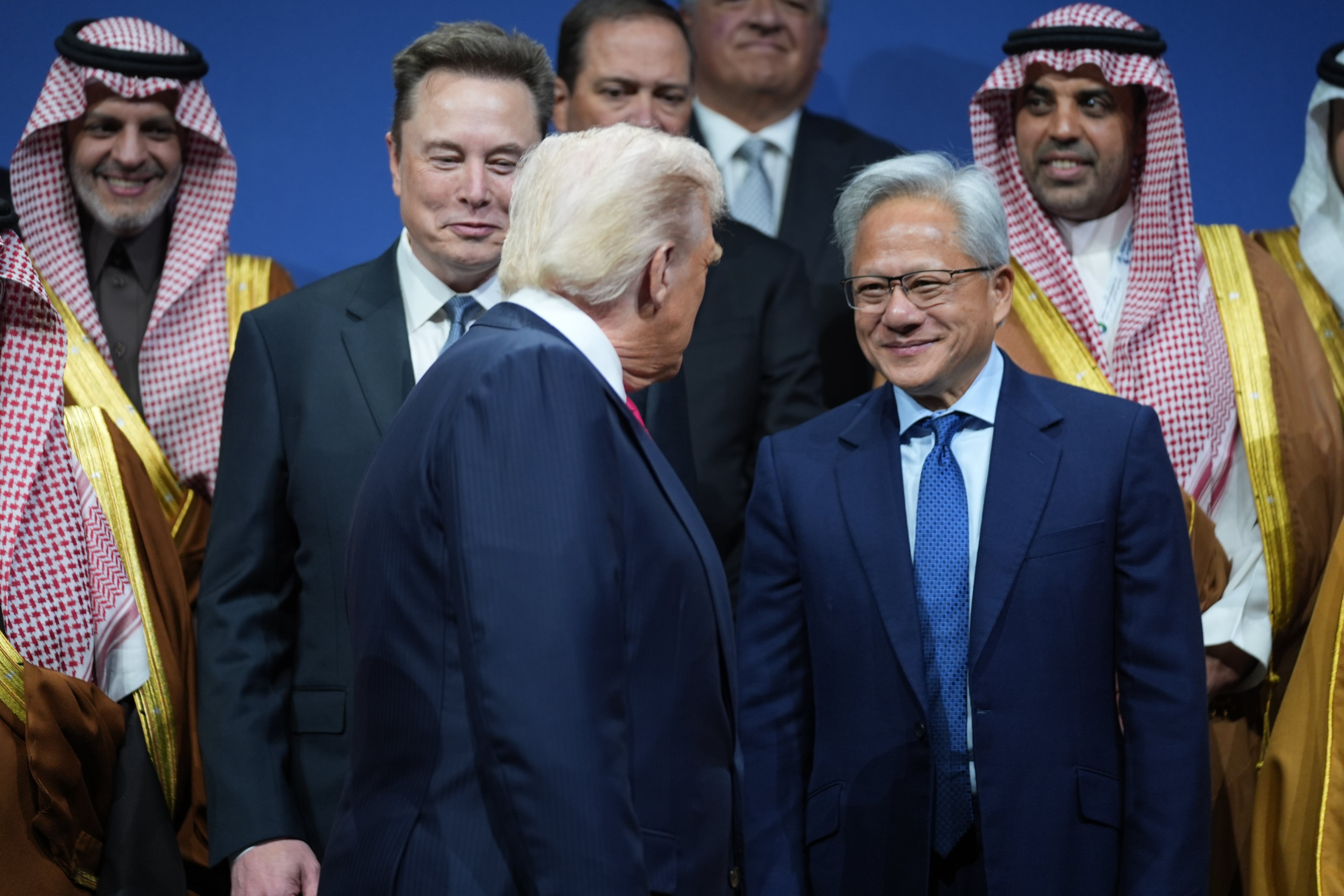
President Donald Trump says he will allow Nvidia to sell its H200 computer chip used in the development of artificial intelligence to “approved customers” in China. Trump said Monday on his social media site that he had informed China’s leader Xi Jinping and “President Xi responded positively!” There had been concerns about allowing advanced computer chips into China as it could help them to compete against the U.S. in building out AI capabilities. But there has also been a desire to develop the AI ecosystem with American companies such as chipmaker Nvidia.
U.S. sports betting is booming as NFL and college football fuel massive activity. BetMGM CEO Adam Greenblatt breaks down trends, growth, and what’s next.
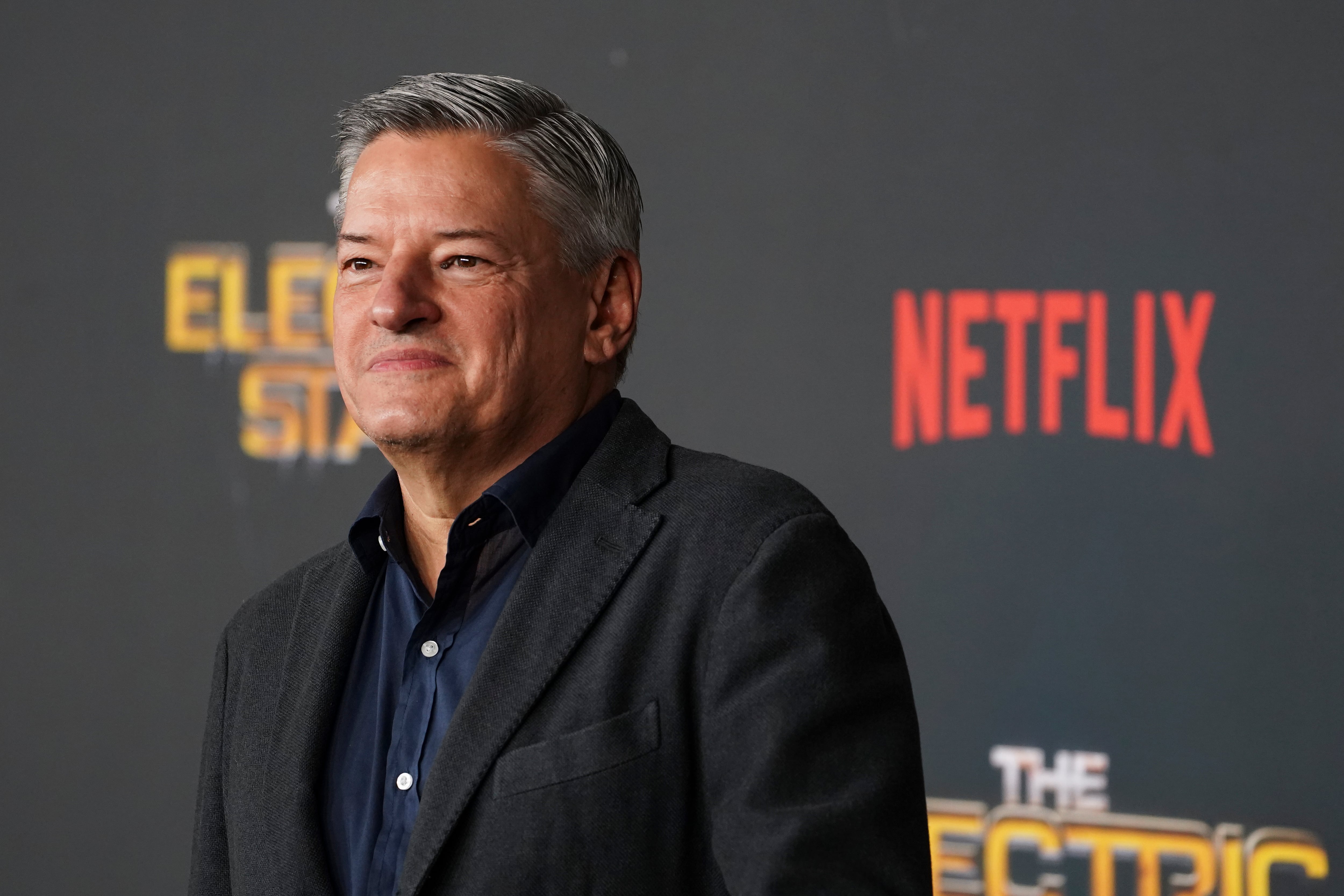
President Donald Trump says a deal struck by Netflix last week to buy Warner Bros. Discovery “could be a problem” because of the size of the combined market share. The Republican president says he will be involved in the decision about whether federal regulators should approve the deal. Trump commented Sunday when he was asked about the deal as he walked the red carpet at the Kennedy Center Honors. The $72 billion deal would bring together two of the biggest players in television and film and potentially reshape the entertainment industry.
Disney's changes to a program for disabled visitors are facing challenges in federal court and through a shareholder proposal. The Disability Access Service program, which allows disabled visitors to skip long lines, was overhauled last year. Disney now mostly limits the program to those with developmental disabilities like autism who have difficulty waiting in lines. The changes have sparked criticism from some disability advocates. A shareholder proposal submitted by disability advocates calls for an independent review of Disney's disability policies. Disney plans to block this proposal, claiming it's misleading. It's the latest struggle by Disney to accommodate disabled visitors while stopping past abuses by some theme park guests.
With a merger this big, creators, studios, and theaters all face uncertain futures. Here’s what experts are worried about and what good could come from it.
With disengagement rising and hybrid work shifting, 'Everybody Matters' author Bob Chapman explains why treating people well could define the future of work.
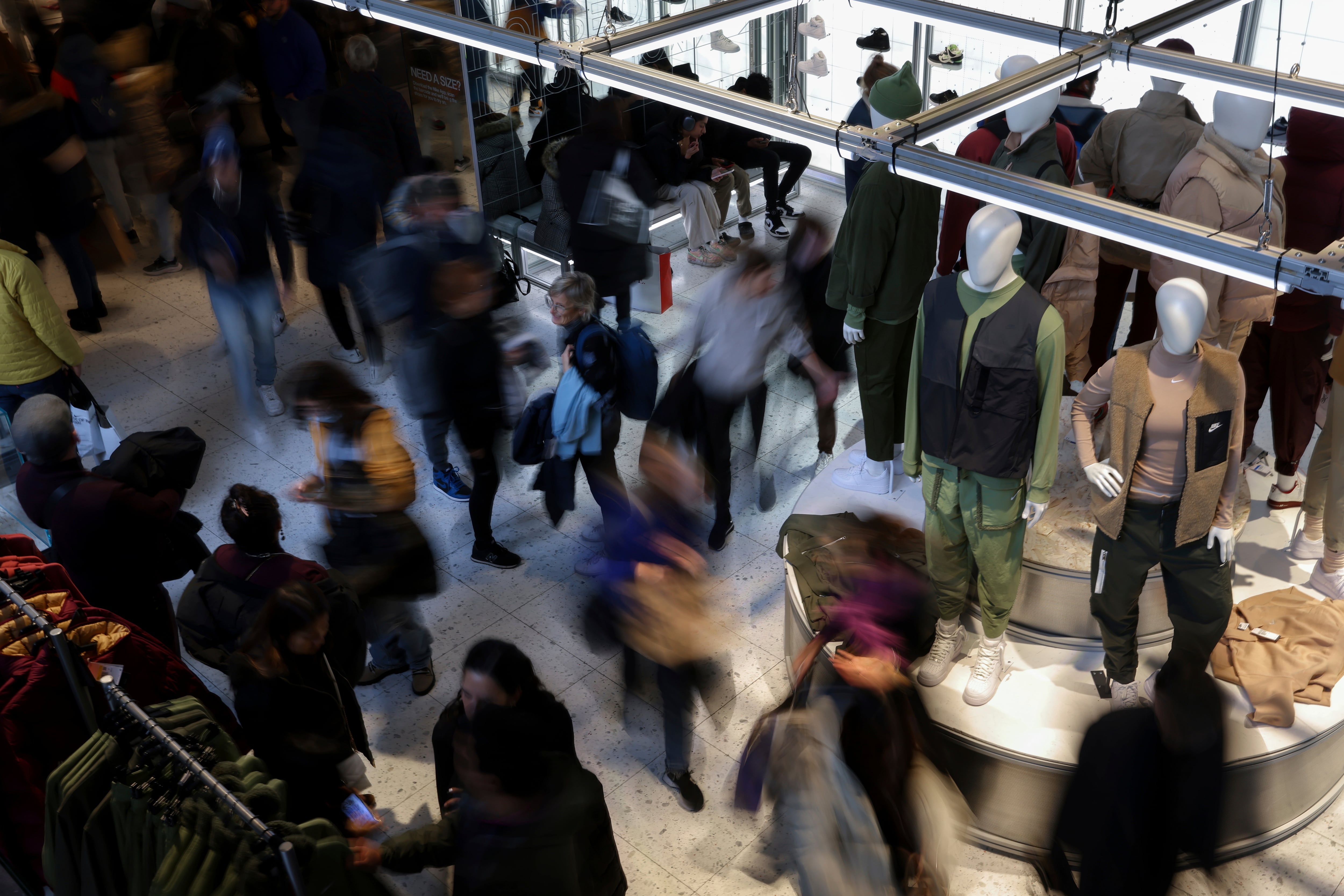
We sat down with Ali Furman, U.S. Consumer Markets Industry Leader at consulting firm PwC to ask what trends she garnered from the initial data this year.