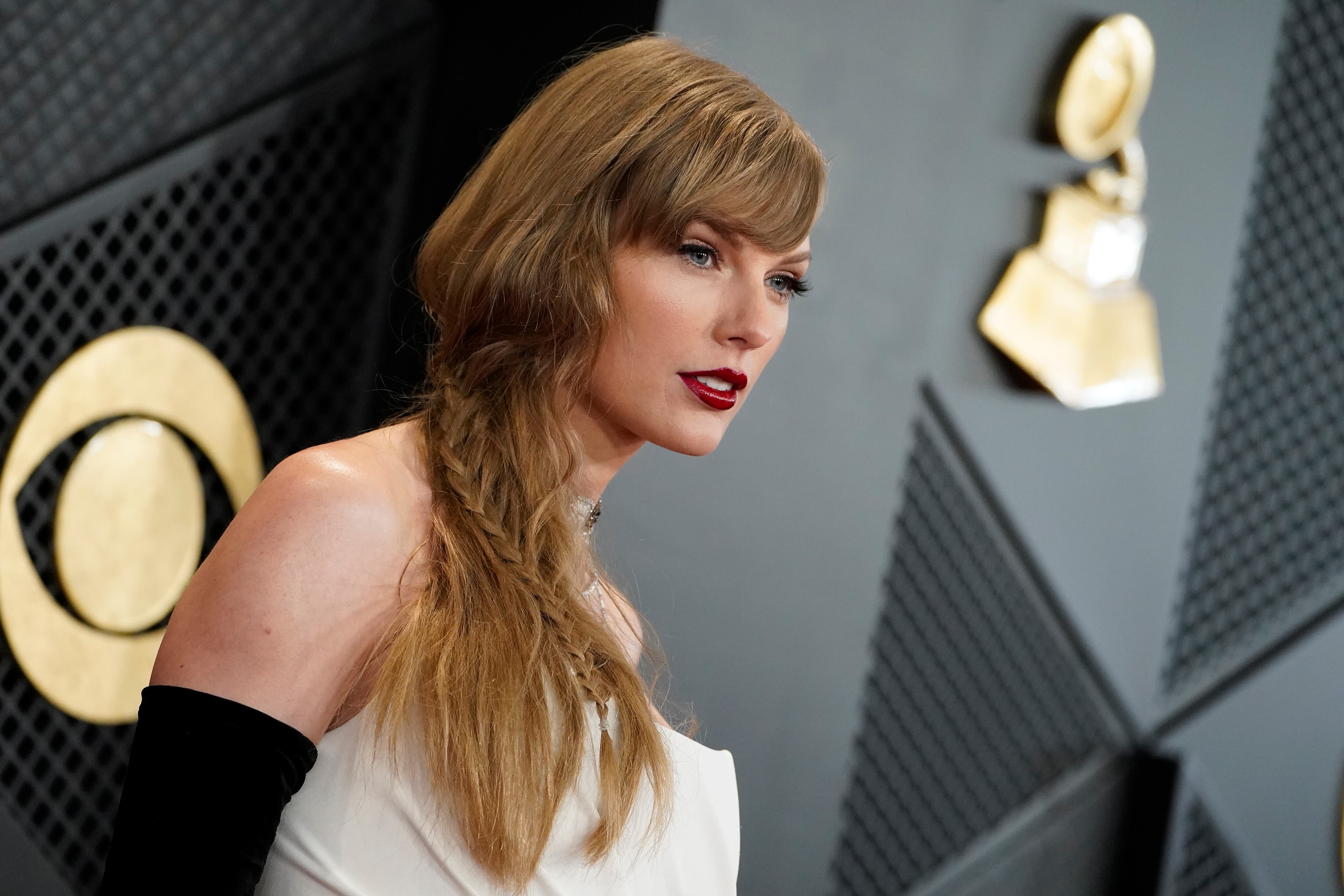
Taylor Swift arrives at the 66th annual Grammy Awards on Sunday, Feb. 4, 2024, in Los Angeles. (Photo by Jordan Strauss/Invision/AP)
When it comes to dealing with a Florida college student who uses public data and social media to track the private jets of billionaires, politicians and other celebrities, Taylor Swift apparently can't just shake it off.
In late December, Swift's camp hit Jack Sweeney, a junior studying information technology at the University of Central Florida, with a cease-and-desist letter that blamed his automated tracking of her private jet for tipping off stalkers as to her location. In the letter, attorneys from the law firm Venable accused Sweeney of effectively providing “individuals intent on harming her, or with nefarious or violent intentions, a roadmap to carry out their plans.”
Sweeney provided the link to that letter in an email to The Associated Press. In that message, he emphasized that while he has never intended to cause harm, he also believes strongly in the importance of transparency and public information.
“One should reasonably expect that their jet will be tracked, whether or not I’m the one doing it, as it is public information after all,” he wrote.
A spokesperson for Swift echoed the legal complaint, saying that “the timing of stalkers” suggests a connection to Sweeney's flight-tracking sites. The spokesperson did not respond to questions seeking elaboration of that charge, such as whether stalkers have been seen waiting for Swift at the airport when her plane arrived or, alternatively, if there is evidence that stalkers have somehow inferred Swift's subsequent location from the arrival time of her flight.
The legal letter likewise accuses Sweeney of “disregarding the personal safety of others”; “willful and repeated harassment of our client”; and “intentional, offensive, and outrageous conduct and consistent violations of our client's privacy.”
Such statements are difficult to square with the fact that Sweeney's automated tracking accounts merely repackage public data provided by the Federal Aviation Administration, a government agency. That fact did not dissuade the Venable attorneys, who demanded that Sweeney “immediately stop providing information about our client's location to the public.”
The Swift spokesperson did not reply to a question inquiring whether the attorneys had issued the same demand to the FAA.
At one point Sweeney had more than 30 such accounts on Twitter, now known as X after Elon Musk purchased the site for $44 billion in 2022. Musk subsequently had his own dustup with Sweeney, tweeting at one point that his commitment to free speech required him not to ban Sweeney's @elonjet account even though he considered it “a direct personal safety risk.”
But it wasn't long before Musk abruptly about-faced and effectively banned the student from X, accusing Sweeney of endangering his personal safety.
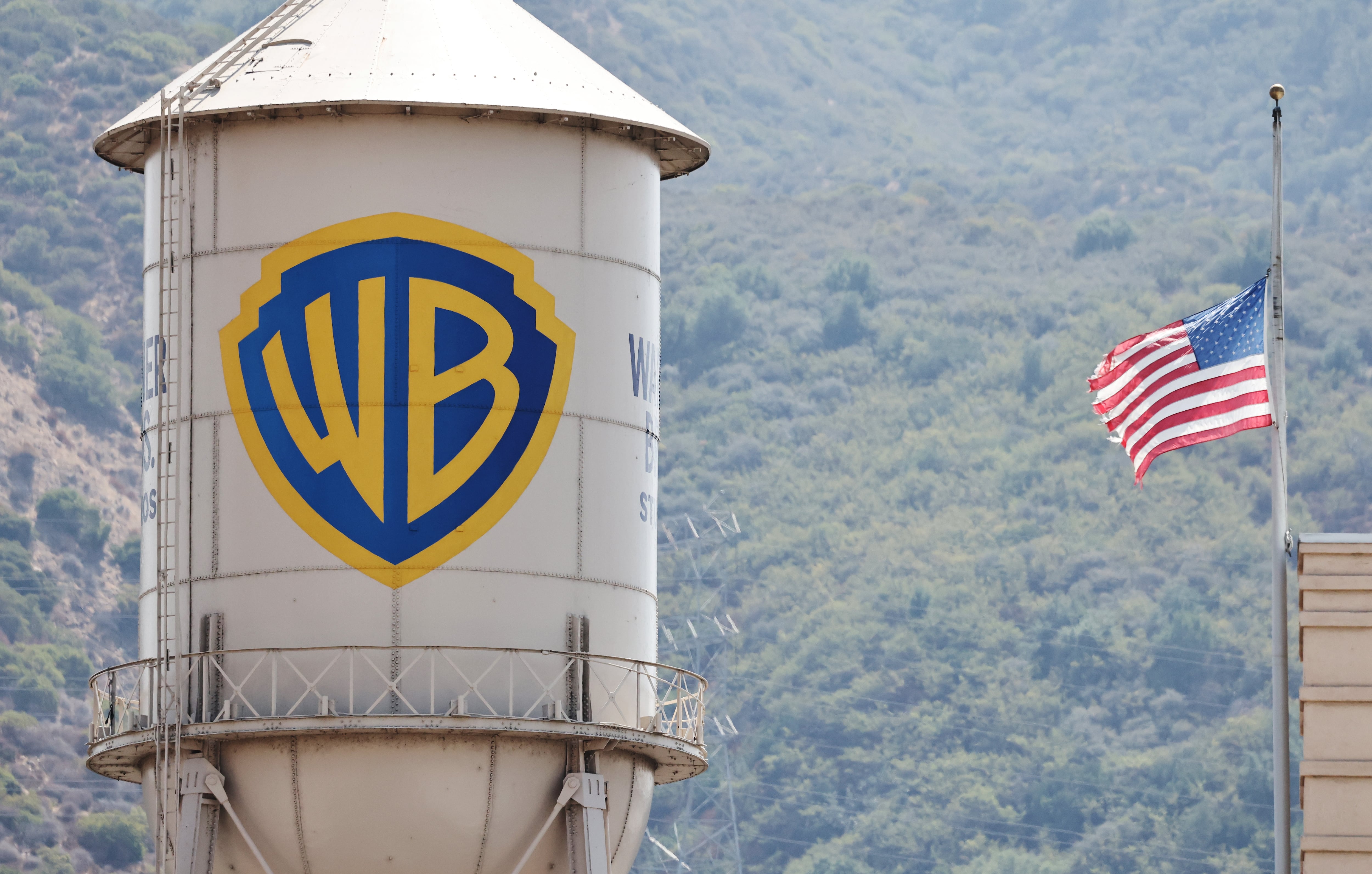
Wealthfront’s CFO Alan Iberman talks the $2.05B IPO and the major moment for robo banking as the company bets on AI, automation, and “self-driving money."
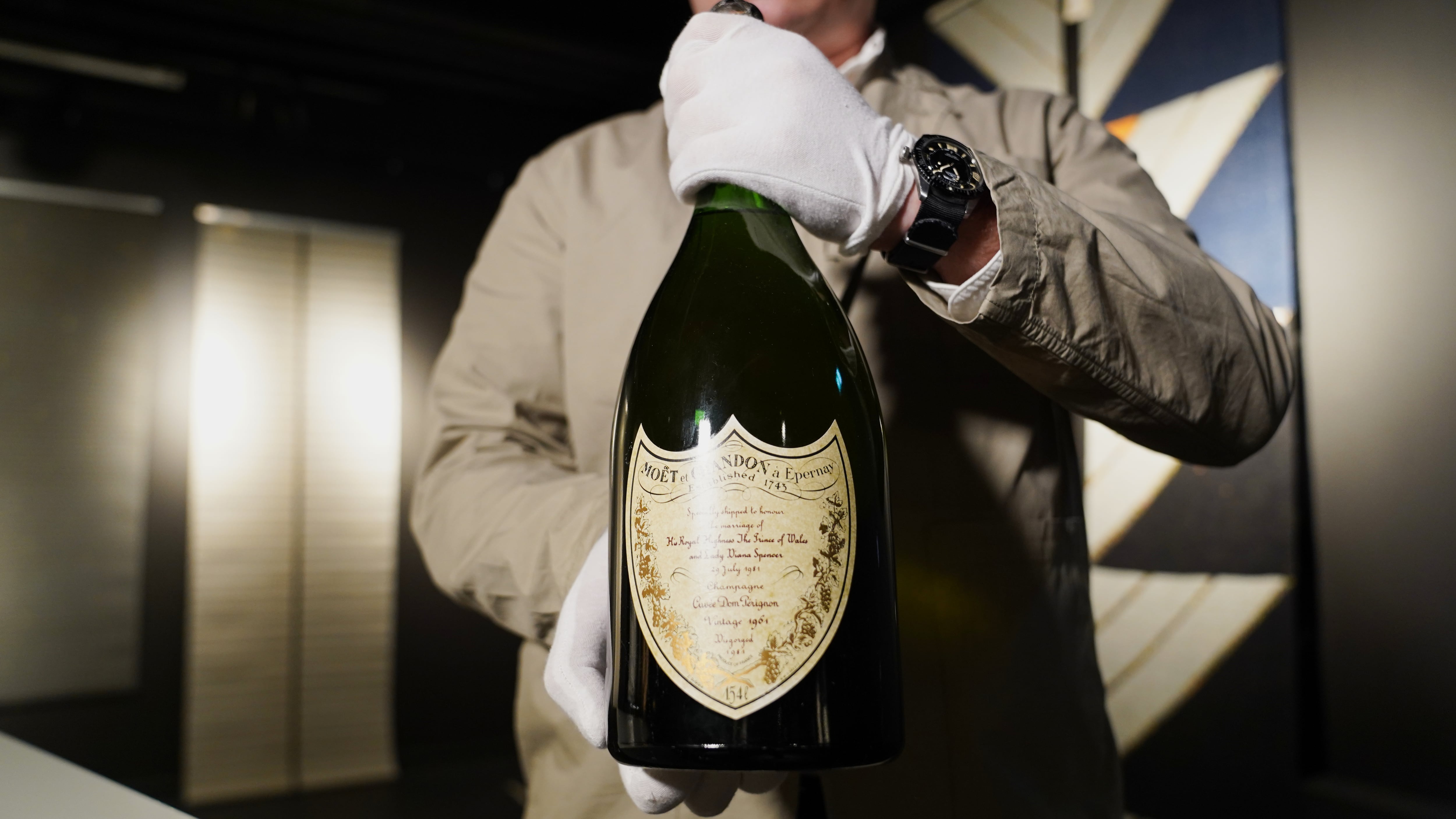
A rare magnum of Dom Pérignon Vintage 1961 champagne that was specially produced for the 1981 wedding of Prince Charles and Lady Diana has failed to sell during an auction. Danish auction house Bruun Rasmussen handled the bidding Thursday. The auction's house website lists the bottle as not sold. It was expected to fetch up to around $93,000. It is one of 12 bottles made to celebrate the royal wedding. Little was revealed about the seller. The auction house says the bids did not receive the desired minimum price.
The New York Times and President Donald Trump are fighting again. The news outlet said Wednesday it won't be deterred by Trump's “false and inflammatory language” from writing about the 79-year-old president's health. The Times has done a handful of stories on that topic recently, including an opinion column that said Trump is “starting to give President Joe Biden vibes.” In a Truth Social post, Trump said it might be treasonous for outlets like the Times to do “FAKE” reports about his health and "we should do something about it.” The Republican president already has a pending lawsuit against the newspaper for its past reports on his finances.
OpenAI has appointed Slack CEO Denise Dresser as its first chief of revenue. Dresser will oversee global revenue strategy and help businesses integrate AI into daily operations. OpenAI CEO Sam Altman recently emphasized improving ChatGPT, which now has over 800 million weekly users. Despite its success, OpenAI faces competition from companies like Google and concerns about profitability. The company earns money from premium ChatGPT subscriptions but hasn't ventured into advertising. Altman had recently announced delays in developing new products like AI agents and a personal assistant.
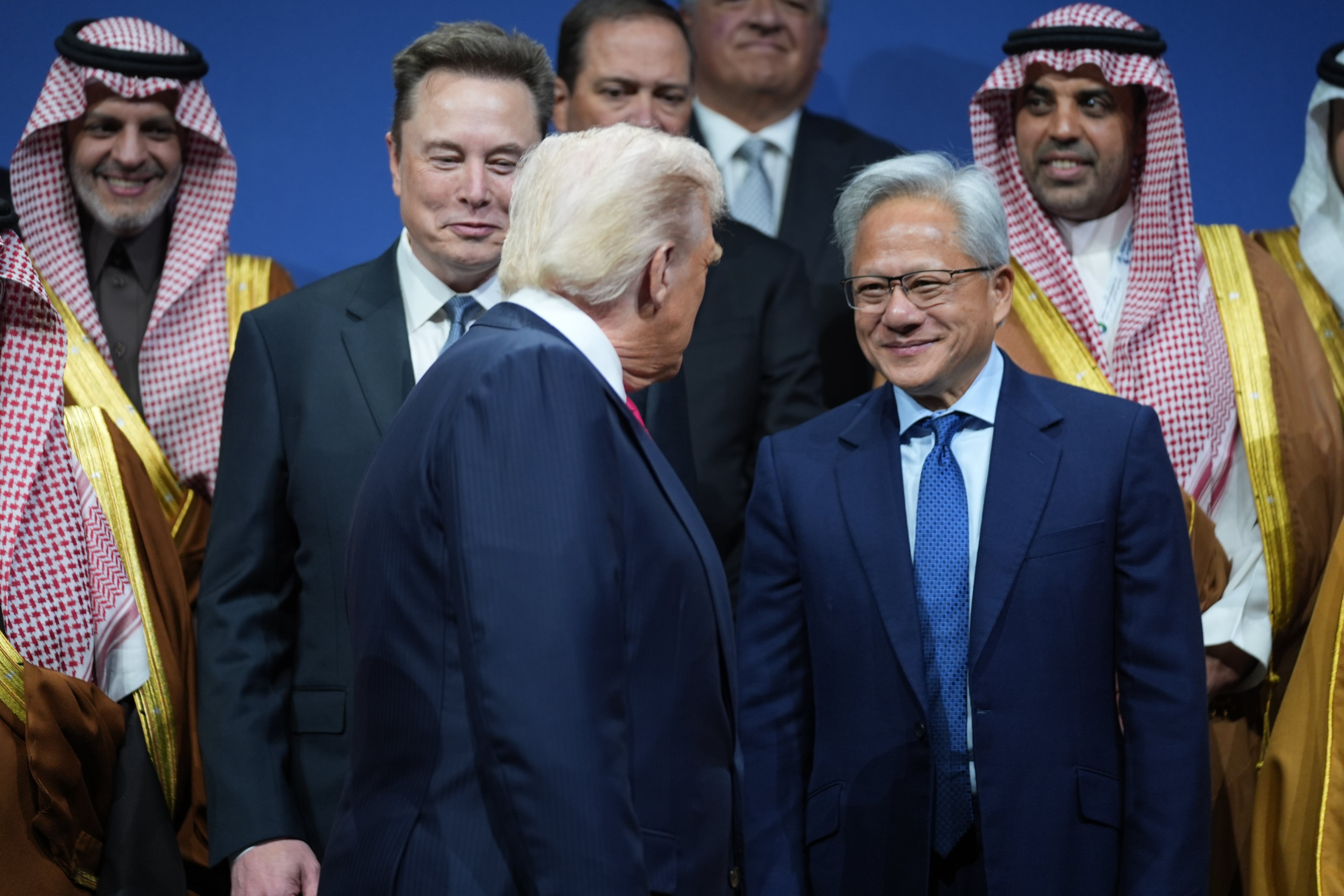
President Donald Trump says he will allow Nvidia to sell its H200 computer chip used in the development of artificial intelligence to “approved customers” in China. Trump said Monday on his social media site that he had informed China’s leader Xi Jinping and “President Xi responded positively!” There had been concerns about allowing advanced computer chips into China as it could help them to compete against the U.S. in building out AI capabilities. But there has also been a desire to develop the AI ecosystem with American companies such as chipmaker Nvidia.