This year's Super Bowl commercials hit the usual notes: inspiring sports tributes, outlandish celebrity cameos, high-concept movie parodies, and a few dashes of social awareness.
But in a media sphere with fewer and fewer television events that capture a national audience, it's still a winning formula, YouTube VP Tara Walpert Levy told Cheddar.
"I think it is getting harder and harder to find water cooler moments that bring together these kinds of audiences that once existed in traditional television," said Walpert Levy said. "The Super Bowl is one of the few and one of the biggest that still delivers."
To highlight the most popular videos as of game day, YouTube on Monday morning ranked the most-viewed Super Bowl LIV spots on the video service.
Amazon topped the list with its ad starring Ellen DeGeneres and Portia de Rossi as they imagined what the world was like before Alexa came along to answer everyone's questions.
Facebook, Jeep, Hyundai, and T-Mobile also fell into the top five with a mix of star-studded spots that tended toward absurd humor rather than the flashy or self-serious.
"Comedy definitely won the day here yesterday," Walpert Levy said.
She added that lighter fare does better in the short term, in part due to the festive mood that comes with Super Bowl viewing parties, but "if you look at the trend over a broader stretch, you see a more mixed story, because of some of those more touching ads really pop."
The life of Super Bowl ads before and after game day is increasingly a factor in which spots get remembered and talked about.
No less than 43 brands pre-released their ads online before game day. That's up from 30 brands the year prior, according to Ad Age.
Companies understandably want to get their money's worth. A 30-second spot costs $5.6 million. The price hit $5 million in 2017 and jumped to $5.2 million in 2018.
While airtime during one of America's last big TV events doesn't come cheap, access to such a large audience might still be worth the price tag.
"If you're looking for a water cooler moment and to get people talking and you've got a great ad, this is the place to be," Levy said.
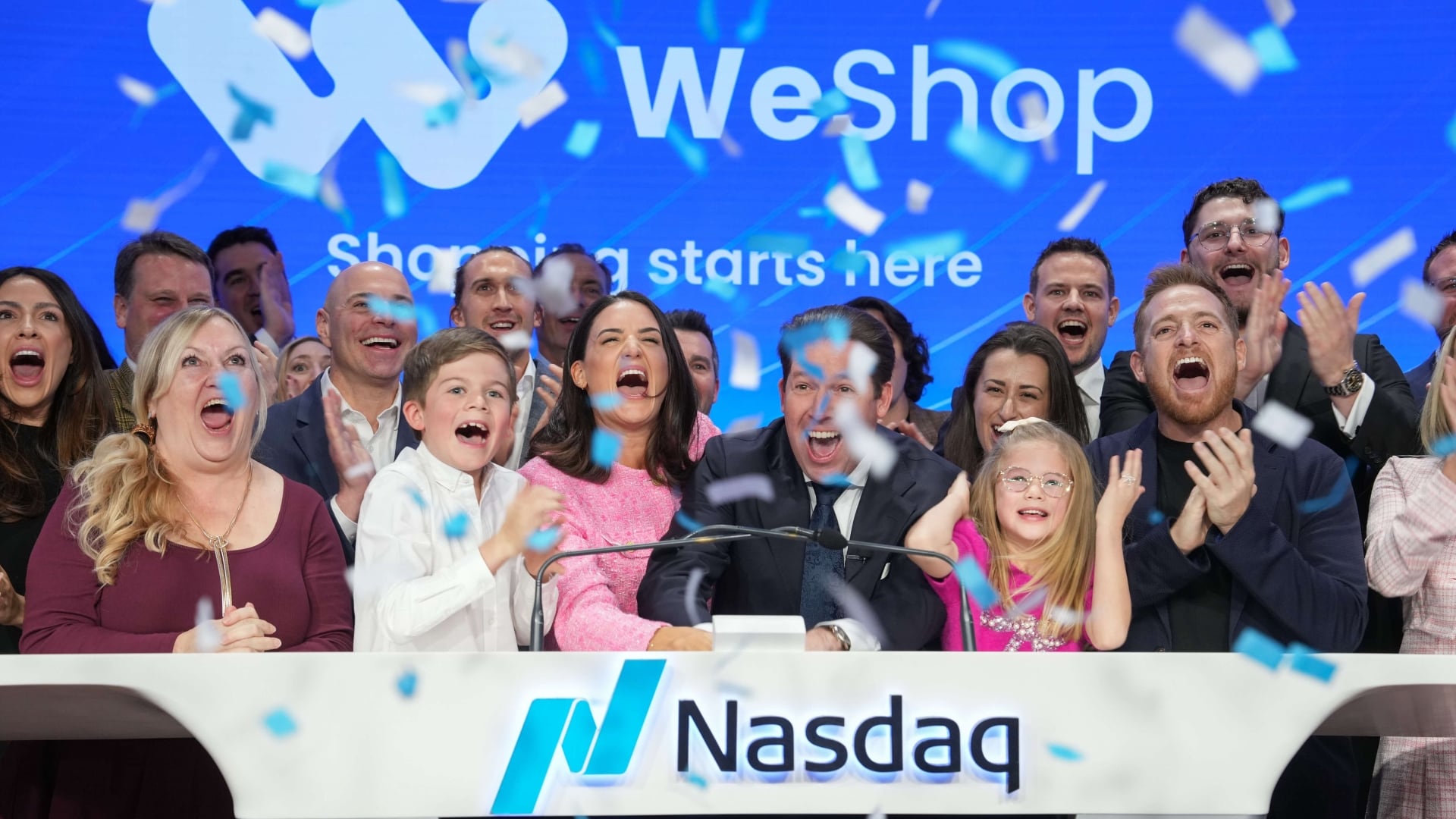
Wealthfront’s CFO Alan Iberman talks the $2.05B IPO and the major moment for robo banking as the company bets on AI, automation, and “self-driving money."
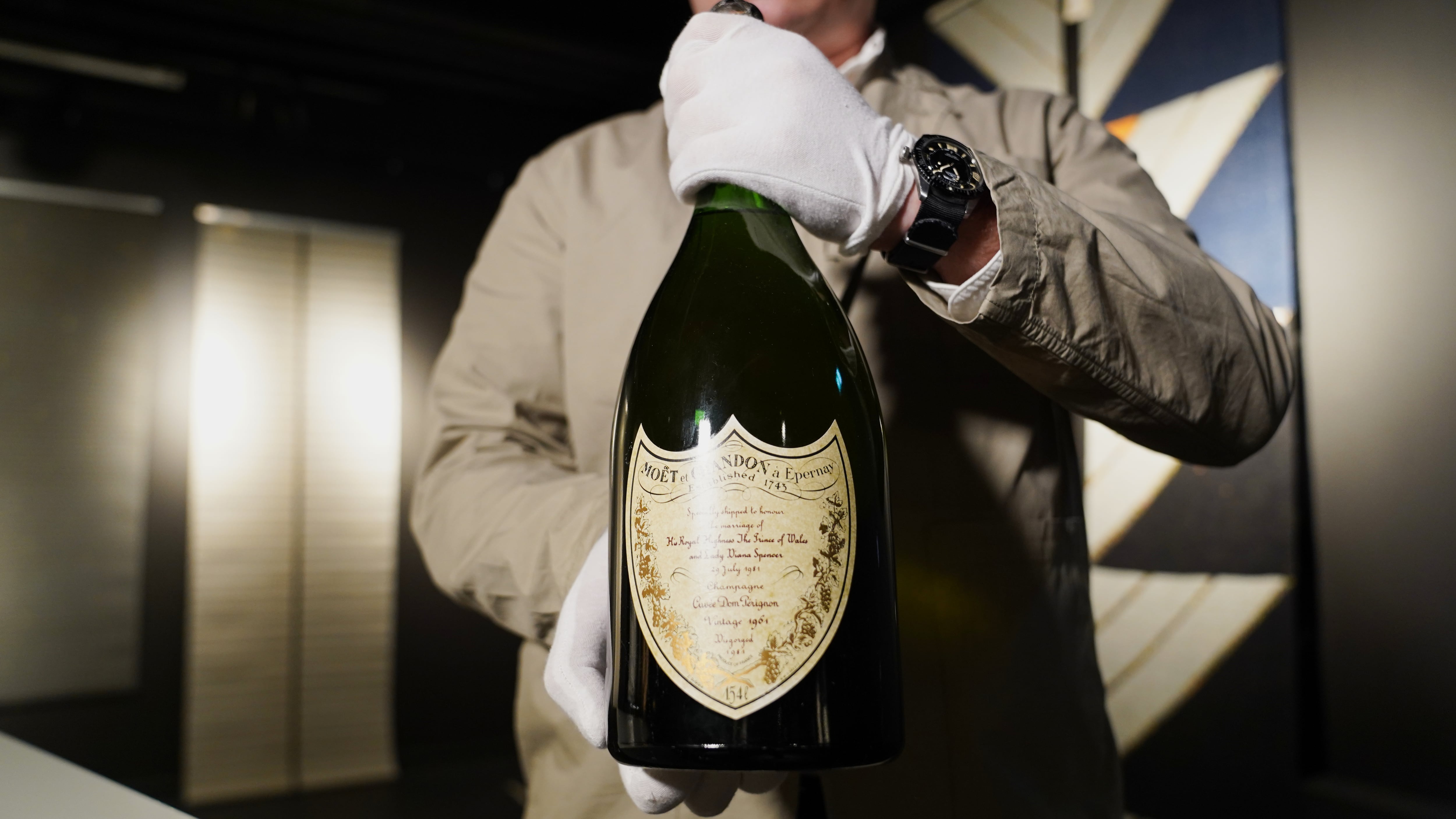
A rare magnum of Dom Pérignon Vintage 1961 champagne that was specially produced for the 1981 wedding of Prince Charles and Lady Diana has failed to sell during an auction. Danish auction house Bruun Rasmussen handled the bidding Thursday. The auction's house website lists the bottle as not sold. It was expected to fetch up to around $93,000. It is one of 12 bottles made to celebrate the royal wedding. Little was revealed about the seller. The auction house says the bids did not receive the desired minimum price.
The New York Times and President Donald Trump are fighting again. The news outlet said Wednesday it won't be deterred by Trump's “false and inflammatory language” from writing about the 79-year-old president's health. The Times has done a handful of stories on that topic recently, including an opinion column that said Trump is “starting to give President Joe Biden vibes.” In a Truth Social post, Trump said it might be treasonous for outlets like the Times to do “FAKE” reports about his health and "we should do something about it.” The Republican president already has a pending lawsuit against the newspaper for its past reports on his finances.
OpenAI has appointed Slack CEO Denise Dresser as its first chief of revenue. Dresser will oversee global revenue strategy and help businesses integrate AI into daily operations. OpenAI CEO Sam Altman recently emphasized improving ChatGPT, which now has over 800 million weekly users. Despite its success, OpenAI faces competition from companies like Google and concerns about profitability. The company earns money from premium ChatGPT subscriptions but hasn't ventured into advertising. Altman had recently announced delays in developing new products like AI agents and a personal assistant.
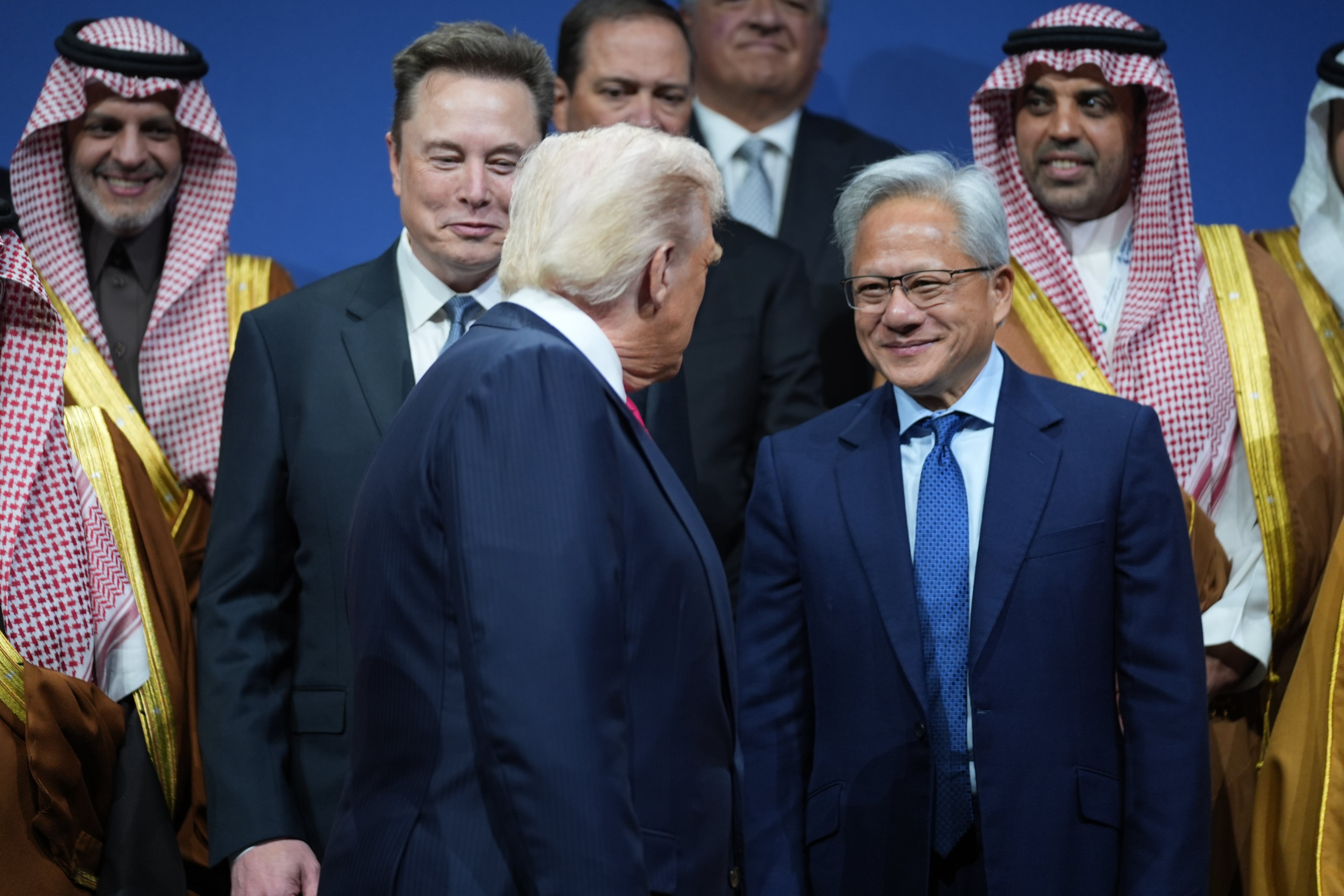
President Donald Trump says he will allow Nvidia to sell its H200 computer chip used in the development of artificial intelligence to “approved customers” in China. Trump said Monday on his social media site that he had informed China’s leader Xi Jinping and “President Xi responded positively!” There had been concerns about allowing advanced computer chips into China as it could help them to compete against the U.S. in building out AI capabilities. But there has also been a desire to develop the AI ecosystem with American companies such as chipmaker Nvidia.